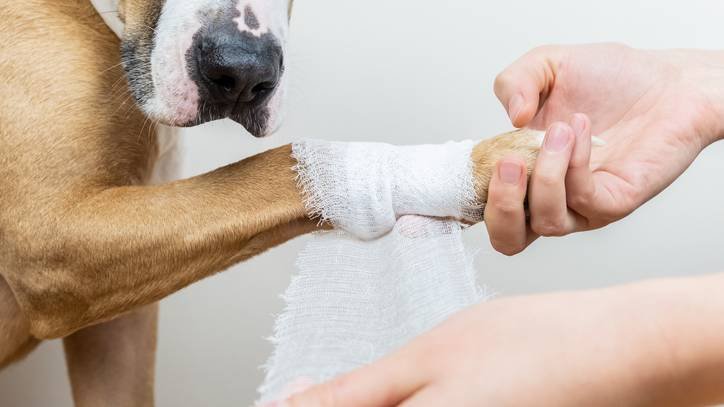
Clean the paws, control moisture, use veterinarian-approved antifungal treatment, and address the underlying cause.
Across the United States, dog owners frequently deal with paw yeast infections caused by allergies, excess moisture, skin irritation, or immune system issues. Yeast overgrowth commonly affects the spaces between the toes and paw pads, leading to itching, redness, odor, and constant licking.
Understanding how to treat yeast on dogs paws starts with identifying the symptoms early and addressing both the infection and the reason it developed. While mild cases may improve with proper hygiene and prescribed topical care, persistent or severe infections require veterinary diagnosis and treatment.
Source: www.pinterest.com
What Is a Yeast Infection on a Dog’s Paw?
A paw yeast infection occurs when naturally occurring yeast organisms multiply beyond normal levels on the skin. The most common culprit is Malassezia yeast, which normally lives on canine skin but can overgrow when conditions become favorable.
Warm, moist environments between the toes create ideal conditions for yeast growth. Dogs with allergies, skin disease, hormonal disorders, or weakened skin barriers are more likely to develop recurring infections.
Source: animalia-life.club
Common location
Between the toes, around nail beds, and on paw pads.
Typical appearance
Red, inflamed skin with brown discoloration from licking.
Common trigger
Moisture combined with allergies or skin irritation.
Dogs Most at Risk
Breeds prone to allergies, dogs that swim frequently, and pets exposed to humid environments often experience more yeast-related skin problems.
Environmental allergies
Can damage the skin barrier and encourage yeast overgrowth.
Signs Your Dog Has a Paw Yeast Infection
Recognizing symptoms early can help prevent the infection from becoming more severe. Many dogs show behavioral signs before the skin changes become obvious.
Excessive licking and chewing are often the first clues. As the condition progresses, the skin may become red, swollen, and uncomfortable.
Source: puainta.com
Persistent licking
Dogs repeatedly lick or chew their feet.
Unpleasant odor
A musty or corn chip-like smell may develop.
Color changes
Brown staining from saliva and darkened skin may appear.
Symptoms That Require Veterinary Attention
Bleeding, open sores, severe swelling, limping, or spreading skin lesions should be evaluated promptly by a veterinarian.
Severe discomfort
Pain or refusal to walk may indicate a more serious problem.
How to Treat Yeast on Dogs Paws Step by Step
Successful treatment combines cleaning, moisture control, medication, and management of underlying causes. Skipping any of these areas can allow the infection to return.
Always follow your veterinarian’s instructions when prescription products are recommended.
Source: lavengel.com
Clean affected paws
Use a veterinarian-recommended cleanser to remove debris and reduce microorganisms.
Dry thoroughly
Moisture trapped between the toes encourages yeast growth.
Apply treatment
Use prescribed antifungal wipes, sprays, creams, or shampoos as directed.
Signs Treatment Is Working
Reduced licking, less redness, improved skin appearance, and decreased odor are common signs of improvement.
Monitor progress
Take weekly photos to compare healing over time.
Common Causes of Recurring Yeast Infections
Treating the infection without addressing the cause often results in repeated flare-ups. Allergies are among the most common reasons yeast returns.
Environmental allergens, food sensitivities, hormonal disorders, obesity, and chronic skin irritation can all contribute to recurring infections.
Source: animalia-life.club
Seasonal allergies
Can trigger inflammation that supports yeast growth.
Wet paws
Frequent exposure to water increases risk.
Skin folds
Trapped moisture promotes microbial overgrowth.
When Allergy Testing May Help
Dogs with year-round itching or repeated infections may benefit from a veterinary allergy evaluation.
Long-term management
Addressing allergies often reduces future infections.
Preventing Future Paw Yeast Problems
Prevention is often easier than treating repeated infections. Consistent paw care helps maintain healthy skin and reduces yeast-friendly conditions.
Inspect your dog’s feet regularly, especially after walks, swimming, or outdoor activities.
Source: animalia-life.club
Dry paws after walks
Remove moisture and debris after outdoor activity.
Maintain grooming
Trim excess fur around the feet when appropriate.
Manage allergies
Follow your veterinarian’s plan for long-term control.
What to Do if Prevention Fails
If symptoms return despite preventive care, schedule a veterinary examination to identify hidden causes or secondary infections.
Seek diagnosis
Recurring infections often require additional investigation.
Frequently Asked Questions
Q
Can a dog paw yeast infection go away on its own?
Mild irritation may improve temporarily, but active yeast infections often persist or worsen without proper treatment and management of underlying causes.
Q
How long does it take to treat yeast on dogs paws?
Many dogs show improvement within one to three weeks, but treatment duration depends on severity and any contributing medical conditions.
Q
Can allergies cause yeast infections on dog paws?
Yes. Allergies commonly damage the skin barrier and create inflammation that allows yeast organisms to multiply more easily.
Q
What does a yeast infection smell like on a dog’s paws?
Many owners notice a musty, sour, or corn chip-like odor that becomes more noticeable as the infection progresses.
Q
When should I take my dog to the veterinarian?
Seek veterinary care if symptoms are severe, recurring, painful, associated with limping, or fail to improve with recommended treatment.
✦ Wrapping Up
Conclusion
Learning how to treat yeast on dogs paws involves more than simply reducing symptoms. Effective treatment requires cleaning, drying, appropriate antifungal therapy, and identifying the underlying cause of the overgrowth.
Dogs that receive prompt treatment and ongoing preventive care often experience fewer recurrences and improved comfort. Persistent or recurring infections should always be evaluated by a veterinarian.
💡 Key Takeaway
Inspect your dog’s paws regularly, keep them clean and dry, and seek veterinary guidance if symptoms persist or repeatedly return.
Learn how to clean dog paws with vinegar safely. Discover the right vinegar mixture, step-by-step cleaning instructions, benefits, risks, and paw care tips for dogs.
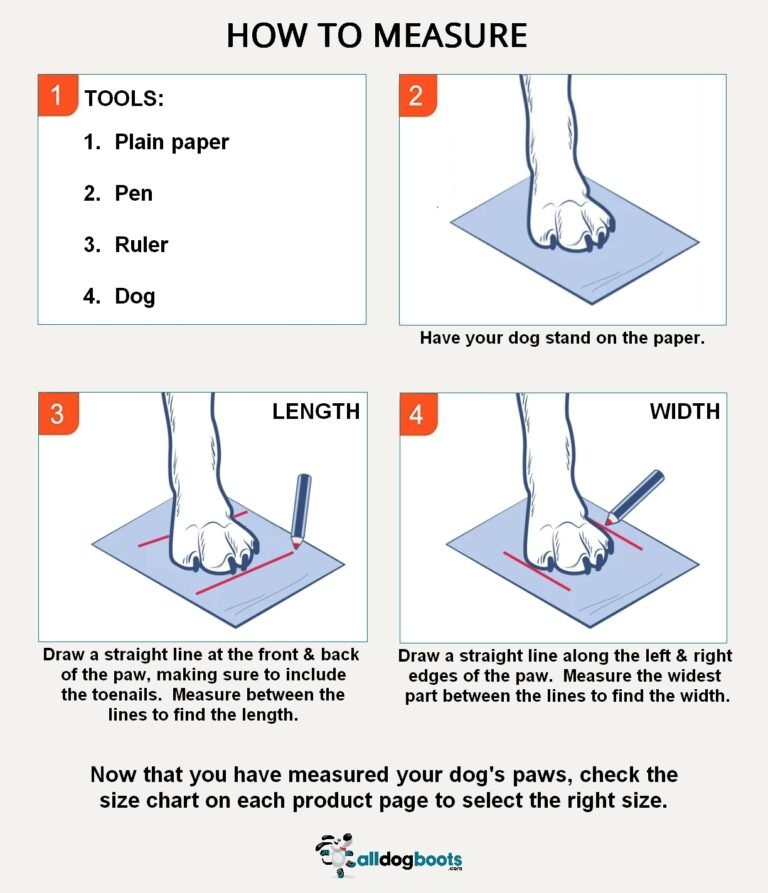
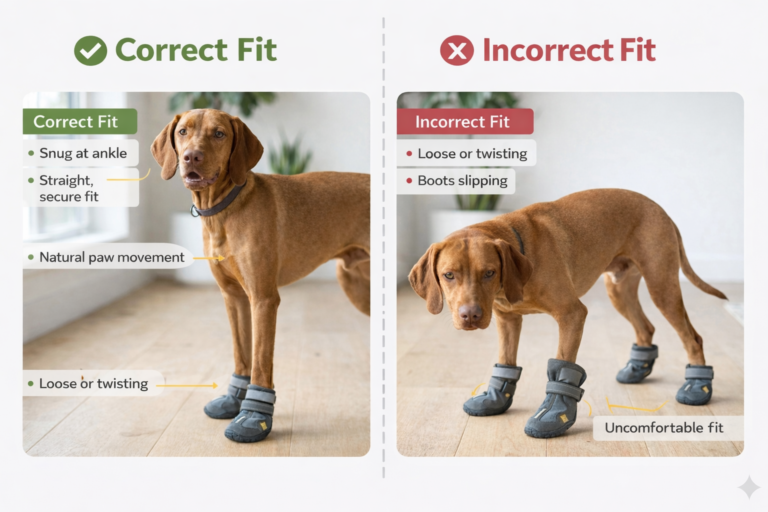
Learn how to measure dog paws for boots accurately using simple household supplies, how to choose the right size, and how to check the fit before walks.