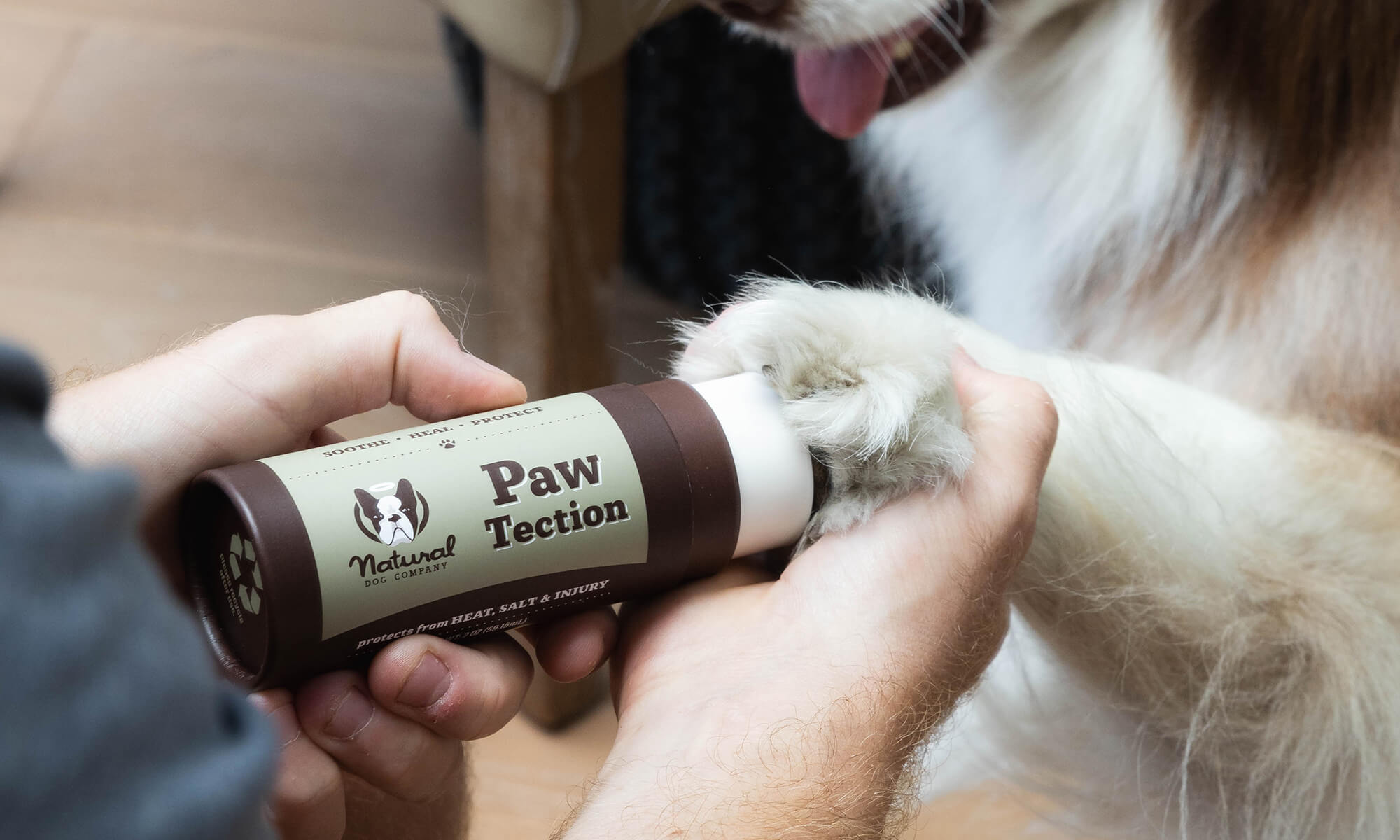
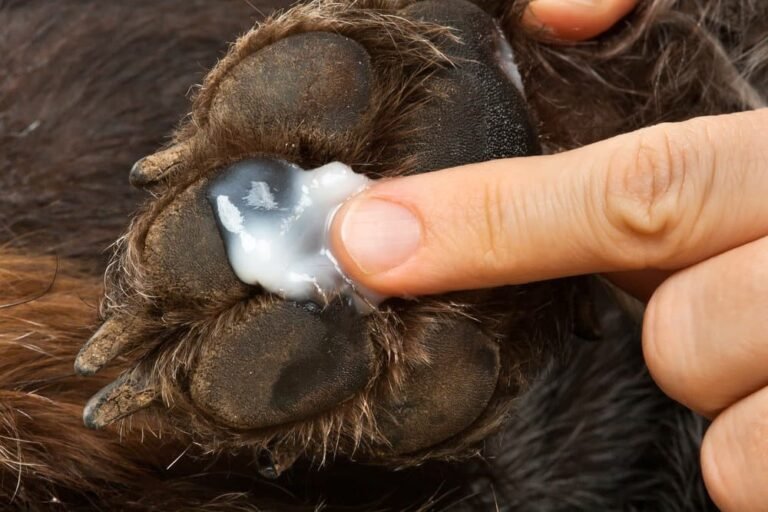
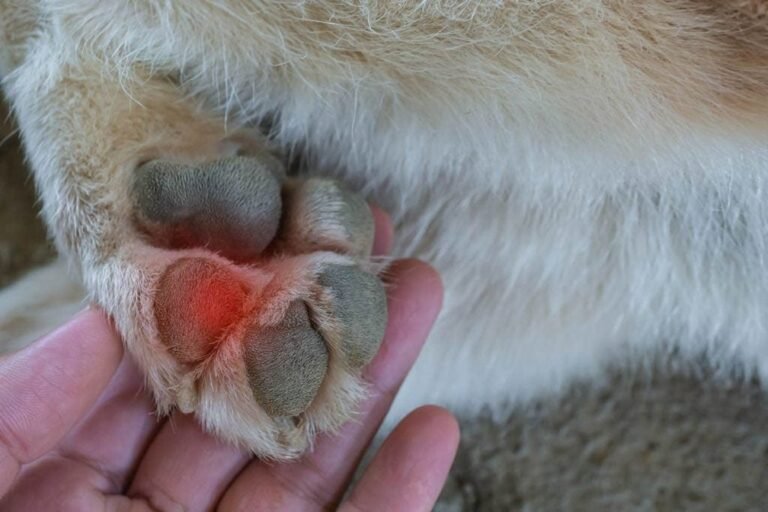
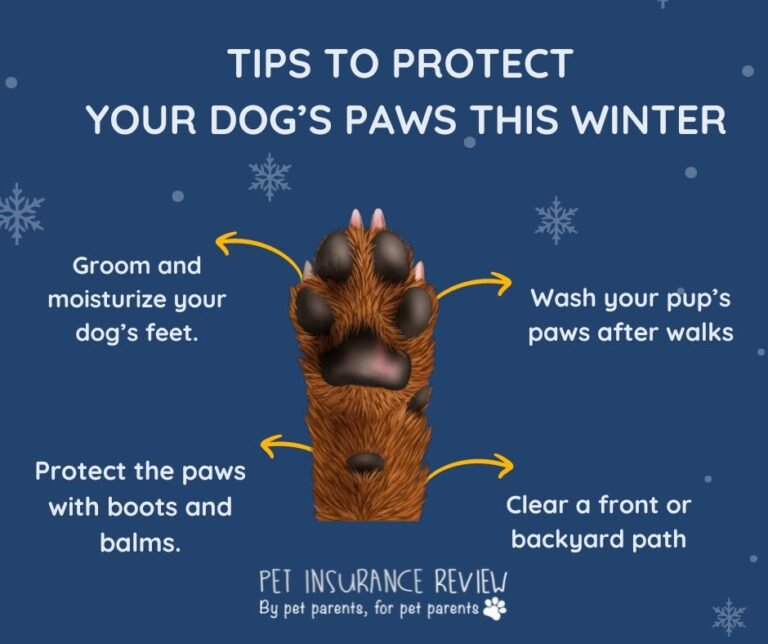
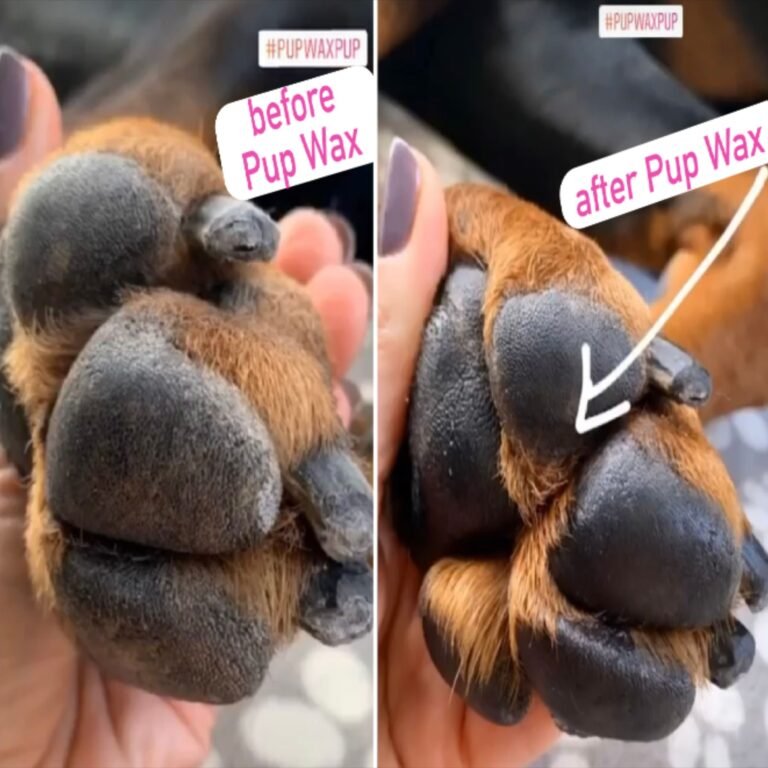
Dog paw medicine is usually made of moisturizers, protective waxes, antiseptics, and healing ingredients designed for canine paw pads.
Across the United States, dogs are exposed to hot pavement, winter salt, rough trails, allergens, and dry weather that can damage their paw pads. Many owners ask what is dog paw medicine made of because different products contain different ingredients for different paw problems.
Dog paw medicines may include natural oils, beeswax, lanolin, petroleum-based protectants, antiseptic compounds, antifungal agents, antibiotics, or anti-inflammatory ingredients. The exact formula depends on whether the product is intended for moisturizing, protection, infection control, or wound healing.
Source: m.media-amazon.com
What Is Dog Paw Medicine Made Of?
The answer to what is dog paw medicine made of depends on the product category. Paw balms focus on hydration and protection, while medicated treatments target infections, inflammation, or wounds.
Most formulas combine ingredients that soothe damaged skin, create a protective barrier, reduce irritation, and support healing. Manufacturers often blend multiple active and inactive ingredients to address several paw issues at once.
Source: 5.imimg.com
Protective ingredients
Beeswax, wax blends, and barrier-forming compounds shield paw pads.
Moisturizing ingredients
Natural oils and emollients help prevent dryness and cracking.
Medical ingredients
Antiseptics, antibiotics, or antifungals may be included for treatment purposes.
Why Ingredient Lists Matter
Understanding ingredients helps owners choose a product that matches the dog’s condition. A moisturizing balm may not help a fungal infection, while a medicated ointment may be unnecessary for simple dryness.
Match treatment to condition
Use the product type designed for the specific paw problem.
Common Ingredients Found in Paw Balms and Ointments
Many dog paw products contain natural moisturizers and protective ingredients. These substances help soften rough pads and reduce moisture loss.
Popular ingredients include beeswax, shea butter, coconut oil, vitamin E, lanolin, and plant-based oils. These ingredients are commonly chosen because they create a protective layer while supporting skin comfort.
Source: images.top5best.com
Beeswax
Forms a barrier against snow, salt, and rough surfaces.
Shea butter
Adds moisture and helps soften dry paw pads.
Vitamin E
Supports skin health and helps reduce dryness.
Natural Versus Synthetic Ingredients
Both natural and synthetic ingredients can be effective. The best choice depends on the dog’s needs, sensitivity level, and the specific paw condition being treated.
Natural oils
Often used for hydration and comfort.
Ingredients Used in Medicated Dog Paw Treatments
When a dog develops an infection or significant irritation, veterinarians may recommend medicated products. These contain active ingredients designed to target specific causes.
Antibiotic ingredients may help with bacterial infections, while antifungal ingredients may be used when yeast or fungal organisms are involved. Some products also contain anti-inflammatory compounds to reduce redness and discomfort.
Source: doggocomfy.com
Antiseptics
Help reduce harmful microorganisms on the skin surface.
Antifungals
Used for fungal or yeast-related paw conditions.
Antibiotics
May be prescribed for bacterial infections.
Veterinary Guidance Is Important
Medicated products should be selected based on an accurate diagnosis. Using the wrong treatment may delay recovery or worsen symptoms.
Professional evaluation
Seek veterinary care for persistent swelling, discharge, or limping.
How Different Ingredients Help Dog Paws
Each ingredient serves a specific purpose. Protective ingredients reduce environmental damage, while moisturizers restore flexibility and comfort.
Healing ingredients support skin repair, and antimicrobial ingredients help manage infections. Together, these components create a comprehensive approach to paw care.
Source: celestialcaremarketing.com
Barrier protection
Protects against ice, salt, heat, and rough terrain.
Hydration support
Maintains healthy moisture levels within the paw pad.
Infection control
Addresses microbial causes of skin problems.
Choosing the Right Formula
Dry, cracked paws usually benefit from moisturizers, while infected paws may require medicated treatment. Identifying the cause is often more important than choosing the strongest product.
Condition-based selection
Choose ingredients that address the underlying problem.
Safety Considerations and Common Mistakes
A common mistake is assuming that human skin products are automatically safe for dogs. Some human medications contain ingredients that may be harmful if licked or ingested.
Owners should read ingredient labels carefully and monitor their dogs after application. Products intended specifically for dogs are generally the safest option.
Source: i.pinimg.com
Avoid unknown ingredients
Use products with clearly identified components.
Prevent excessive licking
Allow products time to absorb whenever possible.
Watch for reactions
Stop use if redness or irritation increases.
When to See a Veterinarian
Seek veterinary attention if your dog has severe swelling, bleeding, limping, persistent licking, or signs of infection that do not improve.
Urgent symptoms
Deep wounds, discharge, or significant pain require professional care.
Ingredient Comparison Table for Dog Paw Medicine
Different ingredients are suited for different goals. Understanding their roles can simplify product selection.
The most effective treatment is usually the one that addresses the underlying cause rather than simply covering symptoms.
Source: naturaldog.com
Beeswax
Protective barrier for environmental exposure.
Coconut oil
Moisturizing support for dry paw pads.
Antifungal agents
Treatment for fungal-related paw conditions.
Practical Decision Guide
For dry paws, look for moisturizing ingredients. For infected paws, consult a veterinarian and use a treatment designed for the diagnosed condition.
Simple rule
Treat the cause, not just the visible symptom.
Frequently Asked Questions
Q
What is dog paw medicine made of most often?
Most dog paw medicines contain a combination of moisturizers, protective waxes, and healing ingredients. Medicated products may also include antiseptic, antifungal, or antibiotic compounds.
Q
Are natural ingredients better for dog paws?
Natural ingredients can be effective for moisturizing and protection. However, infected or medically significant conditions may require prescription treatments that contain pharmaceutical ingredients.
Q
Can I use human ointment on my dog’s paws?
Not all human ointments are safe for dogs. Some contain ingredients that may cause problems if licked or swallowed, so veterinary guidance is recommended.
Q
Do dog paw balms contain medication?
Many paw balms do not contain medication. They are designed primarily to moisturize and protect paw pads rather than treat infections.
Q
How do I know if my dog needs medicated paw treatment?
Signs such as swelling, discharge, persistent licking, foul odor, redness, or limping may indicate a medical issue that requires professional evaluation and treatment.
✦ Wrapping Up
Conclusion
Understanding what is dog paw medicine made of helps owners choose the right product for their dog’s needs. Most products contain protective, moisturizing, or therapeutic ingredients designed to support healthy paw pads.
The best treatment depends on the underlying condition. Dryness, cracking, irritation, and infection each require different ingredients and management approaches.
💡 Key Takeaway
Read ingredient labels carefully, match the product to the paw condition, and consult a veterinarian when symptoms suggest infection or significant injury.
Learn how to treat dog paw infection at home with safe cleaning, wound care, infection monitoring, and prevention tips. Know when veterinary care is necessary.
Learn what burnt dog paws look like, including redness, blisters, peeling, discoloration, and exposed tissue, plus safe first-aid steps and when to see a vet.
Learn what to put on dogs paws in winter to protect against snow, ice, road salt, and dry conditions. Discover safe paw balms, boots, moisturizers, and winter paw care tips.