You can soak a dog’s paws in lukewarm water or a properly prepared saline solution; Epsom salt may help some problems when used appropriately.
For dog owners in the United States, the safest answer to what can I soak my dogs paws in depends on why the paws need soaking. Plain lukewarm water is often enough to remove dirt, road salt, and other surface irritants. A mild saline solution can also be used for gentle cleaning, while an Epsom salt soak may be appropriate for some swollen or irritated paws when your veterinarian agrees it fits the problem.
A paw soak is supportive care, not a cure for every paw problem. Allergies, yeast or bacterial infections, foreign objects, burns, puncture wounds, interdigital cysts, and other conditions can all cause licking, redness, swelling, or pain. If your dog is limping, has an open or deep wound, has significant swelling, or seems very painful, contact a veterinarian instead of relying on a home soak.
Source: animalia-life.club
What Can I Soak My Dog’s Paws In?
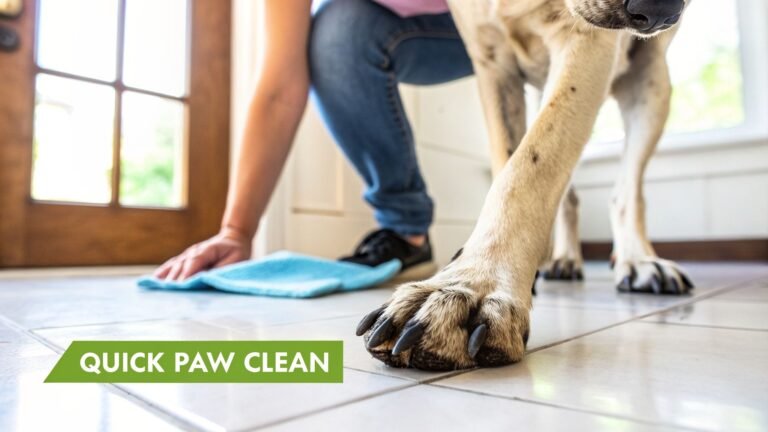
The best answer to what can I soak my dogs paws in is usually lukewarm water for routine cleaning. Water can remove dirt, mud, sand, road salt, and other substances without adding another chemical that might irritate the skin.
For minor skin irritation or a small superficial wound, a properly diluted saline solution can also be useful. For certain swollen or inflamed paws, veterinarians may recommend an Epsom salt soak. The right choice depends on the condition rather than the soak alone.
If you are unsure what can I soak my dogs paws in because your dog has a persistent problem, do not assume that a stronger solution will work better. Paw licking and inflammation can result from allergies, infection, injury, parasites, or contact with an irritant. Treating the underlying cause is more important than repeatedly soaking the paw.
Source: storage.googleapis.com
Lukewarm water
Best for routine cleaning, removing surface irritants, and gently loosening dirt or salt.
Mild saline
Useful for gentle cleaning of minor superficial wounds or irritated areas when appropriate.
Epsom salt solution
May be recommended for some swollen or inflamed paws, but concentration and frequency should be appropriate for the dog’s condition.
Veterinary antiseptic solution
Products containing ingredients such as chlorhexidine may be prescribed or recommended for specific infections, but they should be used according to veterinary directions.
Is Plain Water Enough?
Yes. Plain lukewarm water is often the best first choice when your dog’s paws are simply dirty or exposed to a mild irritant. It can also help loosen snow, ice, or residue from outdoor surfaces.
Use comfortably lukewarm water rather than very hot or very cold water. Afterward, rinse away loosened debris and dry the paw thoroughly, paying particular attention to the spaces between the toes.
Very hot water, very cold water, or vigorous scrubbing of painful skin.
Can I Soak My Dog’s Paws in Epsom Salt?
Epsom salt, or magnesium sulfate, is sometimes used in dog paw soaks for swelling and inflammation. Veterinary sources describe Epsom salt soaks as a possible supportive treatment for some affected paws, including certain cases involving superficial inflammation or infection.
However, an Epsom salt soak is not appropriate for every paw problem. A painful burn, deep cut, puncture wound, embedded object, severe infection, or unexplained swelling needs veterinary assessment. Soaking may provide temporary comfort without addressing the actual cause.
If your veterinarian recommends an Epsom salt soak, follow the concentration and soaking time they provide. Do not assume that a stronger mixture will produce a better result. Your dog should also be prevented from drinking the soaking water.
Source: artofit.org
Possible benefit
An appropriately prepared soak may help clean and soothe some inflamed or swollen paws.
Important limitation
Epsom salt does not diagnose or eliminate the underlying cause of allergies, infections, foreign bodies, or significant injuries.
Use veterinary guidance
Ask your veterinarian about the concentration, duration, and frequency when the paw is painful, swollen, infected, or wounded.
How Much Epsom Salt Should I Use?
There is not one concentration that is appropriate for every paw problem. Veterinary guidance varies with the reason for treatment and whether the skin is intact or wounded. Published veterinary guidance includes different concentrations for different situations, so copying a generic recipe may not be appropriate for your dog.
For that reason, if you are asking what can I soak my dogs paws in because the paw is swollen, red, infected, or injured, ask your veterinarian for the correct Epsom salt concentration rather than choosing a stronger mixture yourself.
Do not guess for a serious problem
Significant swelling, open wounds, discharge, severe redness, or persistent pain should be evaluated by a veterinarian.
Prevent drinking
Keep your dog from drinking the soak water and rinse the paw if your veterinarian instructs you to do so.
Dry afterward
Gently dry between the toes and around the pads to avoid leaving the skin wet.
Can I Use Salt Water for a Dog’s Paws?
Yes, a properly diluted saline solution can be used for gentle cleaning of minor superficial wounds and irritated skin. Veterinary wound-care guidance commonly uses dilute salt water because it can clean an area without relying on harsh disinfectants.
For minor wound cleaning, one veterinary source describes a saline mixture made with 1 teaspoon of table salt in 2 cups of water. The solution should be prepared cleanly, allowed to reach a comfortable temperature, and used gently rather than rubbed into the wound.
Saline is different from making a highly concentrated salt bath. More salt is not necessarily better. A strong solution can be irritating, particularly when the skin is already inflamed or damaged.
Source: storage.googleapis.com
Use a mild solution
Follow a veterinary-recommended dilution instead of adding salt by guesswork.
Clean gently
Flush or soak the affected area without aggressive scrubbing.
Pat dry
Dry the paw gently after cleaning so moisture does not remain trapped between the toes.
When Is Saline Better Than Epsom Salt?
Saline is generally the simpler choice when the main goal is gentle cleaning. Epsom salt may be selected for certain inflammatory or swollen conditions, but it should not replace an examination when the cause is unclear.
If a dog has a small superficial scrape and otherwise feels normal, gentle cleaning may be reasonable. If the paw is deeply wounded, badly swollen, producing pus, or causing substantial lameness, home soaking should not delay veterinary care.
Saline
Primarily useful for gentle cleaning of minor superficial wounds and irritated skin.
Epsom salt
May be recommended as supportive care for selected swollen or inflamed paw conditions.
How to Soak Your Dog’s Paws Safely
Once you know what can I soak my dogs paws in for the specific problem, the soaking process should remain simple. The goal is to clean or soothe the paw without causing additional irritation.
Use a clean, shallow container that comfortably fits the affected paw. Prepare the solution according to veterinary guidance, and make sure the water feels comfortably lukewarm before placing your dog’s paw in it.
Do not force a frightened or painful dog to keep a paw submerged. A dog that is hurting may bite even if normally gentle. If your dog resists strongly, stop and contact your veterinarian for a safer approach.
Source: animalia-life.club
1. Inspect the paw
Look between the toes, around the pads, and near the nails for debris, cuts, swelling, discoloration, or other abnormalities.
2. Prepare the solution
Use lukewarm water, saline, or a veterinarian-recommended solution at the appropriate dilution.
3. Soak gently
Place the affected paw in the solution for the time recommended for the specific problem.
4. Rinse when appropriate
If the product or your veterinarian calls for rinsing, use clean lukewarm water afterward.
5. Dry thoroughly
Pat the paw dry and carefully dry between the toes.
6. Monitor your dog
Watch for worsening redness, swelling, pain, licking, discharge, or limping after the soak.
What Should a Healthy Paw Look Like After a Soak?
After routine cleaning, the paw should be free of visible dirt and residue and should not become more irritated. Mild temporary moisture is expected, but the paw should be dried afterward.
A paw that becomes increasingly red, swollen, painful, or moist between the toes needs closer attention. A soak should not make the condition progressively worse.
Good sign
The paw looks clean and your dog remains comfortable after drying.
Concerning sign
Your dog continues to limp, lick intensely, cry, or develop increasing redness or swelling.
What Should You Not Soak a Dog’s Paws In?
Knowing what can I soak my dogs paws in also means knowing what to avoid. Household products that are safe for some human uses can irritate a dog’s skin or become dangerous when the dog licks the paws.
Veterinary wound-care guidance advises against using products such as rubbing alcohol, hydrogen peroxide, harsh soaps, and essential oils on open wounds unless a veterinarian specifically instructs you to use them. Some substances can damage tissue or delay healing.
Herbal mixtures are also not automatically safe because they are natural. Dogs can lick residue from their paws, and some botanical ingredients can cause irritation or toxicity. Use a veterinary-recommended product when an antiseptic treatment is actually needed.
Source: www.pinterest.com
Hydrogen peroxide
Do not routinely use it on paw wounds unless specifically directed by a veterinarian because it can damage healthy tissue.
Rubbing alcohol
Avoid using it on irritated or wounded paw tissue because it can cause significant irritation.
Tea tree oil and essential oils
Do not add essential oils to a paw soak without veterinary guidance because natural products can still be harmful to dogs.
Harsh soaps
Strong detergents and human cleaning products can irritate damaged paw skin.
Undiluted antiseptics
Concentrated chlorhexidine or iodine solutions can irritate tissue and should be diluted and used according to veterinary instructions.
Why More Ingredients Are Not Better
A complicated paw soak can introduce more potential irritants without addressing the reason your dog is licking or limping. For simple cleaning, plain lukewarm water is often enough.
When an infection or skin disease is suspected, the treatment should match the diagnosis. A veterinarian may recommend an antiseptic such as chlorhexidine, an antifungal treatment, allergy management, or another therapy instead of a homemade mixture.
Simple cleaning
Start with clean lukewarm water when there is no medical reason to use another solution.
Medical problem
Use veterinary-directed treatment when the paw is infected, repeatedly inflamed, or significantly injured.
When Should You Not Treat a Paw With a Home Soak?
A home soak is not enough for every paw problem. If your dog has a deep wound, severe burn, significant swelling, uncontrolled bleeding, a puncture wound, a foreign object embedded in the paw, or substantial pain, veterinary care is more appropriate.
Burns deserve particular caution. Paw pad burns can become infected, and severe burns can damage deeper tissue. If a paw pad is discolored, blistered, severely damaged, or has exposed tissue, contact a veterinarian rather than relying on a soak.
Persistent licking also deserves attention. Allergies, yeast overgrowth, bacterial infections, parasites, pain, and foreign material can all contribute to chronic paw irritation. A soak may temporarily clean the paw without stopping the cycle.
Source: animalia-life.club
Severe pain or limping
Contact a veterinarian when your dog is unwilling to bear weight or appears significantly painful.
Deep or open wounds
Deep cuts, punctures, bites, or wounds that continue bleeding require professional assessment.
Possible infection
Redness with heat, swelling, pus, foul odor, or worsening discomfort can indicate infection.
Burns
Hot pavement, chemicals, and other sources can cause burns that require veterinary treatment.
Foreign objects
Glass, thorns, metal, or other embedded material may need veterinary removal.
Recurring symptoms
Repeated licking or inflammation suggests an underlying problem that should be diagnosed rather than repeatedly soaked.
What If the Paw Gets Worse After Soaking?
Stop the soak if your dog develops increased redness, swelling, discomfort, or another reaction after treatment. Gently dry the paw and contact your veterinarian for advice, particularly if the symptoms are significant.
Do not respond by making the solution stronger or adding another ingredient. A worsening paw may need a different treatment or a physical examination to identify the underlying cause.
Mild change
Stop the new product and monitor the paw while contacting your veterinarian for guidance.
Severe reaction
Seek prompt veterinary care if there is substantial swelling, severe pain, breathing difficulty, facial swelling, or another serious reaction.
How to Choose the Right Paw Soak for Common Problems
The most useful way to decide what can I soak my dogs paws in is to match the soak to the reason for cleaning. A dog that walked through road salt does not need the same treatment as a dog with a suspected infection.
For ordinary dirt or outdoor residue, lukewarm water is generally the simplest choice. For a minor superficial wound, a properly diluted saline solution may be appropriate. For certain inflammatory or swollen conditions, a veterinarian may recommend an Epsom salt soak or another treatment.
This distinction prevents a common mistake: using an increasingly strong home remedy when the real problem requires diagnosis. If symptoms persist after simple cleaning, the next step should usually be veterinary advice rather than a stronger soak.
Source: animalia-life.club
Dirty paws
Use lukewarm water and gently remove debris before drying the paw.
Road salt or outdoor residue
Rinse paws thoroughly with clean water and dry between the toes.
Minor superficial irritation
Gentle cleaning with water or properly diluted saline may be appropriate.
Swollen or inflamed paw
Ask your veterinarian whether an Epsom salt soak is suitable and what concentration to use.
Suspected infection
A veterinarian may recommend a targeted antiseptic or medication after evaluating the cause.
Burn or serious injury
Do not rely on a home soak; contact a veterinarian for treatment instructions.
A Simple Decision Guide
If the paw is dirty but otherwise normal, start with lukewarm water. If there is a minor superficial wound, ask whether saline cleaning is appropriate. If the paw is swollen, painful, repeatedly inflamed, or producing discharge, seek veterinary guidance before choosing a soak.
The goal is not to find the strongest solution. The goal is to use the least irritating approach that fits the problem while recognizing when home care is no longer enough.
Clean and comfortable
Lukewarm water is usually sufficient.
Minor superficial wound
A properly diluted saline solution may be useful for gentle cleaning.
Inflamed or swollen
Ask your veterinarian whether an Epsom salt soak is appropriate.
Painful, infected, or badly injured
Seek veterinary assessment rather than relying on home soaking.
Frequently Asked Questions
Q
What can I soak my dog’s paws in for itching?
For mild itching caused by surface allergens or dirt, a gentle rinse with lukewarm water can remove irritants. Epsom salt soaks may sometimes help, but persistent itching can be caused by allergies, yeast, bacteria, parasites, or other conditions that need veterinary evaluation.
Q
Can I soak my dog’s paws in warm water?
Yes. Warm or lukewarm water is one of the safest options for routine paw cleaning and can help remove dirt, salt, and other surface contaminants. Avoid very hot water and dry the paws thoroughly afterward.
Q
Can I soak my dog’s paws in Epsom salt?
Epsom salt can be used for some dog paw problems when properly prepared and when it is appropriate for the condition. Because concentrations and treatment plans vary, ask your veterinarian for specific instructions if the paw is swollen, infected, wounded, or painful.
Q
Can I use salt water to clean my dog’s paws?
A properly diluted saline solution can be used for gentle cleaning of some minor superficial wounds and irritated areas. Avoid making the solution highly concentrated, and seek veterinary care for deep wounds, significant swelling, discharge, or severe pain.
Q
How long should I soak my dog’s paw?
The appropriate soaking time depends on the solution and the reason for treatment. Follow your veterinarian’s instructions for medicated or Epsom salt soaks, and do not extend the soaking time simply because the paw has not improved.
Q
Can I use hydrogen peroxide in a dog paw soak?
Hydrogen peroxide should not be routinely used on dog wounds or irritated paws unless a veterinarian specifically directs you to use it. It can damage healthy tissue and may interfere with healing.
Q
Should I rinse my dog’s paws after an Epsom salt soak?
Follow the instructions provided by your veterinarian or the specific veterinary product being used. Regardless of the solution, dry the paw carefully after treatment and prevent your dog from drinking the soak water.
✦ Wrapping Up
Conclusion
The safest answer to what can I soak my dogs paws in is usually lukewarm water for routine cleaning, with properly diluted saline or veterinarian-guided Epsom salt used for appropriate situations. The correct option depends on whether the paw is simply dirty, mildly irritated, swollen, wounded, or affected by an underlying medical condition.
Avoid harsh household chemicals, concentrated solutions, and unverified herbal mixtures. If your dog’s paw is very painful, swollen, burned, bleeding, infected, or repeatedly irritated, a veterinary examination is more useful than trying progressively stronger home soaks.
💡 Key Takeaway
Start with clean lukewarm water for routine paw cleaning, use saline or Epsom salt only when appropriate for the specific problem, dry the paw thoroughly, and contact your veterinarian when symptoms are painful, severe, persistent, or worsening.
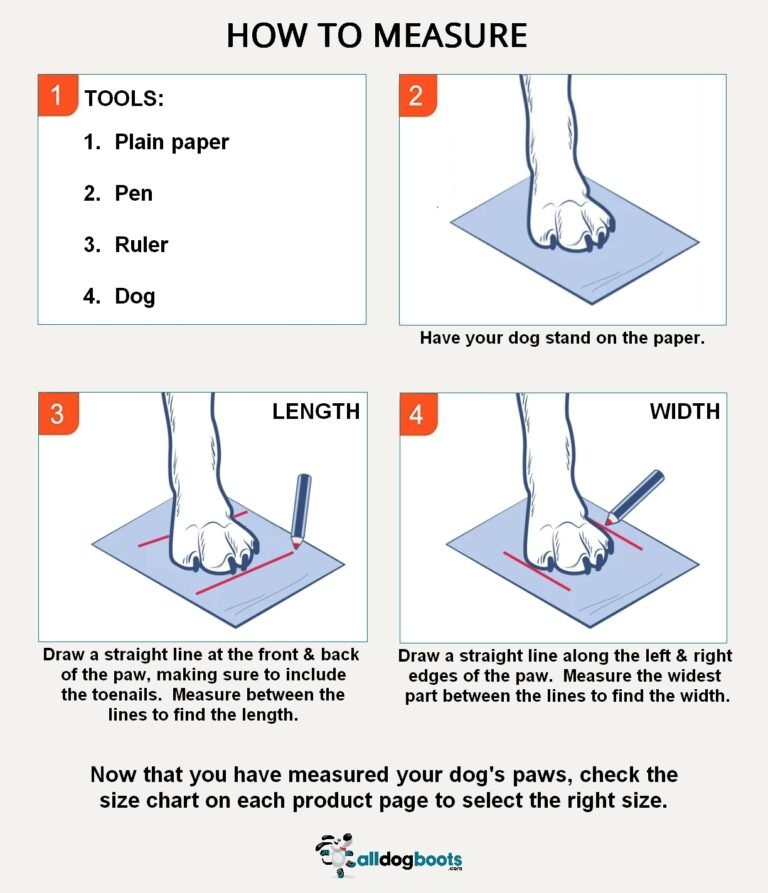
Learn how to measure dog paws for boots accurately using simple household supplies, how to choose the right size, and how to check the fit before walks.
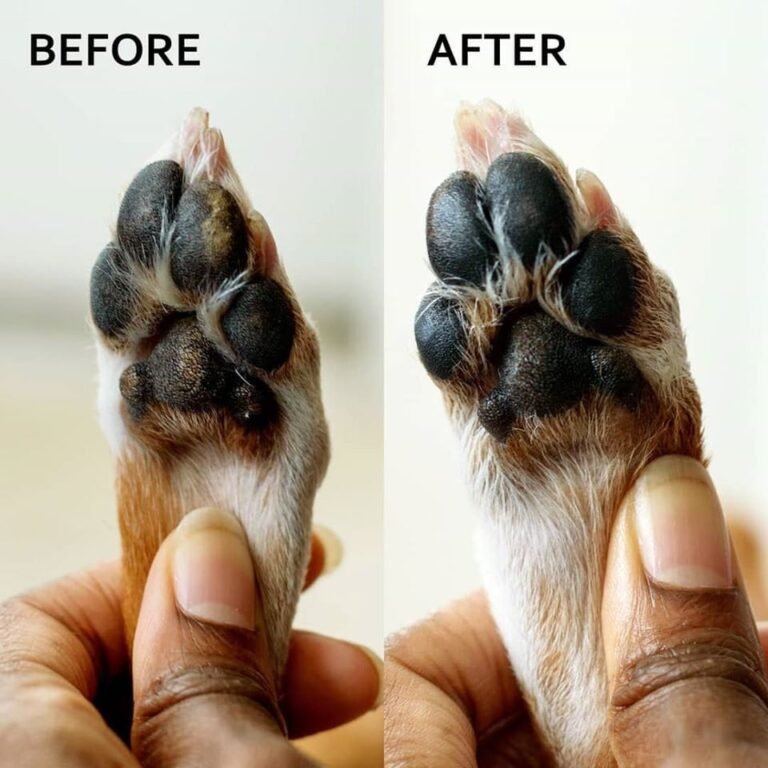
Learn how often to moisturize dog paws, when dogs need paw balm, signs of dry paw pads, and how to create a safe paw care routine for year-round protection.
Learn how to clean white dog paws safely and effectively. Remove dirt, grass stains, mud, and discoloration while keeping your dog’s paws healthy and bright.
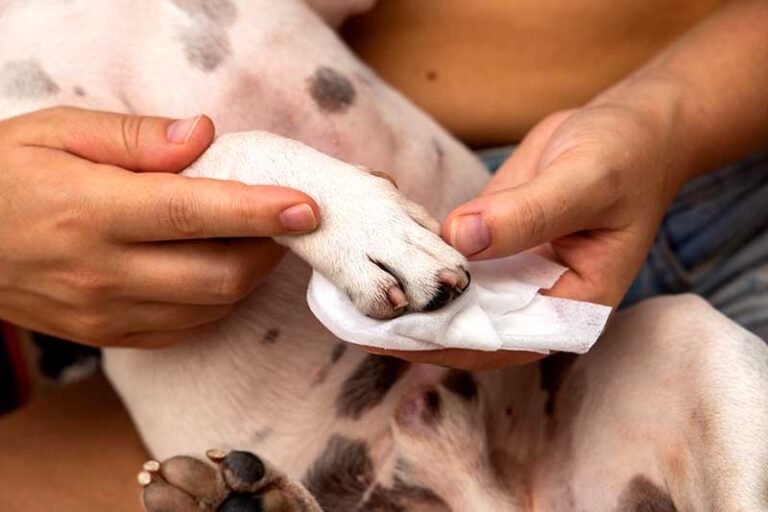
Learn how to clean dog paws after walk safely and effectively. Follow simple steps to remove dirt, mud, salt, allergens, and debris while protecting your dog’s paw health.
Learn how to stop my dog from chewing his paws with practical steps, common causes, home care tips, and guidance on when veterinary treatment is needed.