Yes, a dog can sprain their paw when ligaments in the foot or toes are stretched or torn.
In the United States, active dogs frequently experience paw and foot injuries while running on trails, playing in parks, jumping from furniture, or participating in sports. A paw sprain occurs when the ligaments that stabilize the joints of the paw become overstretched or damaged.
Many owners notice limping, swelling, or reluctance to bear weight and wonder whether the injury is a sprain, fracture, cut, or another condition. Understanding the signs and treatment options can help you respond appropriately and know when veterinary care is necessary.
Source: dog-health-handbook.com
What Is a Dog Paw Sprain?
A paw sprain is an injury to the ligaments that support the joints of the paw or toes. Ligaments connect bones to bones and help keep joints stable during movement.
When a dog twists a foot, lands awkwardly, or overextends a joint, the ligament fibers may stretch beyond their normal limits. Mild sprains involve small tears, while severe sprains can include significant ligament damage.
Source: storage.googleapis.com
Mild sprain
Ligaments are stretched with minimal tearing.
Moderate sprain
Partial ligament tears create pain and instability.
Severe sprain
Major tearing may require extensive treatment and recovery.
Why Paw Sprains Matter
Ligaments help maintain normal joint alignment. Damage can affect mobility, comfort, and long-term joint function if not managed properly.
Mobility
Pain may cause limping and reduced activity.
Common Causes of Paw Sprains in Dogs
Dogs can sprain their paws during everyday activities or intense exercise. Sudden twisting forces are among the most common causes.
Working dogs, athletic dogs, puppies, and highly active breeds may face a greater risk because of frequent running, jumping, and rapid direction changes.
Source: animalia-life.club
Rough play
Fast turns and collisions can stress paw ligaments.
Uneven terrain
Holes, rocks, and slippery surfaces increase injury risk.
Jumping
Awkward landings can overload joints and ligaments.
Activities Linked to Paw Injuries
Hiking, agility training, chasing balls, and jumping from vehicles can place significant strain on the feet and toes.
High-impact movement
Repeated stress may contribute to ligament injuries.
Signs That Your Dog May Have a Sprained Paw
Limping is often the first sign owners notice. Some dogs may continue walking but shift weight away from the injured paw.
The severity of symptoms varies depending on how much ligament damage has occurred and whether additional injuries are present.
Source: www.dogster.com
Limping
The dog avoids normal weight-bearing.
Swelling
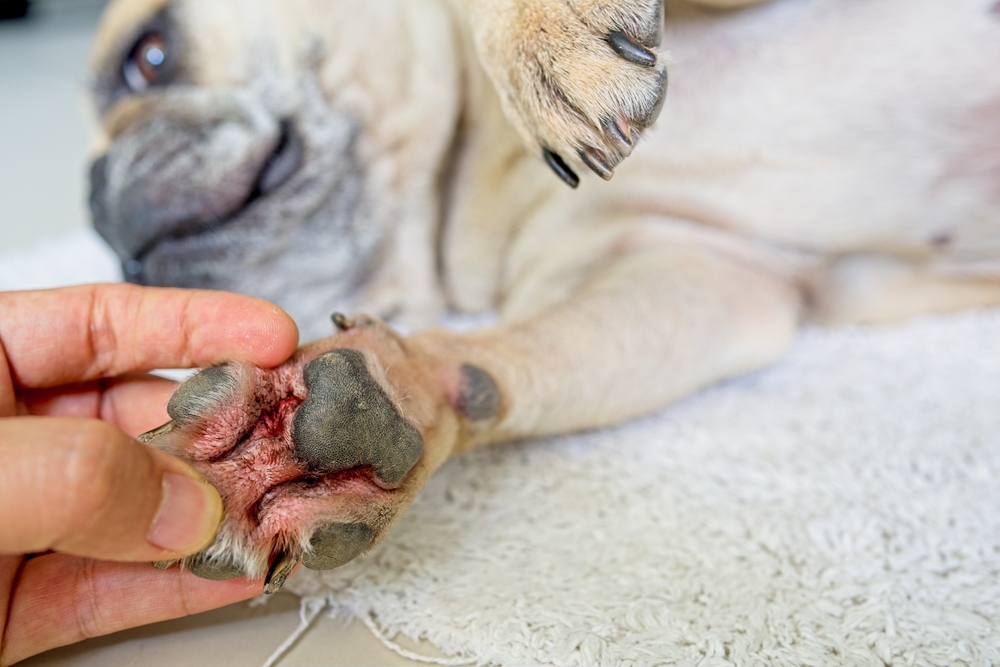
The paw or toe area may appear enlarged.
Pain
The dog may react when the paw is touched.
Reduced activity
Walking, running, and playing become less appealing.
When Symptoms May Indicate Something More Serious
Severe pain, obvious deformity, or inability to bear weight may indicate a fracture, dislocation, or other significant injury requiring prompt veterinary assessment.
Emergency signs
Seek veterinary care if severe symptoms are present.
How Veterinarians Diagnose a Paw Sprain
Veterinarians begin with a physical examination and review of the dog’s recent activity and symptoms. They evaluate the paw, toes, joints, and range of motion.
Imaging may be recommended to rule out fractures, dislocations, or other injuries that can resemble a sprain.
Source: YouTube > Ontario SPCA and Humane Society
Physical examination
Identifies swelling, pain, and instability.
X-rays
Help exclude broken bones and other structural issues.
Why Diagnosis Matters
Different injuries require different treatments. Assuming an injury is only a sprain may delay appropriate care if a fracture or severe ligament injury is present.
Accurate treatment
Correct diagnosis improves recovery outcomes.
Treatment and Recovery for a Sprained Dog Paw
Most mild to moderate sprains improve with rest, activity restriction, and veterinary guidance. Recovery depends on the severity of the injury and the dog’s overall health.
Owners should avoid intense exercise until the dog can move comfortably and the veterinarian confirms that activity can gradually resume.
Source: storage.googleapis.com
Rest
Limits further damage and supports healing.
Controlled exercise
Gradual return to activity reduces reinjury risk.
Follow-up care
Veterinary monitoring may be needed for severe injuries.
Typical Recovery Expectations
Minor sprains may improve within a few weeks, while more significant ligament injuries can require a longer recovery period. Persistent limping should always be re-evaluated.
Patience
Healing times vary between dogs and injury types.
Frequently Asked Questions
Q
Can a dog walk on a sprained paw?
Many dogs can still walk on a sprained paw, especially if the injury is mild. However, walking does not mean the injury is minor, and activity may worsen the damage.
Q
How can I tell if my dog has a sprain or a broken bone?
Both injuries can cause limping and pain. A veterinary examination and imaging are often necessary to distinguish between them accurately.
Q
Should I wrap a dog’s sprained paw at home?
Improper bandaging can create additional problems. Follow veterinary instructions before applying wraps or supportive bandages.
Q
How long does a dog paw sprain take to heal?
Recovery can range from a few weeks for mild injuries to several weeks or longer for severe ligament damage. Healing depends on the injury and treatment plan.
Q
When should I take my dog to the veterinarian?
Seek veterinary care if limping is severe, swelling is significant, pain persists, or your dog cannot bear weight on the affected paw.
✦ Wrapping Up
Conclusion
Yes, can a dog sprain their paw is a valid and common concern because dogs can injure the ligaments that support their paw and toe joints. Sprains often result from twisting injuries, rough play, jumping, or uneven terrain.
Prompt evaluation, appropriate rest, and professional guidance help prevent complications and support a smoother recovery.
💡 Key Takeaway
If your dog develops a sudden limp, swelling, or paw pain, limit activity and arrange a veterinary evaluation to confirm the cause and appropriate treatment.
Learn whether dogs’ front paws are bigger than their back paws, why this difference exists, how anatomy affects movement, and when paw size differences may signal a problem.
Learn how to treat pododermatitis dog paw problems with step-by-step care, treatment options, home management, prevention tips, and signs that require veterinary attention.
Learn how to moisturize dog paws safely with paw balms, natural moisturizers, and daily care tips. Discover how to prevent dry, cracked paw pads and keep your dog’s feet healthy.
Learn how to use a dog paw cleaner safely and effectively. Follow simple steps for washing muddy paws, drying them, cleaning the device, and avoiding common mistakes.
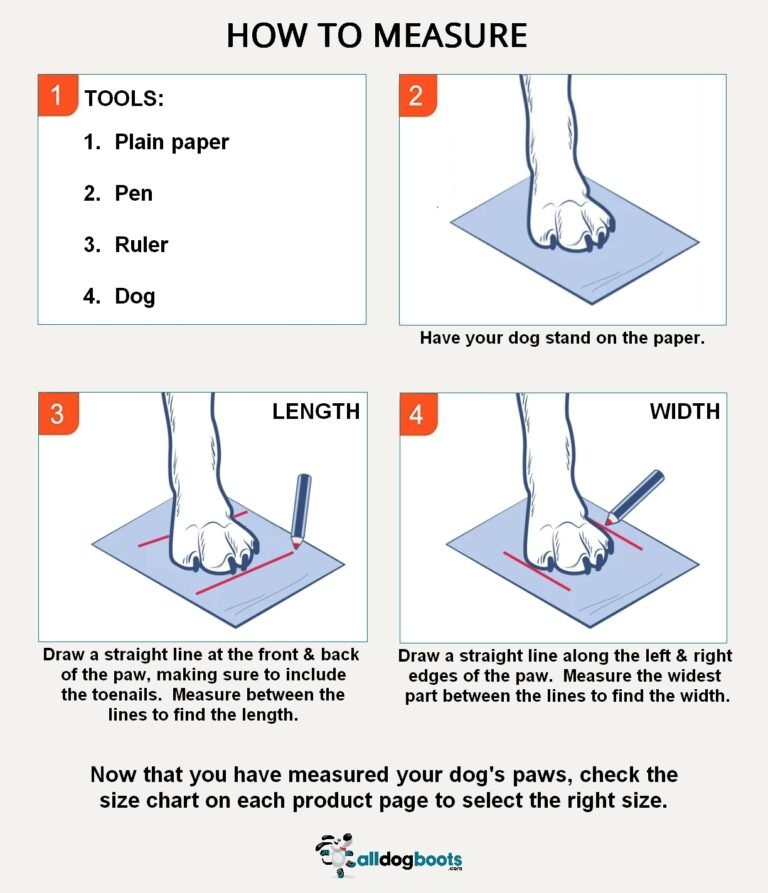
Learn how to measure dog paws for boots accurately using simple household supplies, how to choose the right size, and how to check the fit before walks.