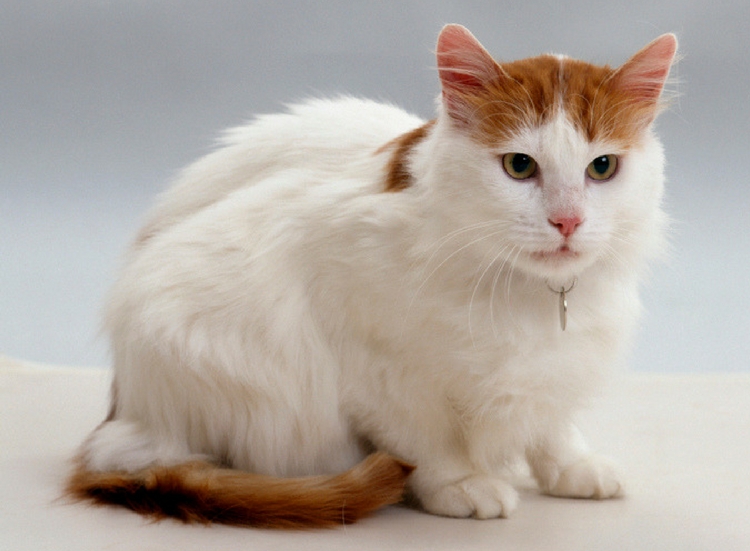
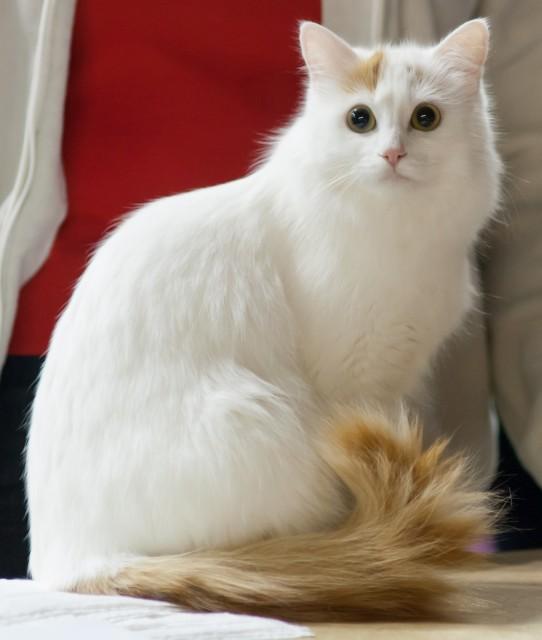
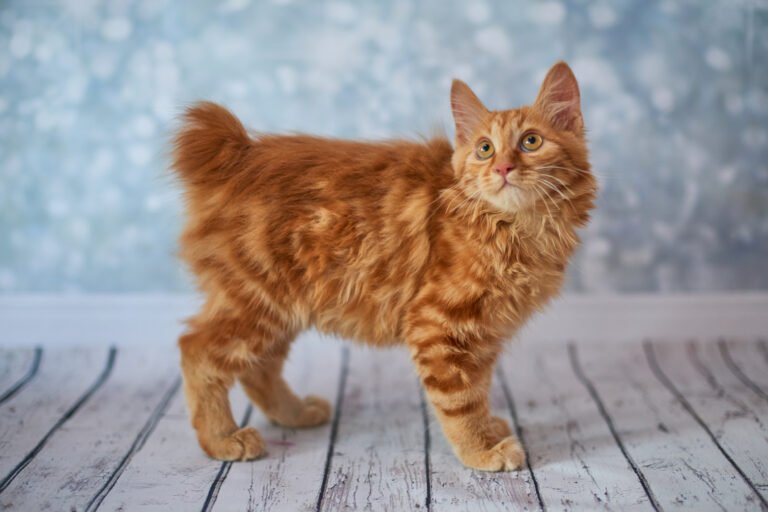
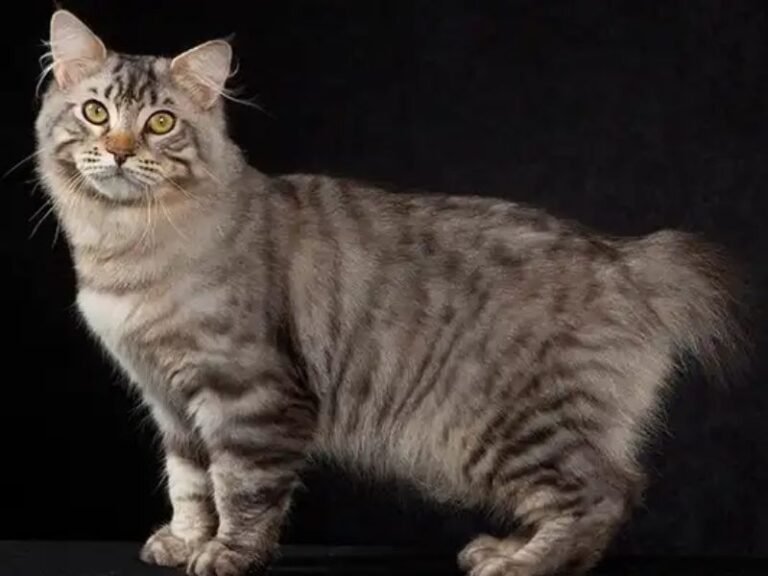
Turkish Van kittens typically cost between $800 and $2,500 in the United States, depending on breeder reputation, pedigree, location, and kitten quality.
In the United States, Turkish Van kittens are considered a rare purebred cat option. Because relatively few breeders specialize in this breed, prices are often higher than those of more common cats. Most pet-quality kittens fall within the $800 to $2,500 range, while show-quality kittens from established breeding programs may cost even more.
Anyone researching how much are Turkish Van kittens should look beyond the initial purchase price. Veterinary care, vaccinations, food, grooming supplies, insurance, and other lifetime expenses can significantly increase the total cost of ownership. Understanding these costs helps buyers make an informed decision before bringing home a kitten.
Source: Bing
How Much Are Turkish Van Kittens in the United States?
The average Turkish Van kitten sold by a reputable US breeder generally costs between $800 and $2,500. The exact amount depends on the kitten’s pedigree, breeding quality, registration status, and geographic location.
Because Turkish Vans are relatively rare compared to breeds such as Maine Coons or Ragdolls, supply is limited. This rarity often increases prices and may require buyers to join breeder waiting lists.
Source: Bing
Pet Quality
Typically costs between $800 and $1,800.
Breeding Quality
Often ranges from $1,500 to $3,000 or more.
Show Quality
May exceed $3,000 depending on pedigree and achievements.
Why Turkish Van Kittens Cost More Than Many Cats
Turkish Vans are less common than many domestic and purebred cats. Responsible breeders invest heavily in health testing, veterinary care, registration fees, socialization, and proper nutrition, all of which contribute to the final kitten price.
Limited Availability
Fewer breeders produce Turkish Van litters each year.
Health Programs
Quality breeders screen breeding cats and provide veterinary care.
Factors That Affect Turkish Van Kitten Prices
Several factors influence the amount a buyer will pay for a Turkish Van kitten. Understanding these variables helps explain why prices can vary significantly between breeders.
A kitten from champion bloodlines with extensive health records will usually cost more than a pet-quality kitten intended solely as a companion.
Source: Bing
Pedigree
Champion bloodlines typically increase value.
Breeder Reputation
Experienced breeders often charge higher prices.
Location
Prices vary by state and regional demand.
Registration and Documentation
Registered kittens with documented pedigrees generally cost more than unregistered cats. Buyers often receive health records, registration paperwork, and breeder support.
Registration Papers
Can increase buyer confidence and value.
Adoption Costs vs Breeder Costs
Adopting a Turkish Van is usually less expensive than purchasing from a breeder. Shelter or rescue adoption fees often range from $50 to $300.
However, finding a purebred Turkish Van through a rescue organization can be challenging because the breed is relatively uncommon.
Source: Bing
Shelter Adoption
Usually the most affordable option.
Breed-Specific Rescue
May occasionally have Turkish Van cats available.
Professional Breeder
Provides predictable pedigree and health history.
Which Option Is Best?
Buyers seeking a documented pedigree and known lineage often prefer reputable breeders. Those focused on providing a home for a cat in need may choose adoption when available.
Breeder Advantage
Predictable breed characteristics and documentation.
Additional Costs of Owning a Turkish Van Kitten
The purchase price is only part of the total investment. New owners should budget for ongoing care and supplies throughout the kitten’s life.
First-year expenses often include vaccinations, veterinary exams, litter boxes, scratching posts, food, toys, and emergency savings.
Source: Bing
Veterinary Care
Routine visits and vaccinations can cost several hundred dollars annually.
Food
Premium nutrition supports long-term health.
Insurance
May help offset unexpected medical expenses.
Estimated First-Year Budget
Many owners spend between $1,000 and $3,000 or more during the first year after bringing home a kitten. Costs vary according to location, veterinary needs, and product choices.
Starter Supplies
Include litter boxes, carriers, beds, and scratching posts.
How to Find a Reputable Turkish Van Breeder
Choosing a responsible breeder is one of the most important steps when purchasing a Turkish Van kitten. A reputable breeder prioritizes health, temperament, and ethical breeding practices.
Avoid sellers who cannot provide health records, pedigree information, or answers about the kitten’s upbringing.
Source: Bing
Request Health Records
Ask for vaccination and veterinary documentation.
Review Contracts
Read purchase agreements carefully.
Ask Questions
Discuss socialization, diet, and health guarantees.
Warning Signs to Avoid
Extremely low prices, lack of documentation, unwillingness to answer questions, and pressure to buy quickly can indicate an unreliable seller.
Unusually Cheap Prices
Can signal poor breeding practices or scams.
Is a Turkish Van Kitten Worth the Cost?
For many cat enthusiasts, Turkish Vans are worth the investment because of their striking appearance, intelligence, athleticism, and affectionate personalities.
Potential owners should evaluate both the purchase price and long-term care expenses before deciding whether this rare breed fits their budget and lifestyle.
Source: Bing
Unique Appearance
Distinctive coloring and elegant build.
Active Personality
Enjoys play and interaction with family members.
Long-Term Commitment
Requires years of responsible care and financial planning.
Who Should Consider a Turkish Van?
This breed is often a good match for owners seeking an energetic, intelligent companion and who are comfortable with the costs associated with a rare purebred cat.
Best Fit
Active households that enjoy engaging with their pets.
Frequently Asked Questions
Q
How much are Turkish Van kittens from reputable breeders?
Most reputable breeders in the United States charge between $800 and $2,500 for Turkish Van kittens. Prices can be higher for show-quality cats or exceptional bloodlines.
Q
Why are Turkish Van kittens expensive?
The breed is relatively rare, and responsible breeders invest in health testing, veterinary care, registration, and socialization. Limited availability also contributes to higher prices.
Q
Can I adopt a Turkish Van kitten instead of buying one?
Yes, but purebred Turkish Vans are uncommon in shelters and rescues. Adoption fees are usually much lower than breeder prices when one becomes available.
Q
Do Turkish Van kittens come with registration papers?
Many reputable breeders provide registration documents, pedigree information, and health records. Buyers should confirm exactly what documentation is included before purchase.
Q
What is the biggest ongoing expense after buying a Turkish Van kitten?
Veterinary care, quality food, and emergency medical expenses are typically the largest long-term costs. Pet insurance may help manage unexpected bills.
✦ Wrapping Up
Conclusion
For buyers asking how much are Turkish Van kittens, the typical US price range is approximately $800 to $2,500, with premium kittens sometimes costing more. Factors such as pedigree, breeder reputation, registration, and regional demand all affect pricing.
Before purchasing a kitten, evaluate both the upfront cost and the long-term expenses of responsible cat ownership. A well-bred Turkish Van can be a rewarding companion for many years when matched with the right home and budget.
💡 Key Takeaway
Compare multiple reputable breeders, verify health records, and budget for first-year expenses before purchasing a Turkish Van kitten.
Learn how to train a chinchilla with proven steps for trust building, handling, recall training, litter habits, and simple tricks. This practical guide helps beginners train chinchillas safely and effectively.
Are Turkish Van cats rare? Learn why this unique breed is considered uncommon in the United States, how difficult they are to find, what affects availability, and what to expect when searching for a Turkish Van kitten.
Learn whether American Bobtail cats are popular in the US, why cat lovers choose them, how common they are, and what makes this unique breed stand out.
Learn how to register an American Bobtail in the United States, including pedigree requirements, registry options, application steps, costs, and common mistakes to avoid.
Are Turkish Van cats hypoallergenic? Learn how Turkish Van cats affect allergies, what causes cat allergies, and whether this breed is a good choice for allergy-sensitive households in the USA.
Do American Bobtail cats shed? Learn how much American Bobtail cats shed, when shedding increases, grooming tips, and how to manage cat hair in your home.