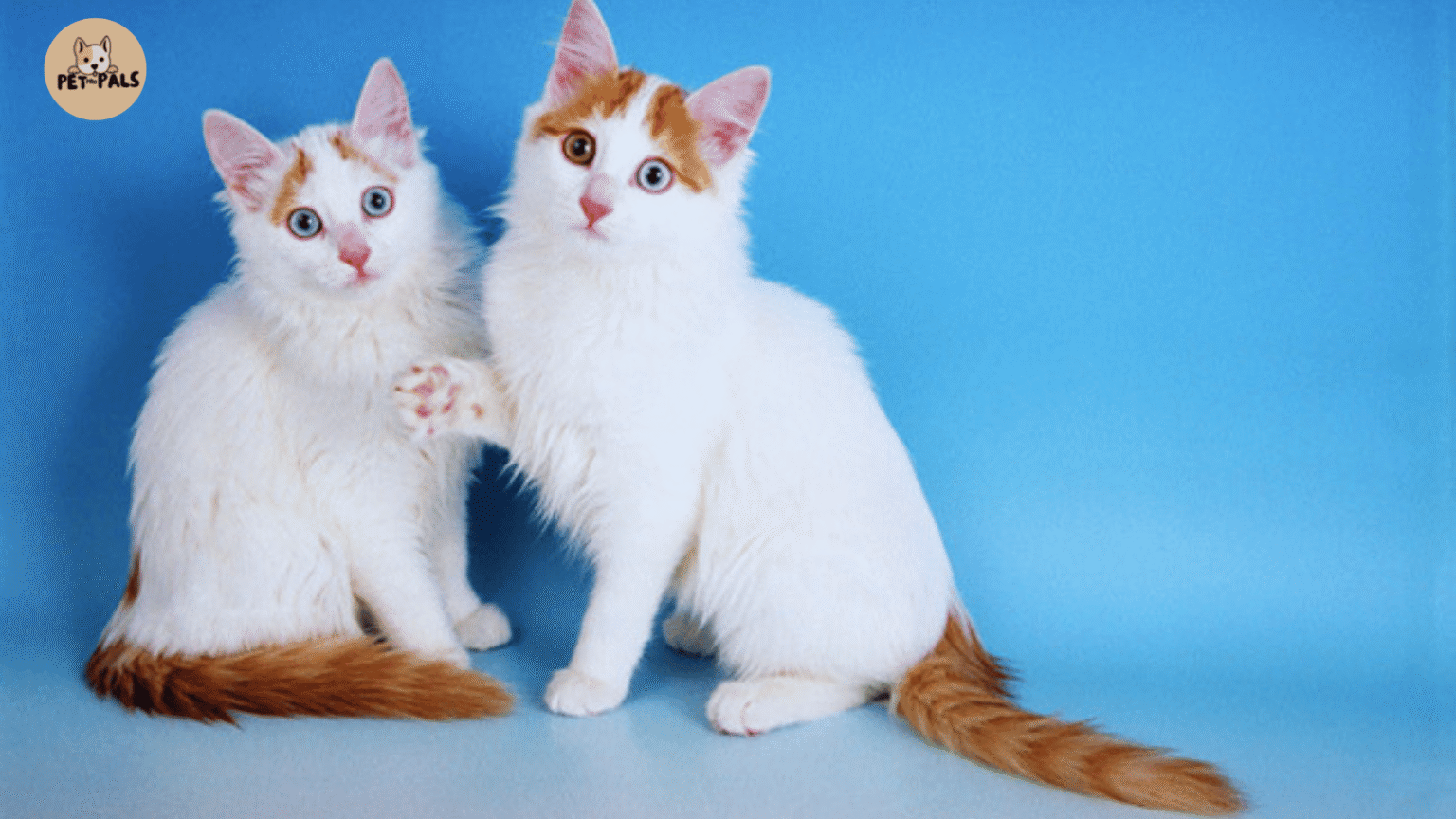
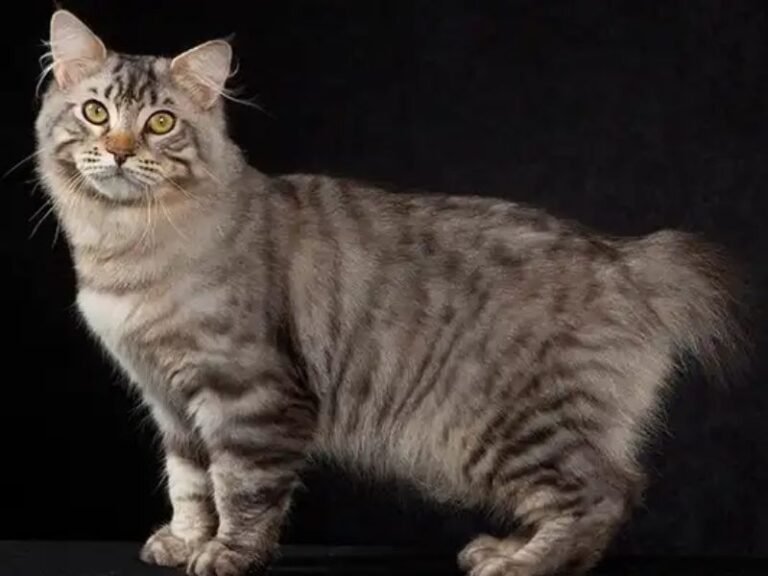
Yes, Turkish Van cats are considered rare in the United States compared with many popular cat breeds.
In the United States, Turkish Van cats are far less common than breeds such as the Maine Coon, Ragdoll, Persian, or Siamese. Most Americans will never encounter a purebred Turkish Van in person, which often leads people to ask whether the breed is genuinely rare.
The short answer is yes. Turkish Vans are an uncommon breed with a relatively small breeding population, limited availability from reputable breeders, and fewer kittens produced each year than many mainstream cat breeds. Their rarity can affect wait times, purchase costs, and adoption opportunities.
Source: Bing
Are Turkish Van Cats Rare?
Yes, Turkish Van cats are rare compared with most recognized cat breeds in North America. While they are not impossible to find, they are produced by a relatively small number of breeders and represent a small share of the pedigree cat population.
Their rarity is linked to a limited breeding pool, careful breed preservation efforts, and lower public awareness. As a result, many cat lovers spend months researching breeders or joining waiting lists before obtaining a kitten.
Source: Bing
Limited Availability
Fewer breeders produce Turkish Vans compared with more common pedigree breeds.
Smaller Population
The overall number of registered Turkish Vans is relatively low.
Higher Demand Than Supply
Interested buyers may compete for a small number of available kittens.
What Makes a Breed Rare?
A cat breed is generally considered rare when it has a small breeding population, limited geographic distribution, and lower annual registration numbers. Turkish Vans meet many of these criteria, especially in the United States.
Population Size
Fewer breeding cats result in fewer kittens each year.
Breeder Network
A limited number of reputable breeders reduces availability.
Why Are Turkish Van Cats Uncommon?
Turkish Vans originated from the Lake Van region of modern-day Turkey. The breed developed naturally over many generations and was later introduced into breeding programs outside its native region.
Because preservation of breed characteristics is important, breeders typically follow strict breeding standards. This careful approach helps maintain quality but also limits the number of kittens available annually.
Source: Bing
Selective Breeding
Breeders prioritize health, temperament, and breed standards.
Many people are unfamiliar with the breed compared with more famous cats.
The Importance of Breed Preservation
Responsible breeders focus on preserving the Turkish Van’s distinctive appearance, athletic build, and personality. This emphasis on quality over quantity contributes to the breed’s rarity.
Health Screening
Breeding cats are carefully selected before producing litters.
How Rare Are Turkish Van Cats Compared With Other Breeds?
Turkish Vans are significantly less common than popular breeds such as Maine Coons, Ragdolls, Persians, and British Shorthairs. While these breeds are widely available through numerous breeders across the country, Turkish Van breeders are much harder to find.
The breed is not among the rarest cats in the world, but it is uncommon enough that many potential owners need patience and flexibility when searching for one.
Source: Bing
More Rare Than Popular Breeds
Turkish Vans are harder to locate than many mainstream pedigree cats.
Less Rare Than Some Specialty Breeds
They are uncommon but not as scarce as certain experimental or newly recognized breeds.
Availability in the United States
Availability varies by region. Some states may have no active breeders at a given time, requiring buyers to travel or arrange transportation.
Regional Differences
Access often depends on where reputable breeders are located.
Can You Easily Find a Turkish Van Kitten?
Finding a purebred Turkish Van kitten can take time. Reputable breeders often maintain waiting lists, and some litters may be reserved before the kittens are born.
Prospective owners should research breeders carefully, verify pedigree information, and avoid assuming that a cat with similar coloring is a true Turkish Van.
Source: Bing
Expect Waiting Lists
Popular breeders may have future reservations already booked.
Verify Documentation
Pedigree records help confirm breed authenticity.
Avoid Impulse Purchases
Responsible sourcing is more important than speed.
Common Misidentification
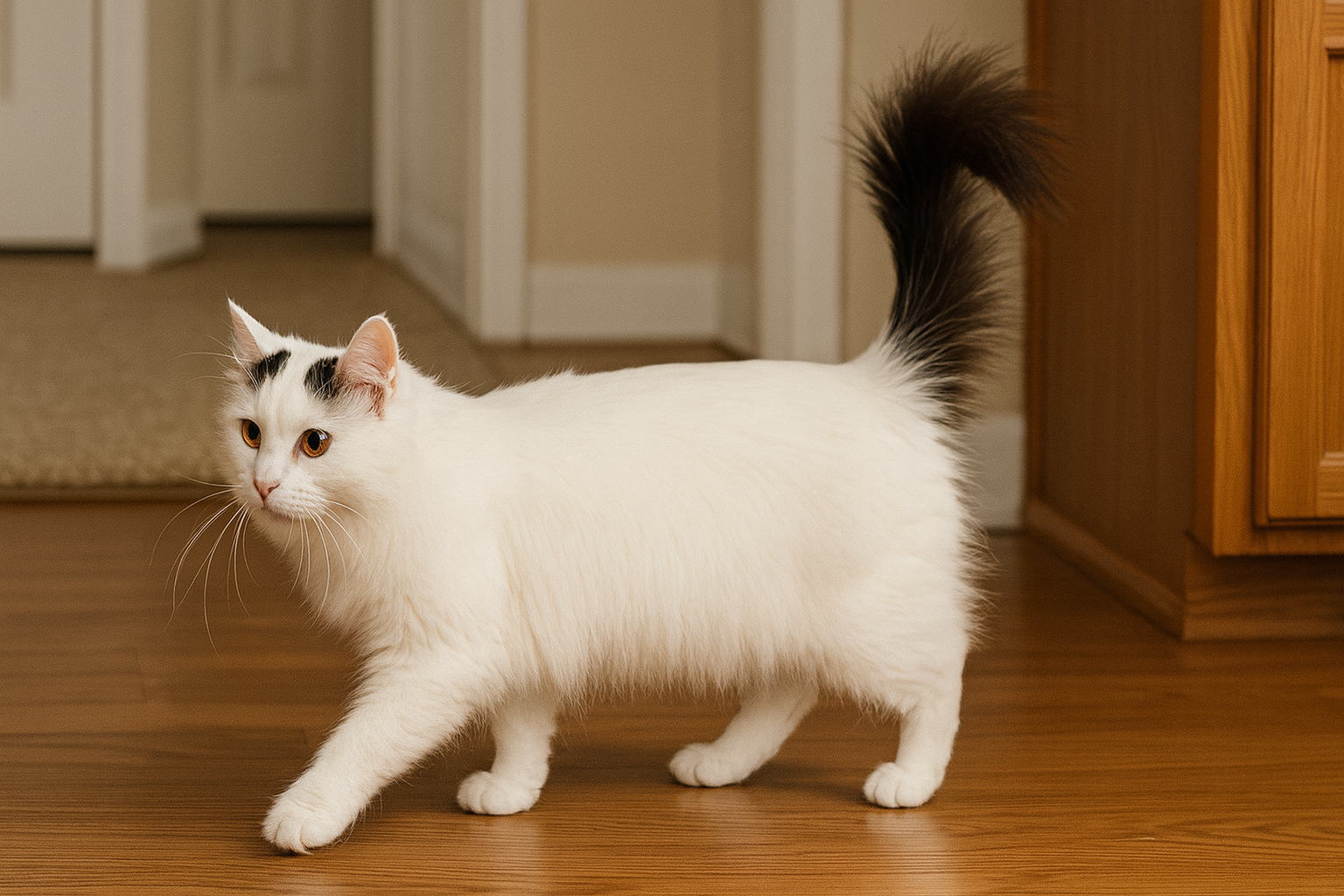
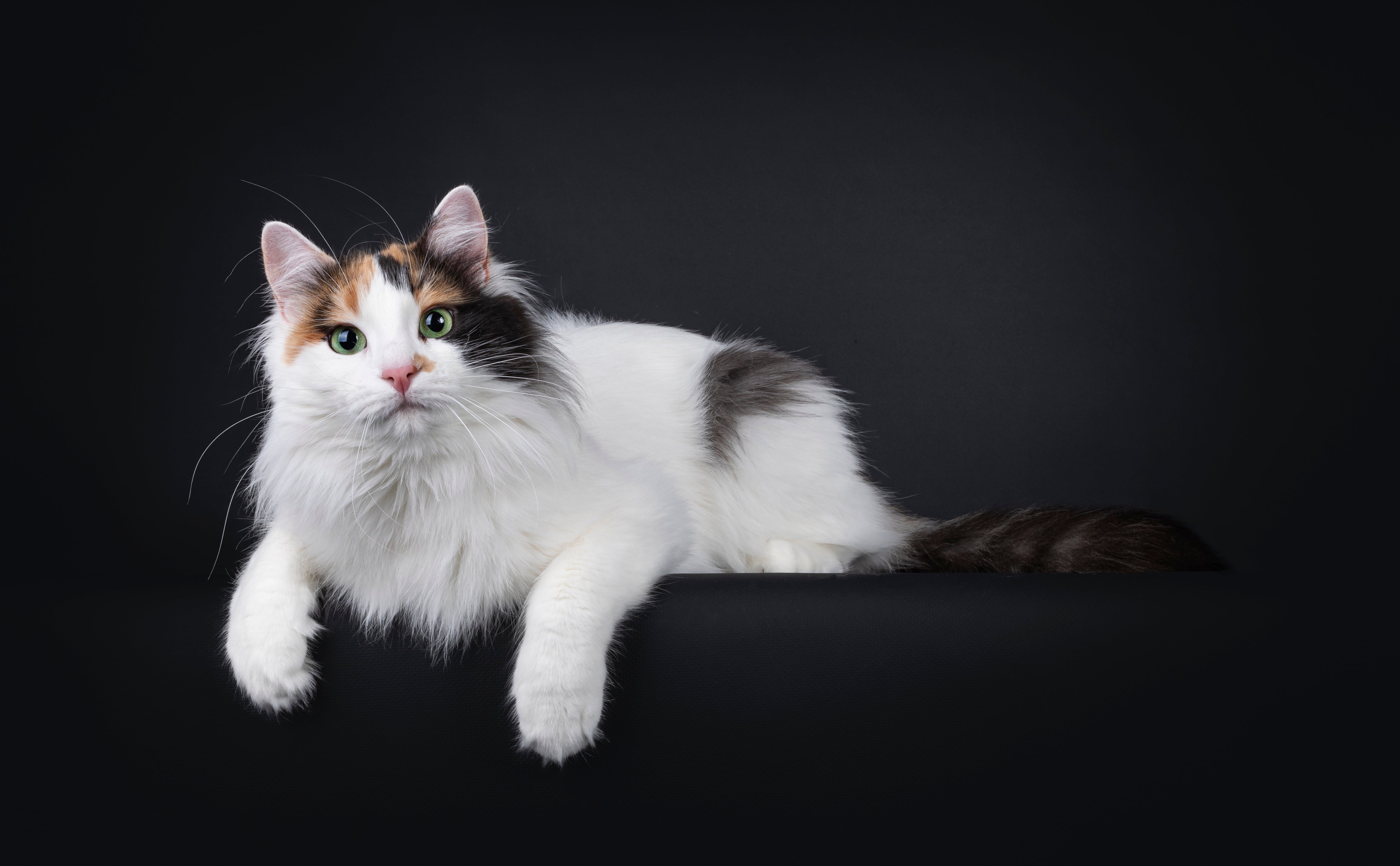
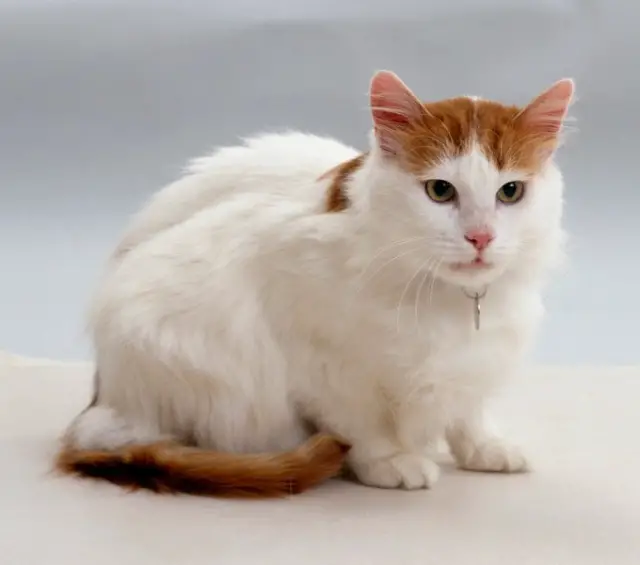
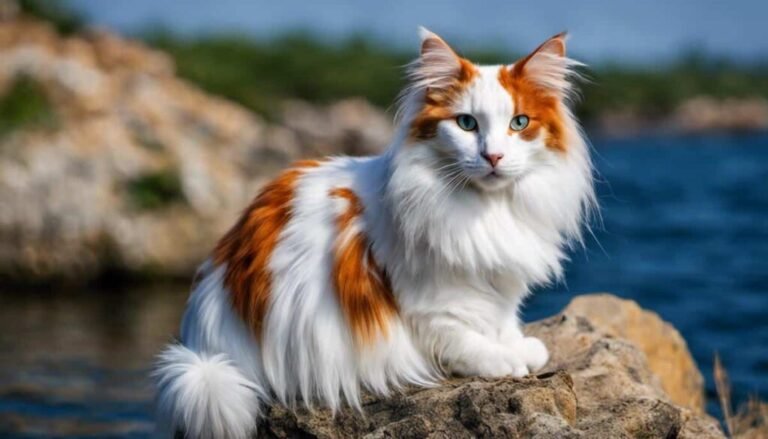
Many cats display white coats with colored markings on the head and tail. However, appearance alone does not prove a cat is a Turkish Van. Breed ancestry and registration matter when identifying a purebred cat.
Van Pattern
The color pattern can occur in cats that are not Turkish Vans.
Factors That Influence Turkish Van Availability
Several factors influence how difficult it is to find a Turkish Van. Breeder numbers, demand, geographic location, and breeding schedules all affect availability.
Seasonal fluctuations may also occur because breeders often plan litters carefully rather than producing kittens continuously throughout the year.
Source: Bing
Breeder Numbers
Fewer breeders usually mean fewer available kittens.
Demand Levels
Interest from buyers can increase wait times.
Location
Some regions have significantly better access than others.
Adoption Opportunities
Occasionally, Turkish Vans or Turkish Van mixes become available through rescues and shelters. These opportunities are less common than for mixed-breed cats but may provide an alternative path to ownership.
Patience Helps
Rescue opportunities may appear unexpectedly.
Frequently Asked Questions
Q
Are Turkish Van cats one of the rarest cat breeds?
They are considered rare, but they are not necessarily the rarest cat breed in the world. Their scarcity is mainly due to limited breeding populations and lower availability compared with popular breeds.
Q
Why are Turkish Van cats expensive?
Prices can be higher because responsible breeders invest in health testing, quality breeding programs, and careful kitten care. Limited supply can also contribute to higher costs.
Q
Can I adopt a Turkish Van from a shelter?
Yes, although purebred Turkish Vans are uncommon in shelters. Some rescue organizations occasionally have Turkish Vans or Turkish Van mixes available for adoption.
Q
How can I tell if a cat is a real Turkish Van?
A true Turkish Van should have documented pedigree information from a reputable breeder or registry. Coat pattern alone is not enough to confirm the breed.
Q
Do Turkish Van cats make good pets?
Many owners appreciate Turkish Vans for their intelligence, activity level, and affectionate nature. They often thrive in homes that can provide play, enrichment, and interaction.
✦ Wrapping Up
Conclusion
For anyone wondering, are turkish van cats rare, the answer is generally yes. They are an uncommon breed in the United States, with fewer breeders and fewer available kittens than many well-known cat breeds.
Although finding one may require patience, research, and sometimes travel, dedicated cat enthusiasts can still locate reputable breeders or occasional adoption opportunities. Understanding the breed’s rarity helps set realistic expectations before beginning the search.
💡 Key Takeaway
Research reputable breeders, verify pedigree records, and be prepared for a waiting list if you want a purebred Turkish Van cat.
Learn whether Turkish Van cats are popular in the US, how common they are, why they remain rare, and what prospective owners should know before adopting one.
Learn whether American Bobtail cats are hypoallergenic, what causes cat allergies, how much they shed, and practical ways to reduce allergens in your home.
Learn how big American Bobtail cats get, including average weight, length, growth timeline, and factors that affect their size. Discover what to expect from this muscular American cat breed.
Do American Bobtail cats shed? Learn how much American Bobtail cats shed, when shedding increases, grooming tips, and how to manage cat hair in your home.
Learn how to bathe a chinchilla safely using a dust bath, how often to provide one, common mistakes to avoid, and when a water bath should never be used.