To bathe a chinchilla, provide a proper dust bath rather than using water.
In the United States, chinchillas are popular companion animals known for their extremely dense fur. Unlike many household pets, they should not be washed with water during routine grooming because moisture can become trapped in their coat and contribute to skin and fur problems.
When learning how to bathe a chinchilla, the correct method is a dust bath using chinchilla-safe bathing dust. A properly prepared dust bath helps remove excess oil, dirt, and debris while supporting healthy skin and coat condition.
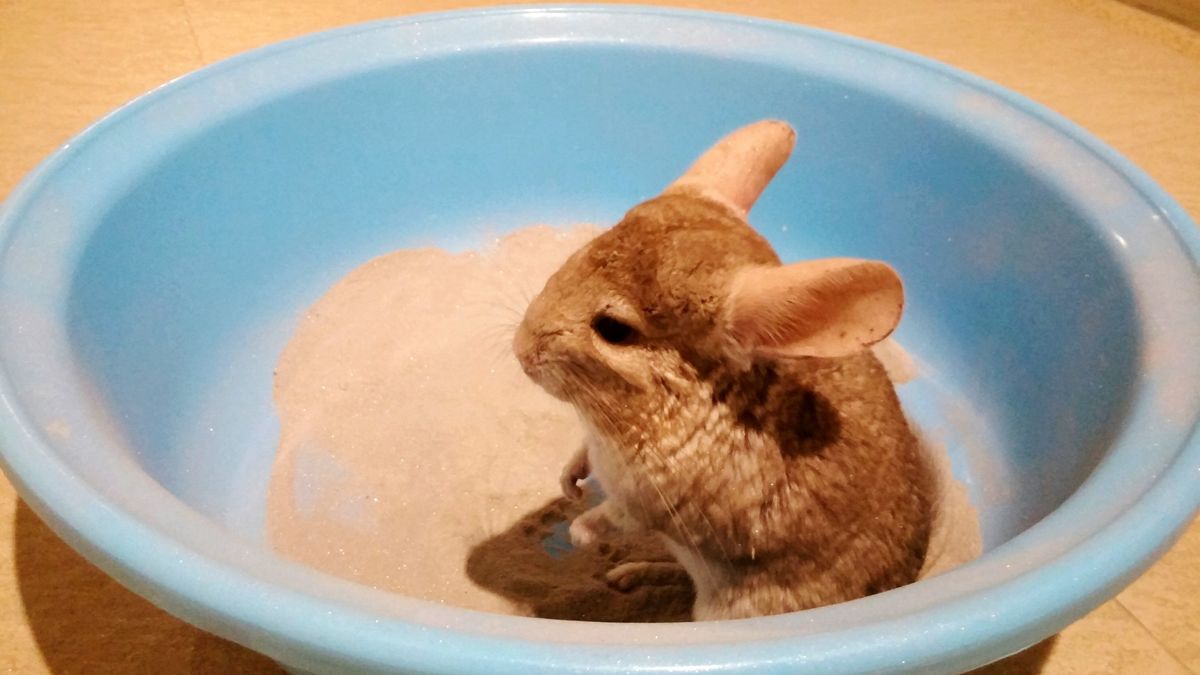
Source: petsradar.com
Why Chinchillas Need Dust Baths Instead of Water Baths
A chinchilla’s fur is much denser than the fur of most other pets. Water can remain trapped deep within the coat, making drying difficult and increasing the risk of skin issues.
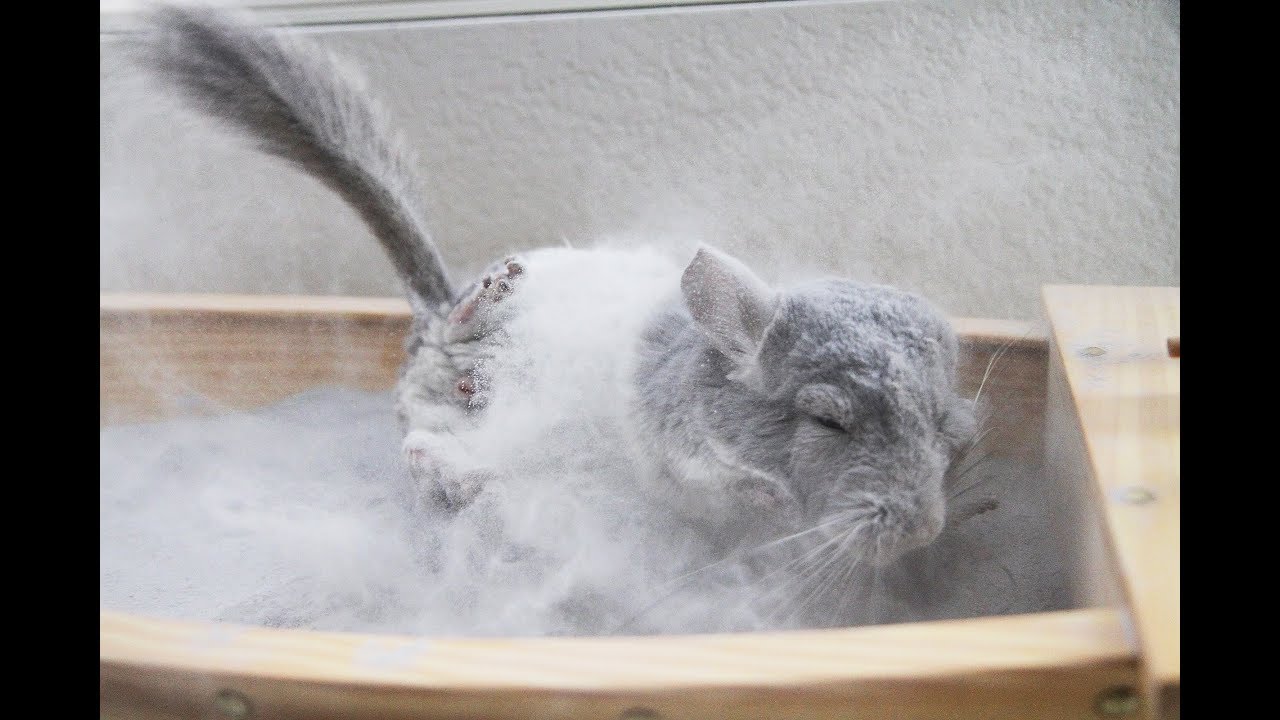
Dust baths work by absorbing oils and loosening debris from the coat. The chinchilla rolls and flips in the dust, allowing it to reach areas that are difficult to clean by other methods.
Source: storage.googleapis.com
Natural Cleaning Method
Dust bathing mimics the behavior chinchillas use in their native habitat.
Coat Maintenance
Fine dust helps keep fur soft, clean, and free of excess oil.
When Water May Be Necessary
Water should only be considered in unusual situations and under veterinary guidance. Routine bathing with water is not recommended for healthy chinchillas.
Veterinary Direction
Follow professional instructions if a medical condition requires special cleaning.
What You Need Before Bathing a Chinchilla
Before starting, gather a sturdy dust bath container and chinchilla bathing dust. Avoid using sand, dirt, or household powders.
The container should be large enough for the chinchilla to roll around comfortably without escaping easily.
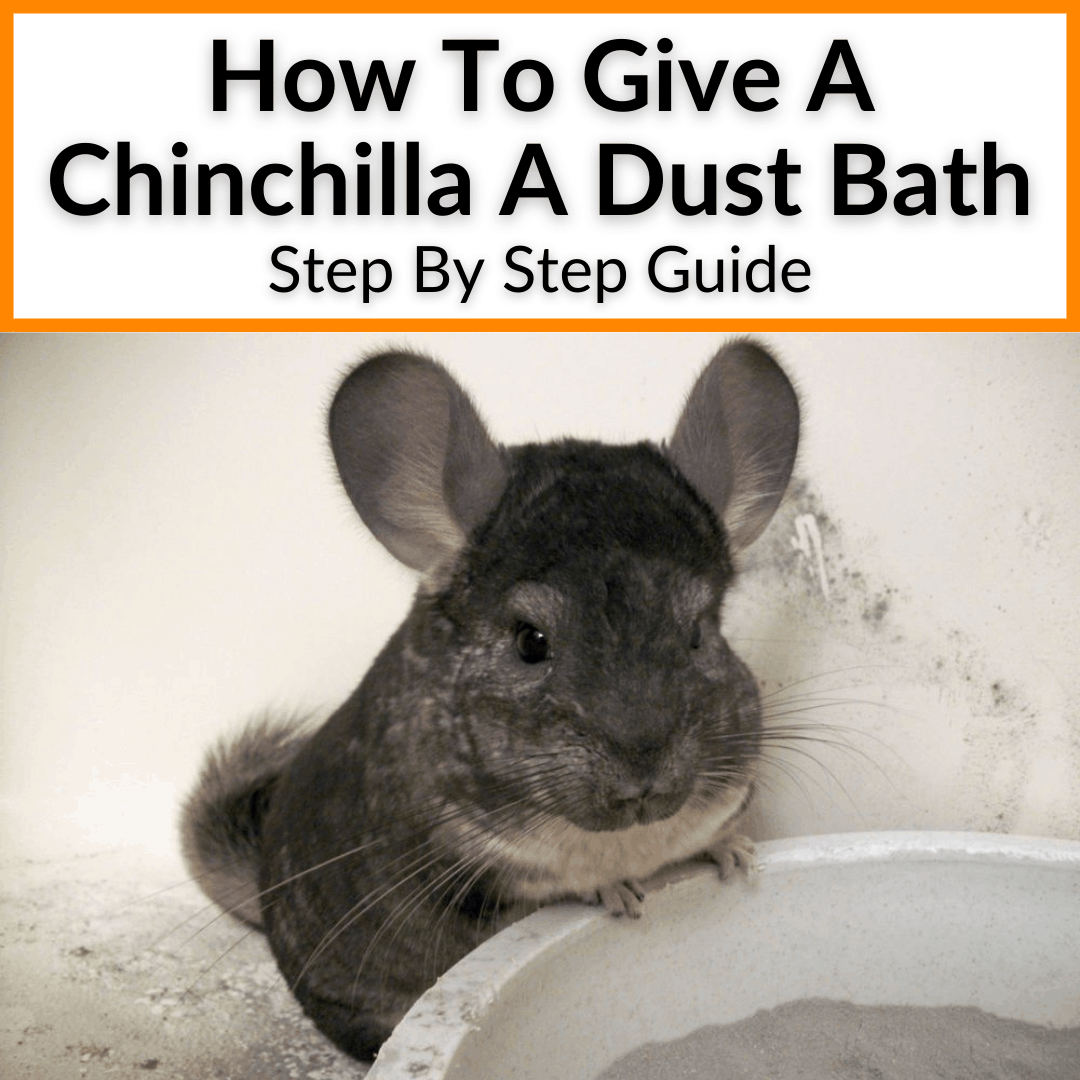
Source: storage.googleapis.com
Bathing Dust
Use a product specifically intended for chinchillas.
Bath House
Choose a container that helps keep dust contained.
Preparing the Area
Place the bath in a safe, quiet location where the chinchilla can use it without stress.
Stable Surface
Prevent tipping or spills during use.
How to Bathe a Chinchilla Step by Step
Place a shallow layer of chinchilla dust in the bath container. Introduce the bath to your chinchilla and allow it to enter voluntarily.
Most chinchillas immediately begin rolling, flipping, and rubbing their bodies in the dust. Allow the session to continue for several minutes before removing the bath.
A successful dust bath leaves the coat looking clean, fluffy, and free from visible debris.
Healthy Appearance
Fur should appear dry, soft, and well maintained.
How Often Should You Bathe a Chinchilla
Most chinchillas benefit from access to a dust bath several times per week. The ideal schedule can vary based on humidity, coat condition, and individual needs.
Providing too many dust baths may contribute to overly dry skin in some animals, while too few can lead to oily fur.
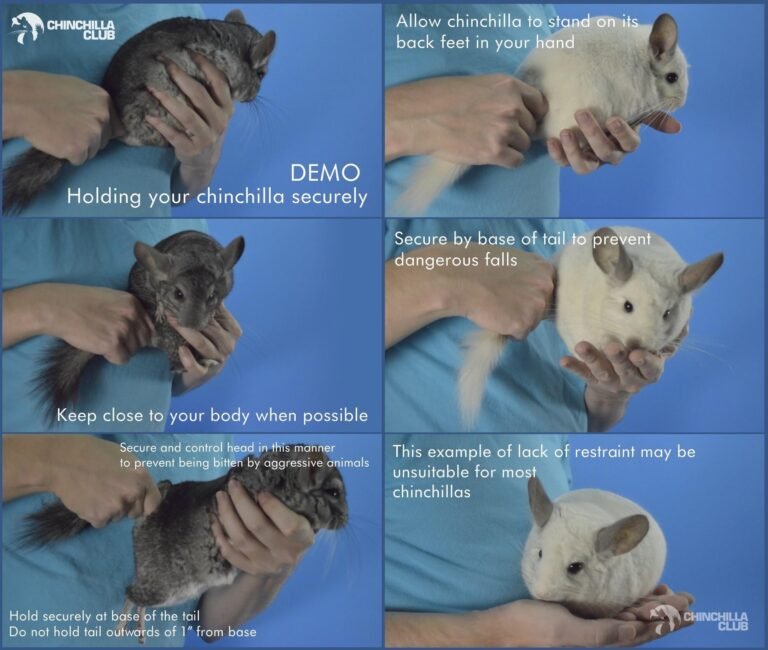
Source: storage.googleapis.com
Dry Climates
Some chinchillas may require fewer sessions.
Humid Conditions
Additional sessions may be beneficial.
Monitor Your Chinchilla
Observe fur quality and skin condition to determine whether adjustments are needed.
Individual Variation
Not all chinchillas require the same schedule.
Common Bathing Mistakes to Avoid
The most common mistake is using water as a routine bathing method. Another frequent issue is leaving the dust bath in the cage continuously, which can cause contamination.
Using inappropriate materials such as playground sand or household powders can also create health and respiratory concerns.
Source: YouTube > ChinTubeHD
Avoid Water Baths
Routine water bathing is generally unsafe for chinchillas.
Keep Dust Clean
Replace dirty dust regularly.
When to Contact a Veterinarian
Persistent skin irritation, fur loss, unusual odor, or visible wounds should be evaluated by an experienced exotic animal veterinarian.
Medical Concerns
Professional evaluation is important when symptoms persist.
Troubleshooting a Chinchilla That Refuses a Dust Bath
Some chinchillas may ignore a new bath container or unfamiliar dust. Try introducing the bath during active periods and ensure the container is appropriately sized.
If refusal continues and coat quality declines, discuss the issue with a veterinarian familiar with chinchilla care.
Source: storage.googleapis.com
Try a Different Container
Some chinchillas prefer enclosed bath houses.
Check Dust Quality
Fresh dust may encourage use.
Behavioral Considerations
Stress, environmental changes, or illness can affect grooming behavior.
Reduce Stress
Maintain a consistent environment whenever possible.
Frequently Asked Questions
Q
Can I bathe my chinchilla with water?
Routine water baths are not recommended. Chinchillas are normally cleaned with specialized dust baths instead.
Q
How long should a chinchilla dust bath last?
Many owners allow a dust bath session to last several minutes. Remove the bath afterward to help keep the dust clean.
Q
What kind of dust should I use?
Use dust specifically designed for chinchillas. Avoid household powders, dirt, and ordinary sand.
Q
How often should I replace the dust?
Replace dust when it becomes dirty, damp, or heavily contaminated with debris.
Q
Why does my chinchilla not use its dust bath?
The cause may be stress, unfamiliar equipment, unsuitable dust, or an underlying health issue. Monitor behavior and seek veterinary advice if concerns continue.
✦ Wrapping Up
Conclusion
Understanding how to bathe a chinchilla begins with recognizing that dust baths are the appropriate cleaning method for this species. Proper dust bathing supports coat quality and overall hygiene while avoiding the risks associated with water exposure.
By providing clean dust, a suitable bath container, and a consistent schedule, most chinchillas can maintain a healthy and well-groomed coat throughout their lives.
💡 Key Takeaway
Provide a clean chinchilla dust bath several times per week and avoid routine water bathing.
Learn how to handle a chinchilla safely with step-by-step techniques, common mistakes to avoid, trust-building tips, and signs your chinchilla is comfortable being held.
Learn whether American Bobtail cats are popular in the US, why cat lovers choose them, how common they are, and what makes this unique breed stand out.
Are Turkish Van cats rare? Learn why this unique breed is considered uncommon in the United States, how difficult they are to find, what affects availability, and what to expect when searching for a Turkish Van kitten.
Learn how big American Bobtail cats get, including average weight, length, growth timeline, and factors that affect their size. Discover what to expect from this muscular American cat breed.
Learn how to groom a Chinese Crested dog with step-by-step instructions, skin care tips, bathing schedules, coat maintenance advice, and grooming mistakes to avoid.
Learn how much Turkish Van kittens cost in the United States, including breeder prices, adoption fees, ownership expenses, and factors that affect pricing.