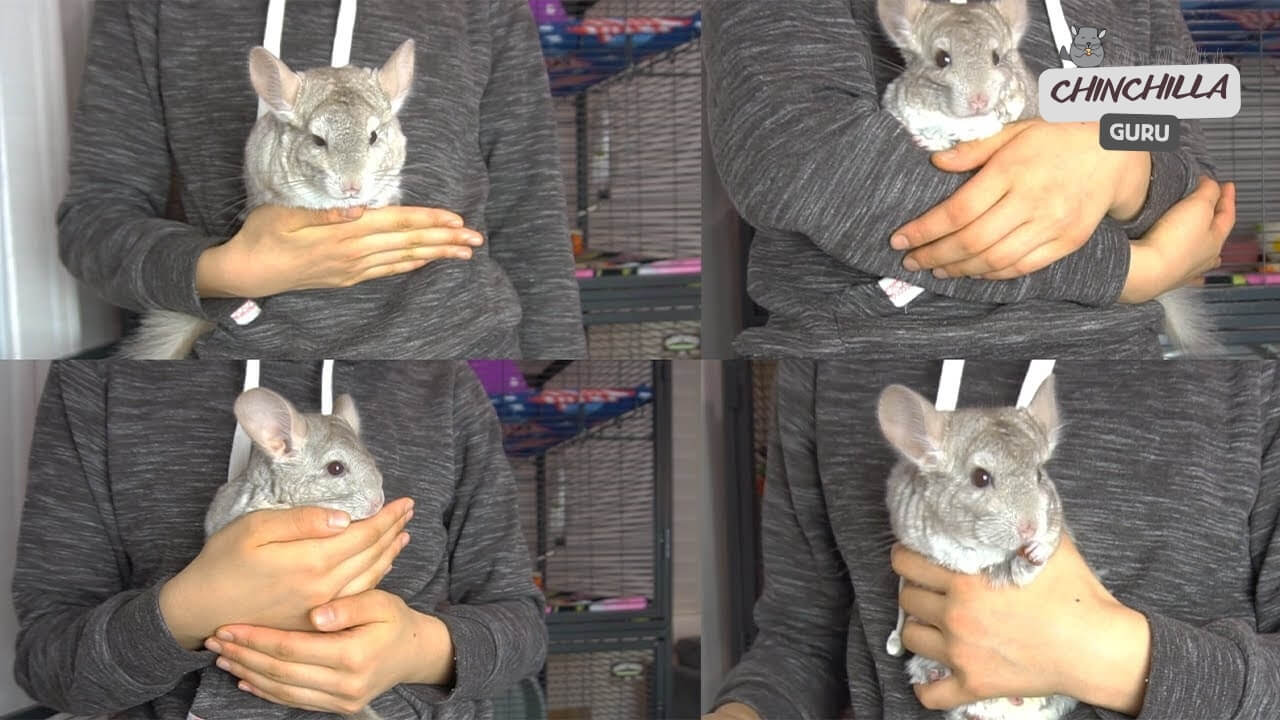
Handle a chinchilla gently with two hands, support its body fully, and never grab its fur or tail.
In the United States, chinchillas are popular exotic pets because they are clean, quiet, and highly intelligent. However, many new owners struggle with how to handle a chinchilla because these animals are naturally cautious prey species that do not always enjoy being picked up.
The safest approach is to build trust first, move slowly, support the chest and hindquarters, and keep handling sessions short. When done correctly, handling can strengthen your bond while reducing stress and the risk of injury for both you and your pet.
Source: chinchillaguru.com
Why Proper Chinchilla Handling Matters
Understanding how to handle a chinchilla starts with understanding its instincts. Chinchillas are prey animals, which means they are naturally alert and may react quickly when they feel threatened.
Improper handling can cause stress, escape attempts, falls, or a defensive behavior called fur slip, where patches of fur release when the animal feels trapped. Gentle handling reduces these risks and helps build confidence.
Fur slip is a natural defense mechanism where a chinchilla releases patches of fur to escape danger. While the fur grows back, it is a sign that the animal experienced significant stress.
Avoid Pulling
Never grab or restrain a chinchilla by its coat.
Prepare Before Picking Up Your Chinchilla
Preparation makes handling safer and easier. Choose a quiet room without loud noises, other pets, or distractions. Close doors and block potential escape routes before opening the cage.
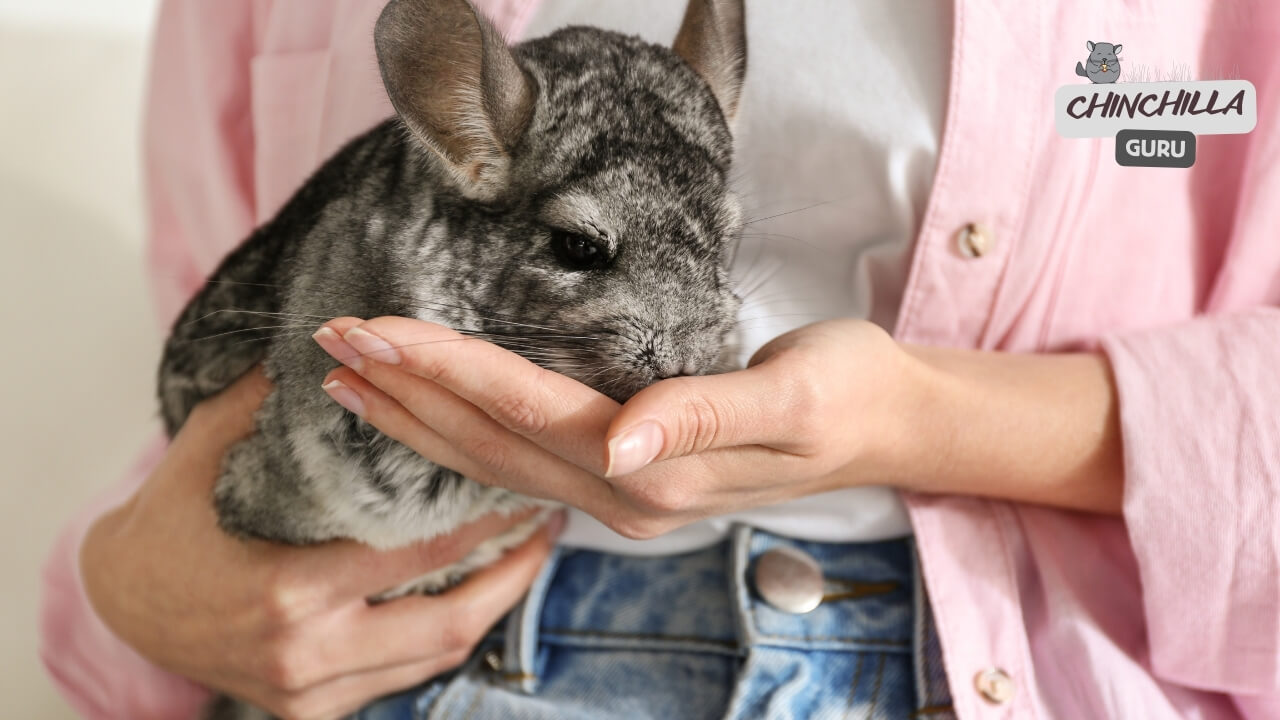
Wash your hands to remove strong scents. Allow the chinchilla to see and smell you before attempting contact. Offering a small treat can create a positive association.
Source: supremepetfoods.com
Choose a Calm Environment
Reduce sudden sounds and movement.
Secure the Room
Prevent escapes during handling practice.
Use Positive Reinforcement
Treats can encourage cooperation.
Signs Your Chinchilla Is Ready
A relaxed chinchilla may approach your hand voluntarily, sniff your fingers, or remain calm when you are nearby.
Calm Body Language
The animal stays relaxed instead of hiding.
Step-by-Step Guide on How to Handle a Chinchilla
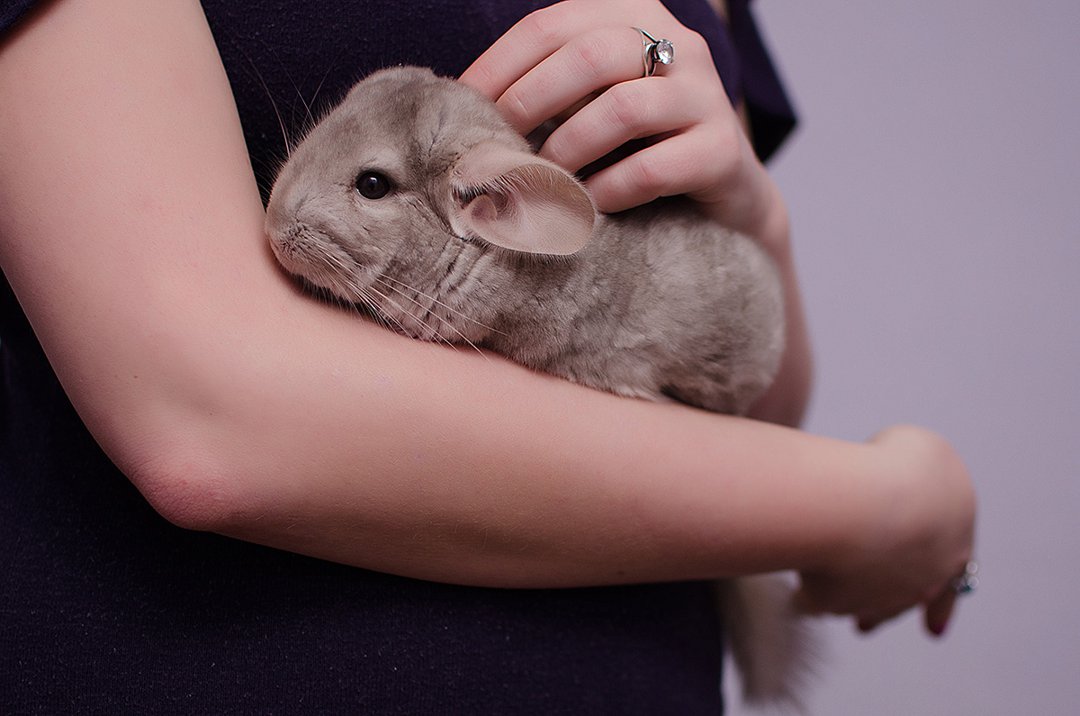
The safest method is to let the chinchilla come toward you instead of chasing it around the cage. Place one hand under the chest and use the other hand to support the hindquarters.
Lift smoothly and keep the animal close to your body. Sitting on the floor during early sessions reduces the risk of injury if the chinchilla jumps unexpectedly.
Source: animalia-life.club
Approach Slowly
Avoid sudden movements that may startle the animal.
Support the Entire Body
Use both hands for stability and comfort.
Keep It Close
Holding the chinchilla near your body increases security.
Signs of Successful Handling
A comfortable chinchilla remains relatively calm, explores gently, and shows little resistance while being held.
Relaxed Behavior
Minimal struggling and steady breathing.
Common Mistakes to Avoid
Many handling problems occur because owners move too quickly or try to force interaction. Chasing a chinchilla around the cage often damages trust and increases fear.
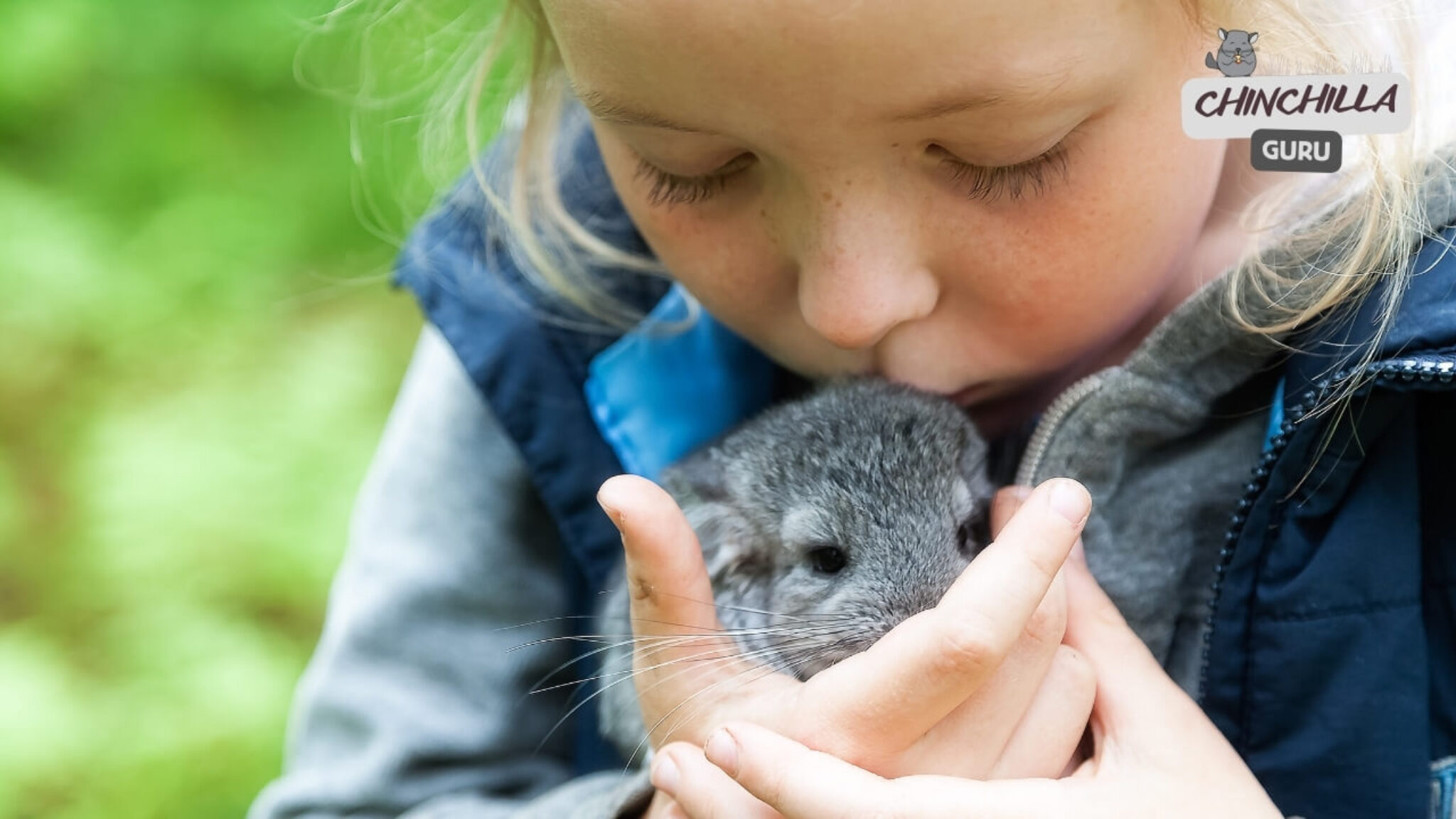
Another mistake is allowing children to handle a chinchilla unsupervised. Chinchillas are fragile animals and can be injured by accidental squeezing or dropping.
Source: chinchillaguru.com
Do Not Grab Fur
This can trigger fur slip and stress.
Avoid Long Sessions
Short positive experiences work best.
Never Squeeze
Gentle support is safer than firm restraint.
When to Stop Handling
If the chinchilla becomes highly agitated, vocalizes repeatedly, or struggles intensely, return it safely to its enclosure and try again later.
Respect Boundaries
Stopping early can preserve trust.
What to Do if Your Chinchilla Does Not Like Being Held
Some chinchillas tolerate handling better than others. If your pet resists being picked up, focus on relationship building instead of forcing physical contact.
Spend time near the cage, offer treats from your hand, and allow the chinchilla to climb onto you voluntarily. Trust often develops gradually over weeks or months.
Source: chinchillaguru.com
Be Patient
Progress may take time with shy animals.
Reward Calm Behavior
Use positive reinforcement consistently.
Allow Choice
Let the chinchilla approach on its own terms.
When Professional Help May Be Needed
If handling suddenly becomes difficult after a period of normal behavior, consult an exotic animal veterinarian because pain or illness may be contributing to the change.
Watch for Health Changes
Behavior changes can sometimes indicate medical issues.
Frequently Asked Questions
Q
Do chinchillas like being held?
Some chinchillas enjoy gentle interaction, while others only tolerate it. Personality, socialization, and previous experiences all influence their comfort level.
Q
How often should I handle my chinchilla?
Short daily sessions are usually more effective than occasional long sessions. Consistency helps build trust over time.
Q
Can children hold a chinchilla?
Children can interact with chinchillas under close adult supervision. The animal should always be supported properly and handled gently.
Q
What should I do if my chinchilla jumps out of my hands?
Stay calm and avoid chasing aggressively. Secure the room, guide the chinchilla gently, and inspect it for signs of injury after recovery.
Q
Why does my chinchilla struggle when I pick it up?
Struggling often indicates fear, discomfort, or insufficient trust. Slower introductions and positive reinforcement usually improve handling acceptance.
✦ Wrapping Up
Conclusion
Learning how to handle a chinchilla safely requires patience, consistency, and respect for the animal’s natural instincts. Gentle support, calm movements, and trust-building are the foundation of successful handling.
Most chinchillas become easier to handle when owners focus on positive experiences instead of forcing interaction. Progress may be gradual, but it often results in a stronger and safer relationship.
💡 Key Takeaway
Start with short daily interactions, allow your chinchilla to approach voluntarily, and always support its body with both hands when lifting.
Are Turkish Van cats hypoallergenic? Learn how Turkish Van cats affect allergies, what causes cat allergies, and whether this breed is a good choice for allergy-sensitive households in the USA.
Learn how much American Bobtail cats weigh, typical weight ranges for males and females, growth expectations, and how to maintain a healthy body condition.
Learn whether American Bobtail cats are rare, why they are less common than many breeds, how available they are in the United States, and what to expect when looking for one.
Learn how to register an American Bobtail in the United States, including pedigree requirements, registry options, application steps, costs, and common mistakes to avoid.
Learn how to groom a Chinese Crested dog with step-by-step instructions, skin care tips, bathing schedules, coat maintenance advice, and grooming mistakes to avoid.
Learn how to bathe a chinchilla safely using a dust bath, how often to provide one, common mistakes to avoid, and when a water bath should never be used.