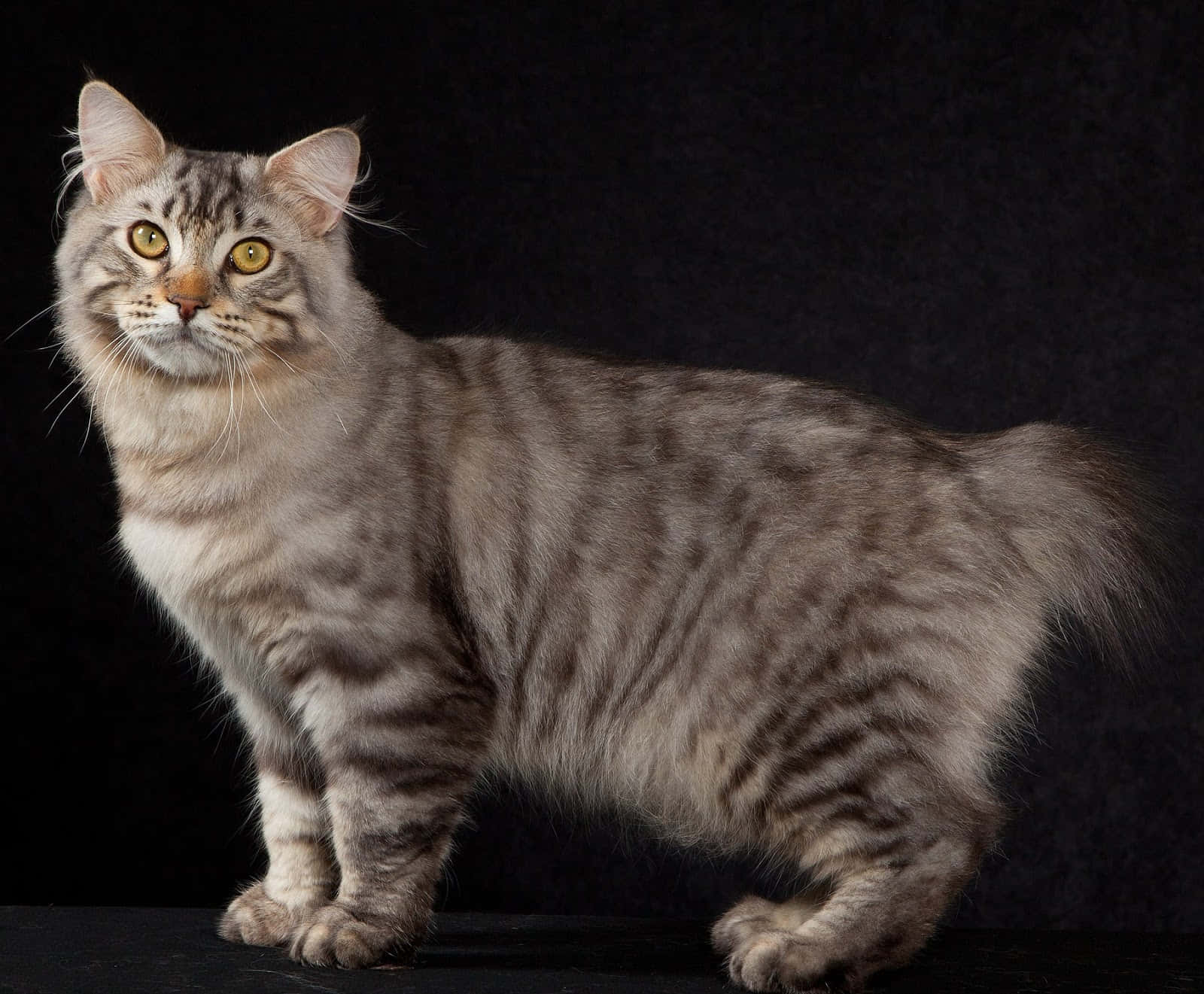
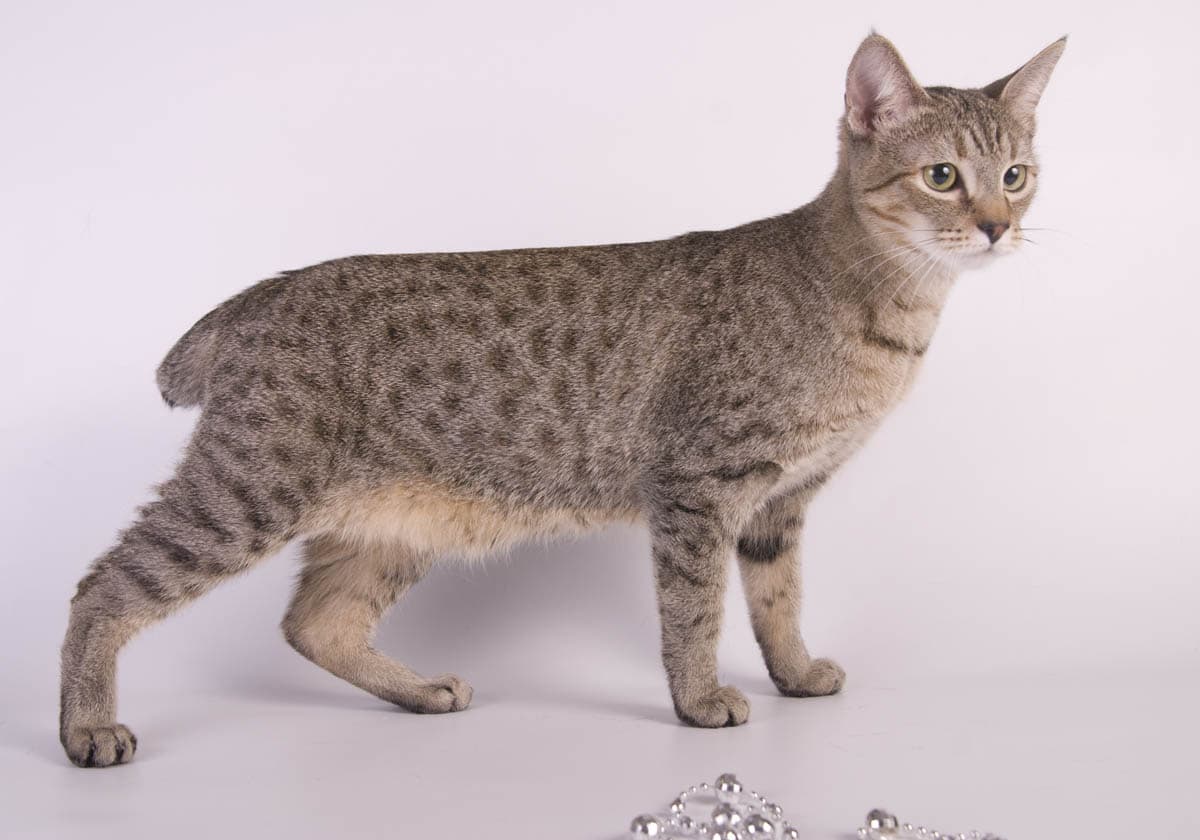
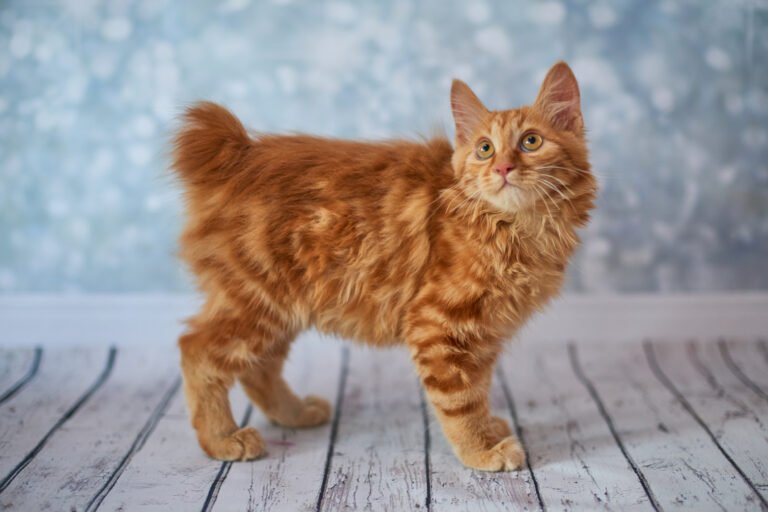
No, American Bobtail cats are not hypoallergenic, but some allergy sufferers may tolerate them better than other breeds.
Across the United States, many prospective cat owners search for breeds that may be easier to live with when allergies are a concern. The American Bobtail often appears in these discussions because of its unique coat and moderate grooming needs.
The direct answer to the question are american bobtail cats hypoallergenic is no. American Bobtails still produce the proteins that trigger cat allergies. However, their grooming habits, coat type, and moderate shedding levels may make allergen management easier for some households when compared with heavier-shedding breeds.
Source: Bing
Are American Bobtail Cats Hypoallergenic?
No cat breed is completely hypoallergenic, and that includes the American Bobtail. These cats produce common feline allergens that can trigger symptoms such as sneezing, itchy eyes, congestion, and skin irritation in sensitive individuals.
When people ask are american bobtail cats hypoallergenic, they are usually looking for a cat that produces fewer allergy symptoms. While some owners report fewer issues with American Bobtails than with certain other breeds, there is no guarantee that an allergy sufferer will react less strongly.
Source: Bing
Not Allergy-Free
American Bobtails still produce allergenic proteins found in saliva and skin.
Individual Reactions Vary
One person may tolerate the breed well while another experiences significant symptoms.
Management Matters
Home cleaning and grooming practices often influence allergy levels more than breed alone.
Why People Think Some Cats Are Hypoallergenic
The term hypoallergenic can be misleading. It generally means a pet may produce fewer allergens or spread them less efficiently. It does not mean the animal is allergy-free.
Common Misunderstanding
People often blame fur, but allergens mainly come from proteins produced by the cat.
What Actually Causes Cat Allergies?
Most cat allergies are triggered by proteins that cats naturally produce. The best-known allergen is Fel d 1, which is present in saliva, skin secretions, and dander.
When a cat grooms itself, saliva dries on the coat and skin. Tiny particles can then become airborne and settle on furniture, bedding, clothing, and carpets, where they may trigger allergic reactions.
Source: Bing
Saliva
Contains allergenic proteins spread during grooming.
Dander
Tiny flakes of skin that can carry allergens throughout the home.
Skin Oils
Natural secretions can also contribute to allergen exposure.
Why Fur Gets Blamed
Fur itself is not usually the allergen. Instead, it acts as a carrier that transports saliva, dander, and skin oils around the environment.
Carrier Effect
Hair spreads allergens rather than creating them.
How Much Do American Bobtail Cats Shed?
American Bobtails are generally moderate shedders. The breed comes in both shorthaired and longhaired varieties, and shedding levels can vary between individual cats.
Because they shed, allergens attached to loose hair can spread through the home. However, they are not typically considered among the heaviest-shedding cat breeds.
Source: Bing
Shorthaired Variety
Usually easier to groom and maintain.
Longhaired Variety
May require more frequent brushing to control loose hair.
Seasonal Changes
Some cats shed more heavily during seasonal coat transitions.
Does Less Shedding Mean Fewer Allergies?
Not necessarily. Lower shedding can reduce the spread of allergens, but allergic reactions depend on many factors including the individual’s sensitivity and the cat’s allergen production.
Reduced Spread
Less loose hair may help reduce allergen distribution.
Tips for Living With an American Bobtail if You Have Allergies
Many allergy sufferers successfully live with cats by taking practical steps to reduce allergen exposure. Consistency is usually more important than any single strategy.
Creating a cleaner indoor environment can significantly reduce the amount of dander and allergen-containing hair that accumulates over time.
Source: Bing
Brush Regularly
Remove loose hair before it spreads throughout the home.
Use Air Filtration
HEPA filters can help capture airborne particles.
Wash Bedding Often
Regular laundering helps reduce allergen buildup.
Limit Bedroom Access
Keeping cats out of sleeping areas may reduce nighttime exposure.
Before You Adopt
Spend time with the specific cat you plan to adopt. Personal exposure is often the most reliable way to judge whether your allergies will remain manageable.
Trial Visits
Several visits can provide a better picture of your reaction.
American Bobtail Compared With Other Cat Breeds for Allergies
American Bobtails are not commonly listed among the breeds most frequently associated with lower allergen levels. Breeds such as the Siberian, Balinese, and some others are often discussed by allergy-conscious owners, although none are completely hypoallergenic.
The American Bobtail remains a strong choice for people who value a friendly, intelligent, and adaptable companion, but allergy sufferers should approach the breed with realistic expectations.
Source: Bing
Temperament Advantage
Known for being affectionate, social, and family-friendly.
Moderate Maintenance
Generally manageable grooming requirements.
Allergy Reality
Still produces allergens that can trigger reactions.
Who Might Consider an American Bobtail?
The breed may suit households with mild allergies who are willing to maintain a consistent cleaning and grooming routine.
Best Fit
Owners seeking a sociable cat and prepared to manage allergens actively.
Frequently Asked Questions
Q
Are american bobtail cats hypoallergenic enough for allergy sufferers?
American Bobtails are not hypoallergenic. Some people with mild allergies may tolerate them reasonably well, but reactions vary significantly from person to person.
Q
Do American Bobtail cats shed a lot?
Most American Bobtails are moderate shedders. Regular brushing can help reduce loose hair and minimize allergen spread in the home.
Q
What causes allergic reactions to cats?
Most reactions are caused by proteins found in cat saliva, skin secretions, and dander. Fur mainly acts as a carrier for these allergens.
Q
Can grooming reduce allergens from an American Bobtail?
Regular grooming can remove loose hair and reduce the amount of allergen-covered fur in the environment. It can be a helpful part of an allergy-management plan.
Q
Should I meet an American Bobtail before adopting?
Yes. Spending time with the specific cat before adoption is one of the best ways to determine whether your allergies are likely to be manageable.
✦ Wrapping Up
Conclusion
The answer to are american bobtail cats hypoallergenic is no. Like all cat breeds, they produce allergens that can trigger symptoms in sensitive individuals.
That said, American Bobtails are moderate shedders with manageable grooming needs, and some allergy sufferers find they can live comfortably with the breed when proper cleaning and allergen-control practices are in place.
💡 Key Takeaway
If you have allergies and are considering an American Bobtail, arrange several visits with the cat before adoption and create a plan for grooming, air filtration, and regular household cleaning.
Learn whether American Bobtail cats are popular in the US, why cat lovers choose them, how common they are, and what makes this unique breed stand out.
Learn how much American Bobtail cats weigh, typical weight ranges for males and females, growth expectations, and how to maintain a healthy body condition.
Are Turkish Van cats rare? Learn why this unique breed is considered uncommon in the United States, how difficult they are to find, what affects availability, and what to expect when searching for a Turkish Van kitten.
Do American Bobtail cats shed? Learn how much American Bobtail cats shed, when shedding increases, grooming tips, and how to manage cat hair in your home.
Learn how to bathe a chinchilla safely using a dust bath, how often to provide one, common mistakes to avoid, and when a water bath should never be used.
Learn how long American Bobtail cats live, the factors that affect their lifespan, common health concerns, and practical ways to help your cat live a long, healthy life.