How Much Does Cat Grooming Cost: Key Facts and Helpful Guidance
A fluffy cat can look perfectly tidy until a few mats hide under the legs, claws become needle-sharp, or loose fur starts covering every surface in the house. At that point, grooming is no longer just a cosmetic treat. It can become a practical health and comfort service, especially for long-haired, senior, overweight, or anxious cats.
So, how much does cat grooming cost? In the United States, a basic professional cat grooming visit commonly costs about $50 to $100, while more involved appointments may range from $100 to $200 or more. The final price depends on the cat’s coat, behavior, service type, location, and the amount of work required.
I’ll break down typical prices, explain what a cat grooming appointment may include, show which fees can raise the bill, and help you compare a salon, mobile groomer, veterinary clinic, or at-home option. The goal is to help you choose appropriate care rather than simply chase the lowest advertised price.
How Much Does Cat Grooming Cost?
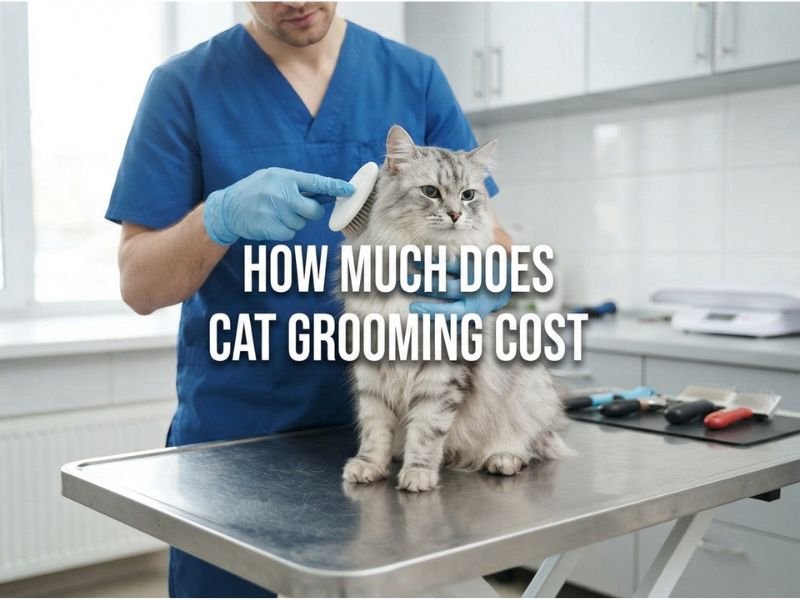
Most cat owners should expect to pay approximately $50 to $100 for a routine grooming appointment. A simple service for a short-haired, cooperative cat may cost closer to $40 to $70. A long-haired cat needing a bath, blow-dry, brush-out, sanitary trim, and nail clipping may cost $80 to $150.
Severely matted coats, difficult handling, flea treatment, de-matting, or special medical needs can raise the total to $150 to $250 or more. Some groomers charge by the hour for difficult cases, while others use a base price plus separate fees.
| Cat grooming service | Typical U.S. price range | What may be included |
|---|---|---|
| Nail trimming | $10–$25 | Claw trimming and basic handling |
| Brush-out | $25–$60 | Loose-fur removal and light tangle removal |
| Basic bath and brush | $50–$100 | Bath, drying, brushing, and light finishing |
| Full grooming service | $70–$150 | Bath, drying, brushing, nails, and a trim when appropriate |
| Shave-down or lion cut | $80–$200+ | Clipping or shaving, often with bathing and nail care |
| Severe mat removal | $100–$250+ | Extended coat work, clipping, or careful removal |
| Mobile grooming | $80–$200+ | Grooming in a van or trailer at the owner’s home |
These figures are planning estimates, not universal price quotes. Prices are often higher in major metropolitan areas and lower in smaller markets. A groomer may also quote a different amount after seeing the cat’s coat and temperament.
What Is Included in Cat Grooming?
“Cat grooming” can describe anything from a five-minute nail trim to a multi-hour de-matting session. Asking what the package includes is one of the easiest ways to avoid an unexpected charge.
Basic grooming services
- Brushing and removal of loose hair
- Light removal of small tangles
- Nail trimming
- Ear inspection or light ear cleaning
- Bathing with a cat-safe shampoo
- Drying and coat brushing
- Sanitary trimming around the rear or paw pads
A basic appointment may not include a full haircut. Many cats do not need their coat clipped, and shaving can be unnecessary unless mats, hygiene problems, or a medical issue make it useful.
Full haircut services
A full haircut can involve clippers, scissors, careful shaping, and extra drying time. Some owners request a lion cut, which leaves a mane around the head while shortening the body coat. Others request a practical sanitary trim or a shorter summer cut.
Haircut terminology is not completely standardized. One groomer’s “full groom” may mean a bath and tidy trim, while another’s may mean a shave-down. I recommend asking for a written description of the service rather than relying on the package name alone.
Special handling
Some cats need more time because they are fearful, highly active, painful, or unfamiliar with grooming. A groomer may charge a handling fee when the cat requires frequent breaks, two people, protective equipment, or a slower process.
A groomer should not promise that every cat can safely receive every service. If a cat is dangerously distressed, the appointment may need to stop. In those cases, a veterinarian may be better equipped to discuss medical support or sedation.
What Factors Affect the Price?
Coat length and condition
Long-haired breeds such as Persians, Maine Coons, and Ragdolls generally require more brushing and drying than short-haired cats. A dense undercoat can also take substantial time to remove, even when the outer coat looks manageable.
Mats are a major price factor. Tight mats pull on the skin, trap moisture, and may conceal irritation. Removing them safely can require clipping close to the skin instead of brushing them out. The more extensive the matting, the more time and caution the groomer needs.
Cat size and body condition
A larger cat may take longer to bathe, dry, brush, and handle. Overweight cats can have difficulty grooming themselves and may develop mats around the belly, hindquarters, and tail. These areas may also be uncomfortable, which can make the appointment more complicated.
Temperament and cooperation
A calm cat usually takes less time than a cat that bites, scratches, twists, or panics during handling. Behavior-based fees are not necessarily a sign of poor service; they may reflect the extra staffing, slower pace, and safety measures required.
However, a professional should explain the fee before starting. I would be cautious about any provider who treats severe distress as a minor inconvenience or insists on continuing after the cat shows signs of medical or emotional crisis.
Location and business type
Urban salons often have higher operating costs than rural or suburban businesses. Mobile grooming also tends to cost more because the price includes convenience, travel, vehicle maintenance, and one-on-one attention.
Veterinary grooming may have a higher starting price, but it can be a sensible choice for elderly cats, cats with skin conditions, cats that cannot be safely handled, or pets that may require veterinary oversight.
Frequency of grooming
A cat that receives regular brushing and occasional professional care may need shorter, less expensive visits. Long gaps can allow shedding, tangles, and mats to build up, increasing both the appointment time and the price.
Regular grooming does not mean every cat needs a monthly full haircut. The right schedule depends on the coat, age, health, season, and the owner’s ability to brush safely at home.
Cat Grooming Prices by Service Type
Nail trimming
Professional nail trimming often costs $10 to $25 when purchased alone. Some groomers include it in a bath or full-grooming package. Cats usually need only the sharp tip removed, not a deep cut into the quick.
For a cat that strongly resists nail care, the price may increase because the groomer needs more time or an assistant. If nail trimming repeatedly becomes unsafe, a veterinary clinic can help identify a safer approach.
Brush-out and de-shedding
A brush-out may cost $25 to $60 for a short-haired cat and more for a long-haired or heavily shedding cat. The service typically removes loose fur, reduces small tangles, and leaves the coat easier to maintain.
De-shedding tools should be used carefully. Excessive or aggressive stripping can irritate the skin or remove too much coat. A good groomer should adapt the technique to the cat’s coat instead of treating every shedding problem the same way.
Bath and dry
A cat bath commonly costs $50 to $100, although the price can be higher for a large, matted, or uncooperative cat. The service may include shampoo, rinsing, towel drying, forced-air drying, brushing, and nail trimming.
Cats can become frightened by water and high-velocity dryers. Ask how the groomer dries cats and whether the cat can be moved to a quieter area if needed. A calm, controlled process is more important than a rapid appointment.
Haircut or shave-down
A haircut or shave-down often costs $80 to $200 or more. The price reflects clipping time, coat condition, handling, drying, and the precision needed around the face, paws, tail, and sanitary areas.
Shaving is not always the best solution for shedding. It may be appropriate for severe matting, repeated hygiene problems, or a veterinary recommendation, but it does not eliminate the need for future skin and coat care.
Flea treatment and other add-ons
Flea shampoo, medicated shampoo, ear cleaning, teeth brushing, specialty conditioners, and sanitary trims may cost extra. Flea treatment at a grooming salon does not replace a complete household flea-control plan or veterinary advice.
Medicated products should be used only when appropriate for the cat. If the skin is raw, bleeding, infected, or persistently itchy, I would prioritize a veterinary examination instead of adding cosmetic products to a grooming visit.
Salon, Mobile, or Veterinary Grooming?
Cat grooming salon
A salon is often the most affordable professional option. Some businesses specialize in cats, while others groom both cats and dogs. A cat-focused salon may offer a quieter environment and staff who are more familiar with feline behavior.
Ask whether cats are groomed separately from dogs, how many cats are scheduled at one time, and whether the business has experience with long-haired breeds and matting. The lowest price may not be the best value if the setting creates unnecessary stress.
Mobile cat groomer
Mobile grooming brings a grooming van or trailer to the home. Prices commonly range from $80 to $200 or more, depending on location and service. The cat may avoid a car ride and a busy waiting area, which can be valuable for anxious pets.
Mobile appointments are not automatically stress-free. The vehicle may contain unfamiliar sounds, dryers, and equipment. I would still ask about the groomer’s cat-specific experience, emergency procedures, insurance, and policies for difficult cases.
Veterinary grooming
Veterinary grooming may cost more than a standard salon appointment, but it can be appropriate for cats with health risks. Examples include severe matting, painful arthritis, skin disease, obesity, respiratory concerns, or extreme fear and aggression.
A veterinarian can assess problems that a groomer should not diagnose, including skin infections, wounds, parasites, painful masses, and changes in coat quality. If the cat may need sedation, that decision belongs with a veterinary professional.
At-home grooming
Home grooming has the lowest direct financial cost, but it requires suitable tools, patience, and realistic expectations. Basic equipment may include a cat brush, metal comb, nail clippers, towels, and a cat-safe shampoo if bathing is truly necessary.
I would not attempt to cut tight mats with household scissors. Cat skin is loose and easy to catch accidentally. Clippers can also injure the skin when used without training, especially around the armpits, belly, tail, and groin.
How to Compare Cat Grooming Quotes
A useful quote should identify the expected service, the starting price, possible additional fees, and what happens if the groomer cannot safely complete the appointment. Before booking, I would ask these questions:
- What is the base price for my cat’s breed, coat length, and approximate weight?
- Does the price include nails, bathing, drying, brushing, and a sanitary trim?
- Are mat removal, difficult handling, flea treatment, or specialty products charged separately?
- Will the groomer assess the coat before beginning?
- What happens if the cat becomes too distressed to continue?
- Does the groomer have cat-specific training and experience?
- Are vaccinations, health records, or a veterinary clearance required?
- How long should the appointment take?
Photos can help a groomer give a preliminary estimate, but they may not reveal mats close to the skin or irritation beneath the coat. A final quote may change after an in-person assessment.
Price should be compared with the provider’s handling standards, sanitation, communication, and willingness to stop when necessary. A very low quote may exclude important services or assume ideal behavior and coat condition.
How to Lower Grooming Costs Safely
Routine home care is usually the most effective way to control professional grooming expenses. Brushing removes loose fur before it forms tangles and lets an owner notice skin changes early.
Build a manageable routine
Short sessions are often better than forcing a long grooming session. I would start with a few gentle strokes in an easy-to-reach area, reward calm behavior, and stop before the cat becomes overwhelmed. Over time, the cat may tolerate more handling.
Long-haired cats may need brushing several times a week or daily attention, depending on the coat. Short-haired cats generally need less, but regular brushing can still reduce loose hair and help owners monitor the skin.
Maintain nails between appointments
Learning to trim only the sharp tips can reduce the need for separate nail-trim visits. A veterinarian or qualified groomer can demonstrate where the quick is located and how to position the paw safely.
Book preventive appointments
Waiting until the coat is severely matted can turn a routine service into an expensive shave-down. Preventive appointments may be shorter and more comfortable than emergency de-matting. The best schedule is the one that matches the cat’s coat and can be maintained consistently.
Do not reduce costs by skipping veterinary care for a skin or coat problem. A grooming appointment may temporarily improve appearance while leaving the underlying condition untreated.
Health and Safety Considerations
Professional grooming should improve comfort, not cause avoidable fear or injury. Cats may show stress through flattened ears, rapid breathing, vocalization, hiding, drooling, stiff posture, or attempts to escape. Severe distress deserves immediate attention.
Mats can hide wounds, parasites, bruising, and inflamed skin. Removing a tight mat may expose a problem that requires veterinary treatment. A groomer should tell the owner about significant abnormalities rather than diagnosing them or applying unapproved medication.
Bathing is not automatically healthier for every cat. Cats generally maintain their coats through self-grooming, and frequent bathing can dry or irritate the skin. A bath may be useful for contamination, oily coats, certain veterinary conditions, or grooming needs that cannot be handled with brushing alone.
Never give a cat a sedative or calming medication unless it has been prescribed and explained by a veterinarian. Products intended for dogs or humans may be dangerous to cats. A veterinary clinic should manage any grooming plan involving medication or sedation.
Common Cat Grooming Mistakes
- Choosing by price alone: A low quote may not include mats, nails, drying, or difficult-handling fees.
- Waiting until matting is severe: Advanced mats are harder to remove and may make the cat more uncomfortable.
- Using dog products: Some ingredients that are acceptable for dogs can be toxic to cats.
- Cutting mats with scissors: Loose feline skin can be cut easily, even when the mat looks safely separated.
- Forcing a frightened cat: Escalating restraint can increase injury risk and make future grooming harder.
- Assuming shaving solves every coat problem: The coat will grow back, but the cause of matting or poor self-care may remain.
- Ignoring behavior changes: Sudden resistance may indicate pain, illness, or a skin problem rather than simple stubbornness.
FAQ: How Much Does Cat Grooming Cost?
What is the average cost of cat grooming?
The average cat grooming appointment commonly costs about $50 to $100 in the United States. Basic nail trims or brush-outs may cost less, while full grooming, severe mat removal, mobile service, or veterinary grooming may cost $100 to $200 or more.
How much does a cat haircut cost?
A cat haircut commonly costs $80 to $200 or more. The price depends on whether the cat needs a simple trim, a lion cut, or a complete shave-down, along with coat density, matting, temperament, location, and included services.
How much does it cost to remove mats from a cat?
Light tangle removal may be included in a regular grooming package, but extensive mat removal often costs $100 to $250 or more. Severe matting may require clipping instead of brushing, and the groomer may recommend veterinary care if the skin appears damaged.
Is mobile cat grooming more expensive?
Usually, yes. Mobile grooming often costs about $80 to $200 or more because the price includes travel, specialized equipment, and one-on-one service. It may still provide good value for cats that become distressed during transportation or in busy salons.
How often should a cat be professionally groomed?
There is no single schedule for every cat. Short-haired cats may need professional grooming only occasionally, while long-haired cats may benefit from appointments every four to eight weeks if home brushing is difficult. Coat condition, age, health, and grooming tolerance should guide the schedule.
Can a groomer shave a severely matted cat?
A qualified groomer may be able to clip a severely matted coat, but the decision depends on the matting, skin condition, and cat’s behavior. If the cat is painful, medically fragile, or impossible to handle safely, veterinary grooming may be the safer option.
Should I tip a cat groomer?
Tipping is not mandatory, but many owners tip for careful handling and excellent service. A common range is about 15% to 20% when the service meets expectations, although local customs and the business’s policy may differ.
Is professional cat grooming worth the cost?
It can be worthwhile when grooming prevents painful mats, supports hygiene, manages a difficult coat, or gives an owner access to safe handling skills. For a healthy short-haired cat that accepts brushing and nail care at home, professional grooming may be needed less often.
Conclusion
For most U.S. cat owners, the answer to how much does cat grooming cost is roughly $50 to $100 for routine care, with complex grooming ranging from $100 to $200 or more. Coat condition, behavior, service type, location, and health needs determine the final bill. I would compare complete service descriptions, ask about extra fees, and choose the safest qualified provider rather than focusing only on the starting price.