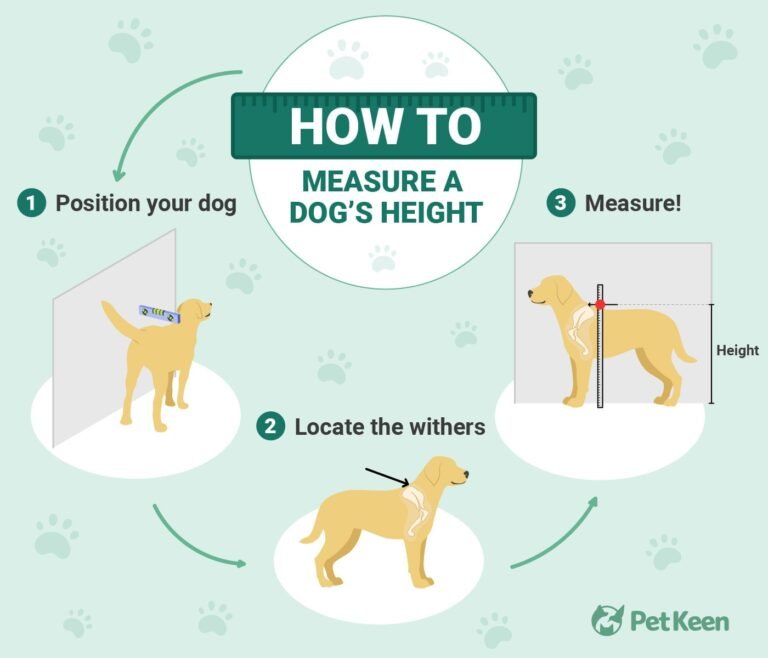
How to Measure a Dog for a Costume: A Simple Step-by-Step Guide
Learning how to measure a dog for a costume is simple once you know where to place the tape. You need a soft measuring tape, a calm dog, and a few minutes. Take each measurement while your dog stands in a normal position.
The key is fit, not just size. A costume can look cute but still be too tight around the chest or neck. When choosing a costume for Halloween, a parade, a party, or a photo, comfort should come before the look.
What Measurements Do You Need for a Dog Costume?
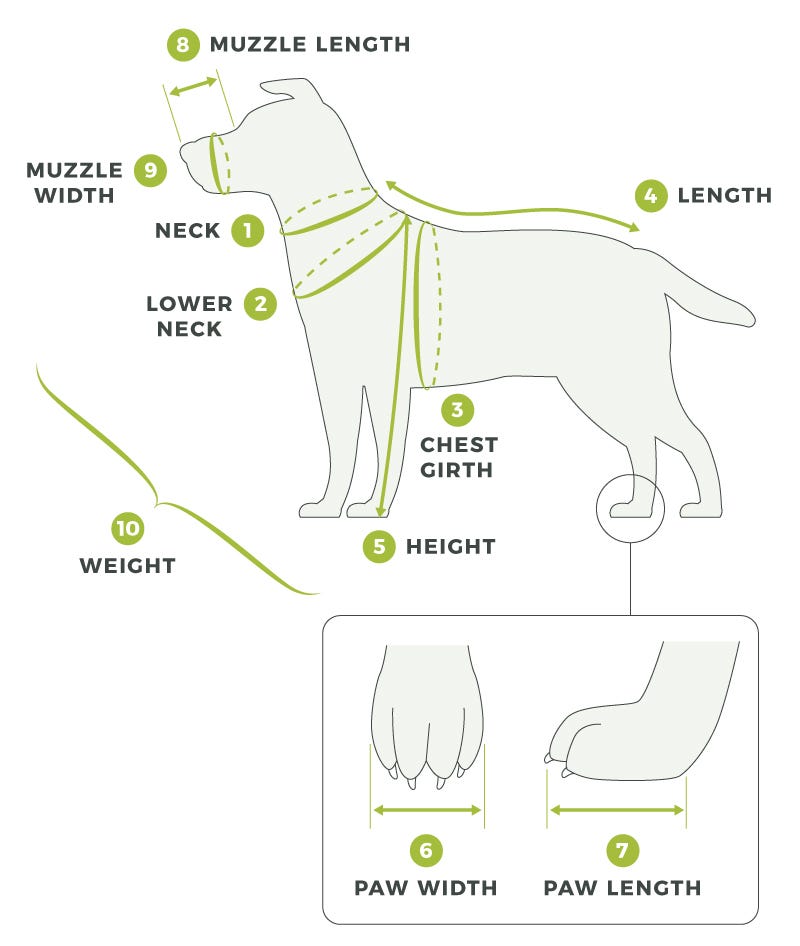
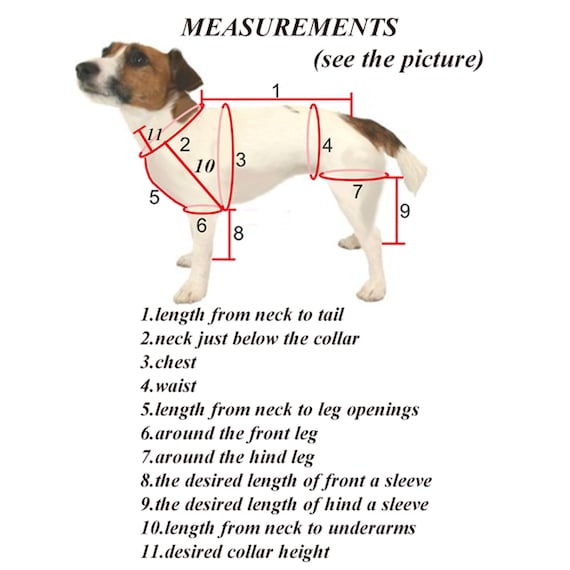
Most dog costumes use three main measurements: neck, chest, and back length. Some designs also need waist, head, leg, or face measurements. Check the costume size chart before you start so you know exactly what the maker asks for.
Do not rely on your dog’s breed or weight alone. Two dogs with the same weight can have very different body shapes. A broad-chested dog may need a different size from a long, slim dog of the same weight.
- ✦ Neck
Measure around the base of the neck, where a collar normally sits.
- ✦ Chest
Measure around the widest part of the chest, usually just behind the front legs.
- ✦ Back
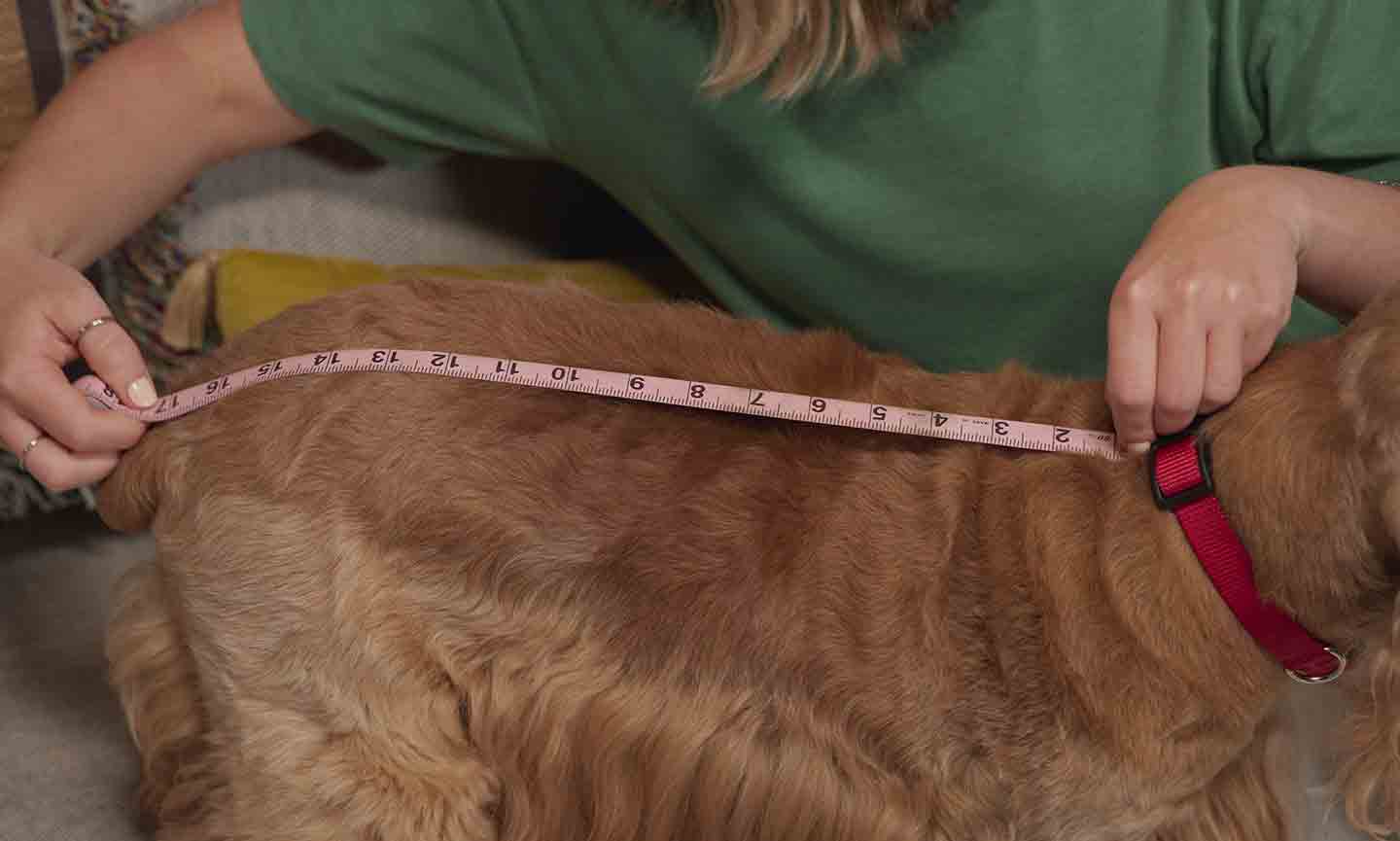
Measure from the base of the neck to the base of the tail along the back.
- ✦ Extra areas
Measure the waist, head, legs, or other areas only when the costume’s size guide asks for them.
What You Need Before Measuring
A soft fabric tape works best. If you do not have one, use a piece of string and measure the string with a ruler. Keep a pen or phone nearby so you can record each number.
It also helps to have small treats. Reward your dog for standing still. If your dog becomes nervous, take a short break and try again.
- ✦ Soft measuring tape
Use a flexible tape that can follow your dog’s body without digging into the fur.
- ✦ Treats
Use treats to keep your dog calm and still during each measurement.
- ✦ Size chart
Have the costume maker’s size chart ready before you measure.
How to Measure a Dog for a Costume Step by Step
The easiest way to learn how to measure a dog for a costume is to take one measurement at a time. Ask your dog to stand on a flat surface. Keep the tape level and do not pull it tight.
Write down every measurement as you go. Repeat any number that seems uncertain. A difference of an inch can matter when a costume has a close fit.
- ✦ Step 1: Get your dog standing
Place your dog on a flat surface in a relaxed, natural stance. Avoid measuring while your dog is sitting or lying down.
- ✦ Step 2: Measure the neck
Wrap the tape around the base of the neck. Leave enough room to avoid a tight fit, and keep the tape flat against the coat.
- ✦ Step 3: Measure the chest
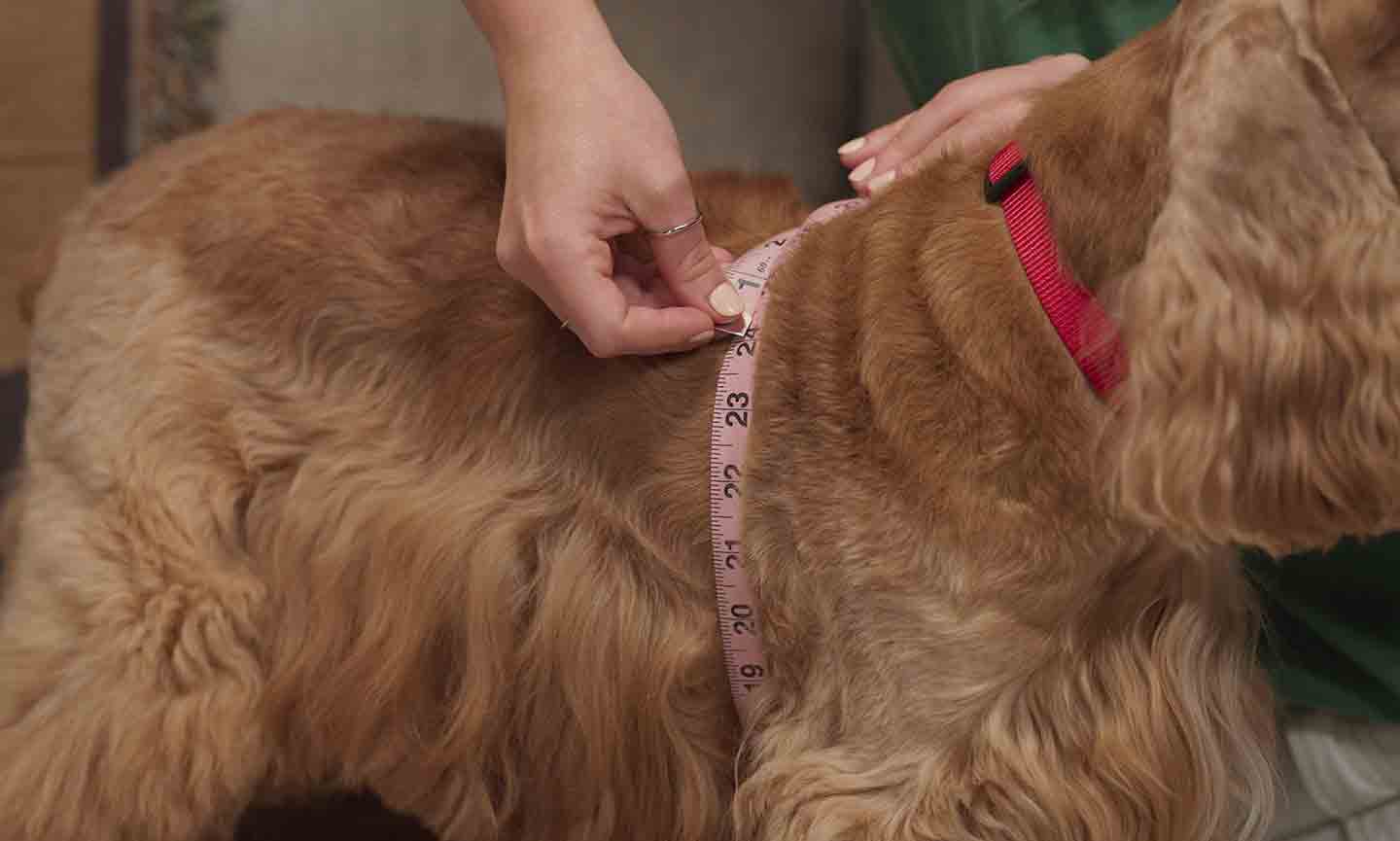
Wrap the tape around the widest part of the rib cage, usually just behind the front legs. Keep the tape level all the way around.
- ✦ Step 4: Measure the back
Start at the base of the neck and run the tape along the spine to the base of the tail. Do not include the tail unless the size guide says to.
- ✦ Step 5: Record the numbers
Write each measurement in inches if the U.S. size chart uses inches. Label each number clearly so you do not mix up neck, chest, and back length.
How to Measure Neck Size
Place the tape at the base of your dog’s neck. This is lower than the narrow area under the jaw. Think about where a normal collar rests, but do not measure over a thick collar.
The tape should touch the coat without pressing into the skin. You should be able to slide a finger between the tape and your dog’s neck. This helps prevent an overly tight costume.
- ✦ Keep it level
Make sure the tape sits evenly around the neck instead of slanting up toward the head.
- ✦ Do not pull hard
A tight pull can make the neck seem smaller than it really is.
How to Measure Chest or Girth
Chest girth is often the most useful measurement for dog clothing. Wrap the tape around the widest part of the rib cage, just behind the front legs. Keep the tape straight and level.
Take the reading after your dog settles into a normal breath. Do not squeeze the rib cage. If your dog has a thick coat, make sure the tape reaches through the coat without pressing it flat.
- ✦ Find the widest point
For most dogs, this point is just behind the front legs and around the deepest part of the rib cage.
- ✦ Use the full number
Record the measurement as accurately as you can instead of rounding too early.
How to Measure Back Length
For back length, place one end of the tape at the base of the neck. Run it straight along the back to the base of the tail. Keep your dog standing while you take the reading.
Some brands define back length in slightly different ways. Always compare your measurement with the exact diagram or instructions on the costume’s size chart.
- ✦ Start at the right spot
Begin where the neck meets the body rather than at the top of the head.
- ✦ Stop at the tail base
Usually, the tail is not part of the back-length measurement.
How to Read a Dog Costume Size Chart
Once you know how to measure a dog for a costume, the next step is reading the size chart. Look at the neck, chest, and back ranges rather than choosing a size from the label alone. A small in one brand may not match a small in another.
If your dog’s measurements fall between two sizes, check the product’s fit notes. For a costume that has adjustable straps or closures, there may be more room to fine-tune the fit. For a rigid or close-fitting costume, the larger size may provide needed space, but follow the maker’s own guidance.

- ✦ Compare measurements
Match your dog’s actual measurements to the chart instead of using breed or weight as the main guide.
- ✦ Check all required areas
A costume should fit the neck, chest, and back as required by the design, not just one measurement.
- ✦ Read fit notes
Look for instructions about slim, regular, relaxed, or adjustable fits.
- ✦ Check the return policy
If you are unsure between sizes, review the seller’s return rules before buying.
What If Your Dog Is Between Sizes?
Do not automatically pick the smaller size. A costume that is too tight can limit movement and cause rubbing. Check which body measurement is most important for that specific design.
For many full-body costumes, chest girth is a key fit point. Still, the best choice depends on the design, fabric, closures, and maker’s size instructions.
- ✦ Use the maker’s priority
Follow the measurement that the size chart identifies as the main fit point.
- ✦ Look for adjustability
Velcro, buckles, ties, and elastic panels can make a costume easier to fit.
How to Get Accurate Measurements on a Wiggly Dog
Many dogs do not enjoy standing still while a tape moves around them. That is normal. The trick is to make the process calm and quick instead of trying to force your dog to hold one pose for a long time.
Use treats, praise, and short sessions. If you have another person available, one person can keep the dog’s attention while the other takes the measurement.
- ✦ Measure after exercise
A short walk or play session may help your dog settle before you begin.
- ✦ Use a helper
One person can gently keep the dog focused while the other handles the tape.
- ✦ Take quick readings
Prepare the tape before you start so each measurement takes only a few seconds.
- ✦ Repeat when needed
Take two readings and compare them if your dog moved during the first attempt.
What If Your Dog Will Not Stand Still?
Do not wrestle with your dog to get a measurement. Stop if your dog shows clear fear or distress. You can try again later when your dog is calm.
For a very active dog, a second person can hold a treat near the dog’s nose while you measure. Keep the process positive and brief.
- ✦ Keep sessions short
Take one or two measurements, reward your dog, and pause if needed.
- ✦ Never force the fit
If your dog resists a costume during the fitting, remove it and reassess the design and size.
Common Mistakes When Measuring a Dog for a Costume
Small measuring errors can lead to a poor fit. One common mistake is measuring a dog while sitting. The chest and body shape can change, which may give you a less useful number.
Another mistake is choosing a costume from weight alone. Weight can help as a rough guide, but body shape varies widely between individual dogs and breeds. Accurate measurements give you a much better starting point.

- ✦ Measuring over a bulky collar
A collar can add extra space to the neck measurement. Remove it before measuring unless the costume is designed to fit over it.
- ✦ Pulling the tape too tight
A tight tape can make the body seem smaller and lead to a costume that does not fit well.
- ✦ Ignoring the size chart
Do not assume that the same labeled size works across different brands.
- ✦ Using weight as the only guide
Weight does not show chest width, neck size, or back length.
- ✦ Forgetting the coat
A thick coat can change the fit. Measure as your dog will normally wear the costume.
Should You Measure a Dog With Its Fur Combed or Natural?
Measure your dog in the coat condition that matches normal costume use. Do not flatten a thick coat with strong pressure. The goal is to estimate the space the costume needs around the body.
If your dog has a very thick coat, pay close attention to the costume maker’s fit advice. An adjustable design may work better than a tight costume with fixed dimensions.
- ✦ Keep the coat natural
Let the fur sit normally rather than pressing it hard against the body.
- ✦ Consider seasonal grooming
If your dog’s coat will change a lot before the event, allow for the expected fit change.
How a Dog Costume Should Fit
A costume should allow your dog to walk, sit, lie down, turn, and move its legs without restriction. It should not press hard against the neck or chest. Check the fit before your dog wears the costume for a longer event.
Watch your dog’s body language. If your dog keeps trying to remove the costume, freezes, scratches at it, or seems upset, take it off. Some dogs simply do not enjoy wearing costumes, and that preference should be respected.

- ✦ Neck
The neck area should not squeeze or interfere with normal breathing or swallowing.
- ✦ Chest
The chest area should allow normal breathing and free movement of the front legs.
- ✦ Legs
Sleeves or leg openings should not rub, pinch, or limit normal steps.
- ✦ Eyes and ears
Head pieces should not block vision, press on the eyes, or restrict normal ear movement.
- ✦ Tail and bathroom area
The design should leave enough space for normal tail movement and bathroom needs.
Safety Checks Before Your Dog Wears the Costume
Try the costume at home before the event. Let your dog wear it for a short period while you watch closely. Check for rubbing, loose parts, or signs of stress.
Do not leave a dog unattended in a costume. Small decorations, straps, or loose pieces may create risks if your dog chews or swallows them.
- ✦ Watch movement
Make sure your dog can walk, sit, lie down, and turn with ease.
- ✦ Check decorations
Look for loose buttons, strings, bells, or small parts that your dog could chew or swallow.
- ✦ Check heat
Avoid heavy costumes in warm conditions and give your dog breaks when needed.
Special Tips for Different Dog Body Types
Body shape matters when you are figuring out how to measure a dog for a costume. A long-backed dog may need extra back length, while a broad-chested dog may need more room around the ribs. Short-legged dogs may also need costumes with shorter leg openings.
Breed labels can help you understand general body shape, but they cannot replace your dog’s own measurements. Measure the individual dog every time you buy a new costume, especially if the dog is still growing.

- ✦ Long-backed dogs
Pay close attention to back length and make sure the costume does not end too far forward.
- ✦ Broad-chested dogs
Check chest girth first and avoid designs that feel tight around the ribs.
- ✦ Deep-chested dogs
Compare the chest measurement with the full size chart because a narrow neck does not mean a small overall size.
- ✦ Small dogs
Check neck and leg openings carefully because loose costume parts can become a problem.
- ✦ Growing puppies
Recheck measurements close to the event because puppies can change size quickly.
How Often Should You Measure Your Dog?
Measure your dog again when buying a new costume if the last measurement is old. This matters most for puppies, young dogs, dogs whose weight has changed, and dogs with major coat changes.
For an adult dog with a stable size, you may not need to measure often. Still, a fresh measurement takes only a few minutes and can prevent an expensive sizing mistake.
- ✦ Before each new purchase
Use fresh measurements when possible because each brand can use a different size system.
- ✦ After body changes
Recheck measurements after major weight, growth, or coat changes.
A Simple Dog Costume Measurement Checklist
If you need a quick method, use this checklist before ordering. It covers the main steps in how to measure a dog for a costume without making the process harder than it needs to be.
Keep the final measurements in your phone. That way, you can compare them with future costume charts without measuring from scratch every time.
- ✦ Prepare
Get a soft tape, treats, and the costume size chart.
- ✦ Stand
Have your dog stand naturally on a flat surface.
- ✦ Measure neck
Measure around the base of the neck without pulling the tape tight.
- ✦ Measure chest
Measure around the widest part of the rib cage, just behind the front legs.
- ✦ Measure back
Measure from the base of the neck to the base of the tail.
- ✦ Compare
Match all required measurements with the maker’s size chart.
- ✦ Test
Try the costume at home and check movement, comfort, and safety before the event.
Why Taking Photos Can Help
If you are unsure about fit, take a side photo of your dog while standing. A photo can help you compare the costume shape with your dog’s back and body shape. It can also help you explain the fit issue to a seller or maker.
Keep the photo for your own records with the measurements. This is useful when you shop for another costume later.
- ✦ Side view
A side photo can make back length and body shape easier to compare.
- ✦ Keep measurements together
Save the photo and measurements in one note so they are easy to find.