How to Measure a Dog for a Coat: A Simple Step-by-Step Guide
Learning how to measure a dog for a coat is simple when you know where to place the tape. The key is to measure your dog while standing, keep the tape snug but not tight, and write down each number. A few careful measurements can prevent a coat from being too short, too loose, or too tight.
In practice, the biggest sizing mistake is choosing a coat by breed, weight, or a past size alone. Dogs of the same breed can have very different body shapes. A deep chest, long back, wide neck, or thick coat can change the fit. For that reason, body measurements give you a much better starting point.
This guide explains how to measure a dog for a coat at home. It also shows how to read a size chart, handle thick fur, check the finished fit, and avoid common measuring errors. The same method works for many dog coats, winter coats, raincoats, and lightweight jackets sold in the United States.
What Measurements Do You Need for a Dog Coat?
Before you start, check the coat maker’s size guide if one is available. Different brands can use different measurements and size ranges. One brand may focus on back length, while another may give more weight to chest size.
For most coats, you should know your dog’s back length, chest girth, and neck size. Some coats may also need leg length, belly width, or a measurement around a special body area.

- ✦ Back length
Measure from the base of the neck to the base of the tail. This is often the main measurement used for dog coats.
- ✦ Chest girth
Measure around the widest part of the chest, usually just behind the front legs.
- ✦ Neck size
Measure around the lower part of the neck where the coat collar will sit.
- ✦ Extra measurements
Check the product guide for other measurements if the coat has sleeves, a hood, a harness opening, or a special cut.
What You Need Before Measuring
Use a soft measuring tape. A sewing tape works well because it can follow the shape of your dog’s body. If you do not have one, use a strip of string and measure the string against a ruler or firm tape measure.
Keep a pen and note nearby. Write each measurement down as you take it. If your dog has long or thick fur, have a second person help keep the dog still.
- ✦ Soft tape
Choose a flexible tape that can wrap around the chest and neck without digging into the fur.
- ✦ Helper
A helper can offer a treat and keep your dog calm while you position the tape.
- ✦ Level surface
Measure on a flat floor where your dog can stand naturally without slipping.
How to Measure a Dog for a Coat Step by Step
The easiest way to learn how to measure a dog for a coat is to take one measurement at a time. Ask your dog to stand in a normal position. Do not measure while your dog is sitting, lying down, or stretching.
Keep the tape close to the body without pulling it tight. You want the tape to follow the dog’s shape, not press the body inward. Take each measurement twice when possible and use the more consistent number.
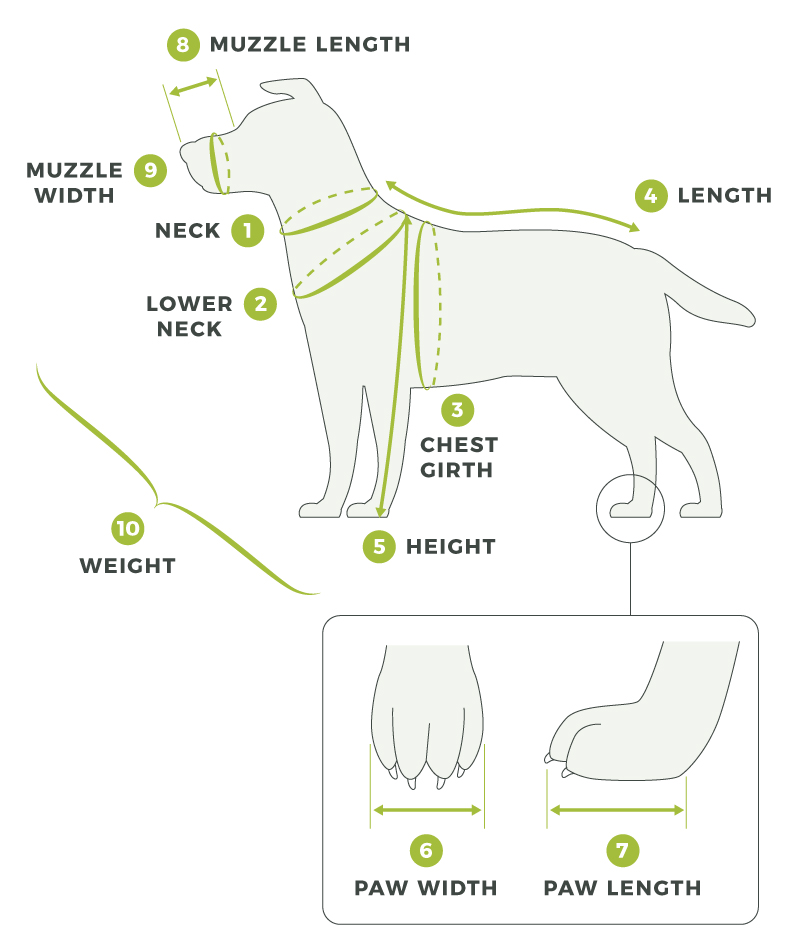
- ✦ Step 1: Stand your dog
Place your dog on a flat surface. Keep all four feet in a natural stance and let the head rest in a normal position.
- ✦ Step 2: Measure the back
Place the start of the tape at the base of the neck, near the point where the neck meets the shoulders. Run the tape along the spine to the base of the tail.
- ✦ Step 3: Measure the chest
Wrap the tape around the widest part of the rib cage, usually just behind the front legs. Keep the tape level around the body.
- ✦ Step 4: Measure the neck
Wrap the tape around the lower neck where the coat collar will sit. Keep it snug without squeezing the neck.
- ✦ Step 5: Record the numbers
Write down the measurements in inches. Keep the numbers together so you can compare them with the coat’s size chart.
How to Measure Your Dog’s Back Length
Back length is one of the most important measurements when you learn how to measure a dog for a coat. Start at the base of the neck, not the top of the head. Then run the tape along the dog’s back to the base of the tail.
Do not measure all the way to the tip of the tail unless the coat maker tells you to. A coat that is too long can bunch near the tail or interfere with normal movement. A coat that is too short may leave much of the back exposed.
- ✦ Start point
Use the point where the neck meets the shoulders as the starting point.
- ✦ End point
Stop at the base of the tail unless the brand gives different instructions.
- ✦ Tape position
Keep the tape along the center of the back instead of measuring in a straight line above the body.
How to Measure Your Dog’s Chest Girth
Chest girth tells you how much room the coat needs around the rib cage. Wrap the tape around the widest part of your dog’s chest. For many dogs, this point sits just behind the front legs.
The tape should touch the coat or body without pressing into it. A chest measurement that is too tight can lead to a coat that restricts movement. A measurement that is too loose can make the coat shift during walks.
- ✦ Find the widest point
Look for the deepest and widest part of the rib cage rather than the narrow waist.
- ✦ Keep it level
Make sure the tape does not slope sharply up or down as it wraps around the body.
- ✦ Do not pull
Keep the tape snug but loose enough to avoid pressing the chest.
How to Measure Your Dog’s Neck
For neck size, place the tape around the lower part of the neck where the coat collar will sit. Do not measure high under the jaw unless the coat maker specifically asks for that point.
The neck should have enough room for comfortable movement and breathing. If the coat uses a zipper, buckle, or hook-and-loop closure, check the product instructions for the exact neck area to measure.
- ✦ Use the coat position
Measure where the collar or upper edge of the coat will sit.
- ✦ Keep it comfortable
The tape should sit against the neck without digging into the skin or fur.
How to Read a Dog Coat Size Chart
Once you know how to measure a dog for a coat, the next step is matching the numbers to the size chart. Start with the actual measurements, not the size name. A small, medium, or large label can mean very different things from one brand to another.
Look at all the measurements listed by the maker. If your dog falls between two sizes, check which measurement controls the fit. For many coats, chest girth is more important for comfort than a small difference in back length.

- ✦ Compare every listed measurement
Check your dog’s back, chest, and neck against the matching ranges in the size chart.
- ✦ Follow brand instructions
Use the brand’s stated measuring points because sizing methods can vary.
- ✦ Check the fit style
A loose raincoat may fit differently from a close winter coat or insulated jacket.
- ✦ Consider the coat layer
If your dog will wear the coat over a sweater, allow for that extra layer when the product instructions permit it.
What If Your Dog Is Between Sizes?
Dogs often fall between two coat sizes. In that case, do not add a random amount to the measurement. Check the brand’s fit notes and compare your dog’s chest and back measurements with both sizes.
The larger size may provide more room, but it can also shift or hang too far back. The smaller size may have the right length but feel tight around the chest. Focus on the measurement that affects comfort and movement most for that coat design.
- ✦ Check chest fit
Make sure the coat gives the rib cage enough room for normal movement.
- ✦ Check back coverage
Make sure the coat covers the intended part of the back without extending too far.
- ✦ Check closure range
Look at the adjustable range of straps, snaps, zippers, or hook-and-loop panels.
How Should a Dog Coat Fit?
A correct measurement is only the first part of getting the right coat. After the coat arrives, check the fit while your dog stands and walks. The coat should stay in place without rubbing, squeezing, dragging, or blocking normal movement.
Pay close attention to the neck, chest, shoulders, legs, and belly. Your dog should be able to walk, sit, turn, and relieve themselves without the coat getting in the way. If the coat has adjustable straps, make small changes and check the fit again.
:max_bytes(150000):strip_icc()/how-to-measure-your-dogs-winter-2000-6612c05fcfa14868a578ca82bb8c247c.jpg "Dog Winter Coats: How To Fit Your Dog's New Jacket")
- ✦ Neck
The collar area should sit comfortably without pressing on the throat or limiting normal head movement.
- ✦ Chest
The coat should leave enough room around the rib cage for easy movement and comfortable breathing.
- ✦ Shoulders
The front of the coat should not pull across the shoulders when your dog walks.
- ✦ Back
The coat should cover the intended back area without bunching or sliding to one side.
- ✦ Legs
Openings should not rub the legs or restrict the normal stride.
- ✦ Belly
The lower edge should stay clear of the area needed for urination and other bathroom needs.
A Simple Movement Test
After putting the coat on, let your dog walk around indoors for a few minutes. Watch the shoulders and legs as your dog turns, sits, and walks. Look for pulling, twisting, or signs that the coat keeps shifting.
A short movement test can reveal problems that a standing fit check may miss. If the coat looks fine while your dog is still but pulls when the dog walks, the design or size may not be a good match.
- ✦ Walk
Watch for normal steps without pulling at the shoulders or legs.
- ✦ Sit
Check that the coat does not bunch or press into the body.
- ✦ Turn
Make sure the coat stays in place when your dog turns around.
Common Mistakes When Measuring a Dog for a Coat
Knowing how to measure a dog for a coat is not hard, but small mistakes can change the result. Most errors come from measuring the wrong body point, pulling the tape too tight, or using a size based only on breed.
Take your time and measure your dog in a calm setting. If your dog will not stand still, take a short break and try again rather than forcing the process.

- ✦ Measuring while sitting
A sitting dog changes the shape of the back and chest. Measure while the dog stands naturally.
- ✦ Pulling the tape tight
A tight tape can make the chest or neck look smaller than it really is.
- ✦ Measuring to the tail tip
Most standard coat measurements stop at the base of the tail. Follow the product guide.
- ✦ Using breed size alone
Breed labels do not account for every dog’s body shape, age, weight change, or coat thickness.
- ✦ Ignoring thick fur
A heavy coat can add bulk. Measure the body in a way that matches the manufacturer’s instructions.
- ✦ Using an old measurement
Dogs can change shape with age, growth, weight changes, and changes in muscle. Recheck measurements before buying a new coat.
Why Weight Is Not Enough
Weight can help as a general guide, but it does not show where that weight sits on the body. Two dogs can weigh the same and have very different back lengths and chest sizes.
For that reason, do not use weight as a replacement for body measurements when a coat size chart is available. Use the actual measurements first.
- ✦ Body shape varies
Dogs with the same weight can have different chest depth, back length, and neck size.
- ✦ Coat design varies
A fitted coat and a loose coat may need different measurements even for the same dog.
Tips for Measuring Puppies and Dogs With Thick Fur
Puppies can change size quickly, so their measurements may become outdated sooner than those of adult dogs. If you are buying a coat for a growing puppy, check the fit often and use adjustable features when possible.
Thick or curly fur can make measurement less exact. Do not crush the coat with the tape. Instead, follow the coat maker’s instructions and focus on a measurement that gives the garment enough room without making it overly loose.

- ✦ For puppies
Measure close to the time of purchase and check the fit often as the puppy grows.
- ✦ For thick coats
Keep the tape snug without compressing the fur heavily.
- ✦ For curly coats
Smooth the fur gently so the tape follows the body rather than measuring a large fur pocket.
- ✦ For anxious dogs
Use treats and short sessions. Stop if your dog becomes stressed.
When to Measure Again
Measure again before buying a new coat if your dog has grown, gained or lost weight, or changed body shape. Puppies may need frequent checks during growth.
It is also useful to recheck measurements when switching brands. A measurement from one coat should not automatically be treated as the correct size for another brand.
- ✦ Before a new purchase
Take fresh measurements rather than relying on numbers from an old coat.
- ✦ After body changes
Recheck the chest, neck, and back if your dog’s body size has changed.
How to Measure a Dog for Different Types of Coats
The basic method for how to measure a dog for a coat stays the same, but the best fit can change with the coat design. A raincoat may need room for movement and an outer layer. A winter coat may need extra space if your dog wears another layer underneath.
Some coats cover only the back and chest. Others have belly panels, sleeves, hoods, or harness openings. Always check the product’s own measurement instructions before placing an order.
- ✦ Winter coat
Check whether the dog will wear another layer underneath and allow only the amount of extra room recommended by the manufacturer.
- ✦ Raincoat
Focus on full back coverage, chest comfort, and freedom of movement during walks.
- ✦ Light jacket
A lighter coat may have a closer fit, so avoid choosing a size that is loose enough to shift.
- ✦ Coat with sleeves
Check for extra measurements around the legs if the manufacturer provides them.
- ✦ Harness-friendly coat
Look for the correct harness opening and make sure it lines up with your dog’s harness.
Coats for Deep-Chested or Long-Backed Dogs
Some dogs have a body shape that makes standard coat sizing harder. A long back can need a longer coat, while a deep chest can require more room around the ribs. In these cases, compare several measurements rather than choosing by back length alone.
If a brand offers a special cut or adjustable design, its measurement guide may give a better fit. A coat should match the dog’s body shape as well as the basic size range.
- ✦ Check chest first
Make sure the coat has enough room around a deep or wide rib cage.
- ✦ Check back coverage
Make sure the coat reaches the desired point without interfering with the tail.
- ✦ Use adjustable features
Adjustable straps can help when a dog’s chest and back do not fit one standard shape.
How to Tell if a Dog Coat Is Too Small or Too Large
Even if you followed every step for how to measure a dog for a coat, the final fit still matters. A size chart can only predict fit. Your dog’s movement gives the clearest test once the coat is on.
A coat that is too small may pull at the chest, shoulders, or neck. A coat that is too large may shift, drag, catch on objects, or leave parts of the body exposed.
- ✦ Signs it is too small
Look for tight closures, restricted shoulder movement, pulling across the chest, rubbing, or a coat that does not provide the intended coverage.
- ✦ Signs it is too large
Look for shifting, loose openings, bunching, dragging fabric, or closures that cannot be secured well.
- ✦ Check normal movement
Your dog should be able to walk, sit, turn, and move the head and legs normally.
- ✦ Check after movement
Look at the coat again after a short walk because movement can change how the garment sits.
When a Different Coat Design May Be Better
Sometimes the issue is not the size. The shape of the coat may simply not match your dog’s body. A different cut, closure, or adjustable design can solve a fit problem that changing sizes cannot.
For example, a dog with a broad chest and shorter back may need a different coat shape rather than a larger size. Focus on comfort and safe movement instead of trying to make every body shape fit one design.
- ✦ Try an adjustable cut
Adjustable chest or belly panels can help with unusual body proportions.
- ✦ Look for a different length
A shorter or longer cut may provide better back coverage without changing chest comfort.