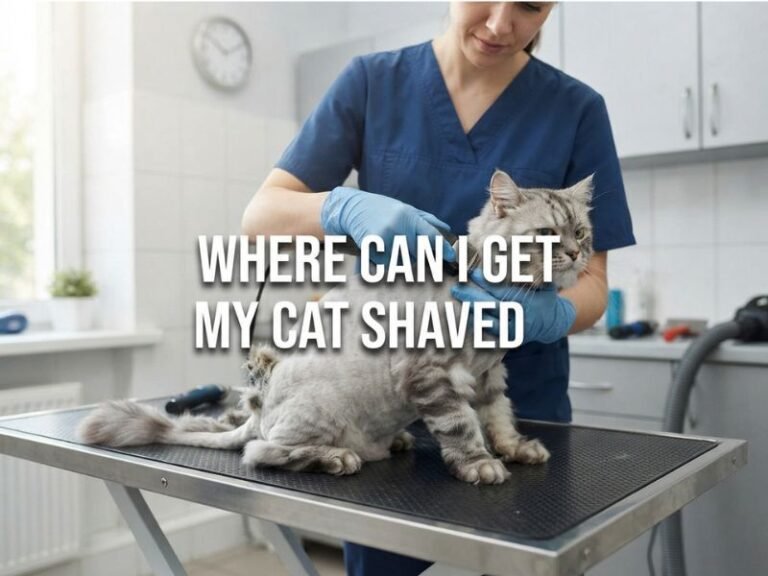
How to Trim a Cat’s Fur: Setup Steps and Troubleshooting Tips
How to trim a cat’s fur? A long-haired cat can go from fluffy to uncomfortable surprisingly fast A small mat behind the leg may pull at the skin litter can cling to the fur.
I use trimming as a limited grooming solution not as a routine haircut for every cat The safest approach depends on the coat the location of the excess.
The goal is not to create a perfect show-style cut. It is to remove manageable hygiene or comfort problems while preserving the coat’s protective function and keeping the experience calm.
When a Cat Needs a Fur Trim
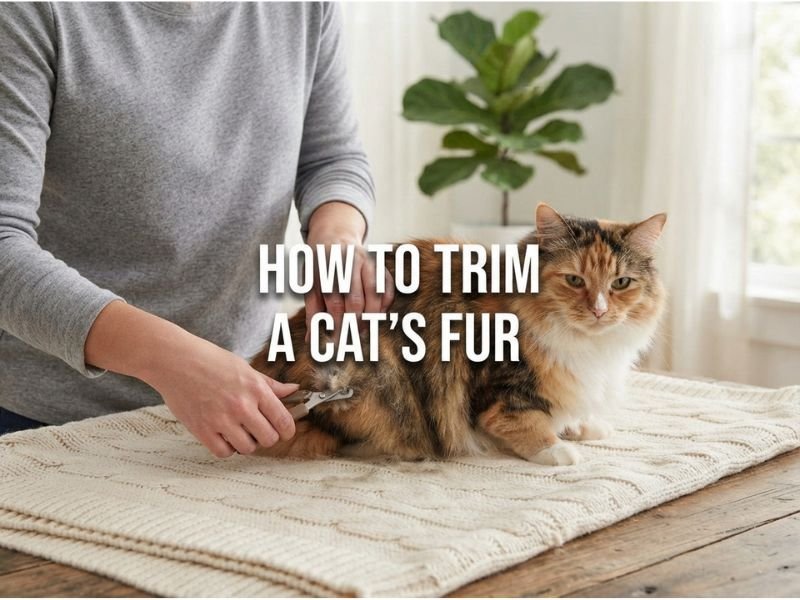
Most cats do not need their entire coat clipped. Regular brushing usually removes loose hair, prevents minor tangles, and distributes natural oils. A trim becomes useful when fur is interfering with hygiene, movement, comfort, or medical care.
- Sanitary trimming: Fur around the anus or inner thighs may collect stool or urine, especially in long-haired cats.
- Paw trimming: Hair growing between the paw pads can collect litter, reduce traction, or become packed with debris.
- Mat removal: Small, loose tangles may be carefully shortened if they are not close to the skin.
- Medical preparation: A veterinarian may recommend clipping a specific area for surgery, wound care, or medication.
- Comfort management: A small targeted trim can help a cat that repeatedly soils or pulls at a problem area.
Fur should not be trimmed simply because a cat feels warm A cat s coat provides insulation in both warm and cool conditions and helps shield the skin.
A full-body haircut is generally a professional grooming job It requires proper equipment restraint skills and the ability to recognize skin folds lesions parasites and abnormal lumps I would not attempt a lion cut or.
Safety Checks Before Trimming
Look closely at the area before picking up scissors or clippers. Separate the fur with your fingers and check whether the skin is red, swollen, wet, bleeding, scabbed, unusually dark, or painful. A strong odor, discharge, broken skin, or repeated licking can indicate infection or another condition that trimming alone will not solve.
Stop and contact a veterinarian if the cat has any of these signs:
- A tight mat attached directly to the skin
- Bleeding, pus, open wounds, or a foul smell
- Severe redness, swelling, or heat
- Fleas, ticks, or many black specks that may be flea dirt
- A sudden change in grooming, appetite, activity, or litter box habits
- Strong pain, biting, hissing, or panic when the area is touched
A mat can hide a wound or pull the skin into the cutting path The skin of cats is thin and flexible which makes it easy for loose.
Choose the right time
Trim when the cat is naturally relaxed such as after a meal or a quiet play session Avoid starting during a stressful event immediately after a frightening noise.
Never give a cat a sedative or over-the-counter calming product unless a veterinarian has prescribed or approved it. Human medications and some essential oils can be dangerous to cats. If sedation is necessary, a veterinary professional should provide it and monitor the cat.
Tools for Trimming Cat Fur
Simple, clean tools are safer than improvised equipment. The exact setup depends on whether the task involves a small sanitary area, paw pads, or a loose tangle.
- Small pet clippers: Quiet, cordless clippers with a guard can be useful for limited trims. A clipper designed for pets is preferable to a household hair trimmer.
- Blunt-tipped grooming scissors: These may work for a small amount of fur that is clearly away from the skin. Sharp household scissors are a poor choice around a moving cat.
- Metal comb: A comb helps separate fur, identify the edge of a mat, and confirm that a section is loose enough to trim.
- Soft brush: Brushing removes loose hair before and after the trim.
- Non-slip towel or mat: This gives the cat stable footing on a table or countertop.
- Treats: Small, high-value treats help create a positive association with handling.
- Clean cloth and pet-safe grooming supplies: These can help wipe loose fur and keep the area tidy.
Inspect clipper blades before use A hot blade can burn skin and a dull blade may snag fur and pull Follow the manufacturer s instructions for cleaning lubrication.
Do not use human hair-removal creams, perfumes, hair sprays, household disinfectants, or essential oils on a cat. Cats lick their coats, so anything left on the fur can be swallowed.
How to Trim a Cat’s Fur Step by Step
1. Introduce the tools gradually
Put the comb, clippers, towel, and treats near the cat without beginning the trim. Let the cat sniff them. Reward calm behavior, then put the items away. On another occasion, turn on the clippers several feet away for a few seconds and reward the cat if the reaction remains calm.
A cat does not need to love the sound of clippers before a trim, but the cat should be able to remain reasonably settled. If the sound causes hiding, frantic movement, flattened ears, or repeated attempts to flee, use a quieter tool, continue desensitization later, or book a professional appointment.
2. Set up a secure work area
Choose a bright, quiet room with a closed door. Place a non-slip mat or folded towel on a stable surface. Keep the clippers, comb, treats, and cleaning supplies within reach so the cat is never left unattended on a high counter.
A second calm adult can help by offering treats and gently stabilizing the cat, but restraint should never involve forceful pinning, neck scruffing, or holding the cat down for an extended period. The helper’s role is to support calm positioning, not overpower resistance.
3. Brush and comb the fur
Brush the coat in the direction it naturally lies. Then slide a comb through the fur around the intended trim area. If the comb catches, do not yank it. Small tangles may loosen with careful finger separation, but a tight mat should not be cut out casually.
For loose fur, place the comb between the skin and the section being shortened. This creates a physical barrier and helps show where the scissors or clipper should stop. The comb must be fully under the fur; a partial barrier is not reliable protection.
4. Start with the least sensitive area
If a trim is needed in more than one place, begin with an easy area, such as a small amount of fur on top of a paw. Keep the first contact brief. Touch the tool to the fur, make one small pass, reward the cat, and pause.
For clippers, move slowly in the direction of hair growth unless the tool’s instructions or a professional groomer recommends another technique. Use light pressure and short passes. Do not repeatedly run a blade over the same spot, because friction and heat can irritate the skin.
5. Trim only what is necessary
For sanitary fur, shorten the long strands around the outer edge of the rear rather than cutting close to the anus or genital area. The objective is to reduce contamination, not expose bare skin. Work from the outside toward the problem area while checking the cat’s body language.
For paw fur, trim only hair that extends beyond the paw pads or forms a small tuft between them. Keep the paw in a natural position and avoid stretching the toes apart. Never cut a suspected foreign object, wound, or embedded debris without veterinary guidance.
For a small loose tangle, use the comb to lift the fur away from the skin. Trim the free end in tiny sections. If the tangle is dense, flat, or close to the skin, stop. Clippers handled by an experienced professional are safer than trying to slide scissors underneath a tight mat.
6. Take frequent breaks
Offer a treat after a few seconds of calm behavior. Watch for early stress signals such as tail flicking, skin twitching, turning the head toward the tool, tense muscles, growling, or repeated paw withdrawal. These signals are a request for a pause, not a challenge to overcome.
End the session while the cat is still coping. A five-minute session that ends calmly is more useful than a complete trim followed by fear and struggling. A second session can finish the job after the cat has had time to relax.
7. Check the skin and clean the tools
After trimming, inspect the area for nicks, redness, heat, or small cuts. Brush away loose fur and remove clipped hair from the coat so the cat does not ingest a large amount during grooming. Clean and store the tools according to their instructions.
If the cat develops bleeding, swelling, persistent licking, or obvious pain after a trim, contact a veterinarian. A tiny superficial nick may require simple observation, but a cut near the anus, genital area, paw pad, or eye should receive professional advice.
Trimming Sensitive Areas
Sanitary trim around the rear
This is one of the most common reasons owners consider trimming, but it is also an area where sudden movement can cause injury. Keep the cat in a natural standing or relaxed crouching position if possible. Avoid forcing the cat onto its back.
Use a comb to lift the outer fur and remove only the strands that extend beyond the body Keep scissors pointed away from the skin and avoid cutting.
If stool is dried into the coat, do not pull it free. Soften and remove contamination according to veterinary guidance, or have a groomer handle it. Pulling can tear skin, and cutting through a hardened clump can bring the blade dangerously close to the body.
Fur between the paw pads
Place the paw on a stable surface and trim only the fur that protrudes past the pads or touches the floor. The pads themselves should never be shaved or cut. Work one paw at a time, rewarding the cat after each short pass.
Check for cracks, swelling, stuck litter, or a splinter while the paw is visible. A cat that suddenly resists paw handling may be experiencing pain rather than simple impatience.
Long facial or eye-area fur
Do not use scissors near the eyes, eyelids, whiskers, or nose. Whiskers are specialized sensory hairs and should not be cut. Fur that blocks vision or causes eye irritation should be managed by a veterinarian or an experienced cat groomer.
Scissors or Clippers?
For most home grooming, the choice depends on the amount and location of fur rather than personal preference.
| Tool | Best use | Main risk |
|---|---|---|
| Blunt-tipped grooming scissors | A tiny amount of loose fur clearly away from the skin | A moving cat can bring skin or a paw into the cutting path |
| Pet clippers | Small sanitary or paw-area trims with a cooperative cat | Heat, noise, snagging, or cutting a skin fold |
| Comb and brush | Removing loose fur and preventing minor tangles | Pulling too hard on mats or sensitive skin |
Scissors provide precise control but require an unobstructed view of the skin and a very still cat. Clippers can remove fur more evenly, but they introduce noise, vibration, heat, and the risk of catching loose skin. I would choose the least invasive tool that can complete the specific task safely.
Common Problems and Troubleshooting
The cat will not stay still
Do not chase, corner, or increase restraint. Stop the session and return to tool introduction later. Practice touching the shoulder, leg, or paw for one second, then reward. Gradually increase the duration over several sessions.
If the cat is highly fearful, aggressive, elderly, painful, or medically fragile, a cat-experienced groomer or veterinarian is the safer choice. A professional can also determine whether the behavior reflects pain.
The clippers frighten the cat
Turn the clippers off and reward calm behavior. Next time, place the running clippers farther away, then gradually decrease the distance over multiple short sessions. A quieter model may help, but sound is only one part of the problem; vibration and contact can also be unpleasant.
Never hold a frightened cat still while running clippers over the body. That can make the tool and the grooming area frightening in the future.
The fur is matted
Small, loose tangles may sometimes be separated with fingers and a comb. Do not bathe a severely matted cat first, because water can tighten mats against the skin. Do not use scissors to cut beneath a dense mat.
Extensive mats should be removed by a professional. A veterinarian may be needed if the skin is damaged, if the cat is in pain, or if safe handling requires sedation.
The cat has a bald or uneven patch
An uneven appearance is usually less important than skin safety. Fur may look uneven after a targeted trim, particularly around the paws or rear. Do not keep cutting to make both sides look identical if the cat is becoming stressed.
A naturally bald area, broken hairs, redness, scabs, or repeated licking is different. Those signs can result from parasites, allergies, infection, pain, or compulsive grooming and should be evaluated rather than covered up with another trim.
The cat bites or scratches
Stop immediately and give the cat space. Do not punish the behavior. Biting and scratching can signal fear, pain, overstimulation, or a need for a break. If a bite breaks the skin, wash it promptly and seek medical advice when appropriate, because cat bites can become infected.
The cat keeps getting dirty around the rear
Repeated soiling may result from long fur, soft stool, diarrhea, constipation, obesity, arthritis, or difficulty reaching the area. A sanitary trim may help temporarily, but it does not address the underlying cause. Persistent stool in the coat, straining, changes in stool consistency, or reduced self-grooming deserves veterinary attention.
How to Prevent Future Trimming Problems
Regular brushing is usually more effective than infrequent major grooming. The schedule depends on coat length, density, age, and the cat’s ability to groom. Long-haired cats often need more frequent combing around the armpits, belly, hind legs, and rear.
Use a metal comb to reach through the coat rather than brushing only over the surface. Check behind the ears, under the front legs, around the collar, along the belly, and at the base of the tail. Stop if the comb catches painfully; pulling can make future grooming harder.
Build handling into ordinary life. Briefly touch the paws, lift the tail for a moment, look at the rear, and reward the cat before any trimming is needed. Keep each practice session short and predictable.
Nutrition, weight management, and veterinary care also matter. An overweight cat may have trouble reaching the rear, while arthritis can make bending and paw lifting painful. A coat that suddenly becomes greasy, tangled, or poorly groomed can be an early sign that a cat is not feeling well.
When to Hire a Professional
Choose a professional cat groomer or veterinarian when the trim involves a full coat, severe mats, sensitive skin, the face, a wound, or a highly resistant cat. Look for someone who regularly handles cats rather than someone who primarily grooms dogs.
A veterinary clinic is the better option when the coat problem may involve disease, pain, parasites, infection, or an injury. A groomer can remove excess fur, but a veterinarian can diagnose why the problem developed.
Ask about the planned technique, how the cat will be handled, whether breaks are offered, and what happens if the cat becomes distressed. Avoid providers who promise to force a frightened cat through a cosmetic haircut without discussing safety.
FAQ About Trimming a Cat’s Fur
Can I trim my cat’s fur with regular scissors?
Regular household scissors are not ideal because they are sharp difficult to control around a moving animal and more likely to cut skin If a very small amount.
Should I shave my cat in hot weather?
Usually, no. A cat’s coat helps insulate the body and protect the skin from sunlight. Shaving can cause sun exposure, uneven regrowth, and unnecessary stress. Brush out loose undercoat and provide shade, water, and a comfortable indoor temperature. Ask a veterinarian before removing a large amount of fur for a medical reason.
How short should a sanitary trim be?
A sanitary trim should remove enough outer fur to reduce feces or urine collecting in the coat not expose large areas of bare skin The exact length depends.
Can I cut a mat out of my cat’s fur?
Only a small, loose mat that is clearly away from the skin may be cautiously shortened after a comb is placed between the fur and skin. Never slide scissors beneath a tight mat or pull the skin upward. Dense, widespread, or skin-attached mats should be removed by a professional.
How do I trim a cat that hates clippers?
Do not force the trim. Introduce the turned-off clippers, reward calm behavior, then gradually expose the cat to the sound from a distance during separate sessions. If the cat remains frightened or aggressive, a professional groomer or veterinarian should handle the trim. A quiet tool may help, but it cannot replace safe handling.
Is it safe to trim fur around a cat’s eyes?
No home scissors should be used close to the eyes. Fur blocking vision, rubbing the eye, or becoming tangled with discharge should be evaluated by a veterinarian or an experienced cat groomer. Whiskers should not be trimmed.
What should I do if I nick my cat?
Stop trimming and assess the injury without repeatedly handling it Apply gentle pressure with clean gauze if there is minor bleeding but seek veterinary advice for a deep.
Conclusion
Safe grooming is selective slow and guided by the cat s comfort For most cats the best approach to how to trim a cat’s fur is a small.