What Does Cat Panting Mean: Key Facts and Helpful Explanations
Many people assume a panting cat is simply tired, much like a dog after a run. That comparison can be misleading. Cats usually breathe quietly through their noses, so visible panting—especially while resting—can signal overheating, fear, pain, or a medical problem that deserves attention.
If you are wondering, what does cat panting mean, the most useful answer depends on timing and context. I will explain when panting may be temporary, which symptoms make it an emergency, what causes veterinarians consider, and what you can safely do while deciding whether your cat needs immediate care.
The key is not to judge the breathing sound alone. I look at the whole picture: what the cat was doing, how long the panting lasts, whether the mouth is open, and whether other changes—such as weakness, coughing, pale gums, or hiding—appear at the same time.
What does cat panting mean?
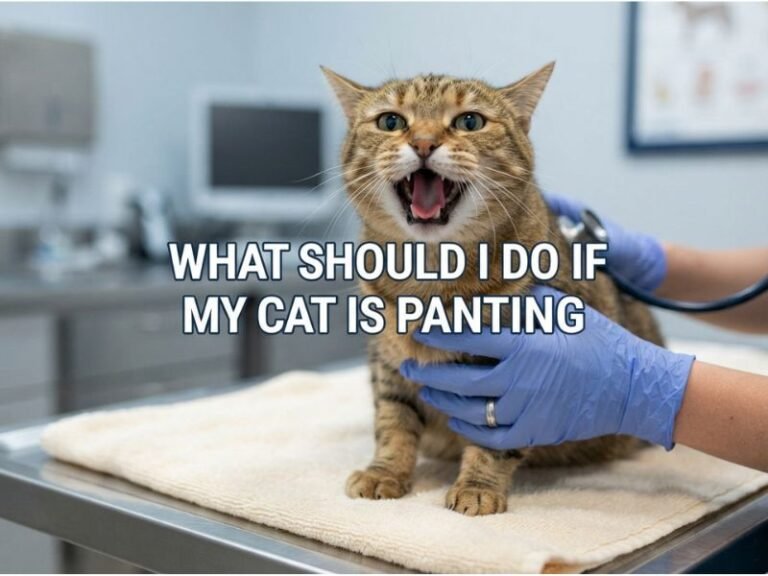
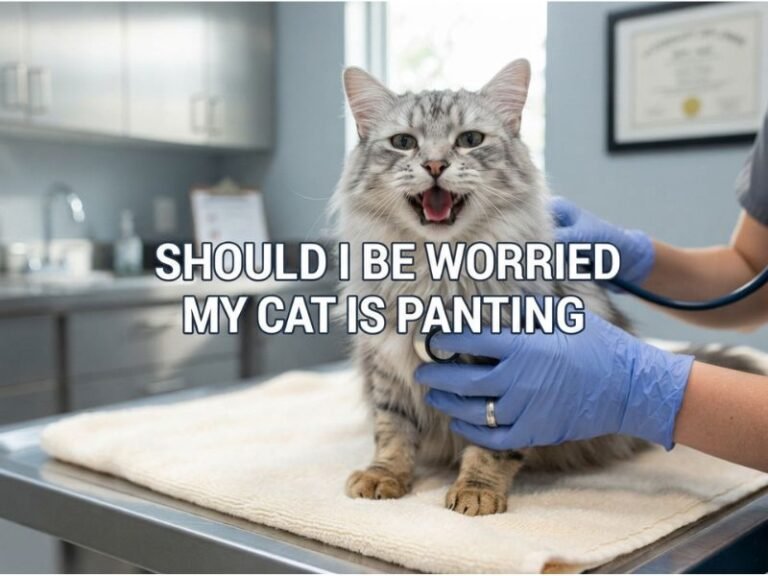
Cat panting means a cat is breathing rapidly, often with its mouth open and tongue partly visible. It can be a short-lived response to intense activity, heat, fear, or travel. However, cats are not habitual panters, so unexplained or persistent panting should not be dismissed.
A cat may pant because the body is trying to cool itself, because adrenaline has increased its breathing rate, or because the lungs, heart, airway, blood, or other organs are not supplying enough oxygen. Panting is a sign, not a diagnosis. Its meaning comes from the surrounding circumstances.
Brief panting immediately after vigorous play can be less concerning if the cat returns fully to normal after a short rest in a cool, quiet area. Panting that starts while a cat is lying down, sleeping, or performing only mild activity is more concerning. So is panting that keeps returning without an obvious trigger.
When cat panting may be normal
Some situations can cause temporary panting without a serious underlying illness. Even in these cases, the breathing should settle as the trigger ends and the cat relaxes.
After intense activity
A cat that has sprinted, chased a toy, climbed stairs, or engaged in a prolonged play session may briefly pant. Kittens and highly energetic cats can push themselves harder than expected. Stop the activity, provide access to fresh water, and allow the cat to rest in a comfortable room.
Normal recovery should look gradual. The cat should become quieter, close its mouth, resume relaxed breathing, and behave normally. If the panting is severe, lasts longer than expected, or occurs after only mild movement, I would treat it as a reason to call a veterinarian.
Heat or poor ventilation
Cats may pant in a hot room, inside a warm vehicle, on a sunny porch, or after being trapped in an area without adequate airflow. Heat can become dangerous quickly, particularly for cats with flat faces, thick coats, obesity, heart disease, or breathing disorders.
Move the cat to a cool, well-ventilated area. Do not use ice water or force the cat to drink. If the cat continues panting, seems weak, vomits, staggers, collapses, or has abnormal gums, seek emergency veterinary care.
Fear, anxiety, or excitement
Car rides, veterinary visits, fireworks, unfamiliar animals, visitors, and stressful handling can trigger rapid breathing. A frightened cat may also crouch, hide, widen its eyes, flatten its ears, or hold its body tightly.
Once the cat is in a quiet, familiar environment, stress-related panting should improve. Do not assume anxiety is the cause if the breathing remains abnormal after the stressful event has ended. Medical problems can look like fear, and fear can occur alongside illness.
When panting is a warning sign
Panting deserves prompt attention when it happens at rest, appears suddenly, becomes frequent, or is accompanied by other symptoms. A cat may have a serious problem even if it does not cry out or appear dramatically distressed. Cats often conceal illness until their condition is advanced.
Contact a veterinarian promptly if your cat has unexplained panting, repeated episodes, or breathing that does not return to normal after rest. A same-day appointment is especially appropriate when panting occurs with reduced appetite, tiredness, coughing, vomiting, weight loss, or a noticeable change in behavior.
Signs of a breathing emergency
Go to an emergency veterinary hospital immediately if you notice any of the following:
- Open-mouth breathing that continues while the cat is resting
- Blue, gray, purple, or very pale gums or tongue
- Severe effort from the chest or abdomen with each breath
- Neck stretched forward, elbows held away from the body, or inability to lie comfortably
- Collapse, fainting, extreme weakness, confusion, or unresponsiveness
- Repeated coughing, choking, gagging, or noisy breathing
- Sudden breathing trouble after an injury, sting, medication, or possible toxin exposure
- Rapid worsening over minutes or an inability to settle
These signs can indicate respiratory distress, inadequate oxygen, shock, severe pain, heatstroke, or another time-sensitive condition. Call the emergency clinic while preparing to leave so staff can advise you and prepare for arrival.
Common medical causes of cat panting
A veterinarian may investigate several categories of illness. Panting alone cannot identify the cause, and a cat can have more than one problem at the same time.
Heart disease
Heart disease can reduce efficient blood circulation and may lead to rapid breathing, panting, weakness, exercise intolerance, or collapse. Some cats develop fluid buildup in or around the lungs, making breathing especially difficult. Coughing is not always present in cats with heart disease.
Asthma and lower-airway disease
Feline asthma causes inflammation and narrowing of the lower airways. Affected cats may cough, wheeze, breathe rapidly, or extend the neck while trying to move air. An acute asthma attack is an emergency if breathing is labored or the cat cannot settle.
Upper-airway obstruction
Problems in the nose, throat, or voice box can interfere with airflow. Foreign material, swelling, growths, severe infection, or a flat facial structure may contribute. Noisy breathing, snoring while awake, gagging, nasal discharge, or difficulty swallowing can provide additional clues.
Pain
Panting can be a response to significant pain, including pain from injury, abdominal disease, urinary blockage, or surgery. Cats in pain may hide, become unusually still, growl when touched, stop eating, or change their posture. Because cats often mask discomfort, new panting should not be separated from subtle behavior changes.
Heatstroke
Heatstroke is a life-threatening rise in body temperature. Panting may be followed by drooling, vomiting, diarrhea, weakness, confusion, seizures, or collapse. A hot cat showing these signs needs emergency care, not observation at home.
Anemia or blood loss
Anemia reduces the blood’s ability to carry oxygen. Possible signs include pale or white gums, weakness, fast breathing, panting, reduced stamina, and a fast heartbeat. Blood loss, parasites, immune disease, toxins, and chronic illness can all contribute.
Metabolic or systemic illness
Kidney disease, diabetes, severe infection, fever, hormonal disorders, and other systemic conditions can alter breathing or make a cat feel distressed. For example, an unregulated diabetic cat may develop a dangerous metabolic crisis with weakness, vomiting, dehydration, and abnormal breathing.
Medication or toxin exposure
Some medications, chemicals, essential oils, human pain relievers, and other substances can cause panting, agitation, weakness, drooling, vomiting, or neurologic changes. Never give a human medication to a cat unless a veterinarian specifically prescribed it. If exposure is possible, contact a veterinarian or an animal poison service immediately and keep the product container available.
How to assess your cat’s breathing
Observation can help a veterinarian, but it should never delay emergency treatment. Approach calmly. Stress and restraint can make breathing worse, particularly in a cat already struggling for oxygen.
Check the circumstances
Ask yourself what happened immediately before the panting:
- Was the cat exercising intensely?
- Was the room, vehicle, or carrier hot?
- Did a frightening event occur?
- Could the cat have been injured or exposed to medication or a toxin?
- Did the panting begin during sleep or quiet rest?
- Has it happened before, and is each episode becoming more frequent?
Note whether the cat can walk normally, respond to your voice, drink, and settle. Also watch for coughing, sneezing, nasal discharge, vomiting, diarrhea, drooling, limping, hiding, or appetite changes.
Count the resting respiratory rate
If the cat is calm and not purring, watch the chest. One rise and one fall count as one breath. Count for 30 seconds and multiply by two, or count for a full minute if the rhythm is irregular. Record the number and whether breathing appears effortless or strained.
Many healthy resting cats breathe roughly 15 to 30 times per minute, although the situation matters and a single measurement is not a diagnosis. A persistently elevated resting rate, especially with visible effort or other symptoms, warrants veterinary advice. Do not force a cat to remain still just to obtain a count.
Look at gum color without delaying care
Healthy gums are generally pink, though normal pigmentation varies. Pale, white, gray, blue, or purple gums are abnormal. Yellow gums may indicate jaundice. A cat that resists examination, becomes more distressed, or is already struggling should be transported rather than repeatedly checked.
What to do if your cat is panting
My first priority would be reducing stress while deciding how urgent the situation is. Keep the cat in a quiet, cool room and remove obvious triggers. Do not chase, wrestle, or tightly restrain the cat. If a carrier is needed, use one that allows good airflow and avoid compressing the chest.
For mild panting after play, stop the activity and observe closely. Offer water, but do not force it. If the cat returns completely to normal, monitor for recurrence and arrange a veterinary discussion if episodes continue.
For panting at rest or any breathing difficulty, call a veterinarian immediately. If emergency signs are present, go directly to an emergency clinic. Transport the cat as calmly as possible, keep the car comfortably cool, and avoid placing food, water, or medication in the mouth during distress.
Do not try to diagnose asthma, heart disease, or heatstroke at home. Do not use a nebulizer, inhaler, sedative, pain reliever, or cooling treatment unless a veterinarian has given specific instructions for that cat. Home remedies can waste valuable time or worsen the condition.
How veterinarians find the cause
A veterinarian will usually begin by assessing the cat from a distance, because unnecessary handling can increase respiratory effort. The examination may include breathing pattern, gum color, heart rate, temperature when safe, hydration, lung sounds, heart sounds, and evidence of pain or trauma.
Depending on the findings, testing may include chest X-rays, an ultrasound of the heart or chest, blood work, urinalysis, blood pressure measurement, or tests for infectious and metabolic disease. A pulse oximeter may help estimate oxygen saturation, although movement and poor circulation can affect readings.
Treatment depends on the cause. Oxygen support may be provided for respiratory distress. Other treatments could include carefully selected medications for airway inflammation, fluid around the lungs, heart disease, infection, pain, dehydration, or toxin exposure. A veterinarian may first stabilize breathing before completing every diagnostic test.
Bring a video of an episode if it can be recorded safely. Note the duration, activity beforehand, resting respiratory rate, appetite, medications, possible exposures, and any recent changes at home. These details can make the appointment more efficient, but recording should never delay emergency care.
Risk factors that deserve extra attention
Some cats have less breathing reserve or a higher risk of complications. Flat-faced breeds, including Persian and Himalayan cats, may have narrowed airways. Overweight cats can overheat more easily and may struggle with exertion. Kittens, senior cats, and cats with known heart, lung, kidney, or endocrine disease also deserve a lower threshold for veterinary evaluation.
Recent surgery, anesthesia, a new medication, a fall, a bite wound, or exposure to a hot environment can change the urgency. A cat with an established asthma or heart condition may have an action plan from its veterinarian; follow that plan rather than improvising treatment.
Preventing avoidable panting episodes
Prevention cannot eliminate illness, but it can reduce common triggers and help identify changes earlier.
- Keep cats in temperature-controlled areas with fresh water and good ventilation.
- Never leave a cat in a parked vehicle, even briefly.
- Build intense play gradually and allow rest between sessions.
- Maintain a healthy body condition with veterinary guidance.
- Use a secure, well-ventilated carrier for travel.
- Keep medications, cleaners, plants, chemicals, and essential oils away from pets.
- Schedule routine examinations, especially for senior cats or cats with chronic disease.
- Ask the veterinarian for a written plan if the cat has asthma, heart disease, or a history of heat-related problems.
Routine care also creates a baseline. If I know how a cat normally rests, eats, plays, and breathes, a meaningful change is easier to recognize. A short video of normal breathing can sometimes help a veterinarian compare a new episode with the cat’s usual pattern.
Mistakes to avoid
The most common mistake is assuming panting is normal because dogs pant. Cats can pant for harmless reasons, but frequent or unexplained panting deserves more caution.
Another mistake is waiting for coughing. Serious feline breathing problems may occur without a cough. A cat that is open-mouth breathing, using its abdomen heavily, or unable to get comfortable needs attention even if there is no sound.
Repeatedly picking up a distressed cat can worsen oxygen demand and anxiety. I would minimize handling, keep the airway unobstructed, and follow the emergency clinic’s instructions. It is also unsafe to force water, food, or medication into a cat that is breathing abnormally.
Finally, do not rely on a normal-looking gum color to rule out danger. Cats can deteriorate quickly, and early respiratory problems may not produce dramatic visible changes. Breathing effort, behavior, and progression matter as much as color.
Frequently asked questions about cat panting
Is cat panting after play normal?
Brief panting can occur after intense play or running. It should improve with rest in a cool, quiet area, and the cat should return to normal behavior. Panting after mild activity, prolonged panting, or repeated episodes should be discussed with a veterinarian.
Why is my cat panting while resting?
Panting at rest is not typical for most cats. Possible causes include pain, heat, fear that has not resolved, asthma, heart disease, anemia, infection, toxin exposure, or another medical problem. Call a veterinarian promptly, and seek emergency care if breathing is labored or the cat has pale or blue gums.
Can stress make a cat pant?
Yes. Fear, travel, restraint, loud noises, and unfamiliar surroundings can cause temporary panting. The breathing should ease after the cat is calm and safe. Persistent panting should not automatically be blamed on stress because illness can cause similar behavior.
How long is too long for a panting cat?
There is no single safe time limit because the cause and severity matter. Panting that continues after rest, keeps recurring, or occurs with weakness, abnormal gum color, coughing, or breathing effort should receive prompt veterinary attention. Severe open-mouth breathing is an emergency immediately.
Is panting a sign that a cat is dying?
Panting does not by itself show that a cat is dying. It does show that the cat may be overheated, distressed, in pain, or medically unwell. Because some causes are treatable but time-sensitive, a panting cat should be assessed rather than interpreted at home as a definite sign of the end of life.
Should I give my panting cat water?
You may place fresh water nearby if the cat is alert and able to drink normally, but never force water into the mouth. A cat that is panting heavily, vomiting, weak, confused, or struggling to breathe needs veterinary care instead of home hydration attempts.
Can a cat pant from being too hot?
Yes, heat can cause panting, but overheating may progress to heatstroke. Move the cat to a cool area, avoid ice water and forced drinking, and contact an emergency veterinarian if panting persists or if weakness, vomiting, diarrhea, confusion, or collapse occurs.
Conclusion
Understanding what does cat panting mean starts with context: brief panting after intense play or fear may resolve, while panting at rest, repeated episodes, or visible breathing effort can signal an emergency. Keep your cat calm and cool, avoid home medications and forced water, and contact a veterinarian promptly when the cause is unclear. Fast attention is often the safest choice because cats can hide serious breathing problems until they worsen.