Why Do Cats Pant: Everything You Need to Know and Understand
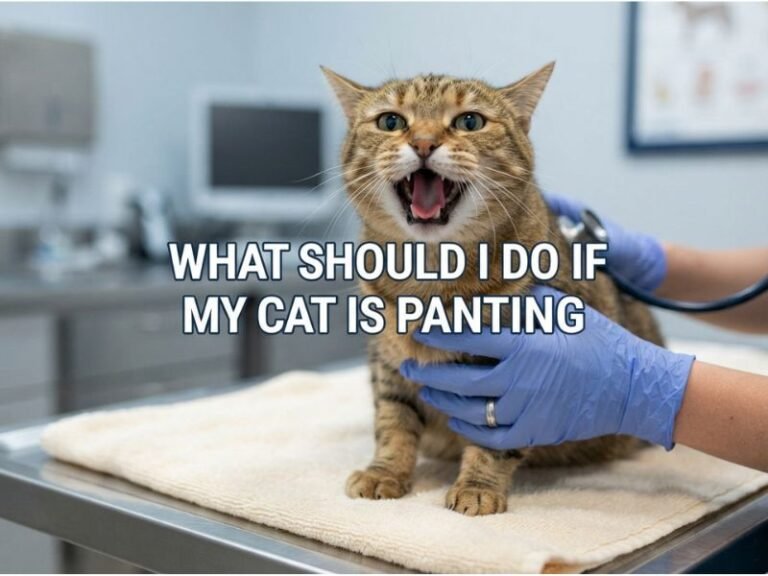
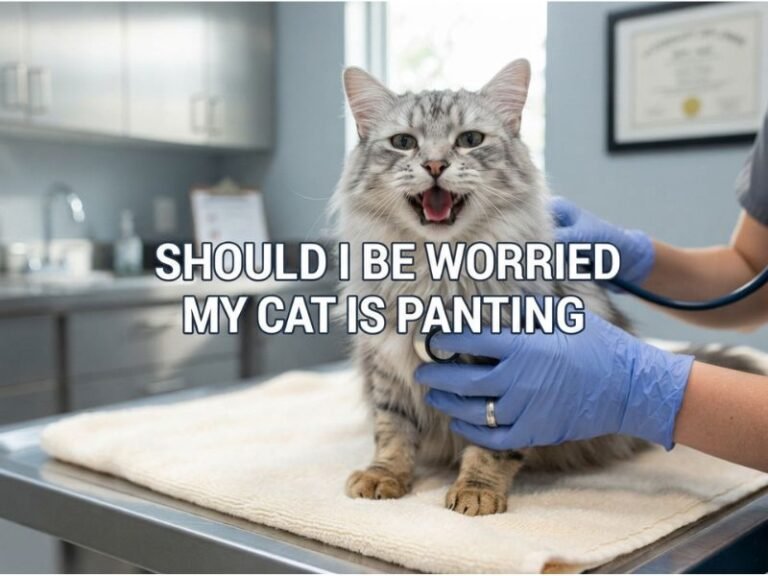
Dogs often pant as a normal way to cool themselves, so many people assume a panting cat is simply warm, excited, or tired. Cats are different. A few breaths after intense activity may be harmless, but open-mouth breathing can also signal heat stress, pain, asthma, heart disease, or another problem that needs prompt attention.
If you are wondering why do cats pant, the most useful answer depends on what happened before the panting, how long it lasts, and what your cat looks like while breathing. I’ll explain the common harmless situations, the warning signs that change the situation, and what to do at home while deciding whether veterinary care is needed.
Because breathing problems can worsen quickly, this is not a symptom to dismiss automatically. A calm cat that continues panting, breathes with effort, or has pale or blue gums should be treated as an emergency.
Why do cats pant?
Cats pant when they are trying to move more air through the lungs or release excess body heat. Unlike dogs, cats usually regulate temperature mainly by seeking shade, reducing activity, grooming, and allowing limited heat loss through the paw pads. Panting is not their typical everyday cooling behavior.
Brief panting can happen after strenuous play, a stressful car ride, or exposure to high heat. In those cases, breathing should gradually return to normal after the cat rests in a cool, quiet place. Panting that is prolonged, recurrent, or unrelated to an obvious trigger is more concerning.
A veterinarian may describe this as open-mouth breathing or respiratory distress, depending on the cat’s other signs. The word “panting” does not identify the cause by itself. It only tells me that the cat’s breathing pattern has changed.
When panting may be normal
Not every episode means a cat is seriously ill. Context matters, and a short episode with a clear explanation is generally less alarming than panting that begins while a cat is resting.
After intense exercise
A cat may pant briefly after sprinting, chasing a toy, or playing vigorously for several minutes. This is more likely in a young, energetic cat that stops, rests, and returns to quiet breathing fairly quickly. The episode should resolve as the cat cools down.
Repeated panting after only mild activity is different. It can suggest poor fitness, obesity, pain, airway disease, or a heart and lung problem. I would not use exercise alone to explain frequent episodes without discussing them with a veterinarian.
During fear or excitement
Travel, a veterinary visit, fireworks, unfamiliar animals, restraint, and intense excitement can cause temporary panting. A stressed cat may also crouch, vocalize, hide, flatten the ears, dilate the pupils, or hold the body rigid.
Once the trigger ends, the cat should gradually relax. If panting continues after the cat is calm, or if the cat appears unable to settle, the breathing deserves closer attention.
In hot or poorly ventilated conditions
Heat can cause panting, especially in a carrier, sunny room, closed vehicle, or poorly ventilated space. A cat exposed to high temperatures can develop heatstroke, which is life-threatening.
Move the cat to a cool, shaded, ventilated area immediately. Do not wrap the cat in a thick towel or force cold water into the mouth. If the cat is weak, confused, vomiting, collapsing, or still panting heavily, seek emergency veterinary care while cooling the cat safely.
Medical reasons a cat may pant
Panting can reflect a problem anywhere along the breathing and circulation system. Some causes are mild, while others require immediate treatment. A cat may have more than one issue at the same time, so a physical examination is often necessary.
Asthma and other airway disease
Feline asthma causes inflammation and narrowing of the airways. Affected cats may cough, wheeze, breathe rapidly, extend the neck, or pant with the mouth open. Some cats squat with the elbows held away from the chest during an episode.
Dust, smoke, fragrances, aerosols, and other airborne irritants can aggravate breathing in susceptible cats. Asthma can look similar to other lung conditions, so I would not assume that a wheezing or panting cat has asthma without veterinary evaluation.
Heart disease and fluid around the lungs
Heart disease can interfere with normal circulation and oxygen delivery. Some cats develop fluid in or around the lungs, making breathing difficult. Signs may include rapid breathing, panting, weakness, reduced appetite, hiding, or reluctance to move.
Hypertrophic cardiomyopathy, a disease involving abnormal thickening of the heart muscle, is one important condition veterinarians consider in cats. A cat can have heart disease without an obvious murmur, so a seemingly quiet episode still warrants attention if it happens at rest.
Pain or injury
Pain can increase a cat’s breathing rate and cause panting. Dental pain, abdominal discomfort, trauma, urinary obstruction, arthritis, and postoperative pain are possible examples. Cats often conceal pain, so subtle changes matter.
Look for hiding, a hunched posture, tension, reluctance to jump, unusual aggression, reduced grooming, vocalization, or a change in litter box behavior. Panting after an injury should be treated as a reason to contact a veterinarian promptly.
Fever, infection, or inflammation
Fever and illness can raise a cat’s metabolic demand. Respiratory infections may also interfere directly with breathing. Nasal discharge, sneezing, coughing, lethargy, poor appetite, dehydration, and warm ears can accompany illness, although touch alone cannot confirm a fever.
A cat with fever and panting needs professional assessment, particularly if the cat is not eating, seems weak, or has difficulty breathing. Never give human fever or pain medicine unless a veterinarian specifically prescribes it; several common medications are toxic to cats.
Anemia or reduced oxygen delivery
Anemia means the blood has too few red blood cells or too little hemoglobin to carry oxygen effectively. Parasites, blood loss, immune-mediated disease, kidney disease, toxins, and other conditions can contribute to anemia.
A cat with anemia may have pale gums, fatigue, rapid breathing, weakness, or a fast heartbeat. Pale, gray, or white gums are not normal and should prompt urgent veterinary attention.
Stress, medication, or toxin exposure
Severe stress can cause temporary panting, but certain medications, toxins, and metabolic problems can also alter breathing. Essential oils, insecticides, human medications, recreational drugs, and some household chemicals are potential hazards.
If poisoning is possible, remove access to the substance and contact a veterinarian or a pet poison service immediately. Do not induce vomiting or give milk, oil, or another home remedy unless a veterinary professional instructs you to do so.
How to tell whether panting is an emergency
The safest approach is to assess the entire cat rather than focusing only on the panting. A cat that pants briefly after play and then acts normal is different from a cat that pants while lying still and looks distressed.
Emergency warning signs
Seek an emergency veterinarian immediately if panting occurs with any of these signs:
- Breathing with the mouth open while resting
- Blue, gray, purple, or very pale gums or tongue
- Strong belly movements, exaggerated chest motion, or obvious effort
- Neck stretched forward or elbows held away from the body
- Wheezing, gasping, choking sounds, or repeated coughing
- Collapse, severe weakness, confusion, or inability to stand
- Rapid deterioration or panting that does not settle in a cool, quiet room
- Known heat exposure, trauma, or possible toxin ingestion
Do not wait for a cat to become unconscious before seeking help. Cats can compensate for disease until they suddenly worsen.
Signs that still need a prompt appointment
Arrange a veterinary appointment soon if episodes recur, occur after mild activity, wake the cat from sleep, or appear without an obvious trigger. A cat that is eating less, losing weight, coughing, hiding more, or breathing faster than usual also needs evaluation.
Even if panting stops, recurring episodes are worth recording and reporting. Cats may look normal between episodes, and that does not rule out asthma, heart disease, pain, or another underlying condition.
What to do when your cat is panting
First, stay calm and reduce stimulation. Move the cat away from heat, smoke, fragrances, other pets, children, and loud activity. Give access to fresh water, but do not force the cat to drink.
Allow the cat to choose a comfortable position. Avoid chasing, grabbing, excessive handling, or trying to examine the mouth if the cat is struggling to breathe. Stress and restraint can increase oxygen demand and make breathing harder.
Call a veterinary clinic or emergency hospital while observing the cat. Explain when the panting began, what the cat was doing beforehand, whether heat or trauma was involved, and whether the gums look normal. If safe, record a short video for the veterinarian.
For transportation, use a well-ventilated carrier and keep the car comfortably cool. Remove the carrier’s top if that allows gentle placement without forcing the cat through a small door. Keep the cat’s chest unobstructed, and do not give medication unless a veterinarian directs you.
How to check your cat’s breathing
Counting breaths can provide useful information, but it should never delay emergency care. Check only when the cat is calm or asleep, not while purring, playing, or actively panting.
- Watch the chest rise and fall once. One rise and one fall count as one breath.
- Count the breaths for 30 seconds.
- Multiply that number by two to estimate breaths per minute.
- Write down the result and note whether breathing looks easy or labored.
A sleeping or relaxed cat commonly has a breathing rate in the teens or twenties, though individual variation exists. A consistently elevated resting rate, especially above about 30 breaths per minute, is worth discussing with a veterinarian; a rate above 40, visible effort, or a worsening trend is more urgent.
Numbers are only part of the assessment. A cat with a seemingly moderate rate but obvious effort may be in greater danger than a cat with a faster rate and no visible distress. Open-mouth breathing at rest should not be dismissed because a count seems acceptable.
What a veterinarian may investigate
The veterinarian will usually begin with the cat’s history and a careful observation of breathing. Useful details include the duration of each episode, activity before panting, exposure to heat or irritants, appetite, coughing, vomiting, medications, and previous medical conditions.
If the cat is unstable, the first priority is oxygen and minimizing stress. A clinic may provide oxygen in a chamber, by mask, or through another method while assessing the cause. The team may postpone stressful tests until breathing is safer.
Depending on the presentation, testing can include blood work, chest X-rays, heart ultrasound, an electrocardiogram, parasite testing, airway evaluation, or additional imaging. The exact plan depends on the cat’s age, examination findings, stability, and medical history.
Treatment may involve oxygen, fluids, pain relief, bronchodilators, anti-inflammatory medication, antibiotics, diuretics, or other targeted care. The correct treatment depends on the diagnosis. Giving a leftover inhaler, steroid, antibiotic, or sedative at home can be dangerous.
Cats that may be more vulnerable
Some cats deserve a lower threshold for veterinary advice because breathing problems can develop or worsen more easily.
Flat-faced breeds
Persian, Himalayan, Exotic Shorthair, and other brachycephalic cats may have narrowed upper airways. Heat, stress, obesity, and respiratory infections can make breathing more difficult. Panting in a flat-faced cat should receive careful attention, especially if breathing is noisy or effortful.
Overweight cats
Excess body weight increases the effort required for movement and may worsen heat intolerance or airway problems. It can also make subtle breathing changes harder to notice. Weight reduction should be gradual and planned with a veterinarian, because rapid weight loss can cause serious liver disease in cats.
Kittens and senior cats
Kittens can deteriorate quickly from infection, parasites, congenital heart disease, dehydration, or heat exposure. Senior cats have higher risks of heart disease, kidney disease, cancer, arthritis-related pain, and other conditions that can affect breathing.
Age does not make panting normal. It changes which causes a veterinarian may consider and how quickly the cat may need support.
Common mistakes to avoid
- Assuming panting is normal because dogs do it: Cats usually pant less often, so the symptom deserves context.
- Waiting for the episode to become dramatic: Early respiratory disease may look subtle before it becomes severe.
- Forcing water or food: A distressed cat can inhale fluids or food, creating another danger.
- Using human medication: Acetaminophen, ibuprofen, and several other drugs can be highly toxic to cats.
- Overcooling a hot cat: Ice baths, extreme cold, or wrapping can worsen stress and circulation problems. Cool air and prompt veterinary guidance are safer.
- Handling the cat repeatedly: Chasing, squeezing, or pulling open the mouth can increase distress.
- Relying only on a home breathing count: Visible effort, gum color, posture, and behavior matter too.
- Assuming a normal appetite rules out disease: Some heart and airway problems begin before appetite changes.
Frequently asked questions about cat panting
Why do cats pant after playing?
Intense play can temporarily increase breathing, body temperature, and adrenaline. Short panting that stops as the cat rests may be a normal response. If panting follows mild play, lasts longer than expected, happens frequently, or includes coughing or weakness, schedule a veterinary evaluation.
Is it normal for a cat to pant in the car?
Car travel can trigger fear, motion sickness, heat, or confinement stress, so some cats pant in the car. Keep the carrier secure and the vehicle cool, and avoid unnecessary handling. If panting continues after the ride or occurs with pale gums, vomiting, weakness, or breathing effort, contact an emergency veterinarian.
Why is my cat panting while resting?
Panting at rest is more concerning because it is not explained by recent exertion. Possible causes include pain, asthma, heart disease, heat exposure, anemia, infection, or another condition affecting oxygen or breathing. Open-mouth breathing while resting should be treated as urgent, particularly if it does not stop quickly.
Can stress make a cat pant?
Yes. Fear and intense stress can cause temporary panting, especially during travel, restraint, or a veterinary visit. The cat should settle as the stressful event ends. Persistent panting, repeated episodes, or signs such as collapse, abnormal gum color, or labored breathing require prompt veterinary care.
Do cats pant when they are hot?
They can, but panting is not the only or most typical feline cooling behavior. A hot cat may seek cool surfaces, hide, groom more, drool, become restless, or grow weak. Panting with weakness, vomiting, confusion, collapse, or known heat exposure may indicate heatstroke and requires emergency help.
Can anxiety cause a cat to pant at night?
Anxiety can contribute to nighttime panting, but repeated panting should not automatically be labeled behavioral. Pain, asthma, heart disease, cognitive changes, and other medical problems may also disturb a cat at night. Record when it happens and arrange a veterinary assessment if the pattern continues.
Should I take a video of my cat panting?
Yes, if recording does not delay care or increase stress. A short video can show posture, breathing effort, sounds, and the setting before the episode. Emergency signs still require immediate transport; a video is useful information, not a substitute for an examination.
Can a cat pant because of hairballs?
Hairballs may cause gagging or coughing, but ongoing open-mouth breathing is not something to explain away as a hairball. Asthma and other respiratory conditions can resemble repeated attempts to bring up a hairball. If the cat cannot breathe comfortably, seek veterinary care immediately.
Conclusion
Understanding why do cats pant starts with context: a brief episode after intense play or fear may resolve with rest, but panting at rest, repeated episodes, heat exposure, or any breathing effort can signal a serious problem. I would move a panting cat to a calm, cool area, avoid home medications and forceful handling, and contact a veterinarian promptly when the cause is not clearly harmless. If the gums are abnormal, the cat is weak, or breathing looks difficult, go directly to an emergency clinic.