Do Cats Like Being Brushed: Key Facts and Helpful Explanations
Many people assume cats either adore brushing or reject it completely. In reality, a cat’s reaction usually depends on the brush, the pressure, the condition of the coat, and whether the cat feels in control of the interaction.
If you are wondering, do cats like being brushed, the most accurate answer is: many cats enjoy gentle brushing, while others tolerate it only briefly or dislike it because brushing has become associated with pulling, discomfort, or restraint. A cat’s body language gives the clearest answer.
I ll explain why cats may enjoy or resist grooming how to introduce brushing without creating fear which tools work for different coats and when a reaction may.
Do Cats Like Being Brushed?
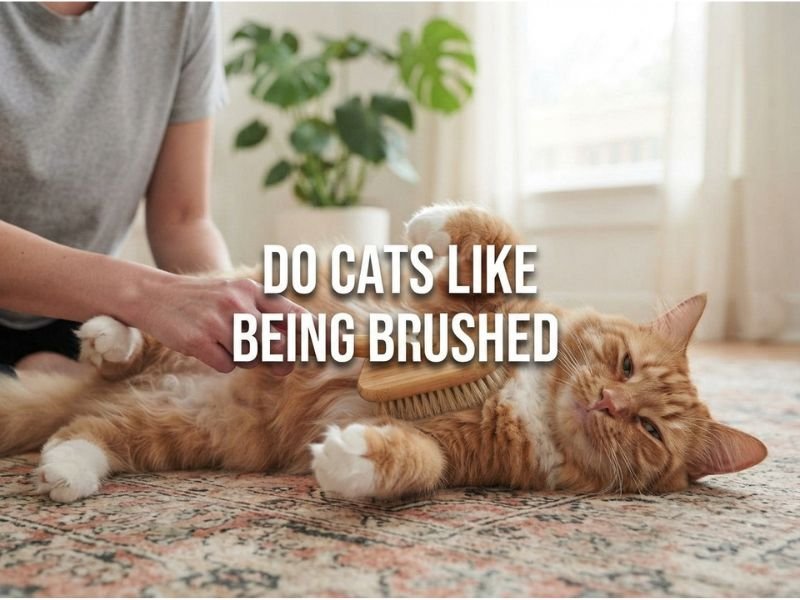
Many cats like being brushed when the experience feels similar to pleasant petting. Gentle strokes can provide light skin stimulation, remove loose hair, and create positive one-on-one attention. Cats that already enjoy touch around the head, cheeks, and back are often easier to introduce to a brush.
However liking brushing is not an automatic feline trait A cat may dislike the sensation of bristles the sound of a grooming tool the loss of control or.
Age, early handling, coat type, past grooming experiences, and individual temperament all matter. A long-haired cat may need regular brushing for health reasons but still dislike the process. A short-haired cat may enjoy occasional brushing but need far less grooming overall.
The practical answer is to watch the cat rather than judge the response by breed or coat alone Relaxed posture leaning into the brush and returning for more.
Why Some Cats Enjoy Brushing
Brushing can offer several experiences that cats naturally find rewarding. It may feel like social grooming, remove irritating loose hairs, and provide focused attention from a trusted person.
A soothing grooming sensation
A soft brush moving over the coat can create gentle, repetitive stimulation. Some cats respond by purring, stretching, or lowering their head for more attention. Brushing around the cheeks, chin, and neck can be especially appealing because these areas are commonly associated with friendly touch.
The sensation is not identical for every cat A slicker brush with firm wire pins may feel pleasant to one cat and scratchy to another A rubber grooming.
Help with loose hair
Brushing removes some loose fur before it falls onto furniture or is swallowed during self-grooming. This does not eliminate shedding, but it can reduce the amount of loose hair in the coat and around the home.
Less loose hair may also make self-grooming easier Cats naturally swallow some fur while licking themselves and swallowed hair can sometimes pass through the digestive system or be.
Positive attention and routine
Cats often appreciate predictable routines. If brushing happens in a quiet location, follows a pleasant activity, and ends before the cat becomes frustrated, the cat may begin to anticipate it. Treats, soft praise, and a comfortable surface can help create that association.
The relationship matters more than the number of strokes. A short session that ends calmly is more useful than a long session that causes a struggle. I would rather repeat a pleasant one-minute routine than repair fear caused by forcing a difficult grooming session.
Why Cats Resist Brushing
Resistance does not necessarily mean that a cat dislikes all grooming. It may indicate that something about the timing, tool, location, or technique is unpleasant.
The brush pulls the coat
Knots and mats can catch on brush pins and pull the skin. Even a brush that normally feels comfortable can become painful when it encounters a tight tangle. A cat may then learn that seeing the brush predicts discomfort and begin avoiding it.
Brushing too aggressively can also scrape the skin. A cat’s skin is sensitive, and repeated strokes over the same area may cause irritation even when no mat is present. Gentle pressure should move through the fur without pressing hard against the skin.
The cat feels trapped
Many cats object more to restraint than to brushing itself. Holding a cat tightly, blocking an escape route, or chasing the cat with a brush can turn routine grooming into a defensive situation. A cat that cannot leave may scratch, bite, or panic.
Allowing the cat to stand, sit, or change position often makes cooperation easier. I suggest brushing in an open, familiar area rather than automatically placing the cat on a high table. Safety still matters, but control and choice can make a noticeable difference.
The brush is unfamiliar
A new brush may look, smell, and sound strange. Some tools produce a clicking noise or pull through the coat in a way that surprises the cat. Introducing the tool gradually can prevent the cat from treating it as a threat.
Place the brush nearby without touching the cat. Let the cat inspect it, then reward calm behavior. Later, touch the brush to a less sensitive area for one or two seconds. This gradual process gives the cat time to understand what the tool does.
The cat is uncomfortable or in pain
A sudden change in grooming tolerance deserves attention. Pain from arthritis, a skin infection, fleas, wounds, allergies, or another medical problem can make brushing unpleasant. A cat may resist being touched over a sore area even if it previously enjoyed grooming.
Look for additional signs such as excessive scratching hair loss dandruff redness scabs swelling unusual licking hiding reduced appetite or changes in movement If brushing appears painful or.
How to Tell if a Cat Likes Brushing
Cat body language is more reliable than purring alone. Some cats purr when relaxed, but purring can also occur during stress or discomfort. I look for several signals together and pay attention to whether the cat chooses to remain near the brush.
Signs of comfort
- Relaxed muscles and a loose, natural posture
- Ears held neutrally or facing forward
- Soft eyes, slow blinking, or a gently lowered head
- Leaning into the brush or moving toward the next stroke
- Quiet purring while the body remains relaxed
- Remaining in place without trying to escape
- Returning to the grooming area after a short break
A cat may also lift the chin, turn the cheek toward the brush, or stretch out comfortably. These behaviors suggest that the current pressure and location are acceptable, although the cat can still become overstimulated if the session continues too long.
Signs to stop
- Tail thumping, lashing, or rapid flicking
- Flattened or rotated ears
- Sudden skin twitching along the back
- Stiff posture, crouching, or freezing
- Growling, hissing, swatting, or biting
- Repeatedly turning to watch or attack the brush
- Trying to leave, hide, or push the hand away
These signs should not be treated as misbehavior They are communication Stop the session give the cat space and try again later with less pressure a different tool.
How to Introduce Brushing Safely
The easiest way to begin is to separate the brush from the full grooming task. A cat does not need to accept a complete brushing session on the first day.
- Choose a calm moment. Try after a nap or relaxed interaction, not during energetic play or immediately after a stressful event.
- Let the cat see and smell the brush. Keep it nearby and reward calm investigation without touching the coat.
- Start with a familiar touch. Pet the cat with your hand, then briefly touch the brush to an area the cat already likes.
- Use one or two gentle strokes. Stop while the cat is still relaxed, even if the session feels very short.
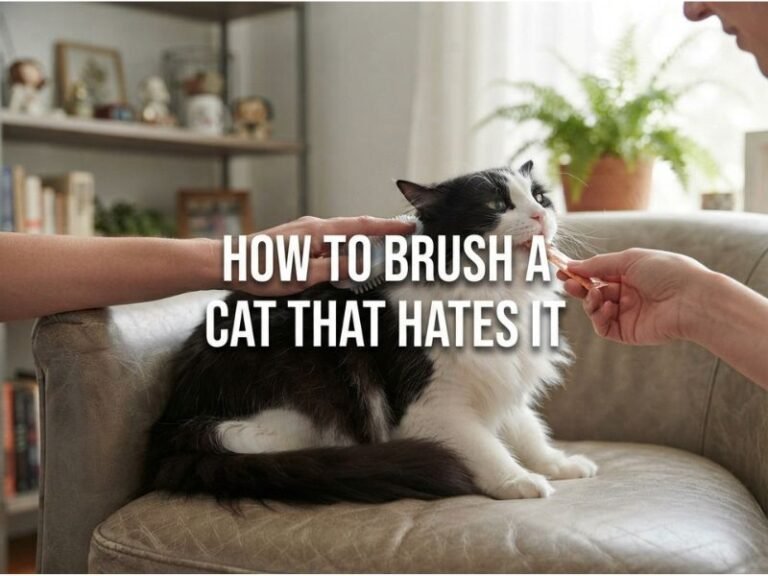
- Offer a reward. A small treat, praise, or another preferred activity can reinforce the calm experience.
- Build gradually. Add a few strokes over several sessions rather than increasing duration all at once.
Begin with the shoulders, upper back, or cheeks if the cat accepts touch there. Avoid starting on the belly, tail, paws, or areas with tangles. These locations are often more sensitive and may require greater trust.
Keep the brush moving in the natural direction of hair growth Use light strokes and lift the tool instead of repeatedly dragging it over one spot For long-haired cats separate the coat into.
Never use brushing as a way to overpower a struggling cat. Scruffing, pinning, chasing, or holding the cat down can increase fear and make future grooming harder. If a task cannot be completed without force, professional assistance is safer and more humane.
Choosing the Right Brush
The best brush is the one that suits the cat’s coat and produces no signs of discomfort. Buying the most expensive tool does not guarantee a better result.
Short-haired cats
Short-haired cats often do well with a soft bristle brush, rubber curry brush, grooming mitt, or fine-toothed comb. A rubber tool can lift loose hair while providing a gentle massage-like sensation. A soft bristle brush may be a good choice for cats that dislike firmer tools.
Short hair does not mean that every cat needs daily brushing. Some cats benefit from a brief weekly session, while others may need more frequent grooming during heavier shedding periods. The appropriate schedule depends on the individual cat, coat density, and amount of shedding.
Medium- and long-haired cats
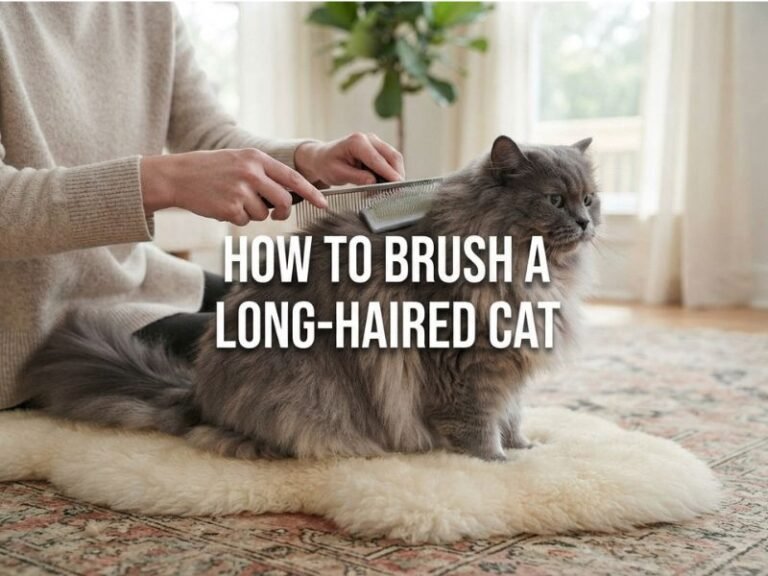
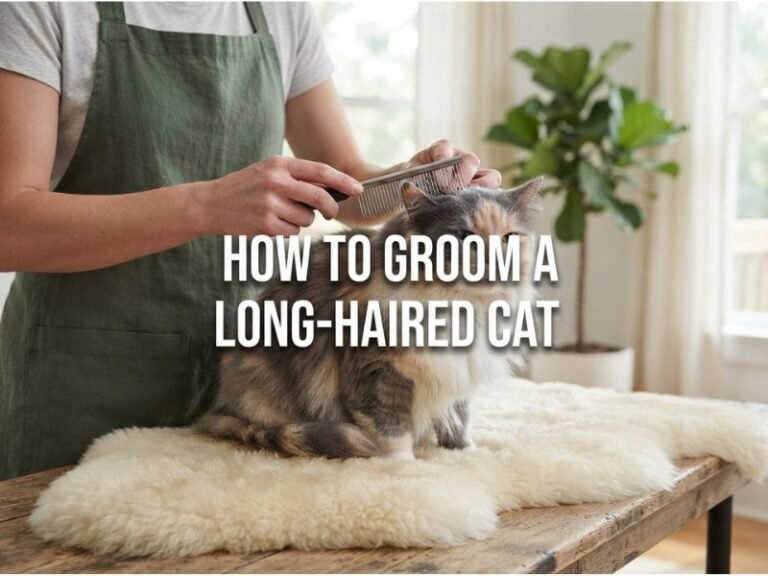
Longer coats generally require more consistent attention because loose hair can form tangles and mats. A wide-toothed comb, long-pin brush, or cat-specific slicker brush may help remove loose fur and separate small knots.
A slicker brush should be used gently. Its fine pins can reach through dense fur, but pressing too hard may scratch the skin. I recommend checking the coat with a comb after brushing, particularly behind the ears, under the front legs, around the collar area, and near the hindquarters.
Tools to use carefully
Deshedding tools can remove undercoat, but they should not be used as if they were ordinary brushes. Repeated heavy strokes may irritate the skin or remove too much coat. Follow the product directions and stop if the cat shows discomfort.
Human hairbrushes harsh metal tools and scissors used near the skin can create problems Scissors are particularly risky because a cat can move suddenly and suffer a serious.
How Often Should a Cat Be Brushed?
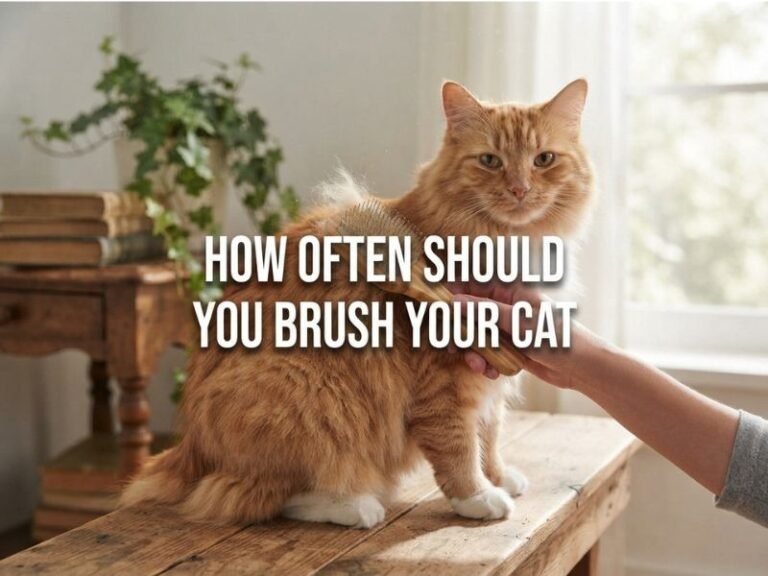
Brushing frequency depends on coat length, density, shedding, age, grooming ability, and tendency to mat.
- Short-haired cats: often benefit from weekly brushing or occasional grooming as needed.
- Medium-haired cats: commonly need brushing several times each week to prevent tangles.
- Long-haired cats: may need daily attention, especially in areas prone to matting.
- Older, overweight, or mobility-limited cats: may need extra help because they cannot groom every area effectively.
These are starting points rather than rigid rules. A cat that sheds heavily or develops mats quickly may need more frequent care. A cat with a low-maintenance coat may need less. Inspect the coat regularly and adjust the schedule before tangles become tight.
Short sessions are usually better than an occasional marathon grooming attempt. Several minutes of calm brushing can be enough to maintain a manageable coat, while a long session may cause stress or skin irritation.
Brushing Areas That Need Extra Care
Some parts of a cat’s body are more likely to mat or more likely to trigger a defensive reaction. Work slowly and avoid assuming that the cat will accept the same pressure everywhere.
Behind the ears
Fur behind the ears can tangle because it is fine and frequently rubbed. Use a comb or small brush gently at the outer portion of the area. If the fur is tightly matted against the skin, do not pull it apart by force.
Under the front legs
The armpit area experiences movement and friction, making it vulnerable to knots. It is also sensitive. Brush only when the cat is comfortable and keep the session brief.
Chest and belly
Some cats enjoy chest grooming, but many dislike having the belly touched. Do not roll a cat onto its back and restrain it simply to reach this area. If the cat does not cooperate, ask a professional for help with necessary coat care.
Hindquarters and back legs
Loose stool, urine, and mats can accumulate around the hindquarters, particularly in cats with long fur or limited mobility. Soiling, a strong odor, skin redness, or repeated licking may require veterinary attention rather than ordinary brushing.
Common Brushing Mistakes
Several well-intended habits can make cats less willing to accept grooming.
- Brushing only when the coat is already matted: this makes the brush predict discomfort. Regular short sessions are easier.
- Using too much pressure: firm brushing is not automatically more effective and may scratch the skin.
- Ignoring early warning signals: waiting until a cat swats or bites means earlier communication was missed.
- Trying to finish the entire body: one comfortable area is better than forcing a complete session.
- Using the same tool for every coat: a tool designed for dense long fur may be unpleasant on a short-haired cat.
- Chasing the cat with the brush: this can make the brush itself a source of fear.
- Assuming purring proves enjoyment: always evaluate posture, ears, tail, and attempts to leave.
A common mistake is treating grooming as a test of obedience. Cats do not need to submit to brushing to be well behaved. The useful objective is cooperation built through predictable handling and respect for discomfort signals.
What to Do About Mats and Tangles
Small, loose tangles may sometimes be separated gently with a suitable comb. Hold the fur close to the skin to reduce pulling, work from the outer edge of the tangle, and stop if the cat shows pain. Never tug repeatedly at a knot that does not loosen.
Tight mats can pull on the skin, trap moisture, hide wounds, and restrict movement. They are not merely cosmetic. A severely matted cat may need clipping by a veterinarian or experienced cat groomer, particularly if the mats are widespread, close to the skin, or accompanied by skin damage.
Do not bathe a heavily matted cat before getting professional advice. Water can tighten some mats and make removal more difficult. Avoid household oils, human detanglers, or unapproved products because cats may lick them from the coat.
After mats are removed, a gradual grooming routine can help prevent recurrence. The cat may be especially sensitive after professional clipping, so wait for the skin to settle and rebuild trust with gentle handling.
When Brushing Resistance Needs Veterinary Attention
Brushing behavior can reveal changes in a cat’s health. A cat that suddenly stops allowing touch, reacts to one specific location, or begins overgrooming may be experiencing pain or irritation.
Contact a veterinarian if you notice:
- Sudden aggression or distress during previously accepted grooming
- Red, swollen, crusted, or bleeding skin
- Bald patches, broken hairs, or heavy dandruff
- Persistent scratching, licking, or chewing at the coat
- Fleas, flea dirt, parasites, or unexplained skin lesions
- Large mats, foul odor, discharge, or damp fur against the skin
- Difficulty reaching the back, hindquarters, or other body areas
- Changes in appetite, activity, posture, or litter box behavior alongside grooming problems
Older cats may resist brushing because arthritis or another painful condition makes certain positions difficult. A cat that cannot comfortably turn, stretch, or stand may need a veterinary evaluation and a modified grooming setup. Pain relief and easier handling can improve comfort more effectively than changing brushes alone.
Frequently Asked Questions About Cats and Brushing
Do cats like being brushed every day?
Some cats enjoy daily brushing, especially if they have long coats and the sessions are gentle. Others prefer shorter sessions every few days. Daily brushing is not automatically better; the cat’s coat condition and body language should determine the schedule.
Why does my cat purr while being brushed but then bite?
Purring does not always mean complete relaxation. Your cat may enjoy the first few strokes and then become overstimulated or irritated. Watch for tail movement, skin twitching, tense muscles, and ear changes. Stop before the cat reaches the biting stage.
Why does my cat like petting but hate the brush?
A brush creates a different sensation may catch loose fur and can feel more intense than a hand Try a soft rubber mitt reduce pressure let the cat.
Should I brush my cat if the cat is shedding?
Yes, gentle brushing can remove some loose fur and help you monitor the skin. Do not increase force simply because shedding is heavy. If the coat is tangled, the skin is irritated, or the cat appears uncomfortable, address those issues before continuing routine brushing.
Can brushing prevent hairballs?
Brushing may reduce the amount of loose fur a cat swallows during self-grooming, but it cannot guarantee that hairballs will stop. Frequent vomiting, repeated unproductive retching, constipation, or lethargy should be discussed with a veterinarian rather than attributed to ordinary hairballs.
How long should a cat-brushing session last?
A session can last anywhere from a few seconds to several minutes, depending on the cat and the coat. End while the cat is still calm. For a cat learning to accept brushing, one or two successful strokes are a useful starting point.
What if my cat attacks the brush?
Stop moving the brush and give the cat space. The behavior may reflect fear, overstimulation, play, or pain. Reintroduce the tool from a distance later, reward calm investigation, and try a softer or quieter brush. If aggression continues or appears suddenly, seek veterinary advice.
Can I brush a cat with mats?
You can gently work on small, loose tangles if the cat remains comfortable, but do not force a brush through tight mats. Pulling can hurt the skin. Severe or close-to-skin mats should be handled by a veterinarian or experienced cat groomer.
Conclusion
So do cats like being brushed Many do but enjoyment depends on the individual cat the tool the technique and the condition of the coat I recommend starting.