How to Measure a Dog for a Sweater: A Simple Step-by-Step Guide
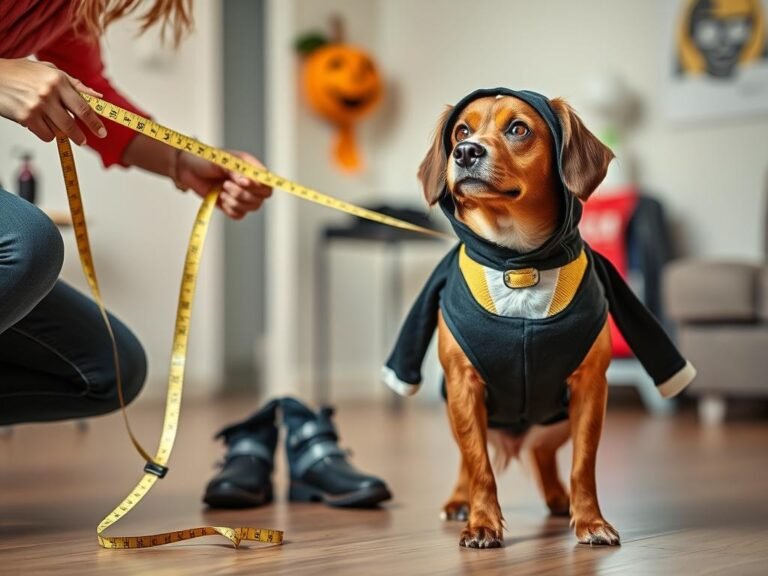
Learning how to measure a dog for a sweater is simple. You need a soft tape measure, a calm dog, and a few minutes. The goal is not just to find a sweater that fits on paper. The goal is to find one that lets your dog move with ease.
In my experience with pet clothing fit, the biggest mistake is guessing from breed or weight alone. Two dogs of the same breed can have very different chests, backs, and body shapes. A careful measurement gives you a much better starting point.
This guide explains how to measure a dog for a sweater at home. It covers the key measurements, how to read a size chart, how to handle a dog between sizes, and how to check the fit after the sweater arrives.
Why accurate Measurements Matter for a Dog Sweater
A sweater that is too small can rub, pinch, or limit movement. A sweater that is too large may twist, slip, or catch on things. Neither choice gives your dog a comfortable fit.
The right size depends on body shape as well as length. Chest size often matters most because it tells you how much room the sweater needs around the dog’s body. Neck and back measurements help you check the rest of the fit.
This is why knowing how to measure a dog for a sweater is more useful than relying on labels such as small, medium, or large. Clothing sizes are not the same across brands.
- ✦ Better fit
Good measurements help you choose a sweater that sits in the right place without pulling or hanging loose.
- ✦ Better comfort
The right size gives your dog room to walk, sit, lie down, and turn without the sweater getting in the way.
- ✦ Fewer returns
Checking measurements before you buy can reduce the chance of ordering the wrong size.
What You Need Before Measuring Your Dog
You do not need special tools to learn how to measure a dog for a sweater. A soft fabric tape measure works best because it can follow the dog’s body. If you do not have one, use a piece of string and measure the string with a ruler.
Ask your dog to stand on a flat surface. A calm dog makes the process much easier. If your dog moves a lot, have another person offer a few small treats while you take the measurements.

- ✦ Soft tape measure
Use a flexible tape made for sewing or body measurements. Do not use a stiff metal tape.
- ✦ Treats
Small treats can help your dog stay still and make the process calm and positive.
- ✦ Pen and paper
Write each number down at once so you do not mix up neck, chest, and back measurements.
- ✦ Size chart
Keep the sweater maker’s size chart nearby so you can compare your dog’s numbers right away.
How to Measure a Dog for a Sweater Step by Step
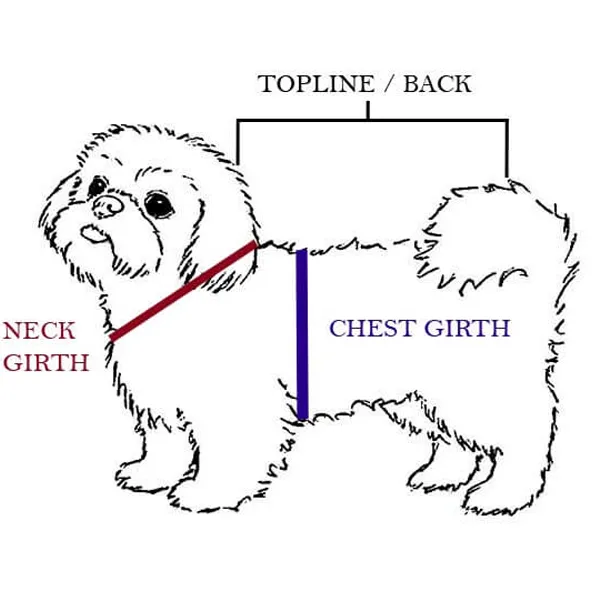
The three main measurements are neck, chest, and back length. Take all three before you choose a size. Keep the tape flat against the coat and do not pull it tight.
Your dog should stand in a normal pose. Do not measure while your dog is sitting or lying down because the body can change shape and give you a false number.
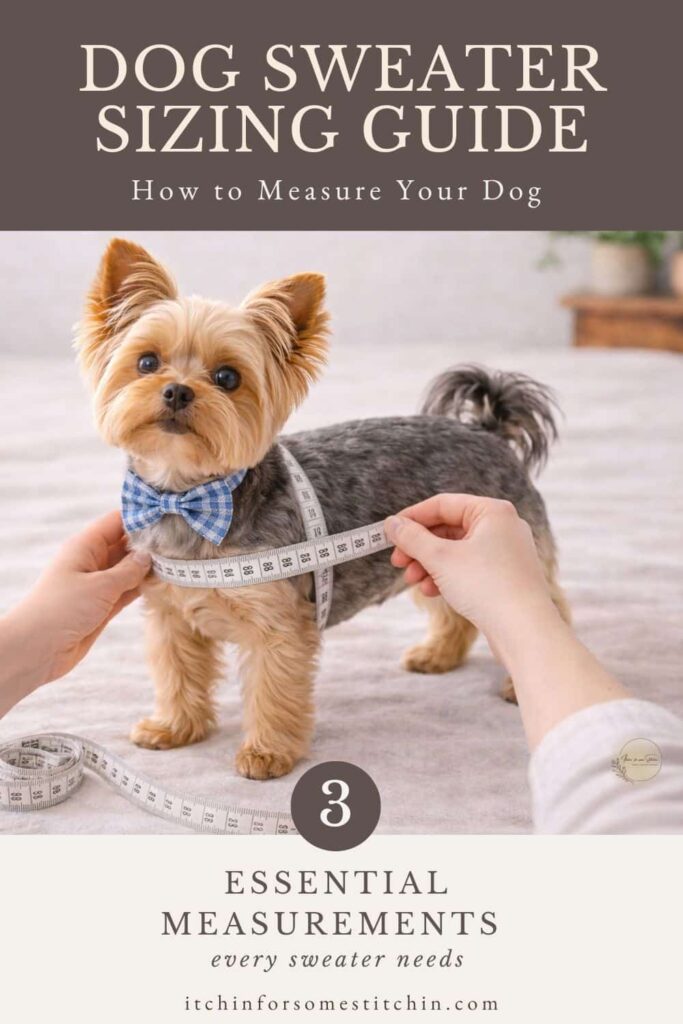
- ✦ Step 1: Measure the neck
Place the tape around the base of your dog’s neck, where a collar normally rests. Keep the tape close to the body but leave enough room for comfortable movement and breathing.
- ✦ Step 2: Measure the chest
Wrap the tape around the widest part of your dog’s chest. This is often just behind the front legs. Keep the tape level and snug without pressing into the coat.
- ✦ Step 3: Measure the back
Start at the base of the neck, near the point where the neck meets the shoulders. Run the tape along the spine to the base of the tail. Follow the body rather than pulling the tape straight through the air.
- ✦ Step 4: Record the numbers
Write down the neck, chest, and back measurements in inches. If a brand uses centimeters, convert them before comparing sizes.
How to Measure Neck Size
For neck size, measure around the lower part of the neck rather than near the head. This is where the sweater neckline will usually sit. The tape should touch the coat without squeezing the skin.
Do not copy your dog’s collar size unless the sweater maker says to do so. Collars and sweaters can use different measurements and have different fit needs.
- ✦ Keep it level
Make sure the tape sits evenly around the neck instead of riding up on one side.
- ✦ Do not pull hard
A tight tape can make the neck seem smaller than it really is.
How to Measure Chest Girth
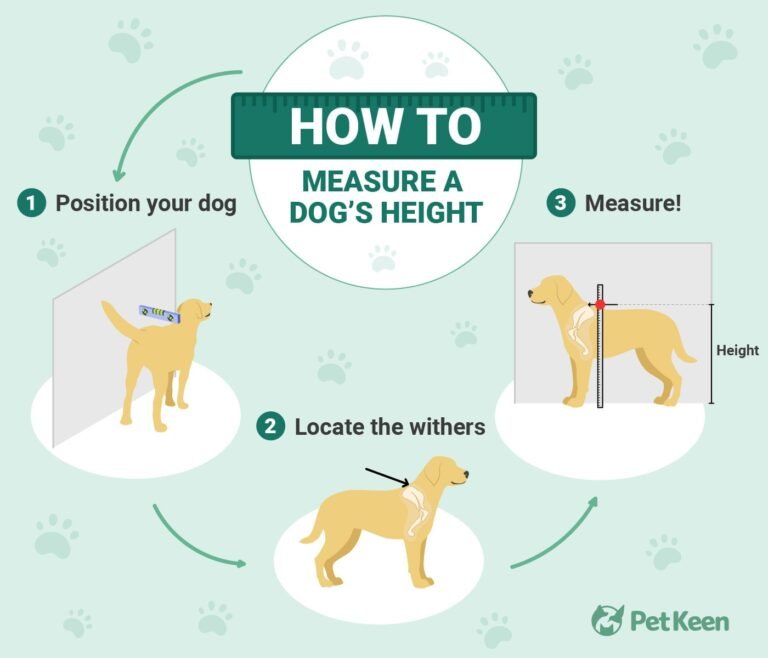
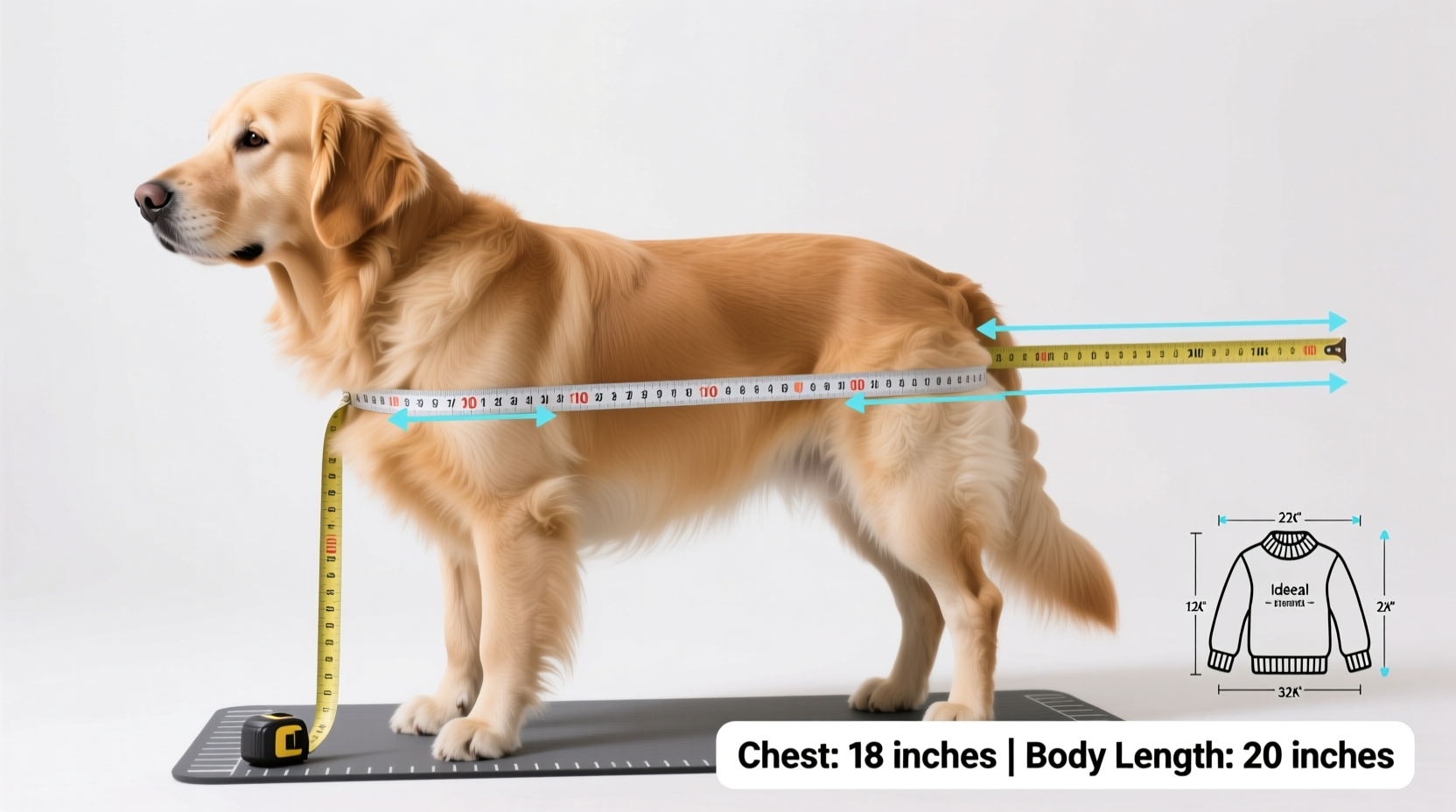
Chest girth is the measurement around the widest part of your dog’s rib cage. For most dogs, this point is just behind the front legs. Keep the tape level all the way around.
This measurement is especially important for sweaters because the chest must have enough room for normal movement. If your dog has a deep chest, broad shoulders, or a thick coat, pay close attention to the brand’s chest range.
- ✦ Find the widest point
Move the tape slightly forward or back until it passes around the fullest part of the rib cage.
- ✦ Check the tape
Make sure the tape is not loose on the underside or twisted across the chest.
How to Measure Back Length
Back length usually runs from the base of the neck to the base of the tail. Start where the neck joins the body, not at the top of the head. Keep your dog standing naturally while you measure.
Some brands may define back length in a slightly different way. Always check the brand’s measurement diagram before comparing your number with its size chart.
- ✦ Use the spine as a guide
Run the tape along the center of the back so the measurement follows your dog’s body.
- ✦ Check the starting point
Use the sweater maker’s stated start and end points when its chart gives special instructions.
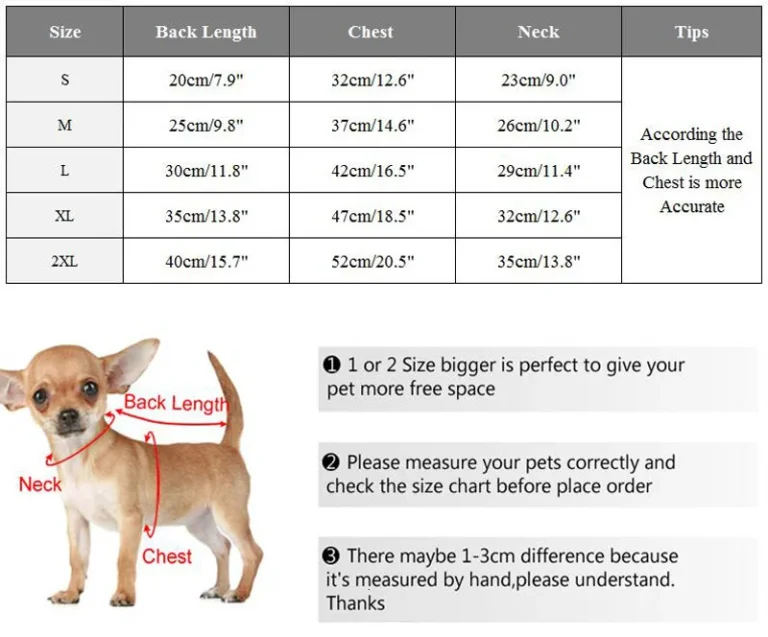
How to Read a Dog Sweater Size Chart
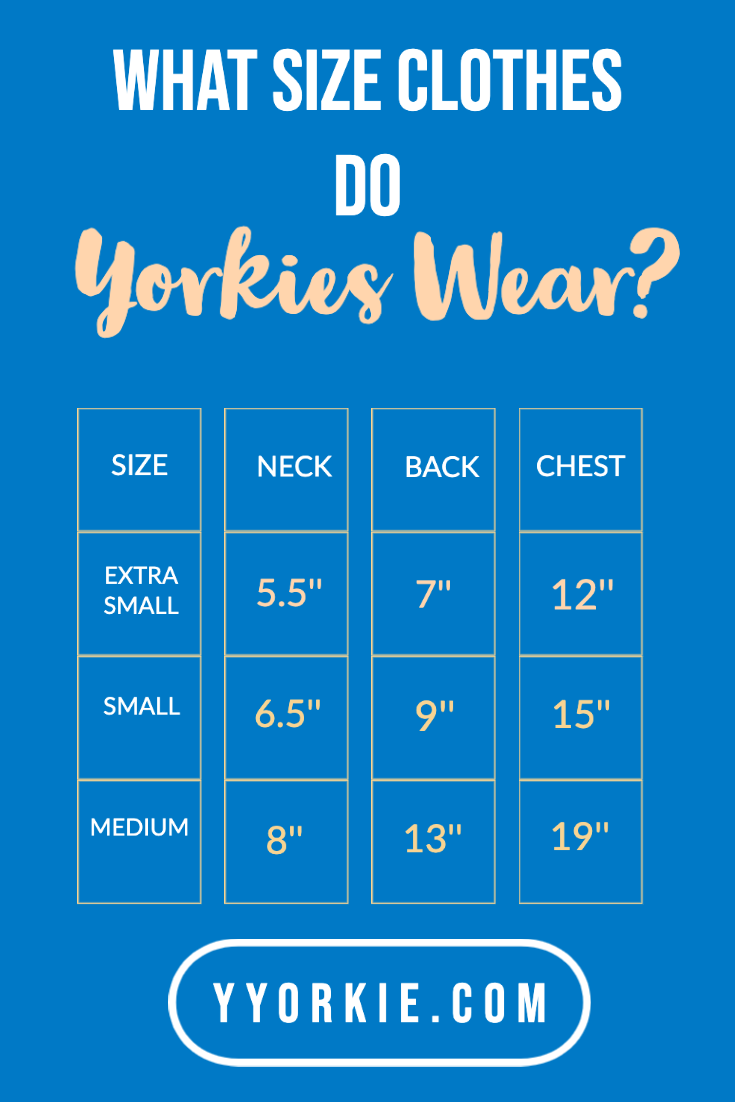
Once you know how to measure a dog for a sweater, compare each number with the brand’s size chart. Do not assume that a medium from one company will fit like a medium from another. Each brand may use its own pattern and size ranges.
Look at the chest, neck, and back ranges together. If one measurement falls into a different size, check the brand’s fit advice before ordering. The chest is often a key measurement, but the correct choice can depend on the sweater design.

- ✦ Start with the chart
Use the actual chart for the sweater you plan to buy instead of a general chart found elsewhere.
- ✦ Compare all measurements
Check your dog’s neck, chest, and back against the listed ranges rather than using one number alone.
- ✦ Check the product notes
Read notes about stretch, relaxed fit, slim fit, breed shape, or special sizing before choosing.
- ✦ Check the unit
Make sure both your measurements and the chart use inches or both use centimeters.
What If Your Dog Is Between Sizes?
A dog can easily fall between two sweater sizes. Do not force the smaller size just because the back length looks right. Check the chest and neck first, then review the maker’s advice for dogs between sizes.
If the sweater has little stretch, extra room can matter more. If it is made from a flexible knit, the fit may allow a little more variation. The product design matters as much as the numbers.
- ✦ Compare the key areas
Check which measurement falls outside the stated range and whether that area can affect comfort or movement.
- ✦ Follow maker guidance
Use the brand’s own advice when it tells customers to size up or choose based on chest girth.
How Much Room Should a Dog Sweater Have?
A dog sweater should fit close enough to stay in place but not so tight that it restricts your dog. You should be able to check the fabric around the neck and chest without seeing deep pressure marks. Your dog should also be able to walk and move the front legs freely.
Avoid adding a random amount to every measurement. Sweater materials vary, and some designs have stretch while others do not. Use the measurements you take and the fit guidance supplied by the maker.
After your dog puts on the sweater, watch for rubbing, bunching, twisting, or signs that the garment limits movement. A good fit should look natural when your dog walks, sits, and lies down.

- ✦ Neck
The neckline should not press into the throat or make breathing and swallowing uncomfortable.
- ✦ Chest
The sweater should not squeeze the ribs or restrict normal movement of the front legs.
- ✦ Back
The sweater should cover the intended area without pulling toward the neck or bunching near the tail.
- ✦ Legs
Arm openings should allow free movement without rubbing the skin.
Signs a Sweater Is Too Small
A sweater may be too small if it pulls across the chest, digs into the neck, or makes your dog change the way they walk. Tight fabric can also create rubbing points.
Take the sweater off if your dog shows clear discomfort. Recheck the measurements and compare them with the maker’s size chart before trying another size.
- ✦ Pulling fabric
The sweater looks stretched across the chest or shoulders when your dog stands or moves.
- ✦ Restricted movement
Your dog cannot move the front legs, neck, or body in a normal way.
Signs a Sweater Is Too Large
A sweater can also cause problems when it is too loose. Loose fabric may twist, slide, or catch on objects during normal activity. Check the fit before allowing your dog to wear a new sweater for a long time.
The sweater should stay in place while your dog walks. If it shifts a lot or hangs over areas it should not cover, try another size or design.
- ✦ Sliding
The sweater moves far to one side or shifts toward the tail during normal walking.
- ✦ Loose openings
The neck or leg openings have excess space that lets the sweater move around too much.
Common Mistakes When Measuring a Dog for a Sweater
Even a simple measuring task can go wrong. Most errors happen when the dog is not standing naturally, the tape is too loose or too tight, or the owner uses a general size instead of the product’s chart.
If the first measurement seems unusual, measure again. Taking two readings and checking that they are close can help you catch an easy mistake.
- ✦ Measuring a sitting dog
A sitting pose can change the shape of the chest and back. Measure while your dog stands naturally.
- ✦ Pulling the tape tight
A tight tape can make the body seem smaller and lead to a sweater that does not fit.
- ✦ Measuring only the back
Back length alone does not tell you whether the sweater will fit around the chest and neck.
- ✦ Using breed size alone
Breed labels are only rough guides because individual dogs can have very different body shapes.
- ✦ Using an old sweater size
A size that worked before may not match a new brand’s measurements or your dog’s current body shape.
- ✦ Ignoring the coat
A thick coat can change how a sweater sits. Measure the dog with the coat in its normal condition and follow the maker’s guidance.
Tips for Measuring Different Dog Body Types
Not all dogs have the same shape. A long-backed dog, a broad-chested dog, and a small dog with a compact body may need very different sweater patterns. This is another reason to measure rather than guess.
Pay close attention to the chest and back when your dog’s shape differs from the body shape shown in the product photos. A sweater can have the correct length but still feel wrong around the chest.
- ✦ Long-backed dogs
Check back length carefully because a short sweater may leave too much of the back uncovered.
- ✦ Deep-chested dogs
Chest girth can be the key measurement. Look for a sweater pattern that gives enough room around the ribs.
- ✦ Broad-chested dogs
Compare the chest range closely and do not choose a size based on back length alone.
- ✦ Small dogs
Small differences matter more on a small body, so use a soft tape and record measurements carefully.
- ✦ Thick-coated dogs
Take the measurement over the coat as it normally sits, then follow any sizing instructions from the sweater maker.
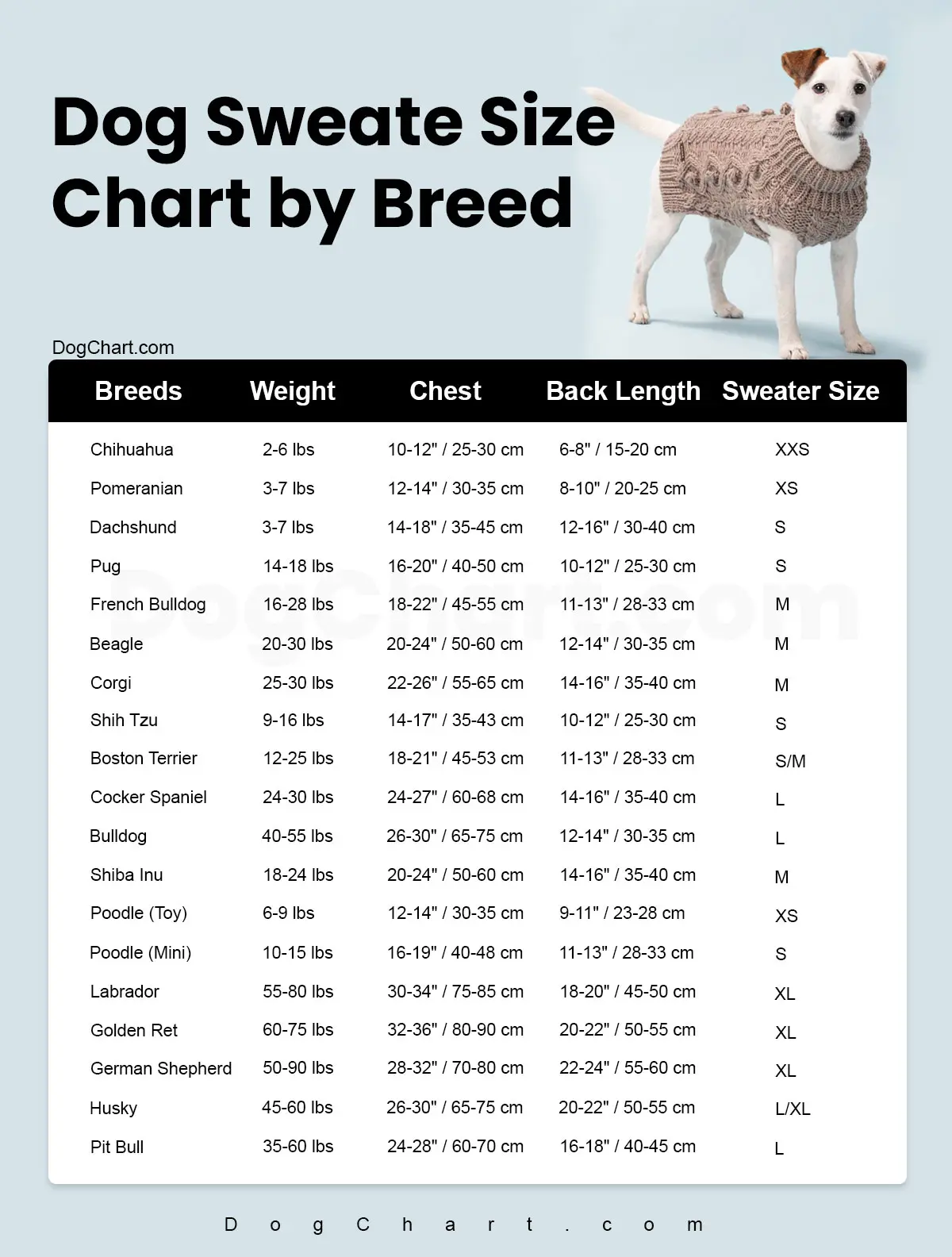
Why Breed Charts Are Only a Starting Point
Breed-based charts can help you narrow down options, but they cannot replace a tape measure. Dogs within the same breed can differ in height, chest size, weight, and body length.
If a product gives both a breed guide and body measurements, use the body measurements first. They give you a more direct match for the actual dog wearing the sweater.
- ✦ Body shape varies
Dogs of the same breed can have different proportions and may need different sweater sizes.
- ✦ Patterns vary
A sweater made for one body shape may fit differently from another sweater with the same labeled size.
How to Check the Sweater Fit After You Buy It
Knowing how to measure a dog for a sweater is only the first part of the process. Once the sweater arrives, put it on your dog while you can watch closely. Let your dog stand, walk, sit, and turn before leaving the sweater on for longer periods.
Look at the neck, chest, back, and leg openings. The sweater should stay in place without pulling, bunching, or rubbing. Your dog should be able to move in a normal way.
If the sweater seems wrong, remove it and compare the garment with your recorded measurements. Check the seller’s return or exchange rules before washing or altering the item.
- ✦ Watch the walk
Let your dog walk a few steps and check whether the sweater shifts or limits the front legs.
- ✦ Check the chest
Look for pulling or tightness around the ribs when your dog moves.
- ✦ Check the neck
Make sure the neckline does not press into the throat or sit in an awkward position.
- ✦ Check the back
Make sure the sweater covers the intended part of the back without bunching or twisting.
- ✦ Watch your dog
Changes in movement, repeated attempts to remove the sweater, or clear discomfort are reasons to take it off and reassess the fit.
Measuring for a Knitted or Homemade Dog Sweater
If you are making a sweater yourself, accurate measurements become even more important. A handmade sweater can be shaped to your dog’s body, but the pattern still needs clear starting numbers.
Measure your dog before choosing or changing a pattern. Then compare the finished garment with the dog’s measurements and consider the stretch of the yarn or fabric.

- ✦ Record all three main measurements
Keep the neck, chest, and back numbers together so you can refer to them while working.
- ✦ Check the pattern
A knitting or crochet pattern may ask for different measurements, so follow its specific instructions.
- ✦ Consider stretch
Knitted fabric can stretch in different ways. The pattern and yarn type can affect the final fit.
- ✦ Try the garment during the process
For a custom project, checking the fit as you work can help you catch problems before the sweater is finished.
When to Measure Your Dog Again
Dogs can change size over time. Puppies grow quickly, and adult dogs can also change body shape with age or changes in activity. Recheck measurements before buying a new sweater if it has been a while since the last fitting.
A fresh measurement is quick and can prevent an avoidable sizing problem. Keep a simple record of the numbers and the date so you know when they were taken.
- ✦ Growing dogs
Measure again as your dog grows instead of relying on the size of an older sweater.
- ✦ New clothing brand
Use fresh measurements when a new brand has a different size chart.