Are Dog Shoes Good for Dogs? Benefits, Risks, and When Dogs Need Them
If you have ever walked a dog on a hot sidewalk or a snowy trail, you may have wondered, “Are dog shoes good for dogs?” The answer is not a simple yes or no. Dog shoes are a tool. They can help in the right setting, but they are not needed for every walk.
A dog’s paw pads are tough, but they are not invincible. Hot asphalt, ice, road salt, rough rocks, and sharp debris can hurt them. In these cases, a well-made dog boot can act as a useful barrier. The key is to use the right shoe, at the right time, with a good fit.
From a practical pet-care view, the goal should not be to keep paws covered all day. The goal is to protect the paws when the ground or weather creates a risk. You should also watch your dog’s body language and check the paws after each use.
Are Dog Shoes Good for Dogs? The Basic Answer
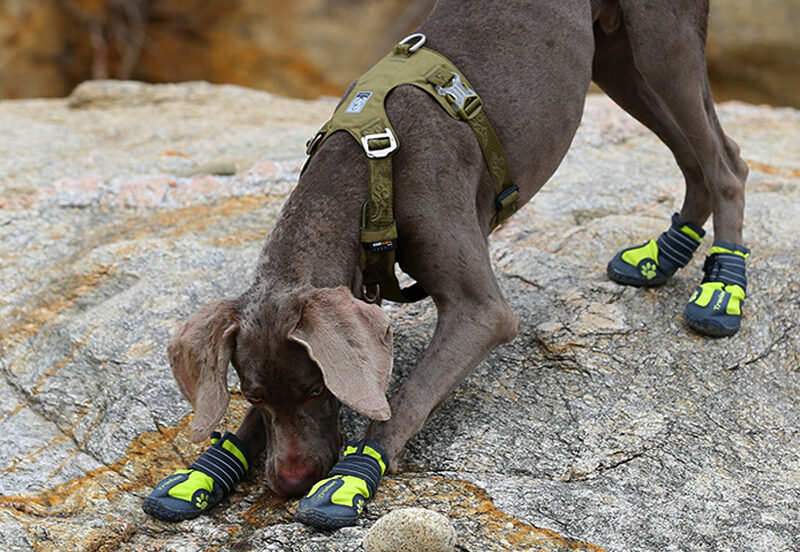
For many dogs, dog shoes can provide useful paw protection. They may reduce direct contact with hot, cold, rough, wet, or sharp surfaces. This can be helpful during walks, hikes, winter trips, and some outdoor activities.
Still, shoes are not automatically better than bare paws. Dogs use their feet for grip and balance. A shoe that is too loose, too tight, stiff, or slippery can make walking harder. Some dogs also become stressed when they first wear footwear.
So, are dog shoes good for dogs in daily life? They can be, but the need varies. A dog that walks mostly on safe grass may rarely need them. A dog that hikes on rocky trails or walks on salted winter roads may benefit much more.

- ✦ Useful protection
Dog shoes can create a barrier between paw pads and harmful surfaces.
- ✦ Not a daily need
Healthy dogs often do fine without shoes on safe, mild surfaces.
- ✦ Fit matters
A poor fit can cause rubbing, slipping, pressure, or trouble walking.
- ✦ Watch the dog
Your dog’s comfort and natural movement should guide how long shoes stay on.
Why Some Dogs Need More Paw Protection
Paw needs can vary with breed, age, activity, weather, and health. Some dogs spend a lot of time outdoors. Others have sensitive feet or face harsh ground during walks. In the United States, this can mean hot summer pavement in one season and snow, ice, and road salt in another.
- ✦ Active dogs
Hiking and long outdoor walks can expose paws to rough ground and sharp objects.
- ✦ Winter walkers
Boots can help limit contact with ice, packed snow, and de-icing products.
- ✦ Urban dogs
City sidewalks can become very hot in summer and may contain grit or debris.
Benefits of Dog Shoes
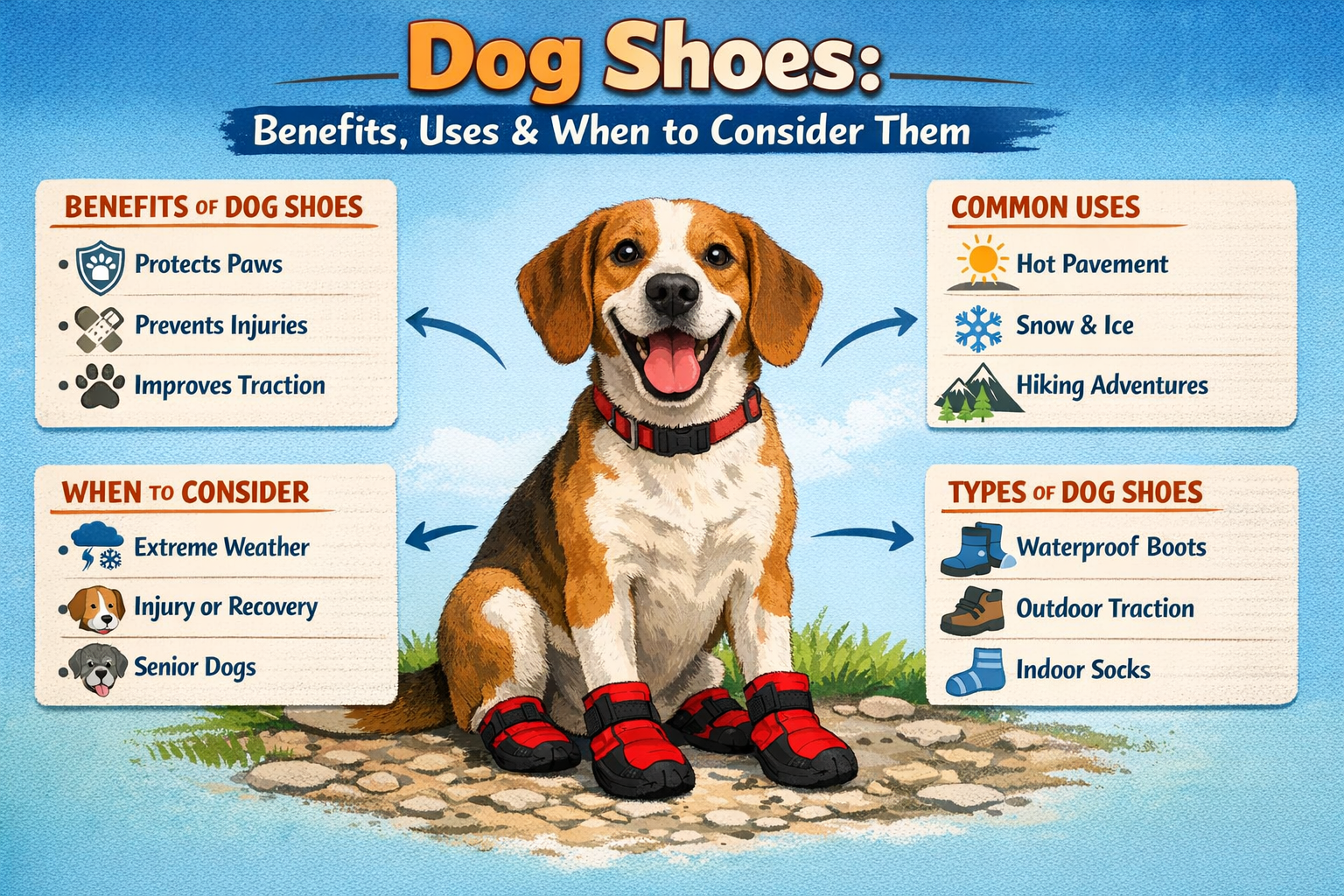
The main benefit of dog shoes is simple: they add a layer between the paw and the ground. This layer can help reduce contact with surfaces that may burn, freeze, scrape, or irritate the paw.
Good dog shoes can also help keep paws cleaner. This may matter when a dog walks through mud, wet snow, or areas treated with salt. They can also help protect a paw that is healing, but a veterinarian should guide footwear use when there is an injury or medical problem.
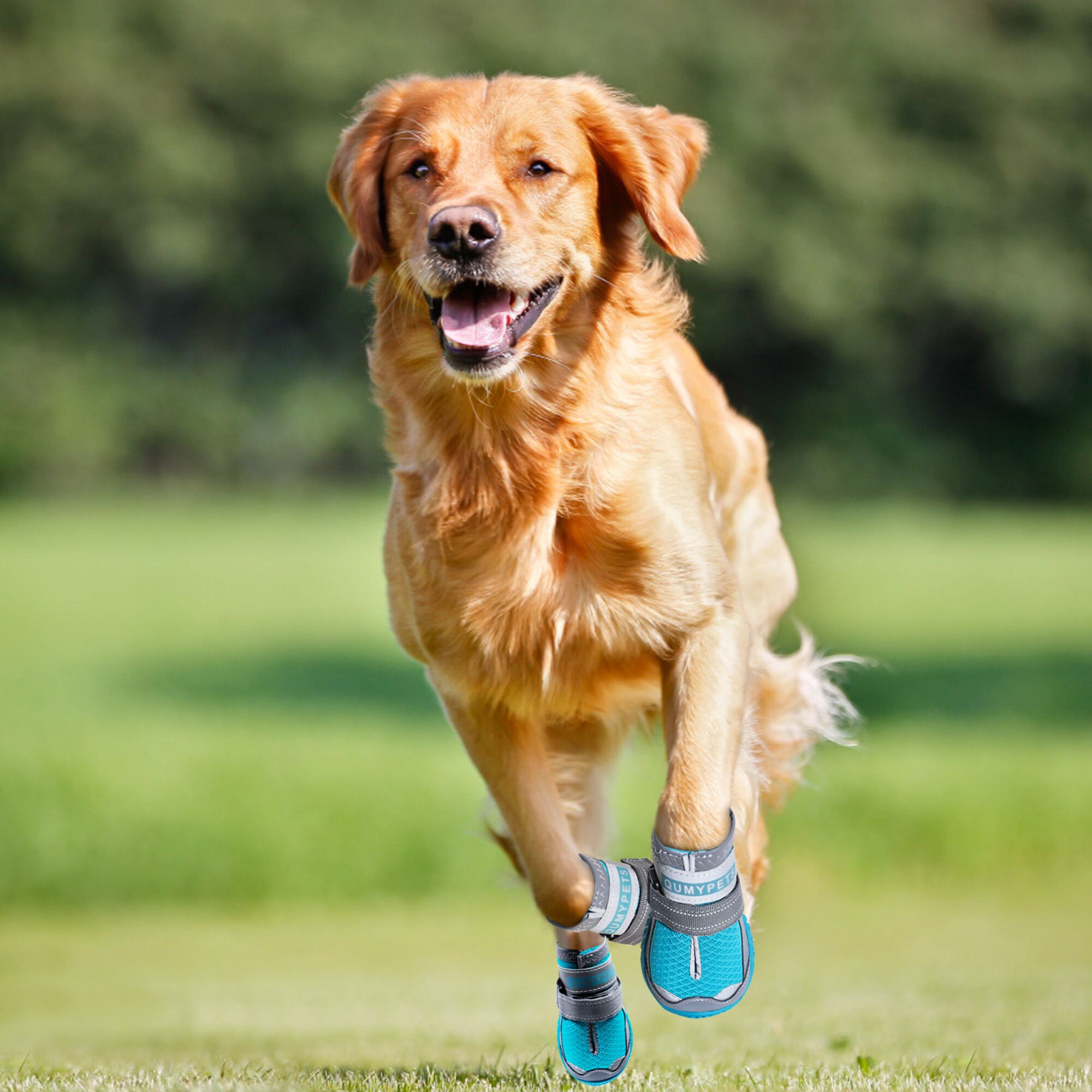
- ✦ Hot pavement protection
A suitable boot can reduce direct contact with hot asphalt and concrete during summer walks.
- ✦ Cold weather protection
Insulated or weather-resistant boots can help shield paws from cold snow and ice.
- ✦ Salt and chemical barriers
Boots can reduce contact with road salt and some substances found on treated sidewalks.
- ✦ Rough trail protection
Durable soles may help protect paw pads from rocks, rough ground, and small sharp objects.
- ✦ Cleaner paws
Shoes can reduce the amount of mud, snow, and outdoor dirt that reaches the paws.
- ✦ Extra support for some dogs
A properly designed boot with a grippy sole may provide useful traction on certain slippery surfaces.
Dog Shoes for Summer
Summer heat is one of the clearest reasons to consider dog shoes. Asphalt and concrete can become much hotter than the air around them. If the surface is too hot for your hand, it may also be too hot for your dog’s paws.
Shoes should not be used as a reason to walk longer in extreme heat. Dogs can still overheat even when their paws are protected. Walk during cooler parts of the day and give your dog plenty of water and shade.
- ✦ Check the ground
Test the walking surface before a hot-weather walk.
- ✦ Choose breathable designs
A summer boot should protect the paw without trapping excessive heat or moisture.
Dog Shoes for Winter
Winter boots can help protect paws from snow, ice, and road salt. They can be especially useful during long walks in freezing weather or when sidewalks are heavily treated.
A waterproof outer material can help keep snow and slush away from the paw. A secure closure is also important because loose boots can fall off in deep snow.
- ✦ Snow
Boots can reduce the amount of packed snow that collects between the toes.
- ✦ Ice
A protective sole can help reduce direct contact with cold, rough ice.
- ✦ Road salt
Boots can limit contact with salt and other sidewalk treatments that may irritate paws.
When Dogs May Not Need Shoes
Many healthy dogs can walk safely without shoes. If the weather is mild and the ground is soft, clean, and free of hazards, bare paws may work well. Dogs are naturally built to walk without footwear.
Shoes can also be a poor choice when they cause stress or change the dog’s normal gait. A dog that keeps trying to remove a boot, walks stiffly, freezes, or seems distressed may need a different size, a different design, more training, or no shoes at all.

- ✦ Safe grass
Soft grass with no harmful debris usually does not call for paw boots.
- ✦ Mild weather
Comfortable temperatures and safe ground reduce the need for footwear.
- ✦ Short routine walks
A brief walk on a safe surface may not create enough paw risk to justify shoes.
- ✦ Dogs that cannot tolerate them
Some dogs remain very uncomfortable in shoes even after gradual training.
Natural Paw Function Matters
Dog paws do more than touch the ground. They help with traction, balance, shock absorption, and body awareness. Footwear changes how the paw meets the surface, so the shoe should allow normal movement as much as possible.
- ✦ Grip
The sole should provide useful traction without making the foot feel stiff.
- ✦ Movement
The boot should allow the dog to bend and place the paw in a natural way.
Possible Risks and Downsides of Dog Shoes
The question “Are dog shoes good for dogs?” also needs a look at the downsides. Shoes can create problems when they do not fit well or when a dog wears them for too long. Heat, moisture, rubbing, and pressure can irritate the skin.
A boot can also reduce traction if its sole is poorly made or becomes wet. Some dogs may walk differently while wearing footwear. This does not mean shoes are bad, but it does mean owners should introduce them with care.
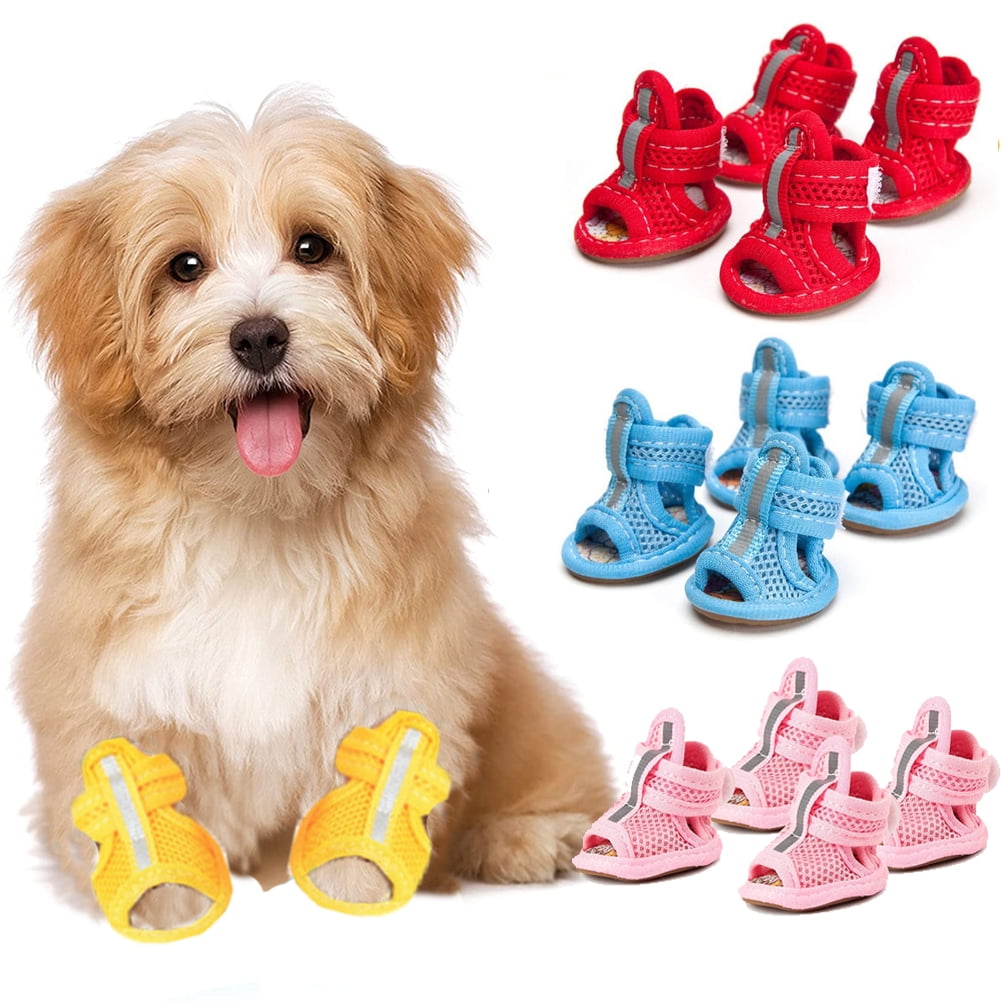
- ✦ Rubbing
A tight or poorly shaped boot may rub the skin around the toes, pads, or ankle.
- ✦ Too much moisture
Wet paws inside a closed boot can become uncomfortable and may irritate the skin.
- ✦ Poor fit
A loose boot may slide or fall off, while a tight boot may put too much pressure on the foot.
- ✦ Changed gait
A stiff or heavy boot can make normal walking harder.
- ✦ Stress
Some dogs dislike the feel of footwear and may need slow, positive training.
Signs That a Dog Shoe Is Not Working
Check your dog often when trying a new boot. Remove the shoe if you see clear signs of discomfort. Look at the paw and skin after the walk, especially the first few times.
- ✦ Limping
A new limp or major change in movement is a reason to stop and check the boot.
- ✦ Red skin
Redness, sore spots, or swelling can signal rubbing or pressure.
- ✦ Repeated chewing
Trying hard to chew or pull off the shoe may show that the fit or feel is not right.
- ✦ Cold or pale toes
Unusual changes in the paw can indicate excessive pressure and should not be ignored.
How to Choose the Right Dog Shoes
The best dog shoe is not simply the thickest or most expensive one. It should match the surface, weather, activity, and size of your dog’s paws. A lightweight shoe may work for a short city walk, while a sturdy boot may be better for a rocky trail.
Measure the paws according to the brand’s instructions. Paw shape varies between dogs, so weight or breed alone is not enough to choose a size. A secure closure should hold the shoe in place without squeezing the leg.

- ✦ Correct size
Measure each paw and compare the result with the brand’s size chart.
- ✦ Secure closure
The fastening should keep the boot on without creating a tight pressure point.
- ✦ Good sole
Choose a sole with traction and enough protection for the surface your dog will use.
- ✦ Right material
Look for breathable materials in warm weather and water-resistant materials for wet or snowy conditions.
- ✦ Flexible design
A flexible boot often makes it easier for a dog to move naturally.
- ✦ Easy to inspect
A practical design should let you check the paw and skin without trouble.
How Dog Shoes Should Fit
A good fit should feel secure but not tight. The boot should stay in place during normal walking and should not twist around the paw. There should be no obvious rubbing, pinching, or pressure marks after use.
Test the fit at home before taking a long walk. Put the boots on for a short period and watch your dog stand and walk. Increase the time slowly if the dog remains comfortable.
- ✦ Watch the walk
Your dog should be able to walk without a strong limp, repeated shaking, or stiff movement.
- ✦ Check after use
Look for redness, swelling, damp skin, or rubbed areas after removing the boot.
Different Shoes for Different Jobs
A boot made for winter snow may not be the best choice for a hot summer sidewalk. Likewise, a soft indoor traction boot may not offer enough protection for a rocky hiking trail. Match the footwear to the job rather than looking for one boot that does everything.
- ✦ Summer
Choose a light design that protects against hot ground while allowing airflow.
- ✦ Winter
Look for warmth, weather resistance, secure closures, and a sole with useful traction.
- ✦ Hiking
Choose durable soles and a secure fit for uneven or rough terrain.
How to Get a Dog Used to Wearing Shoes
Most dogs do not understand dog shoes at first. They may lift their feet, walk strangely, or try to remove the boots. This is normal for many dogs. Slow training can make the process much easier.
Start inside the home with one shoe for a short time. Reward calm behavior, remove the shoe, and repeat later. Add more shoes only when your dog seems comfortable.
- ✦ Step 1: Let your dog inspect the shoes
Place the shoes nearby and let your dog sniff them without forcing contact.
- ✦ Step 2: Touch the paws
Briefly touch each paw with the shoe while offering praise or a small reward.
- ✦ Step 3: Try one shoe
Put one boot on for a short period and watch your dog’s reaction.
- ✦ Step 4: Add more slowly
Move to two, then three, and finally four shoes as your dog becomes comfortable.
- ✦ Step 5: Practice walking
Use short indoor sessions before trying a full outdoor walk.
- ✦ Step 6: Increase time gradually
Start with short periods and stop if your dog shows clear discomfort.
Do Not Force a Frightened Dog
If your dog becomes very upset, take the shoes off and slow down the training. Forcing a dog to wear unfamiliar footwear can create a stronger negative response. Calm, short sessions usually work better than one long session.
- ✦ Keep sessions short
End each practice session before your dog becomes highly stressed.
- ✦ Use rewards
Praise and rewards can help your dog build a positive link with the shoes.
When to Talk to a Veterinarian About Dog Footwear
Dog shoes can be useful, but they should not replace veterinary care. If your dog has a cut, burn, swelling, repeated paw licking, bleeding, or ongoing pain, find out why the paw hurts. Covering the paw without treating the cause may hide a problem.
A veterinarian can also help if your dog needs footwear because of a paw condition, weakness, recovery from an injury, or another medical issue. In these cases, the right type of protection may differ from a standard outdoor boot.

- ✦ Open wound
A visible wound may need proper cleaning, treatment, and protection rather than a normal walking boot.
- ✦ Persistent limping
Limping that continues after removing the shoe should be evaluated.
- ✦ Swelling or bleeding
These signs need attention, especially when the cause is not clear.
- ✦ Repeated paw problems
Frequent irritation may point to an underlying issue that footwear alone will not solve.
Dog Shoes Are Not a Substitute for Paw Checks
Even when shoes work well, inspect the paws after walks. Look between the toes and around the edges of the pads. Check for small stones, moisture, redness, cuts, or other changes.
- ✦ Before the walk
Make sure the paw is healthy and the shoe is clean and intact.
- ✦ After the walk
Remove the boots and inspect the paws before storing the shoes.
Dog Shoes vs. Other Ways to Protect Paws
Dog shoes are only one way to protect paws. In some situations, changing the walking time or route may be just as useful. For example, a summer walk on grass during a cooler part of the day may remove the need for protective footwear.
Paw rinsing and drying can also help after walks in areas with salt, mud, or other irritants. The best plan often combines smart walking habits with footwear when conditions call for it.
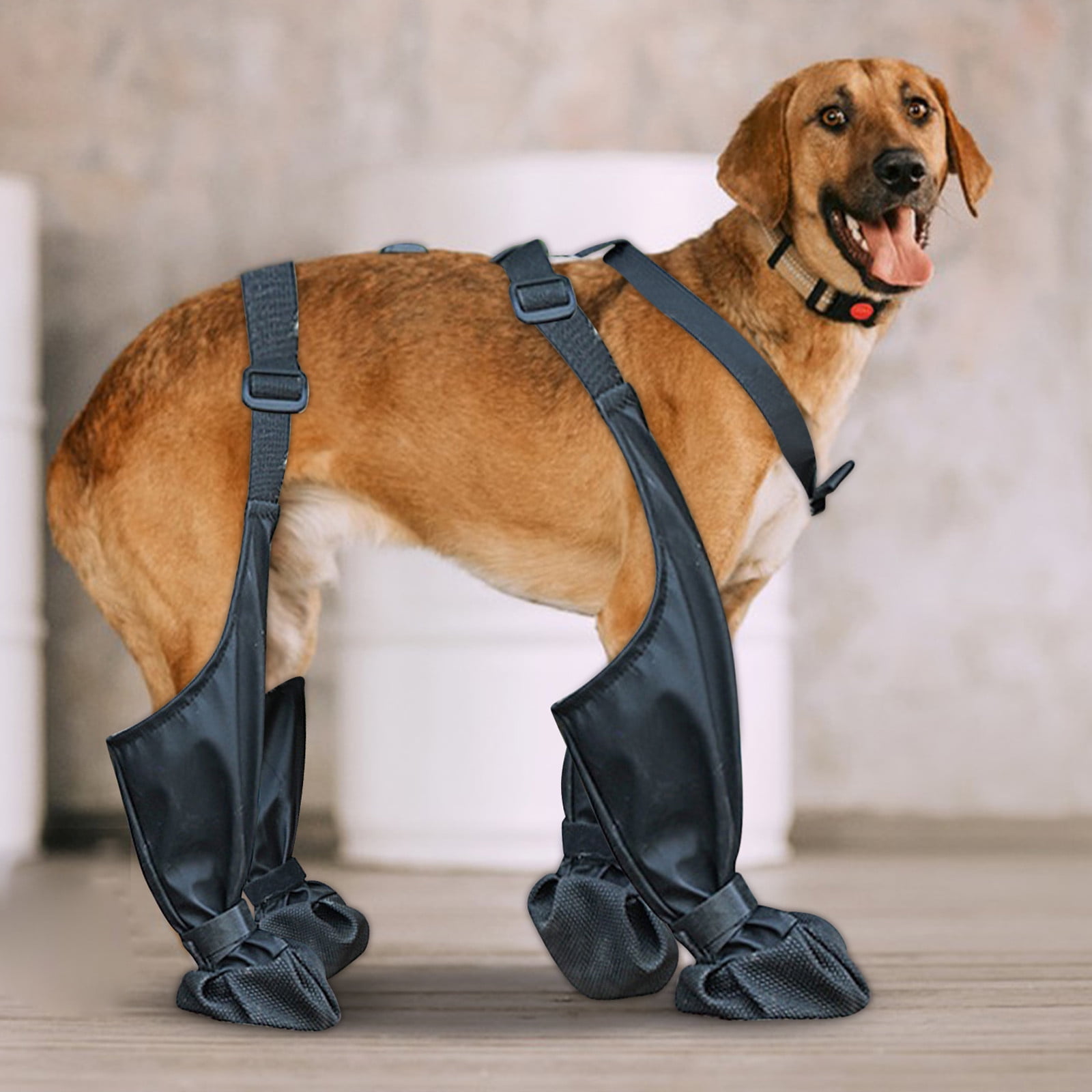
- ✦ Change walk times
Walk during cooler hours in hot weather and avoid the coldest conditions when possible.
- ✦ Choose safer surfaces
Grass and other mild surfaces may be easier on paws than hot or rough pavement.
- ✦ Clean paws
Rinse and dry paws after walks when they may have contacted salt, mud, or irritating substances.
- ✦ Use footwear when needed
Add well-fitted shoes when the surface or weather creates a clear paw risk.
The Best Approach Is Often Situation-Based
There is no rule that says a dog must always wear shoes or must never wear them. The right choice can change from one walk to the next. Consider the ground, temperature, distance, and your dog’s comfort before deciding.
- ✦ Safe and mild conditions
Bare paws may be fine when the ground is clean and comfortable.
- ✦ Harsh conditions
Protective footwear may be useful when heat, cold, salt, rocks, or debris create a clear hazard.