Can Dogs Swim With Booties On? Safety, Risks, and Tips
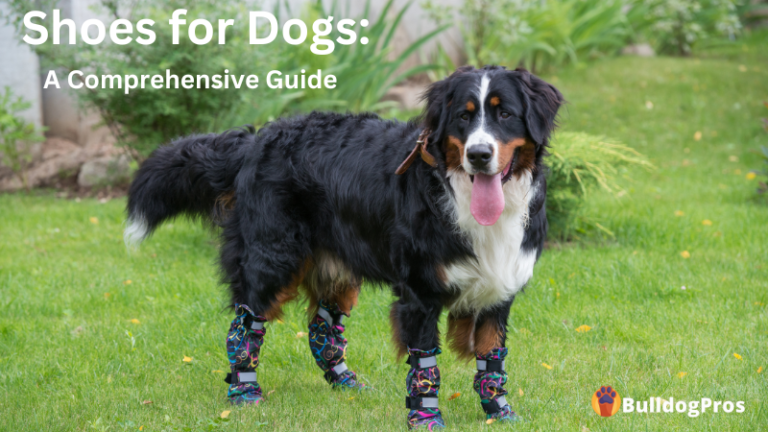
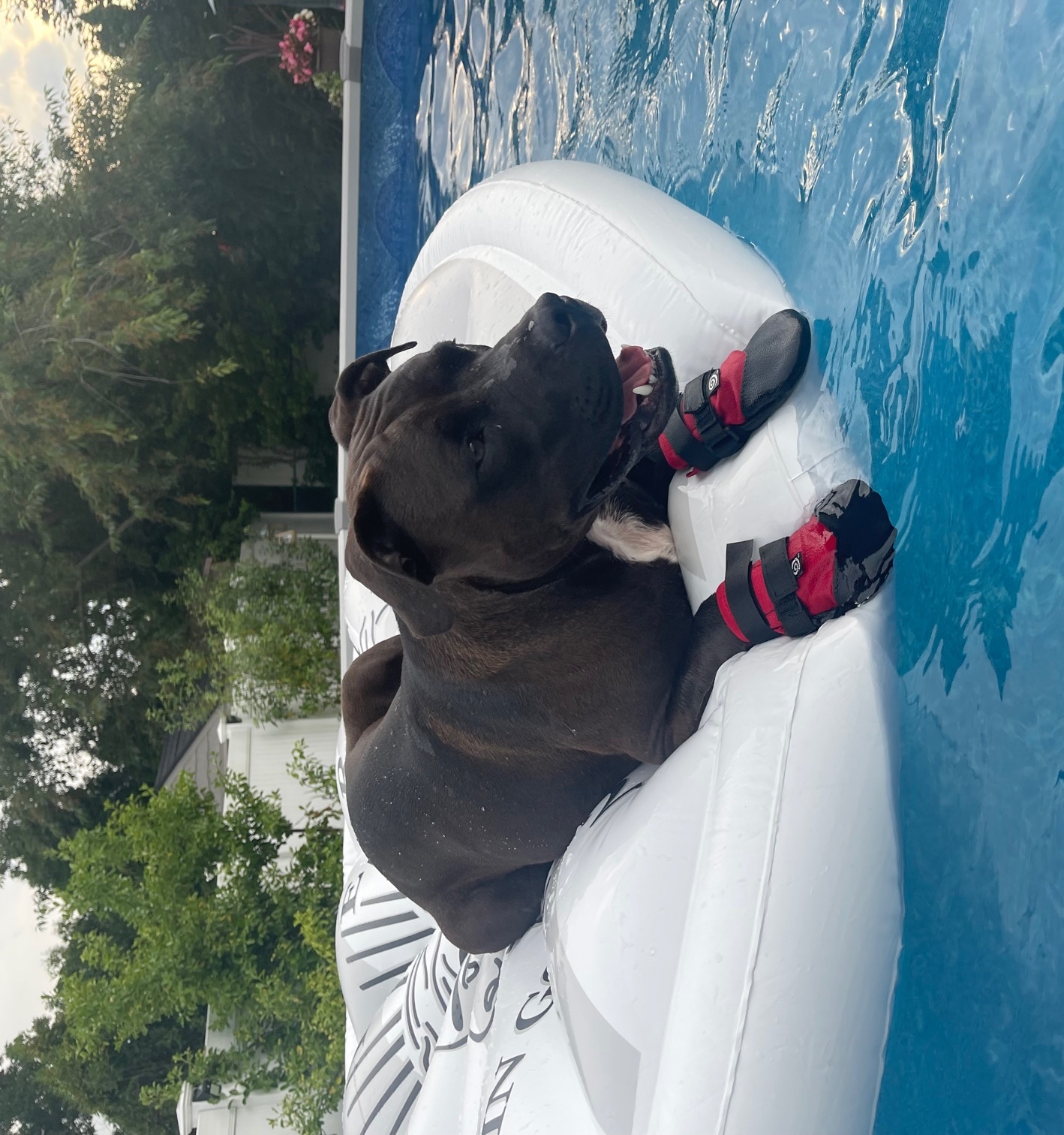
If you are wondering, “can dogs swim with booties on,” the short answer is yes, but that does not mean they should. A dog may still paddle with boots on, yet the boots can add weight, trap water, reduce paw feel, or change the way the legs move. The effect depends on the boot design, the dog, and the type of water.
In practice, the safest approach is simple. Use dog booties for the job they were made to do, such as protecting paws from hot pavement, ice, sharp rocks, or rough trails. For swimming, remove them unless the boots are designed for water and your dog has already shown that they can swim with them safely.
Can Dogs Swim With Booties On?
Yes, many dogs can swim with booties on. Dogs use their legs, paws, body position, and tail to stay afloat and move through water. A boot does not always stop these actions, but it can change them.
The bigger question is whether the boot makes swimming harder for that dog. A light, flexible water boot may have little effect. A thick walking boot can become heavy when wet and may make each stroke feel harder.
That is why the answer to “can dogs swim with booties on” is not the same as saying that every dog should swim in boots. A dog that swims well without boots may struggle when the boots add weight or limit paw movement.
- ✦ Swimming is different from walking
A boot that feels fine on land may feel heavy or awkward in water. Water also changes how the boot moves around the paw.
- ✦ Boot design matters
Thin, flexible boots made for water usually create fewer problems than stiff hiking or winter boots.
- ✦ The dog matters too
A strong, confident swimmer may handle a boot better than a dog that is new to swimming or tires quickly.
Why Booties Can Change a Dog’s Swimming
Dogs push against water with their paws and legs. A boot can change the shape and feel of the paw. It can also affect how much water the paw moves with each stroke.
Wet boots may hold water and become heavier. Loose boots can shift, while tight boots may restrict normal paw movement. These small changes can matter more when a dog swims for a long time or in deeper water.
- ✦ Added weight
A boot can become heavier after it gets wet, especially if it absorbs or holds water.
- ✦ Less paw feedback
Dogs may have less natural contact with the water when a boot covers the paw.
- ✦ Changed movement
A stiff boot can limit the normal bend and spread of the paw during a swimming stroke.
Are Dog Booties Safe for Swimming?
Dog booties can be safe for swimming in some cases, but the boots should never be treated as a safety device. They do not keep a dog afloat, prevent drowning, or replace an approved canine life jacket.
A dog may also react to boots in a way that you do not expect. Some dogs kick harder, change their body position, or try to remove the boots. These reactions can make swimming less efficient and may cause stress.
If you choose to let your dog swim with booties, start in shallow water. Keep your dog close, watch the legs and body position, and stop at the first sign of trouble.

- ✦ Watch the body position
A dog that suddenly sinks lower in the water, struggles to keep the head up, or paddles in a frantic way needs help right away.
- ✦ Check the boots
Make sure the boots stay secure without being so tight that they press into the paw or leg.
- ✦ Use a life jacket when needed
A properly fitted dog life jacket is a much more useful safety tool than booties for dogs that need extra support in water.
When Booties May Be Useful Near Water
Booties can be useful before and after a swim. They may protect paws from hot pool decks, rough shorelines, sharp rocks, shells, or other ground hazards. In those cases, the boots serve a land-based purpose rather than a swimming purpose.
For example, a dog may walk across a hot surface to reach a lake. The boots can protect the paws during that walk. Once the dog enters the water, you can remove the boots if they are not designed for swimming.
- ✦ Hot surfaces
Booties can protect paw pads from hot pavement, concrete, or pool decks.
- ✦ Rough ground
Boots may shield paws from rocks, gravel, shells, and other rough surfaces around lakes and beaches.
- ✦ Post-swim walks
Booties may help protect paws when a dog must walk over rough ground after leaving the water.
Regular Dog Boots vs. Water Booties
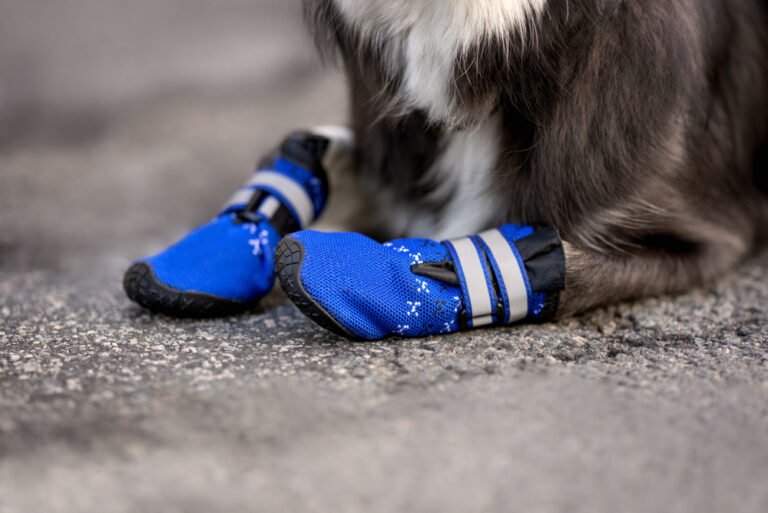
Not all dog boots serve the same purpose. Many products are made for walking, hiking, winter weather, or paw protection. These boots may not work well in water because they can be stiff, thick, or designed to stay dry.
Water booties are made with water exposure in mind. They tend to use lighter materials and may dry faster. Even so, a water boot is not automatically safe for swimming just because it is labeled for water use.
When asking, “can dogs swim with booties on,” check the product instructions first. If the maker says the boots are for walking in wet areas but not for swimming, follow that limit.

- ✦ Walking boots
These often focus on grip, warmth, or protection from rough ground. They may become bulky when wet.
- ✦ Water booties
These are often lighter and made to handle water, but they still need to fit well and stay secure.
- ✦ Winter boots
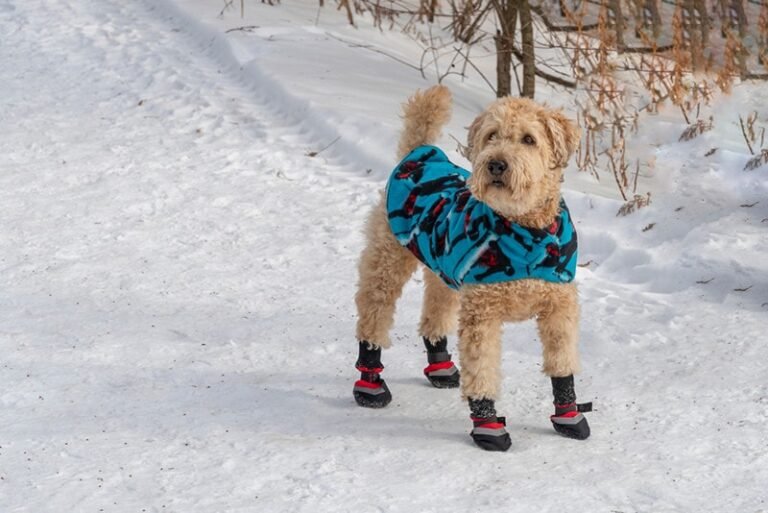
Thick winter boots can hold water, add weight, and restrict movement, making them a poor choice for swimming.
- ✦ Hiking boots
Rigid hiking boots may protect paws on trails but can feel awkward during a swimming stroke.
How to Choose a Boot for Water Use
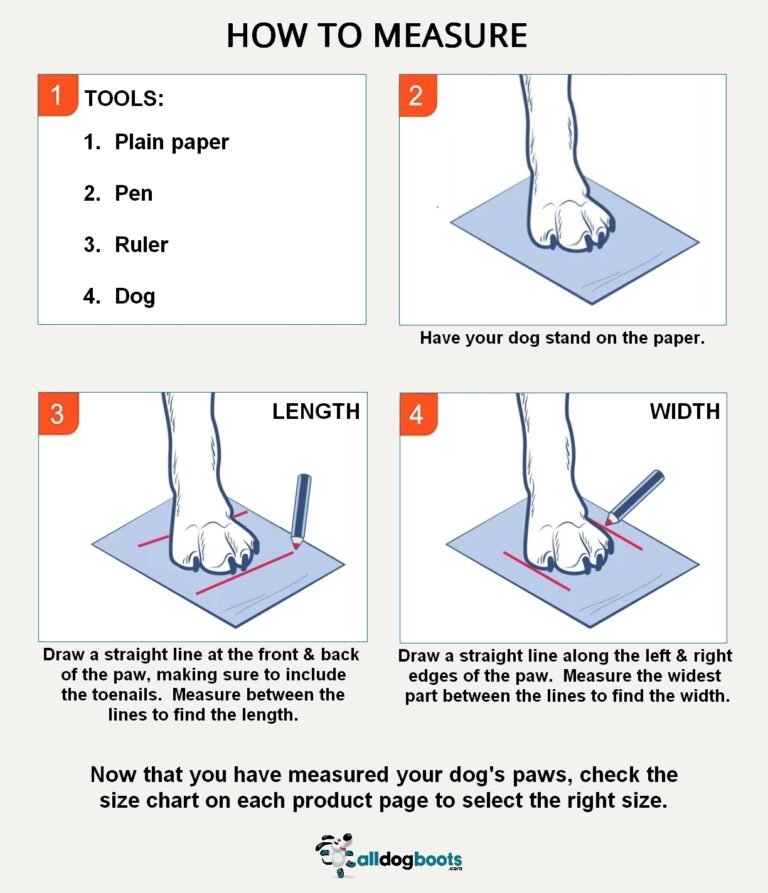
Look for a light and flexible design. The boot should stay on without squeezing the paw or rubbing the skin. It should also have clear instructions that allow water use.
Avoid any boot that becomes very heavy when wet. A boot that fills with water or stays loose around the leg can also cause problems.
- ✦ Light
A lighter boot places less extra load on the legs.
- ✦ Flexible
Flexible materials allow more natural paw and leg movement.
- ✦ Secure
The boot should stay in place without cutting into the skin or slipping off.
Can Dogs Swim With Booties On in a Pool?
Dogs can swim in pools while wearing suitable booties, but there are extra points to consider. Pool water can make boots slippery, and a wet boot can behave differently from a dry one. Pool decks can also be hard on bare paw pads.
If your dog uses a pool, watch how the boots affect both swimming and getting out. A dog may swim well but struggle to climb a pool ramp or use steps while wearing boots.
Pool chemicals can also affect some boot materials. Rinse the boots and your dog’s paws with fresh water after the swim, then dry the paws well.

- ✦ Check the pool exit
Make sure your dog can reach and use the pool steps, ramp, or exit safely.
- ✦ Rinse after swimming
Fresh water can help remove pool water and residue from the boots and paws.
- ✦ Dry the paws
Dry the paws and spaces between the toes after swimming to help prevent prolonged dampness and rubbing.
Should Dogs Wear Booties Around the Pool?
Around the pool, booties may be more useful on the ground than in the water. They can protect paws from hot surfaces, but they can also reduce traction on some wet floors.
Test the boots on a dry surface first and then in a controlled wet area. If your dog slips, walks oddly, or tries to remove them, take them off.
- ✦ Use them for paw protection
Booties can help protect paws from hot or rough areas around a pool.
- ✦ Check traction
A boot should not make it harder for your dog to walk safely on a wet surface.
Can Dogs Swim With Booties On in a Lake or Ocean?
Dogs can swim with suitable booties in lakes or the ocean, but natural water adds more risks. Rocks, shells, sticks, strong currents, waves, and sudden drop-offs can all create hazards.
For lake and ocean trips, paw protection may be helpful when your dog walks along the shore. Yet regular boots may be better removed before swimming if they are not made for water.
Do not assume that calm-looking water is safe. Stay close to your dog, know the local conditions, and use a canine life jacket when the setting calls for extra flotation or visibility.

- ✦ Rocky shorelines
Booties may protect paws from sharp or rough surfaces near the water.
- ✦ Waves and currents
Booties do not protect a dog from currents or help the dog stay afloat.
- ✦ Unknown water
Avoid letting your dog enter water when you cannot judge the depth, current, underwater hazards, or exit points.
Salt Water and Booties
Salt water can leave residue on both boots and paws. Rinse your dog’s feet with clean, fresh water after a beach swim. Check for sand trapped inside the boot as well.
Sand and moisture can rub against the skin. If you notice redness, swelling, or a sore spot, stop using the boots until the area has been checked and healed.
- ✦ Rinse well
Fresh water helps remove salt, sand, and other residue.
- ✦ Inspect the paws
Look between the toes and around the boot line for rubbing or trapped sand.
How to Safely Test Dog Booties in Water
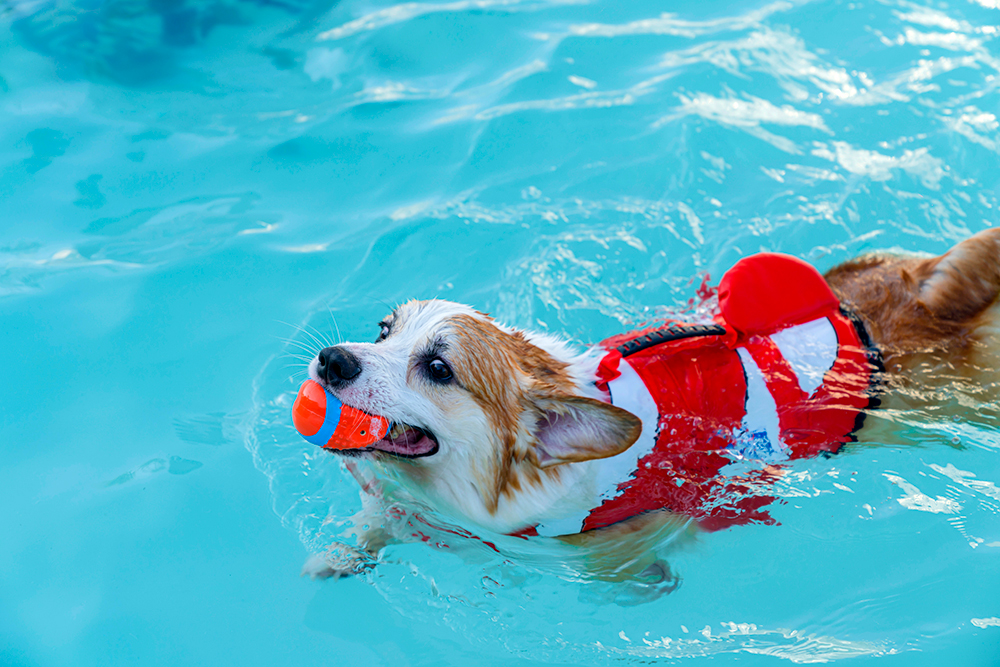
If you want to know whether your dog can swim safely with booties, test the boots before a long swim. Do not put an unfamiliar boot on your dog and then release them into deep water.
Start on land. Make sure the dog walks normally and shows no signs of rubbing or discomfort. Then move to very shallow water where your dog can stand easily.
Watch the first few swimming strokes closely. If your dog paddles normally and stays relaxed, you can continue with care. If the dog struggles, remove the boots and let the dog swim without them.
- ✦ Step 1: Fit the boots
Check that each boot fits securely and does not pinch, slip, or rub.
- ✦ Step 2: Walk on land
Let your dog walk in the boots before entering water. Look for normal movement.
- ✦ Step 3: Use shallow water
Begin where your dog can stand and keep your hands close if needed.
- ✦ Step 4: Watch the swim
Look for smooth paddling, a normal body position, and calm behavior.
- ✦ Step 5: Stop if needed
Remove the boots if your dog struggles, becomes tired, panics, or shows unusual movement.
Signs Your Dog Should Not Swim in Booties
Some dogs will show clear signs that the boots are not working for them. Do not wait for a serious problem before acting. Swimming should stay calm and controlled.
If your dog seems unable to keep the head up or maintain a steady stroke, move the dog to safety at once. Let the dog rest and remove the boots.
- ✦ Frantic paddling
Fast, uneven paddling can show that the dog is struggling to stay comfortable or afloat.
- ✦ Sinking lower
A change in body position can mean the dog is tiring or having trouble moving efficiently.
- ✦ Repeated boot biting
Trying to remove the boots may show discomfort or distraction.
- ✦ Early fatigue
A dog that tires much faster with boots should not keep swimming in them.
Dog Swimming Safety Tips Every Owner Should Know
Booties are only one small part of water safety. Even a strong swimmer can get tired, become disoriented, or have trouble getting out of the water. Supervision matters every time a dog swims.
Do not assume that every dog can swim well. Breed shape, age, fitness, health, confidence, and past experience can affect swimming ability. Dogs with short noses, heavy bodies, or other physical limits may need extra care.
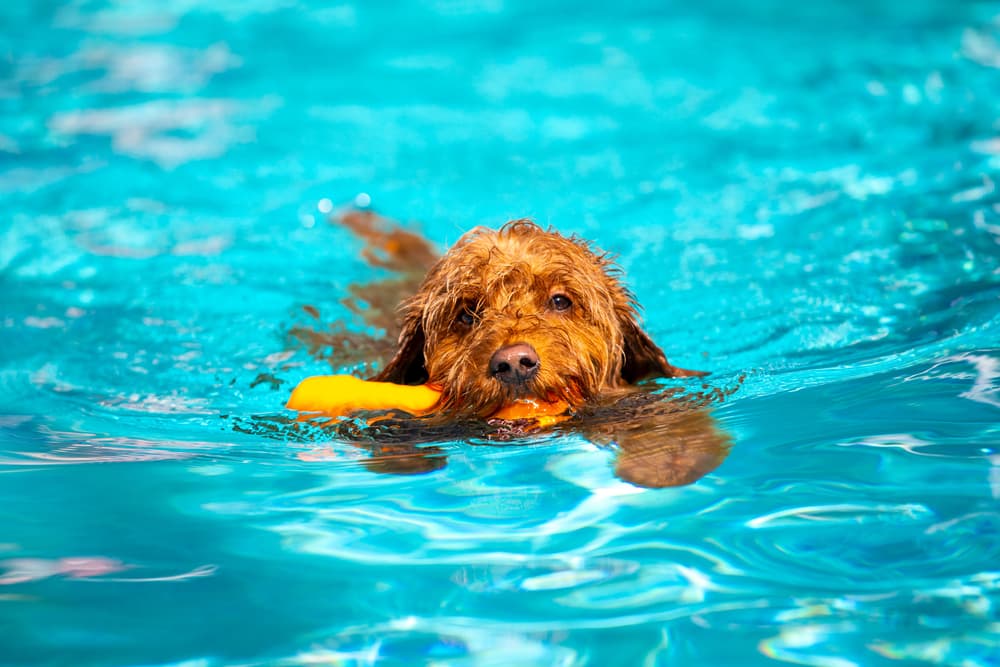
A life jacket can add an important layer of safety in open water, on boats, around strong currents, or during longer swims. Choose one made for dogs, with a secure fit and a handle that lets you help the dog if needed.
- ✦ Stay within reach
Keep your dog close enough to help quickly, especially in deep or moving water.
- ✦ Use a canine life jacket
A dog life jacket can provide flotation and make a dog easier to assist in the water.
- ✦ Provide an easy exit
Make sure your dog knows where to leave the water and can reach the exit without help when possible.
- ✦ Take breaks
Short breaks help reduce fatigue during longer swimming sessions.
- ✦ Check the paws
After swimming, inspect the paws for cuts, rubbing, sand, or other irritation.
- ✦ Rinse after swimming
Rinse your dog after pool or salt-water swimming and dry the coat and paws well.
Do Dog Boots Replace a Life Jacket?
No. Dog boots protect the paws. A life jacket provides flotation and support around the body. They solve two very different problems.
If your dog needs help staying afloat, choose a properly fitted canine life jacket. Do not rely on booties to make swimming safer.
- ✦ Booties
Used mainly for paw protection on land or in certain water settings.
- ✦ Life jacket
Designed to help provide flotation and support in water.
What to Do After Your Dog Swims in Booties
Once the swim ends, remove the booties if your dog does not need them for the walk back. Check each paw before putting the boots away. A quick inspection can catch rubbing or small cuts before they become a bigger problem.
Wash or rinse the boots as the manufacturer recommends. Let them dry fully before storing them. Damp boots can develop odors and may stay wet against the paw during the next use.
Dry your dog’s paws and the spaces between the toes. If you find persistent redness, swelling, pain, or a wound, stop using the boots and seek veterinary advice.
- ✦ Remove the boots
Take them off after swimming unless your dog needs them for safe travel over rough ground.
- ✦ Inspect the paws
Look for rubbing, cuts, redness, swelling, or trapped sand and debris.
- ✦ Clean the boots
Rinse or wash them according to the product directions.
- ✦ Dry everything
Dry the paws and boots before storage or another use.
When to Ask a Veterinarian
Talk with your veterinarian if your dog has repeated paw problems, pain after wearing boots, or trouble swimming. A vet can help you decide whether booties are suitable for your dog’s needs.
A professional check is also useful when a dog has a known condition that affects movement, stamina, balance, or breathing. Water exercise may still be possible, but the plan may need to be adjusted.
- ✦ Persistent paw irritation
Repeated redness or sores after boot use deserve attention.
- ✦ Swimming trouble
Repeated difficulty staying afloat or moving normally should not be ignored.
- ✦ Unusual fatigue
A major change in stamina during swimming is a reason to stop and ask for advice.