What Shampoo Is Safe for Cats? A Complete Guide to Safe Cat Bathing
If you are wondering what shampoo is safe for cats, start with one simple rule: choose a product made and labeled for cats. Cats groom themselves often, so any residue left on the coat may later reach the mouth. A cat-safe shampoo should clean the coat without adding needless skin or grooming risks.
Cats also have different grooming needs from dogs and people. A healthy indoor cat may rarely need a full bath. When a bath is needed, the right product, a short wash, and a very good rinse can make the process much safer and less stressful.
:max_bytes(150000):strip_icc()/dry-shamppoo-for-cats-ae0dc794565b4617969afa0e5bf47b16.png "Dry shampoo options and advice for cats")
What Shampoo Is Safe for Cats?
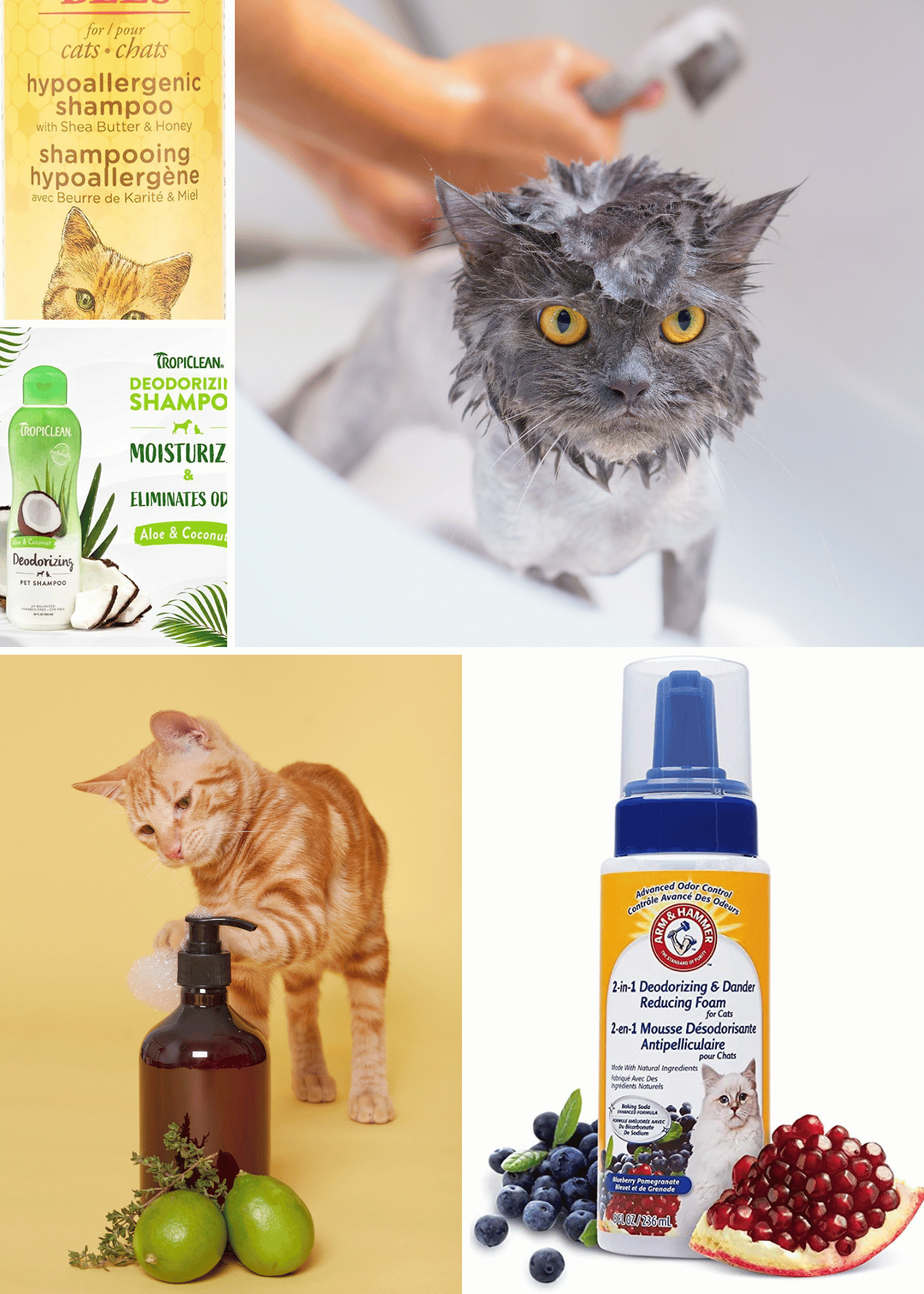
The safest shampoo for most cats is a mild cat shampoo made specifically for feline skin and coats. Look for clear directions that state the product is intended for cats. A simple formula is often a better choice than a product packed with strong scents or many extra ingredients.
When choosing what shampoo is safe for cats, also think about your cat’s age and skin condition. A healthy adult cat may need only a basic grooming shampoo, while a kitten or a cat with itchy, flaky, oily, or infected skin may need a product recommended by a veterinarian.
- ✦ Made for cats
Choose a product that clearly lists cats on the label and gives directions for feline use.
- ✦ Mild formula
A gentle, low-irritant formula is usually preferable to a heavily scented or harsh cleanser.
- ✦ Easy to rinse
A shampoo that rinses clean helps reduce residue left on the coat after bathing.
- ✦ Right for the problem
If your cat has a skin problem, use a product suited to that problem and follow veterinary advice when needed.
What Ingredients Should a Cat Shampoo Have?
There is no single ingredient that makes every shampoo safe for every cat. The full formula matters. Mild cleansing agents and skin-friendly ingredients may work well for routine grooming, while medicated products can contain specific ingredients chosen for a skin problem.
Read the label before you buy. Avoid products that make vague claims but do not clearly explain their intended animal use, directions, or warnings.
- ✦ Mild cleansers
These remove dirt and oil without relying on a very strong cleaning action.
- ✦ Skin-soothing ingredients
Some cat shampoos use ingredients such as colloidal oatmeal to help support dry or sensitive skin.
- ✦ Clear directions
Good labeling tells you how to apply, rinse, store, and use the product safely.
Can You Use Human Shampoo on Cats?
Human shampoo is not the best answer to what shampoo is safe for cats. Human products are made for human skin and hair, not feline skin and coats. Even a mild human shampoo may contain ingredients, fragrances, or cleansing agents that are not a good fit for a cat.
Do not assume that baby shampoo is automatically safe for cats. A product can be gentle for a human baby and still be unsuitable for a cat. If you have no cat shampoo at home, plain lukewarm water may be a safer short-term choice for removing a small amount of dirt than reaching for a random household shampoo.
- ✦ Human shampoo
Skip it when possible because it was not designed for feline skin or grooming habits.
- ✦ Baby shampoo
Do not treat baby shampoo as a default cat product simply because it is mild for people.
- ✦ Household soaps
Dish soap, hand soap, and general cleaners should not be routine cat shampoos.
- ✦ Emergency cleaning
If a cat has a harmful substance on its coat, contact a veterinarian or animal poison service for product-specific instructions rather than guessing.
Why Human Shampoo Can Be a Poor Choice
A cat’s skin has its own balance of oils and protective layers. Strong or poorly matched cleansers may leave the skin dry or irritated. Cats also lick their coats, which makes residue a special concern.
This is why the answer to what shampoo is safe for cats should focus on products made for cats rather than products that happen to feel gentle on human skin.
- ✦ Different skin needs
Human and feline skin are not identical, so a human formula may not suit a cat.
- ✦ Grooming behavior
Cats may swallow small amounts of residue while grooming after a bath.
Is Dog Shampoo Safe for Cats?
Dog shampoo is not automatically safe for cats. Some dog products contain ingredients that may be unsuitable or dangerous for cats, so never use a dog shampoo unless the label clearly says it is safe for cats too.
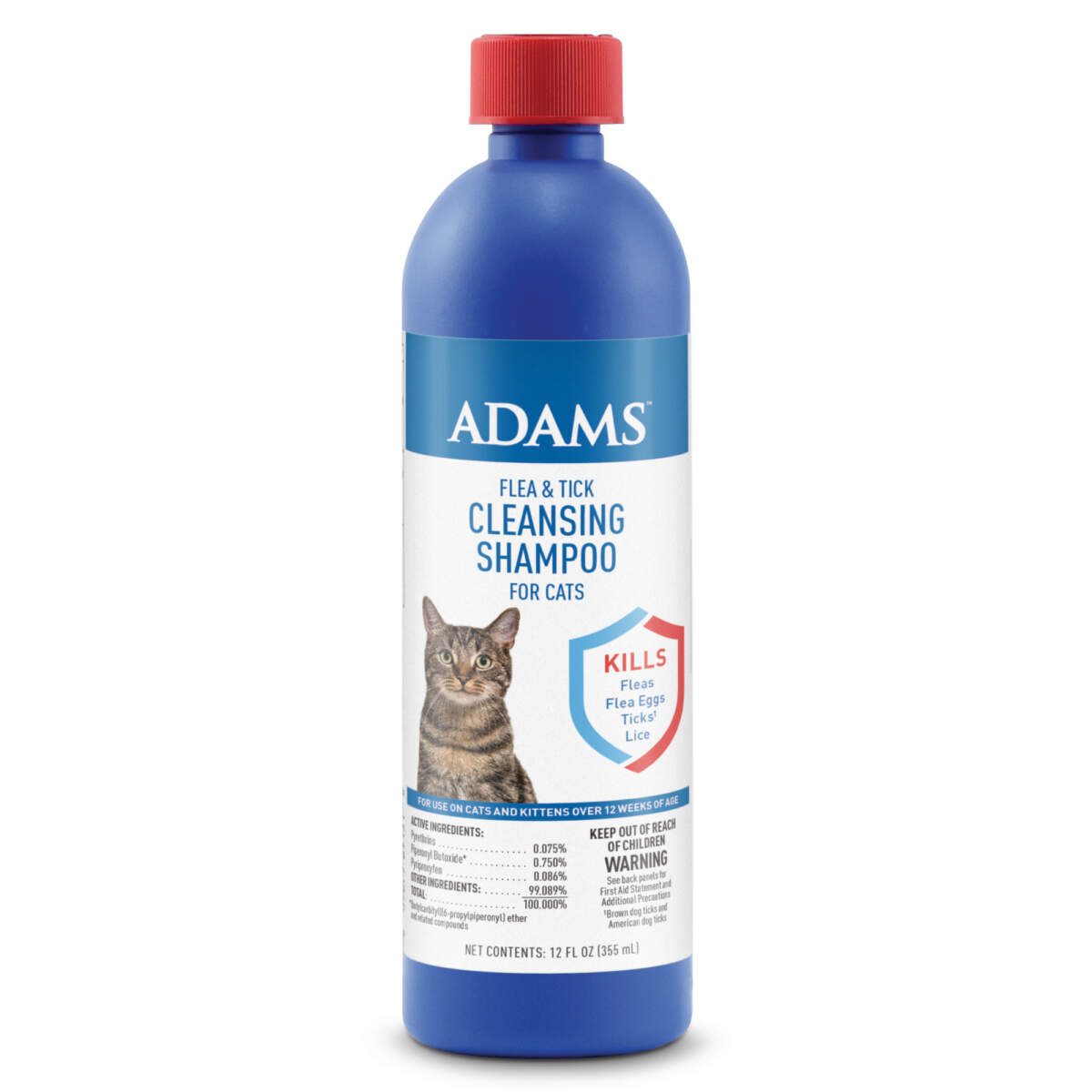
Flea and tick products need extra care. Some flea-control ingredients can be highly toxic to cats, even when they are used safely in dogs. If you are looking for what shampoo is safe for cats because of fleas, choose a product specifically labeled for cats and follow the age and weight directions.
- ✦ Read the species label
Use a dog product on a cat only when the manufacturer clearly states that cats are included in the approved use.
- ✦ Be careful with flea products
Never assume a flea shampoo made for dogs is suitable for cats.
- ✦ Check age limits
Some products are not suitable for young kittens, so check the minimum age before use.
- ✦ Ask a veterinarian when unsure
A veterinarian can help select a safe treatment when fleas, mites, or skin disease are involved.
Why Flea Shampoo Needs Extra Caution
Flea treatment is different from ordinary cleaning. The goal is to kill or control pests, so the active ingredients matter. Cats can be especially sensitive to certain chemicals used in products made for other species.
If a cat shows drooling, tremors, weakness, vomiting, trouble walking, or other concerning signs after a flea product, seek urgent veterinary help. Bring the product package if possible so the veterinary team can identify the ingredients.
- ✦ Species matters
A product approved for dogs is not automatically approved for cats.
- ✦ Active ingredients matter
Check the exact active ingredients, not just the product’s general purpose.
What Shampoo Ingredients Should You Avoid for Cats?
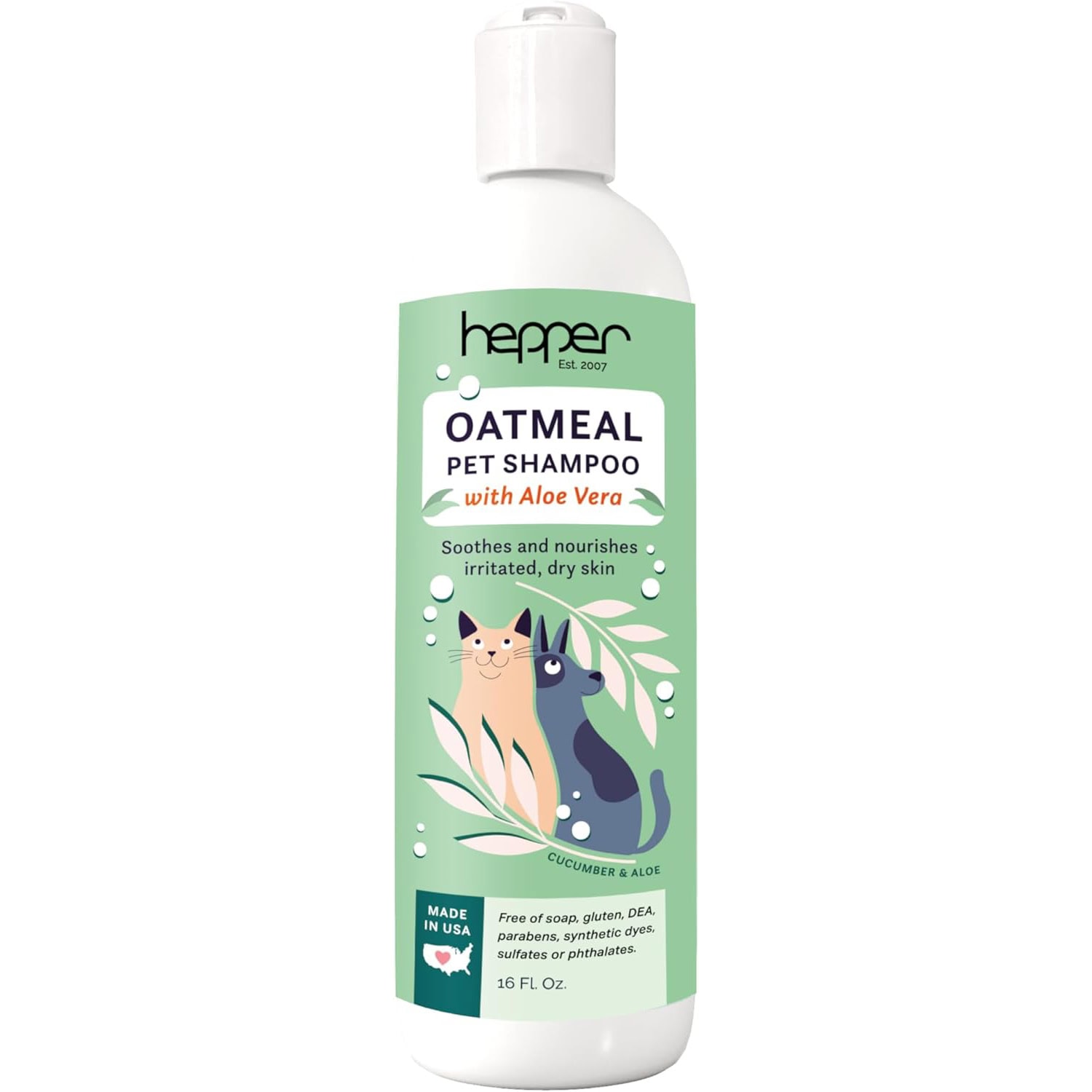
Knowing what shampoo is safe for cats also means knowing what to avoid. Be cautious with strong fragrances, harsh cleansers, and products that contain essential oils without clear feline safety guidance. Natural does not always mean safe for cats.
Essential oils deserve special attention because cats process many substances differently from people. Avoid adding essential oils to a cat’s bath or using concentrated oil products on the coat unless a veterinarian has specifically advised you to do so.
- ✦ Essential oils
Do not add concentrated essential oils to a cat’s shampoo or bath water.
- ✦ Strong fragrance
Highly scented products can irritate sensitive skin and may be unpleasant for cats.
- ✦ Harsh cleaners
Avoid household cleaning products and strong degreasers that were not made for animal skin.
- ✦ Unclear flea ingredients
Do not use a parasite product when you cannot confirm its active ingredients and cat-specific directions.
- ✦ DIY mixtures
Homemade recipes can create unsafe concentrations or combine ingredients that should not be used on cats.
Is Natural Cat Shampoo Always Safe?
No. The word natural does not prove that a product is safe for cats. Plant oils and extracts can still irritate skin or cause problems if a cat licks them from the coat.
Instead of judging a shampoo by marketing words alone, check that it is made for cats, has clear directions, and fits your cat’s age and skin needs.
- ✦ Look past marketing
Terms such as natural, herbal, or botanical do not replace a clear safety label.
- ✦ Check the whole formula
Safety depends on the ingredients, their amounts, the way the product is used, and the individual cat.
When Does a Cat Actually Need a Bath?
Most healthy cats are skilled groomers. Many indoor cats can keep their coats clean with regular self-grooming and brushing, so frequent baths are not needed. Too many baths may dry the skin or make grooming more stressful.
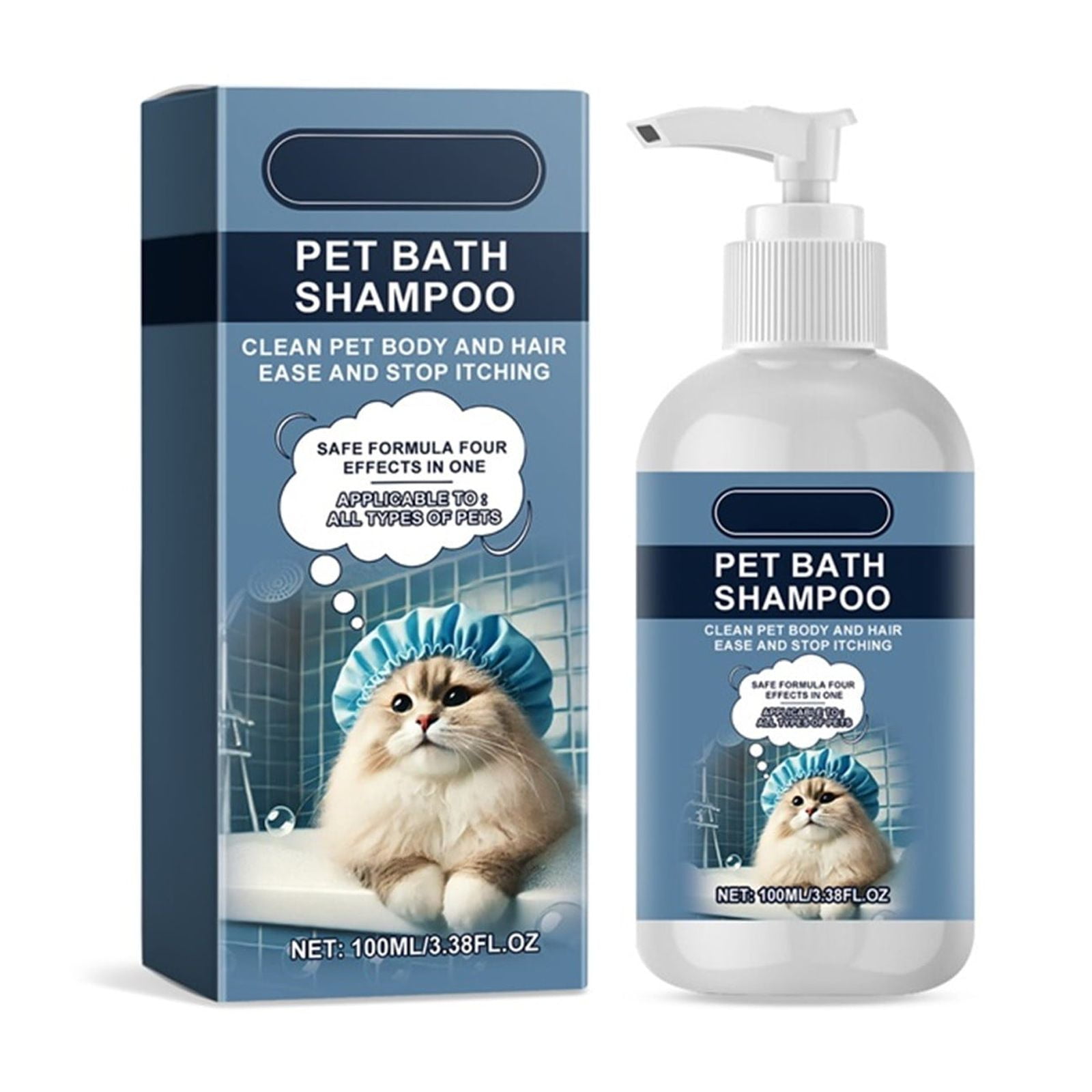
A bath can make sense when a cat gets into something sticky or dirty, cannot groom well, or has a veterinary reason for regular bathing. Long-haired cats, older cats, and cats with certain skin conditions may need more grooming help than others.
- ✦ Dirty coat
A bath may help when brushing cannot remove dirt or another harmless substance.
- ✦ Sticky substances
Some substances require prompt removal, but potentially toxic exposure needs veterinary or poison-control guidance.
- ✦ Skin treatment
A veterinarian may prescribe a medicated shampoo for certain skin problems.
- ✦ Poor self-grooming
Some cats need help because of age, mobility limits, obesity, or other factors.
- ✦ Parasites
Fleas and other parasites may require a full treatment plan rather than shampoo alone.
When a Veterinarian Should Guide the Choice
If your cat has repeated itching, hair loss, sores, dandruff, a strong odor, greasy skin, or frequent infections, do not rely on shampoo alone. These signs can have many causes, and the correct treatment depends on the cause.
A veterinarian may recommend a medicated shampoo or another treatment. In that situation, the safest shampoo for cats is the one chosen for the diagnosed problem and used exactly as directed.
- ✦ Persistent itching
Ongoing itching can have causes that need more than a routine bath.
- ✦ Skin sores
Open or infected areas need careful assessment before bathing.
- ✦ Repeated odor
A strong or recurring odor may point to an underlying skin or ear problem.
How to Bathe a Cat Safely
Once you know what shampoo is safe for cats, the next step is using it correctly. Prepare everything before bringing your cat to the bath area. A calm room, warm water, a non-slip surface, towels, and the right shampoo can make the process easier.
Keep the bath short and avoid getting water or shampoo into the eyes, ears, nose, or mouth. Use lukewarm water, work gently, and rinse very well. Afterward, towel-dry your cat and keep the room warm until the coat is dry.
- ✦ Brush first
Remove loose hair and mats before the bath when your cat will tolerate brushing.
- ✦ Use lukewarm water
Water should feel comfortably warm, not hot.
- ✦ Use a small amount of shampoo
Follow the product label instead of using more shampoo than needed.
- ✦ Rinse well
Keep rinsing until the coat feels free of shampoo residue.
- ✦ Dry gently
Towel-dry the coat and keep your cat warm in a quiet area until fully dry.
What If My Cat Hates Baths?
Many cats dislike being restrained or placed in water. Do not turn bath time into a long struggle. If your cat becomes highly distressed, stop when it is safe to do so and consider help from a professional groomer or veterinarian.
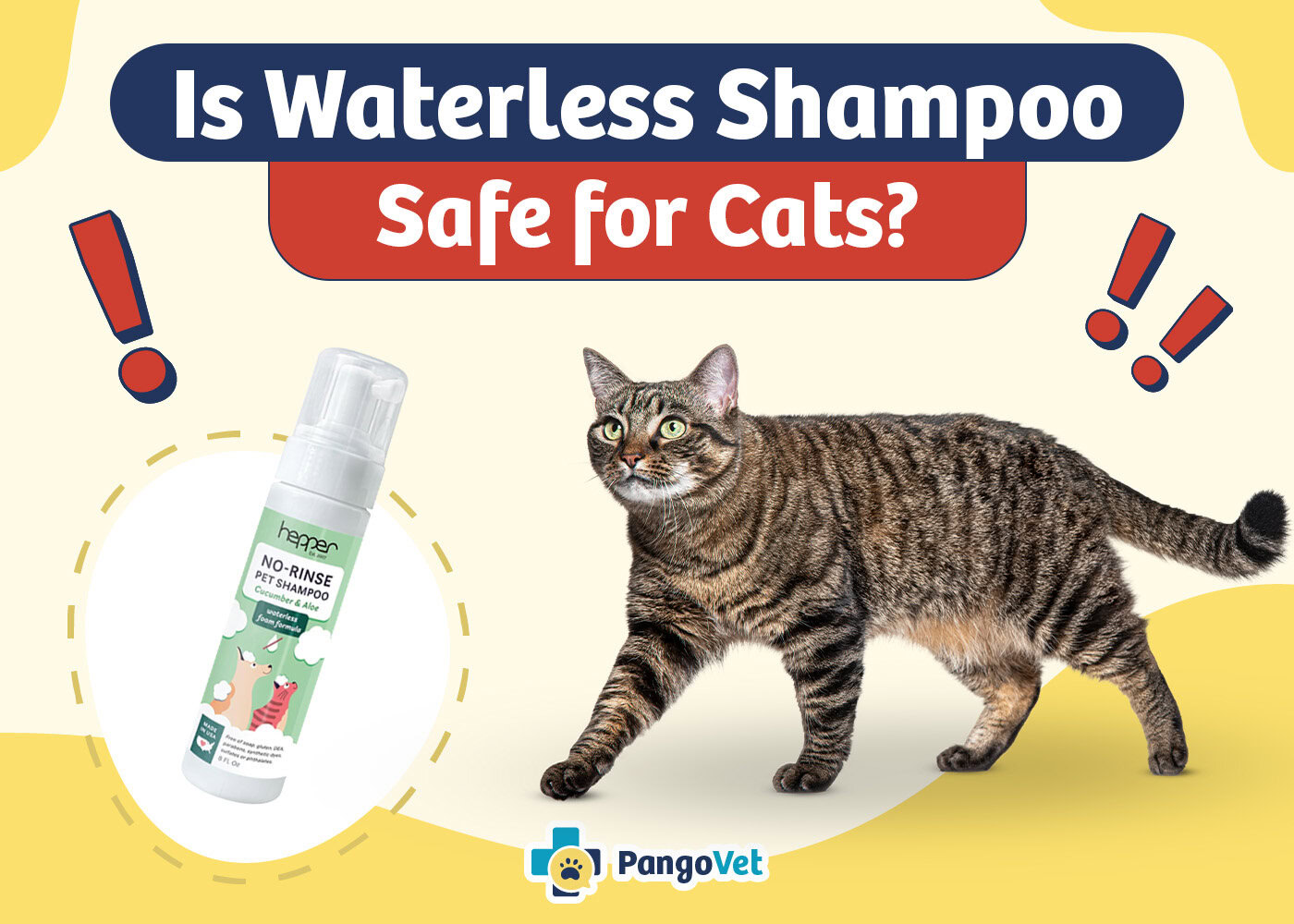
For small areas of dirt, a damp cloth may be enough. Waterless products can also be useful in some cases, but only choose one clearly labeled for cats and follow the directions closely.
- ✦ Stay calm
Slow movements and a quiet voice can reduce stress during grooming.
- ✦ Keep sessions short
A quick, well-rinsed bath is usually better than a long grooming battle.
- ✦ Consider professional help
A veterinarian or experienced cat groomer can help when home bathing is unsafe.
Are Waterless Shampoos Safe for Cats?
Waterless shampoo can be useful when a full bath is difficult, but the same safety rules apply. Choose a product made for cats, read the label, and avoid products that contain ingredients your veterinarian has told you to avoid.
Waterless does not mean risk-free. Because cats groom themselves, use only the amount directed and make sure the product is intended to remain on the coat.
- ✦ Check the label
The product should clearly state that it is designed for cats.
- ✦ Use as directed
Do not apply more product simply because the coat looks dirty.
- ✦ Watch for irritation
Stop using a product and seek veterinary advice if your cat develops skin irritation or other concerning signs.
How to Choose the Right Cat Shampoo for Your Cat
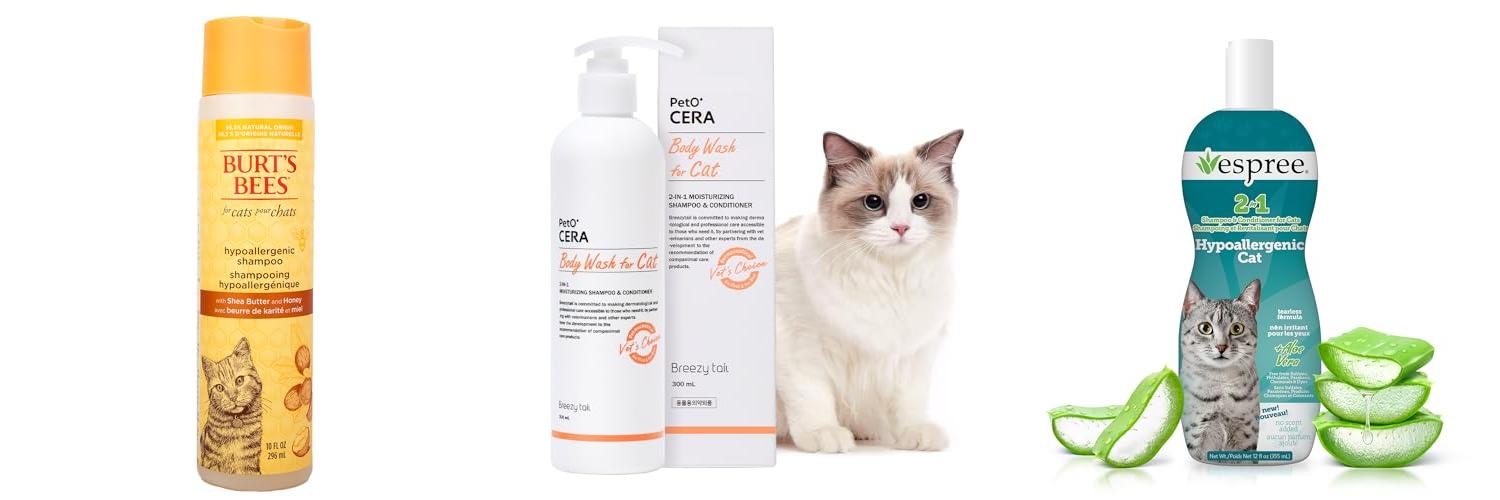
The best answer to what shampoo is safe for cats depends on why you need to bathe the cat. A routine grooming shampoo may be enough for a dirty coat, while a cat with a diagnosed skin condition may need a medicated formula.
Before buying, check the species, age range, directions, ingredients, and intended use. Avoid choosing a product only because it has a pleasant smell, a popular label, or a natural-sounding name.
- ✦ Start with the label
Confirm that the shampoo is specifically intended for cats.
- ✦ Match the purpose
Choose a routine, moisturizing, cleansing, or medicated product based on your cat’s actual need.
- ✦ Consider age
Kittens may have different product limits, so check the minimum age carefully.
- ✦ Check for warnings
Read all warnings and directions before putting the product on your cat.
- ✦ Ask before medicating
A veterinarian should guide treatment when the cat has a skin disease or another medical problem.
A Simple Cat Shampoo Checklist
When you stand in a U.S. pet store or shop online, it is easy to face dozens of choices. Keep the decision simple. Start with the cat’s need, then check the label and ingredients before looking at extra features.
A good shampoo should solve the grooming problem without creating a new one. If you are still unsure what shampoo is safe for cats, your veterinarian can help you choose a product suited to your individual cat.
- ✦ Species
Does the label clearly say the product is for cats?
- ✦ Purpose
Is it meant for the reason you need to bathe your cat?
- ✦ Ingredients
Have you checked the active and inactive ingredients and avoided products that concern you?
- ✦ Directions
Can you follow the bathing and rinsing instructions exactly?
- ✦ Veterinary advice
Does your cat have a medical issue that calls for professional guidance?