No, Turkish Van cats are not considered hypoallergenic, although some people may react less strongly to them than to certain other breeds.
In the United States, many prospective cat owners search for breeds that may be easier to live with when allergies are a concern. One question that frequently comes up is whether Turkish Van cats are hypoallergenic. While this breed has a distinctive coat and sheds less heavily than some long-haired breeds, it still produces the proteins responsible for most cat allergies.
Understanding how cat allergies work is more important than focusing on coat length alone. Turkish Van cats can be wonderful companions, but people with moderate or severe cat allergies should spend time around the breed before making a commitment.
Source: Bing
Are Turkish Van Cats Hypoallergenic?
The direct answer is no. Turkish Van cats are not hypoallergenic. They produce the same allergy-triggering proteins found in other domestic cats.
The primary allergen associated with cats is a protein called Fel d 1. This protein is found in a cat’s saliva, skin oils, and dander. When cats groom themselves, allergens spread across their coat and eventually into the environment.
Because Turkish Van cats still produce these proteins, allergy sufferers can experience symptoms such as sneezing, itchy eyes, congestion, and skin irritation.
Source: Bing
Not Allergy Free
Turkish Van cats still produce common feline allergens.
Individual Reactions Differ
Some people may tolerate the breed better than others.
Coat Type Is Not Enough
Fur length alone does not determine allergen levels.
Why People Sometimes Think Turkish Van Cats Are Hypoallergenic
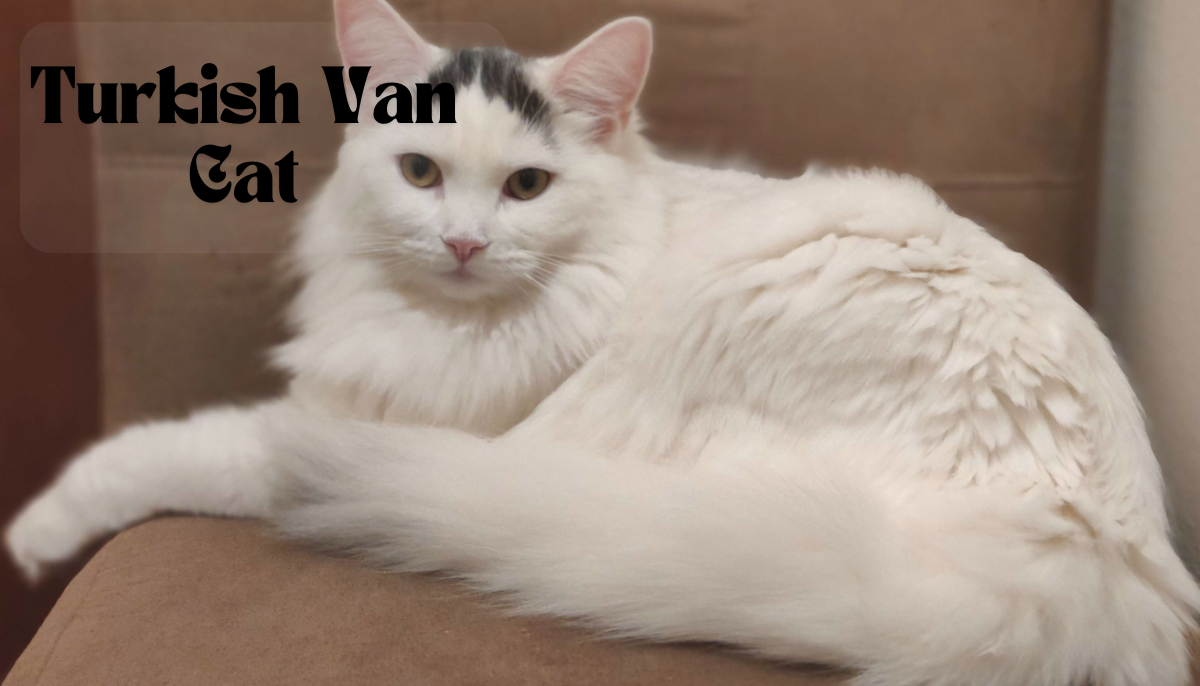
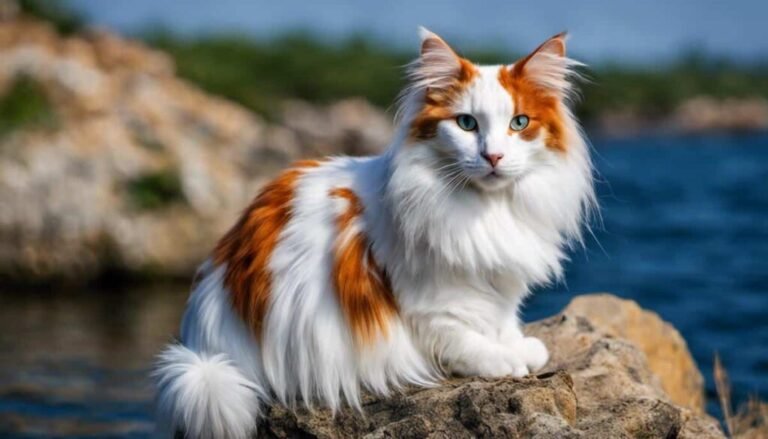
The Turkish Van has a unique semi-longhaired coat with a cashmere-like texture and relatively little undercoat. Because the coat resists matting and may require less grooming than some long-haired breeds, people sometimes assume it creates fewer allergy problems.
Although reduced grooming needs can help limit loose fur in the home, the breed still produces allergenic proteins. Therefore, a lower-maintenance coat should not be confused with being hypoallergenic.
Unique Coat
The breed has a soft coat with minimal undercoat.
Common Misconception
Less visible shedding does not mean fewer allergens.
What Actually Causes Cat Allergies?
Many people believe cat hair causes allergies, but the real trigger is usually proteins produced by the cat. These proteins attach to microscopic skin flakes known as dander.
Once allergens become airborne or settle on furniture, carpets, clothing, and bedding, they can remain in the environment for extended periods. This is why allergy symptoms can continue even after a cat leaves a room.
Source: Bing
Fel d 1 Protein
The most common cat allergen responsible for reactions.
Dander
Tiny skin particles carry allergens throughout the home.
Saliva
Cats spread allergens onto their coat during grooming.
How Turkish Van Cats Compare to Other Breeds
There is no reliable evidence showing that Turkish Van cats consistently produce significantly lower allergen levels than recognized lower-allergen breeds. While some owners report milder reactions, experiences vary widely.
A person’s sensitivity level, household cleaning habits, and the individual cat all influence allergy outcomes.
No Guaranteed Advantage
The breed is not officially considered low-allergen.
Can People With Allergies Live With a Turkish Van Cat?
Many allergy sufferers successfully live with cats, including Turkish Vans, but success depends on the severity of the allergy. People with mild symptoms may be able to manage exposure through cleaning and environmental controls.
Those with severe allergies or asthma should consult a healthcare professional before adopting any cat breed.
Source: Bing
Mild Allergies
May be manageable with proper household practices.
Severe Allergies
Require extra caution and professional medical guidance.
Trial Interaction
Spend time with the breed before adoption.
Signs That a Turkish Van May Work for You
If you can spend several hours around a Turkish Van without significant symptoms, the breed may be a manageable option. Repeated visits provide a better assessment than a brief meeting.
Allergy responses can develop gradually, so multiple interactions are often more informative.
Multiple Visits
Repeated exposure gives a clearer picture of compatibility.
Ways to Reduce Allergens in a Home With a Turkish Van
While no cleaning strategy can eliminate allergens completely, several practical steps can reduce allergen exposure and improve comfort.
Combining multiple approaches usually provides better results than relying on a single solution.
Source: Bing
Use HEPA Filters
Air purifiers can help capture airborne particles.
Vacuum Frequently
Regular cleaning reduces accumulated dander.
Create Cat-Free Zones
Keeping bedrooms pet-free may improve sleep quality.
Wash Bedding Often
Removes allergens that collect on fabrics.
Grooming Considerations
Regular brushing can help remove loose fur and dander before it spreads throughout the home. Ideally, grooming should be performed by a household member who is not allergy-sensitive.
Maintaining a clean environment often has a greater impact than focusing on grooming alone.
Consistent Grooming
Helps reduce loose hair and dander buildup.
Turkish Van Allergy Risk Comparison
The table below helps place the Turkish Van in context for allergy-conscious households. Individual results can vary, but the comparison highlights realistic expectations.
No cat breed is completely allergen-free, and even breeds often labeled hypoallergenic can trigger symptoms.
Source: Bing
Expectation Management
No breed can guarantee an allergy-free experience.
Quick Comparison
Turkish Van cats fall into the standard allergen category rather than the lower-allergen category. Potential owners should evaluate their personal sensitivity before adoption.
Moderate Allergy Consideration
Testing compatibility is strongly recommended.
Should You Get a Turkish Van if You Have Allergies?
A Turkish Van can still be a suitable companion for some allergy sufferers, but it should not be chosen under the assumption that it is hypoallergenic.
The best approach is to spend meaningful time with the specific cat you are considering, monitor your symptoms, and discuss concerns with a healthcare professional if necessary.
Source: Bing
Test Before Adoption
Evaluate your reaction before making a long-term commitment.
Plan for Allergen Management
Prepare cleaning and air filtration strategies in advance.
Who Is the Breed Best For?
Turkish Van cats are often a good fit for active households that appreciate intelligent, energetic, and people-oriented cats. Allergy concerns should be evaluated separately from personality and care requirements.
Active Owners
The breed thrives with interaction and enrichment.
Frequently Asked Questions
Q
Do Turkish Van cats shed a lot?
Turkish Van cats shed moderately. Seasonal shedding periods can produce more loose fur, especially during coat changes.
Q
Are Turkish Van cats better for allergies than long-haired cats?
Some people may experience fewer symptoms, but there is no guarantee. The breed still produces the proteins that trigger cat allergies.
Q
What cat breeds are considered more allergy friendly?
Breeds such as Siberian, Balinese, and Russian Blue are often discussed as lower-allergen options, although no breed is completely hypoallergenic.
Q
Can air purifiers help with Turkish Van cat allergies?
Yes. High-quality HEPA air purifiers can reduce airborne dander and help improve indoor air quality.
Q
Should I adopt a Turkish Van if I have severe allergies?
People with severe allergies should exercise caution, spend time around the breed first, and consult a healthcare professional before adoption.
✦ Wrapping Up
Conclusion
Turkish Van cats are not hypoallergenic. Although their distinctive coat may lead some people to believe they are allergy friendly, they still produce the proteins responsible for most cat allergy symptoms.
For allergy-sensitive households in the United States, the safest approach is to test your reaction to the breed before adoption and implement practical allergen-reduction strategies if you decide to bring one home.
💡 Key Takeaway
Spend time with a Turkish Van before adopting and evaluate your personal allergy response rather than relying on breed reputation alone.
Learn how big American Bobtail cats get, including average weight, length, growth timeline, and factors that affect their size. Discover what to expect from this muscular American cat breed.
Learn how long American Bobtail cats live, the factors that affect their lifespan, common health concerns, and practical ways to help your cat live a long, healthy life.
Learn whether Turkish Van cats are popular in the US, how common they are, why they remain rare, and what prospective owners should know before adopting one.
Do American Bobtail cats shed? Learn how much American Bobtail cats shed, when shedding increases, grooming tips, and how to manage cat hair in your home.
Learn how to bathe a chinchilla safely using a dust bath, how often to provide one, common mistakes to avoid, and when a water bath should never be used.
Learn how much American Bobtail cats cost in the United States, including breeder prices, adoption fees, first-year expenses, and ongoing ownership costs.