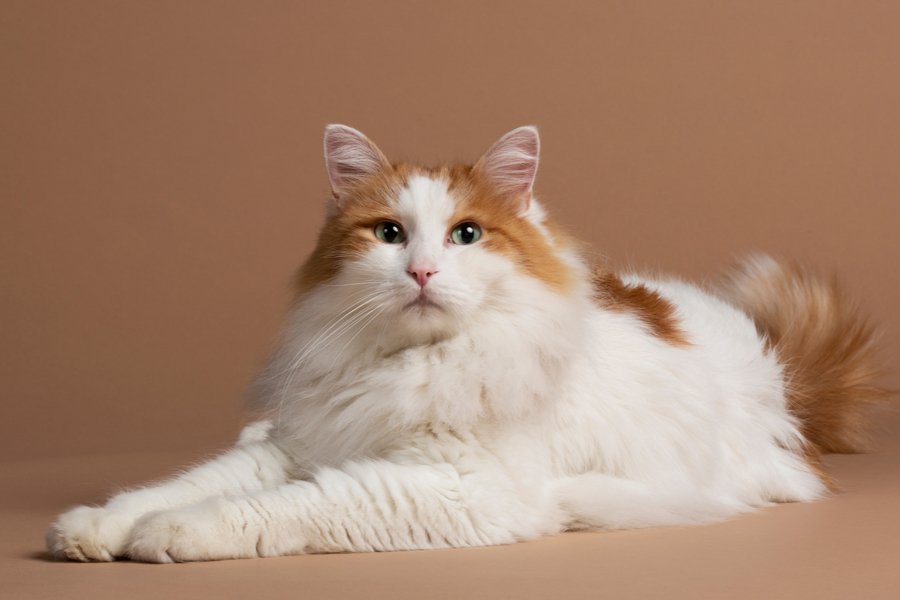
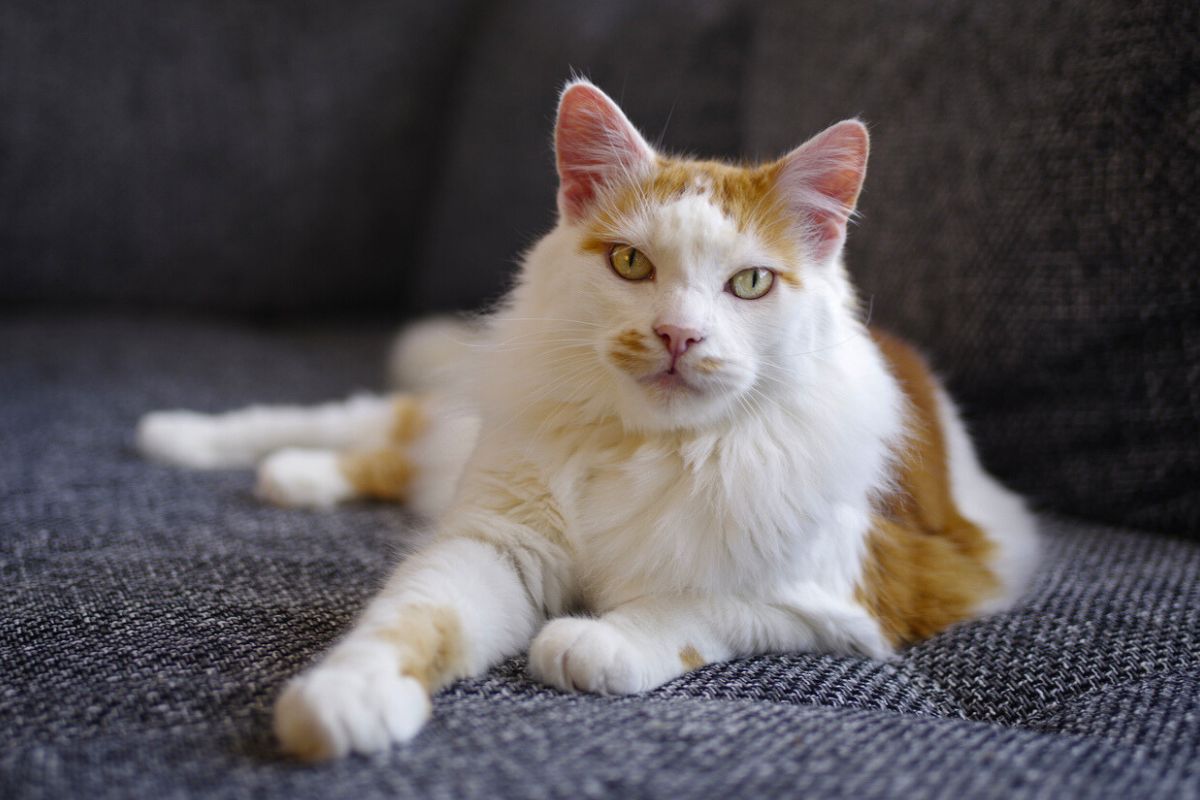
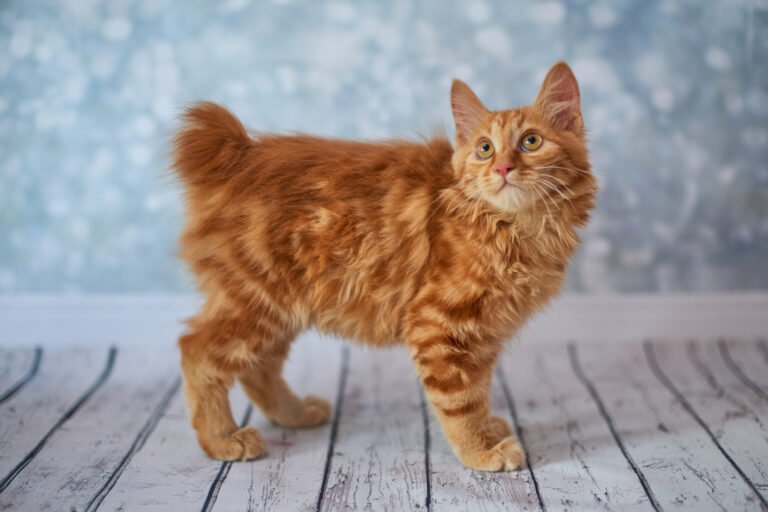
Most Turkish Van cats live between 12 and 17 years, with some reaching their late teens.
In the United States, Turkish Van cats are considered a relatively healthy and long-lived breed. Most well-cared-for Turkish Vans live between 12 and 17 years, especially when they receive regular veterinary care, proper nutrition, and a safe indoor environment.
When people ask how long do turkish van cats live, the answer depends on genetics, lifestyle, diet, preventive healthcare, and overall management. While no cat owner can guarantee a specific lifespan, many Turkish Vans enjoy long, active lives compared with the average domestic cat.
Source: Bing
What Is the Average Lifespan of a Turkish Van Cat?
The average Turkish Van lifespan ranges from 12 to 17 years. Many cats remain healthy and active well into their senior years when they receive consistent care throughout life.
Like other purebred cats, individual lifespan varies. Some Turkish Vans may live beyond 17 years, while others may experience health conditions that shorten life expectancy. Genetics, environment, and owner care all play important roles.
Source: Bing
Typical lifespan
Most Turkish Vans live 12 to 17 years.
Long-lived individuals
Some cats reach 18 years or more with excellent care.
Life stage maturity
Many Turkish Vans remain playful and active into their senior years.
How Turkish Vans Compare With Other Cats
The Turkish Van generally falls within the upper range of feline life expectancy. Their reputation as a robust and athletic breed contributes to their relatively long lifespan compared with many pets.
Breed health
Turkish Vans are often considered a healthy cat breed overall.
What Factors Affect How Long Turkish Van Cats Live?
Several factors influence longevity. Even cats with strong genetics can experience shorter lifespans if their diet, healthcare, or living conditions are poor.
The most important influences include nutrition, weight control, exercise, disease prevention, dental care, and routine veterinary examinations. Small improvements in daily care can add meaningful quality and length to a cat’s life.
Source: Bing
Nutrition
Balanced diets help support healthy organs, muscles, and immune function.
Exercise
Regular activity helps maintain healthy body weight.
Preventive care
Vaccinations and health screenings can identify problems early.
Indoor Versus Outdoor Living
Indoor Turkish Vans typically live longer because they face fewer risks from traffic, predators, toxins, infectious diseases, and injuries. Secure indoor living remains one of the most effective ways to improve feline longevity.
Reduced hazards
Indoor cats avoid many common environmental dangers.
Common Health Concerns That Can Affect Lifespan
Turkish Vans are generally considered healthy, but no breed is completely free from health concerns. Regular veterinary monitoring helps identify issues before they become serious.
Like many cats, Turkish Vans may develop age-related conditions such as kidney disease, dental disease, arthritis, obesity, or heart problems. Early detection often improves management and quality of life.
Source: Bing
Dental disease
Poor oral health can affect overall wellness and comfort.
Obesity
Excess weight increases strain on joints and organs.
Kidney disease
Risk tends to increase as cats age.
Why Regular Checkups Matter
Routine examinations allow veterinarians to monitor weight, dental health, organ function, and age-related changes. Early treatment frequently leads to better long-term outcomes.
Early detection
Health issues are easier to manage when found quickly.
How to Help a Turkish Van Live Longer
Owners can support longevity by providing complete nutrition, regular veterinary care, daily enrichment, and a safe home environment. Consistency is often more important than any single intervention.
Mental stimulation also matters. Turkish Vans are intelligent and energetic cats that benefit from interactive toys, climbing structures, and opportunities to explore their environment safely.
Source: Bing
Maintain healthy weight
Avoid overfeeding and monitor body condition regularly.
Schedule veterinary visits
Annual and senior wellness exams support preventive care.
Provide enrichment
Mental and physical activity support overall wellness.
Signs of Healthy Aging
Healthy senior Turkish Vans usually maintain a good appetite, stable weight, normal grooming habits, and interest in family activities. Sudden changes should be evaluated by a veterinarian.
Monitor behavior
Behavior changes can be early signs of illness.
Turkish Van Lifespan by Life Stage
Understanding life stages helps owners provide age-appropriate care. Nutritional needs, exercise requirements, and health monitoring change throughout a cat’s life.
Cats that receive suitable care during each stage are more likely to remain healthy into their senior years.
Source: Bing
Kitten
Birth to 1 year with rapid growth and development.
Adult
Approximately 1 to 10 years with peak physical health.
Senior
Typically 10 years and older with increased healthcare needs.
Age-Specific Care Needs
Regular adjustments to diet, activity levels, and veterinary screening schedules help support healthy aging and may contribute to a longer lifespan.
Customized care
Health plans should evolve as the cat ages.
Mistakes That Can Shorten a Turkish Van’s Life
Many lifespan risks are preventable. Delayed veterinary care, obesity, poor dental hygiene, and unsafe outdoor access are among the most common problems seen in companion cats.
Ignoring subtle symptoms can also delay diagnosis. Cats often hide illness, making routine observation an important part of responsible ownership.
Source: Bing
Skipping wellness exams
Missed screenings can allow diseases to progress unnoticed.
Overfeeding
Obesity increases health risks and may reduce lifespan.
Ignoring dental care
Dental disease can affect overall health and comfort.
When to Contact a Veterinarian
Seek veterinary advice if your Turkish Van experiences weight loss, appetite changes, increased thirst, breathing difficulties, mobility issues, or noticeable behavioral changes.
Act promptly
Early evaluation often leads to better outcomes.
Frequently Asked Questions
Q
How long do turkish van cats live indoors?
Indoor Turkish Van cats commonly live between 12 and 17 years. A protected indoor environment reduces exposure to many preventable hazards.
Q
Is the Turkish Van a healthy cat breed?
Yes. Turkish Vans are generally considered healthy cats, although they can still develop common feline diseases and age-related health conditions.
Q
Can a Turkish Van live longer than 17 years?
Yes. Some Turkish Vans exceed 17 years when they have favorable genetics, excellent nutrition, preventive healthcare, and a safe lifestyle.
Q
What is the biggest threat to a Turkish Van’s lifespan?
Obesity, untreated disease, poor preventive care, and environmental hazards can significantly affect health and longevity.
Q
At what age is a Turkish Van considered a senior cat?
Many veterinarians consider cats around 10 years of age and older to be entering their senior years, although individual aging rates vary.
✦ Wrapping Up
Conclusion
For owners wondering how long do turkish van cats live, the typical lifespan is about 12 to 17 years. Many individuals reach the upper end of that range when they receive consistent healthcare, proper nutrition, and a safe indoor lifestyle.
While genetics play a role, daily care remains one of the strongest influences on longevity. Regular veterinary visits, weight management, and enrichment can help your Turkish Van enjoy a healthy and active life for many years.
💡 Key Takeaway
Provide preventive veterinary care, maintain a healthy weight, and keep your Turkish Van in a safe, enriched indoor environment to support the longest possible lifespan.
Learn what is the personality of american bobtail cat, including temperament, behavior, intelligence, family compatibility, and what to expect as an owner.
Learn how to groom a Chinese Crested dog with step-by-step instructions, skin care tips, bathing schedules, coat maintenance advice, and grooming mistakes to avoid.
Learn how much Turkish Van kittens cost in the United States, including breeder prices, adoption fees, ownership expenses, and factors that affect pricing.
Learn how long American Bobtail cats live, the factors that affect their lifespan, common health concerns, and practical ways to help your cat live a long, healthy life.
Learn whether American Bobtail cats are rare, why they are less common than many breeds, how available they are in the United States, and what to expect when looking for one.
Are Turkish Van cats rare? Learn why this unique breed is considered uncommon in the United States, how difficult they are to find, what affects availability, and what to expect when searching for a Turkish Van kitten.