To take care of a chinchilla, provide a spacious cage, quality hay, fresh water, daily exercise, regular dust baths, and a cool environment.
In the United States, chinchillas have become popular companion animals because they are clean, intelligent, and relatively quiet. However, they require specialized care that differs from rabbits, guinea pigs, and other small pets.
Understanding how to take care of a chinchilla starts with meeting its environmental, dietary, and social needs. When housed properly and given consistent daily care, chinchillas can live for many years and remain active, healthy companions.
<img src="https://i.ytimg.com/vi/wMwV-Nk9d8A/maxresdefault.jpg" alt="How To Take Care Of A Chinchilla – YouTube" title="How To Take Care Of A Chinchilla – YouTube" loading="lazy" decoding="async" style="max-width: 100%; height: auto; display: block; margin: 0 auto;”>
Source: YouTube > The Chinchilla Notebook
Understanding a Chinchilla’s Basic Needs
Before learning how to take care of a chinchilla, it is important to understand its natural behavior. Chinchillas originate from cool, dry mountain environments and are adapted to low humidity and moderate temperatures.
They are active, curious animals that need room to jump, climb, explore, and rest. A healthy routine includes proper housing, balanced nutrition, enrichment, and regular observation.
Source: animalko.com
Cool Environment
Keep living areas cool and well ventilated.
Daily Activity
Allow opportunities for exercise and mental stimulation.
Consistent Care
Maintain regular feeding and cleaning schedules.
What Makes Chinchillas Different
Chinchillas have extremely dense fur that traps moisture. Because of this, they should not be bathed in water and instead require dust baths to keep their coats clean.
Dense Fur
Requires special grooming through dust baths.
Set Up the Right Chinchilla Habitat
A proper habitat is one of the most important parts of how to take care of a chinchilla. Choose a tall, spacious cage with multiple levels that allow climbing and jumping.
Place the cage in a quiet area away from direct sunlight, drafts, and household heat sources. Good airflow helps maintain a comfortable environment.
Source: housepetscare.com
Large Cage
Provide enough space for movement and exercise.
Safe Materials
Use chew-safe accessories and solid shelves.
Hideouts
Include shelters where the chinchilla can rest.
Recommended Habitat Features
Add wooden ledges, chew toys, food dishes, water bottles, and nesting areas. Avoid plastic items that can be chewed and swallowed.
Wooden Accessories
Provide safe chewing and enrichment opportunities.
Feed a Healthy Chinchilla Diet
Diet plays a major role in how to take care of a chinchilla. Unlimited grass hay should form the foundation of the diet because it supports digestion and dental health.
Offer high-quality chinchilla pellets in measured amounts and provide fresh water daily. Sudden dietary changes can upset digestion and should be avoided.
Source: artofit.org
Unlimited Hay
Supports healthy digestion and tooth wear.
Quality Pellets
Provide balanced nutrition.
Fresh Water
Replace water every day.
Foods to Avoid
Avoid sugary treats, chocolate, dairy products, and foods high in fat. These items can cause digestive problems and other health issues.
Limit Treats
Offer treats sparingly and only when safe.
Provide Grooming, Dust Baths, and Exercise
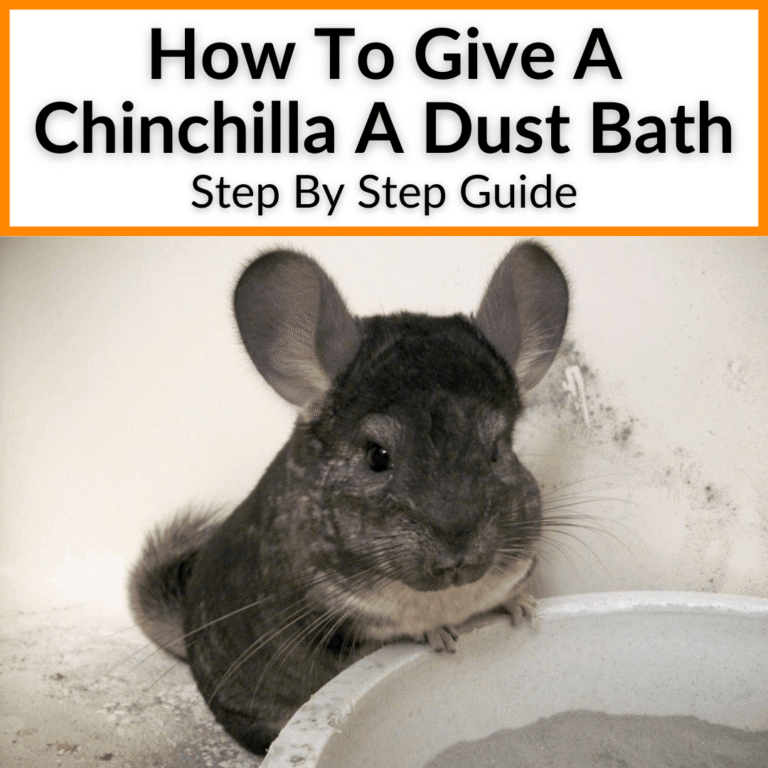
An essential part of how to take care of a chinchilla is maintaining coat health through dust baths. Offer chinchilla dust several times per week in a dedicated bath container.
Daily activity helps prevent boredom and encourages physical fitness. Supervised playtime in a secure area can provide valuable enrichment.
Source: thepetsavvy.com
Dust Baths
Keep fur clean without using water.
Exercise
Support physical and mental well-being.
Chew Toys
Help maintain healthy teeth.
Signs of Successful Care
A healthy chinchilla is alert, active, eating regularly, and maintaining a clean, soft coat.
Healthy Appearance
Bright eyes and normal activity levels are positive signs.
Monitor Health and Prevent Common Problems
Knowing how to take care of a chinchilla also means recognizing health concerns early. Changes in appetite, droppings, weight, or behavior can indicate illness.
Schedule veterinary care with an experienced exotic animal veterinarian whenever you notice persistent symptoms. Early intervention often improves outcomes.
Source: ar.inspiredpencil.com
Watch Eating Habits
Reduced appetite can signal a problem.
Check Teeth
Dental issues are common in chinchillas.
Prevent Heat Stress
Avoid excessive temperatures and humidity.
When to Seek Veterinary Help
Contact a veterinarian if your chinchilla stops eating, develops diarrhea, has breathing difficulties, or appears unusually lethargic.
Act Quickly
Prompt treatment can prevent serious complications.
Frequently Asked Questions
Q
How often should I clean a chinchilla cage?
Remove soiled bedding and waste daily. Perform a more thorough cleaning of the cage and accessories weekly.
Q
Can chinchillas live alone?
Some chinchillas can live alone if they receive adequate interaction and enrichment. Others may benefit from carefully introduced companionship.
Q
Do chinchillas need water baths?
No. Chinchillas should use special dust baths because water can become trapped in their dense fur and cause skin problems.
Q
What temperature is best for a chinchilla?
Chinchillas generally do best in cool indoor environments. High temperatures and humidity increase the risk of heat stress.
Q
How long do pet chinchillas live?
With proper care, many pet chinchillas can live for more than a decade, making them a long-term commitment.
✦ Wrapping Up
Conclusion
Learning how to take care of a chinchilla involves more than providing food and shelter. These unique pets need proper housing, a specialized diet, regular dust baths, enrichment, and ongoing health monitoring.
A consistent care routine helps chinchillas remain active, comfortable, and healthy throughout their lives. Paying attention to environmental conditions and daily habits can prevent many common problems.
💡 Key Takeaway
Set up a spacious habitat, provide unlimited hay, maintain cool temperatures, and establish a daily care routine to keep your chinchilla healthy and thriving.
Learn how to groom a Chinese Crested dog with step-by-step instructions, skin care tips, bathing schedules, coat maintenance advice, and grooming mistakes to avoid.
Are Turkish Van cats rare? Learn why this unique breed is considered uncommon in the United States, how difficult they are to find, what affects availability, and what to expect when searching for a Turkish Van kitten.
Learn how to bathe a chinchilla safely using a dust bath, how often to provide one, common mistakes to avoid, and when a water bath should never be used.
Learn how long Turkish Van cats live, what affects their lifespan, common health concerns, and practical ways to help your Turkish Van enjoy a long, healthy life.
Learn what is the personality of american bobtail cat, including temperament, behavior, intelligence, family compatibility, and what to expect as an owner.