Clean white dog paws with lukewarm water, a pet-safe shampoo, and thorough drying to remove dirt and stains safely.
Many dog owners across the United States struggle to keep white paws looking clean. White fur shows dirt, mud, grass stains, road dust, and environmental debris more easily than darker coats, making regular paw care an important part of grooming.
The best approach is to clean paws promptly after walks, use gentle pet-safe products, and address stains before they become deeply embedded in the fur. Consistent cleaning helps maintain appearance while supporting overall paw health.
Source: thepawdynasty.com
Why White Dog Paws Become Dirty and Stained
White paws collect visible dirt more easily because light-colored fur provides little visual camouflage. Everyday walks expose paws to mud, grass, pollen, dust, road residue, and moisture.
Some discoloration may also develop from saliva staining when dogs lick their paws frequently. Environmental conditions, grooming habits, and skin health can all influence how quickly white paws become stained.
Source: cdnimg.co
Mud and Dirt
The most common cause of temporary discoloration after outdoor activity.
Grass and Plant Material
Can leave green or yellow stains on white fur.
Excessive Licking
May cause brown or reddish staining over time.
When Staining May Signal a Problem
Persistent staining accompanied by redness, odor, swelling, or excessive licking may indicate allergies, irritation, infection, or another underlying issue. Veterinary evaluation is appropriate if these signs appear.
Watch for Symptoms
Redness, swelling, odor, or discomfort require closer attention.
How to Clean White Dog Paws Step by Step
The safest method combines gentle washing, careful inspection, and complete drying. Most white paw stains can be improved with consistent cleaning rather than aggressive treatments.
Gather a towel, lukewarm water, a pet-safe shampoo, and a soft cloth before starting.
Source: pawleaks.com
Step 1
Rinse paws with lukewarm water to loosen dirt.
Step 2
Apply a small amount of pet-safe shampoo.
Step 3
Gently massage the fur, paw pads, and spaces between toes.
Step 4
Rinse thoroughly until no shampoo remains.
Step 5
Dry paws completely with a clean towel.
Signs the Cleaning Was Successful
The fur should appear brighter, feel clean, and remain free from soap residue. The paw pads should be dry and comfortable without redness or irritation.
Clean Appearance
Visible dirt and debris should be removed.
Best Products and Tools for White Dog Paws
Simple grooming supplies are usually enough to keep white paws clean. Products designed specifically for dogs are generally safer than household cleaning products.
Choose gentle formulas that clean effectively without drying the skin or damaging the coat.
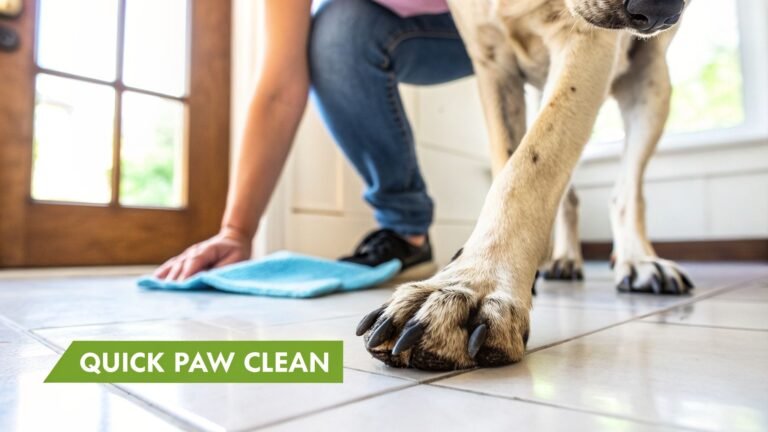
Source: dogster.com
Pet-Safe Shampoo
Designed for canine skin and coat care.
Microfiber Towels
Help absorb moisture quickly.
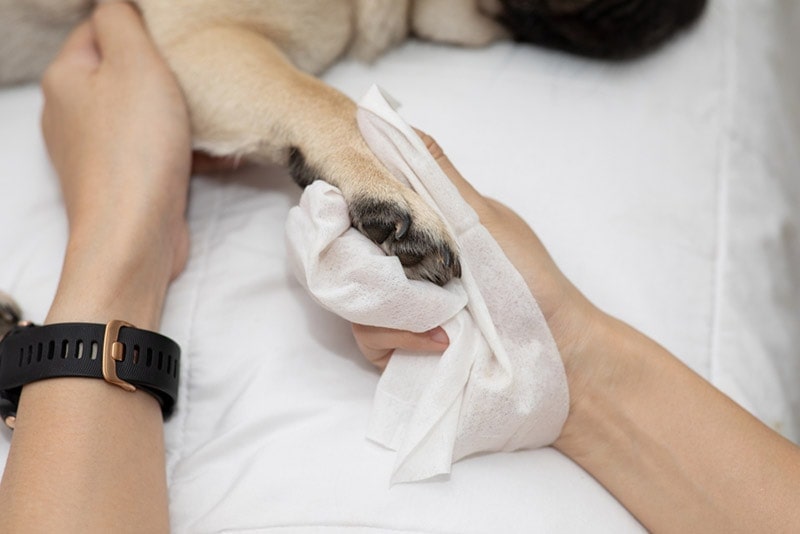
Paw Wipes
Useful for quick cleanups after walks.
Products to Avoid
Avoid bleach, hydrogen peroxide intended for whitening fur, harsh detergents, and human cosmetic whitening products. These may irritate the skin or damage the coat.
Safety First
Use products specifically formulated for pets whenever possible.
Removing Tough Stains from White Dog Paws
Some stains require repeated cleaning sessions rather than a single wash. Grass, saliva, and environmental staining often fade gradually with routine grooming.
Consistency is more effective and safer than aggressive scrubbing. Gentle cleaning several times per week typically produces better long-term results.
Source: m.media-amazon.com
Grass Stains
Usually fade with repeated washing and brushing.
Saliva Stains
May require addressing excessive paw licking.
Mud Stains
Remove quickly before they dry and set into the fur.
When Cleaning Does Not Work
Persistent discoloration may result from chronic licking, allergies, or skin conditions. Veterinary guidance can help identify and treat the underlying cause.
Seek Professional Help
Consult a veterinarian if staining returns despite proper cleaning.
Preventing White Dog Paws from Getting Dirty
Preventive care reduces the need for deep cleaning. Regular grooming and quick post-walk maintenance help keep white paws cleaner for longer periods.
A simple routine after outdoor activities can significantly reduce stain buildup and improve overall paw hygiene.
Source: images.petpress.net
Wipe After Walks
Remove dirt before it settles into the fur.
Trim Excess Fur
Long fur can trap mud and debris.
Inspect Paws Daily
Identify dirt, debris, or irritation early.
Seasonal Considerations
Rainy seasons, snowy conditions, and muddy trails often require more frequent cleaning. Adjust your routine based on local weather and activity levels.
Adapt as Needed
Increase paw maintenance during periods of heavy outdoor exposure.
Frequently Asked Questions
Q
How often should I clean white dog paws?
Light cleaning after walks is beneficial for many dogs. Full washing is typically needed when visible dirt, mud, or stains are present.
Q
Can I use baby shampoo on white dog paws?
A shampoo formulated specifically for dogs is generally the safest choice. Some baby shampoos may still alter skin balance or cause irritation in sensitive dogs.
Q
Why do my dog’s white paws turn brown?
Brown staining is often linked to saliva from frequent licking. Allergies, irritation, and moisture can contribute to this discoloration.
Q
Can I whiten my dog’s paws with bleach?
No. Bleach can irritate or damage a dog’s skin and fur. Use only pet-safe grooming products designed for canine use.
Q
What should I do if my dog’s paws stay stained?
Continue gentle cleaning and monitor for licking, redness, odor, or swelling. If staining persists or other symptoms develop, consult a veterinarian.
✦ Wrapping Up
Conclusion
Learning how to clean white dog paws involves more than improving appearance. Regular cleaning removes dirt, supports paw health, and helps identify potential problems early.
The most effective approach combines prompt cleaning, gentle pet-safe products, complete drying, and ongoing preventive care. Consistency delivers better results than aggressive stain removal methods.
💡 Key Takeaway
Rinse, clean, and dry your dog’s white paws after outdoor activities to maintain a brighter appearance and healthier paws year-round.
Learn how to protect dogs paws when hiking with practical trail safety tips, paw conditioning, boot fitting advice, first aid guidance, and prevention strategies for every season.
Learn how to moisturize dog paws naturally using safe ingredients, step-by-step care methods, prevention tips, and signs that your dog may need veterinary attention.
Learn how to apply coconut oil to dog paws with step-by-step instructions, safety tips, benefits, common mistakes, and signs that your dog’s paw pads need extra care.
Learn how to clean dog paws with vinegar safely. Discover the right vinegar mixture, step-by-step cleaning instructions, benefits, risks, and paw care tips for dogs.
Learn how to clean muddy dog paws safely and effectively. Follow simple steps, prevent muddy messes, protect paw health, and keep your home cleaner after walks.