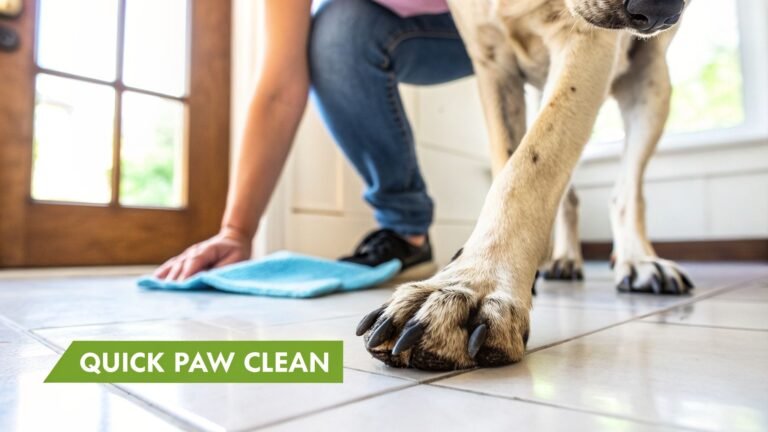
Apply a dog-safe paw balm to clean paw pads and use it consistently to restore moisture and prevent cracking.
Across the United States, dogs walk on hot sidewalks, rough trails, salted winter roads, and dry indoor flooring. These conditions can strip natural moisture from paw pads and lead to dryness, irritation, and painful cracks.
Understanding how to moisturize dog paws properly helps protect your dog’s comfort and mobility. The safest approach combines cleaning, moisturizing, environmental protection, and monitoring for signs that require veterinary attention.
Source: servicedogtrainingschool.org
Why Dog Paws Become Dry and Cracked
Dog paw pads are naturally tough, but they can still lose moisture. Dry weather, heated indoor air, hot pavement, winter ice treatments, rough terrain, and excessive licking can damage the protective outer layer.
When moisture levels drop, paw pads may appear rough, flaky, or cracked. Some dogs also develop sensitivity, limping, or reluctance to walk on certain surfaces.
Source: servicedogtrainingschool.org
Hot Surfaces
Summer pavement can dry and irritate paw pads.
Winter Conditions
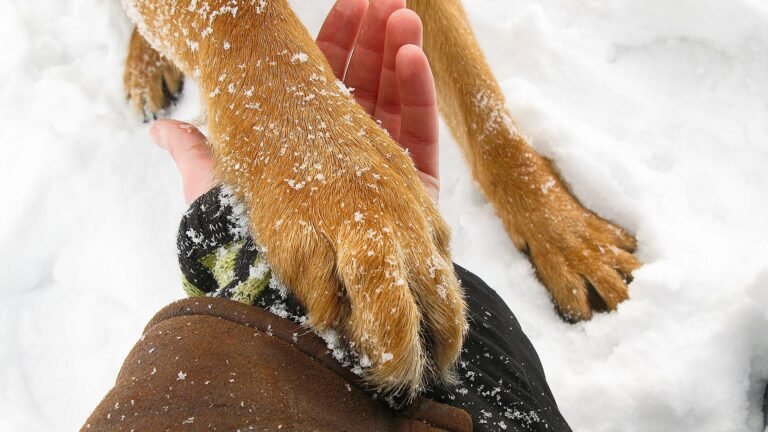
Ice, snow, and de-icing salts often remove natural oils.
Indoor Dryness
Low humidity may contribute to cracked paw pads.
Signs Your Dog Needs Paw Moisturizer
Common signs include rough texture, visible cracks, flaking skin, frequent licking, and discomfort while walking.
Early Warning
Dryness is easier to treat before deep cracks develop.
How to Moisturize Dog Paws Step by Step
The best method starts with clean paws. Dirt and debris can reduce the effectiveness of moisturizers and may trap bacteria in damaged skin.
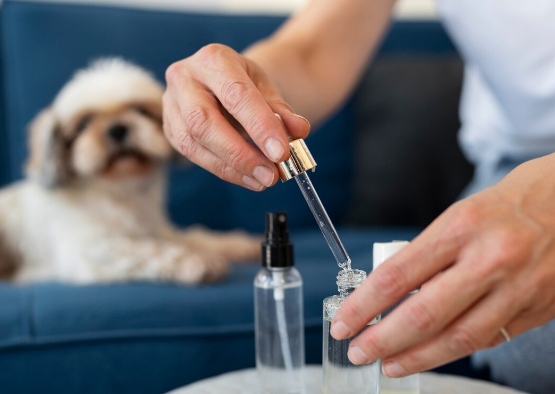
Apply a thin layer of dog-safe paw balm and gently massage it into the pads. Allow a few minutes for absorption before your dog walks on surfaces that could remove the product.
Source: storage.googleapis.com
Step 1
Wash paws with lukewarm water.
Step 2
Dry thoroughly between the toes.
Step 3
Apply a dog-safe moisturizer.
Step 4
Prevent immediate licking when possible.
Best Time to Apply Paw Balm
Many owners find evening application effective because dogs are typically less active and the moisturizer has more time to absorb.
After Walks
Apply after outdoor activity and cleaning.
Choosing the Right Paw Moisturizer
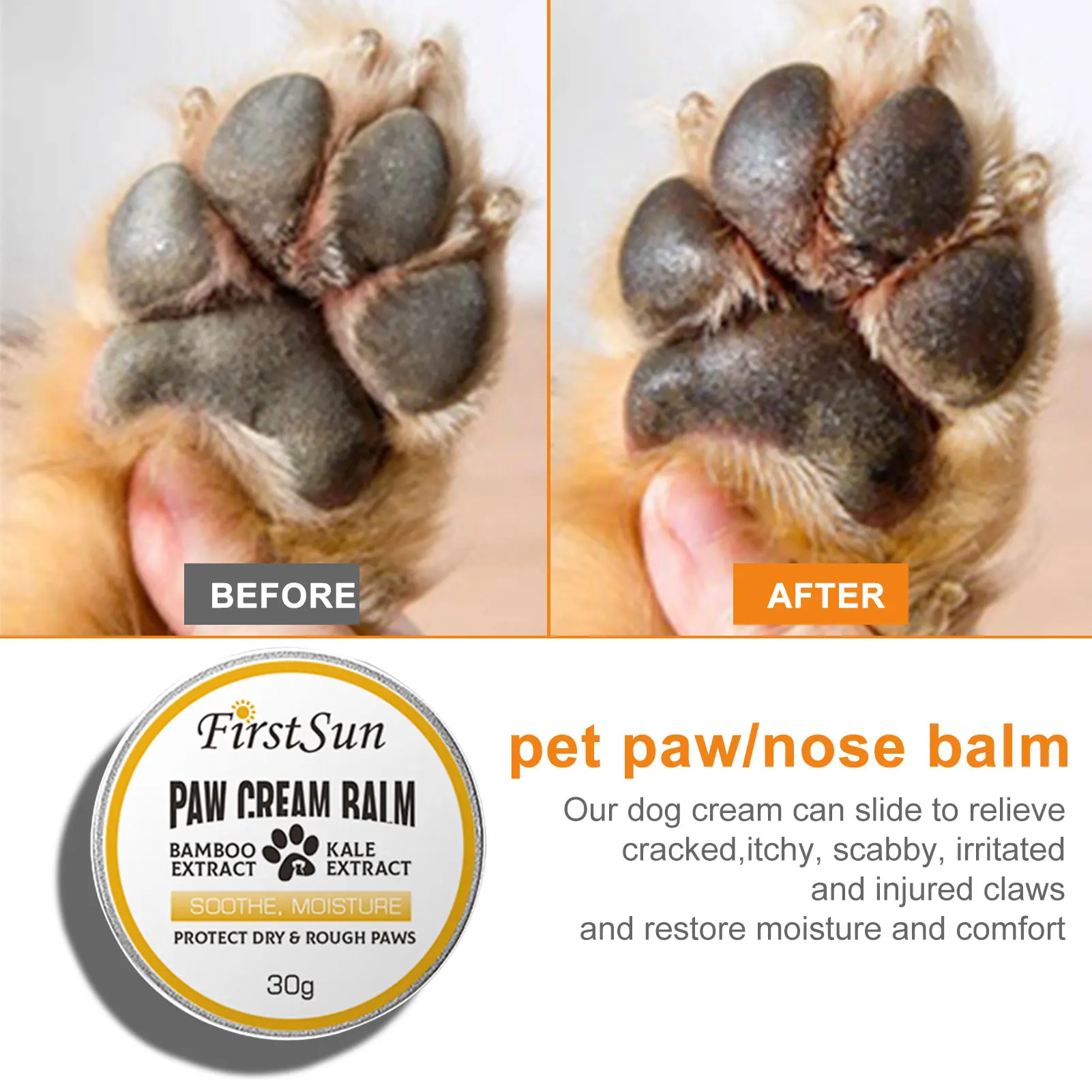
Products formulated specifically for dogs are generally the safest choice because paw licking is common. Many paw balms contain ingredients designed to soften and protect paw pads.
Avoid heavily scented human lotions or products containing ingredients that may not be appropriate for pets.
Source: storage.googleapis.com
Paw Balms
Provide moisture and a protective barrier.
Paw Waxes
Useful for environmental protection and moisture retention.
Sprays
Can be convenient for quick application.
Natural Moisturizing Options
Some pet owners use veterinarian-approved natural ingredients such as coconut-based products when appropriate. Always confirm safety for your individual dog.
Check Ingredients
Choose simple formulas intended for pet use.
How to Prevent Dry Dog Paws
Prevention is often easier than treatment. Consistent paw care helps maintain healthy skin and reduces the risk of painful cracking.
Routine inspection allows you to identify problems before they become severe.
Source: storage.googleapis.com
Use Paw Protection
Boots can help on extreme surfaces.
Clean After Walks
Remove salt, chemicals, and debris.
Maintain Hydration
Ensure your dog has regular access to water.
Seasonal Paw Care
Winter and summer usually require the most attention because environmental conditions are often harshest on paw pads.
Monitor Weather
Adjust paw care based on seasonal conditions.
When Moisturizing Is Not Enough
Some paw problems require veterinary evaluation. Deep cracks, bleeding, swelling, infection, persistent limping, or severe licking may indicate an underlying condition.
Allergies, infections, autoimmune disorders, and nutritional issues can sometimes contribute to chronic paw problems.
Source: missmollysays.com
Bleeding Cracks
Need prompt veterinary assessment.
Swelling
May indicate injury or infection.
Persistent Pain
Should not be managed with moisturizer alone.
Signs of Successful Moisturizing
Healthy paw pads typically feel smoother, show fewer cracks, and allow comfortable walking without excessive licking.
Improved Texture
Pads become softer without becoming overly soft.
Frequently Asked Questions
Q
How often should I moisturize my dog’s paws?
Most dogs benefit from moisturizing several times per week. Dogs with very dry paws may need daily application until the pads improve.
Q
Can I use human lotion on dog paws?
Human lotions are generally not ideal because dogs may lick them off and some ingredients may not be suitable for pets. Dog-specific products are safer.
Q
What is the best time to apply paw balm?
Evening or after walks is often the best time because the product can absorb without immediate exposure to outdoor surfaces.
Q
Can dry paws cause limping?
Yes. Severe dryness and cracking can become painful and may cause changes in walking behavior or temporary limping.
Q
When should I contact a veterinarian?
Contact a veterinarian if paw pads bleed, become infected, swell, or fail to improve despite regular moisturizing and protective care.
✦ Wrapping Up
Conclusion
Learning how to moisturize dog paws is an important part of routine canine care. Regular moisturizing helps maintain healthy paw pads, improves comfort, and reduces the risk of cracking.
Clean the paws, apply a dog-safe moisturizer, and protect your dog from harsh environmental conditions. Consistent care is usually the key to long-term paw health.
💡 Key Takeaway
Inspect your dog’s paws today, clean them thoroughly, and apply a dog-safe paw balm if the pads appear dry or rough.
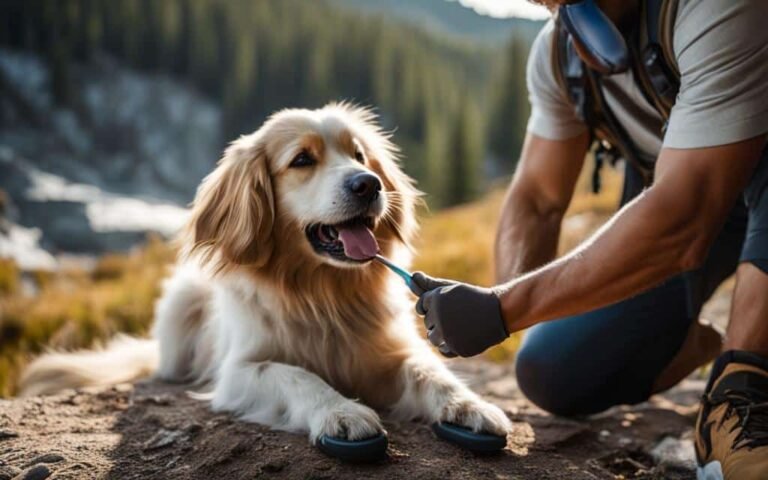
Learn how to protect dogs paws when hiking with practical trail safety tips, paw conditioning, boot fitting advice, first aid guidance, and prevention strategies for every season.
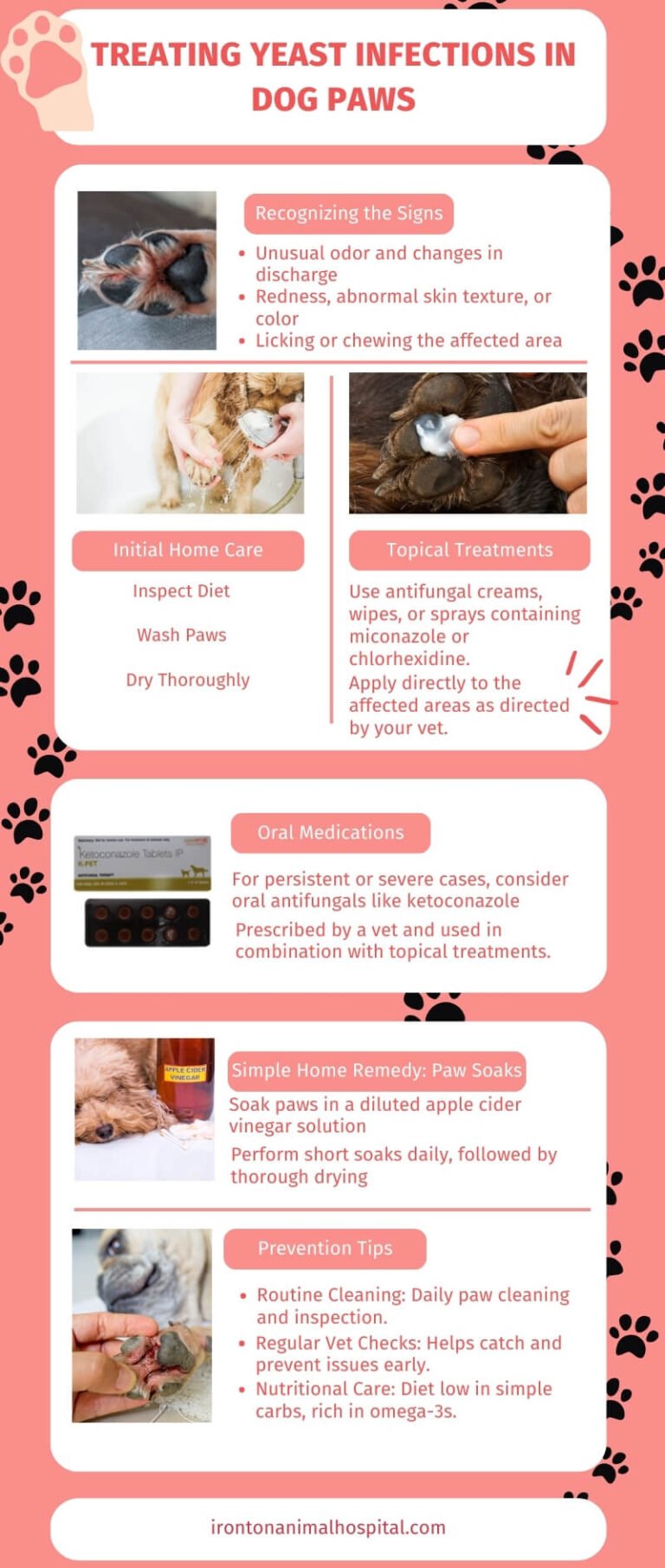
Learn how to clean yeast from dogs paws safely. Discover symptoms, cleaning steps, treatment options, prevention tips, and when to contact your veterinarian.
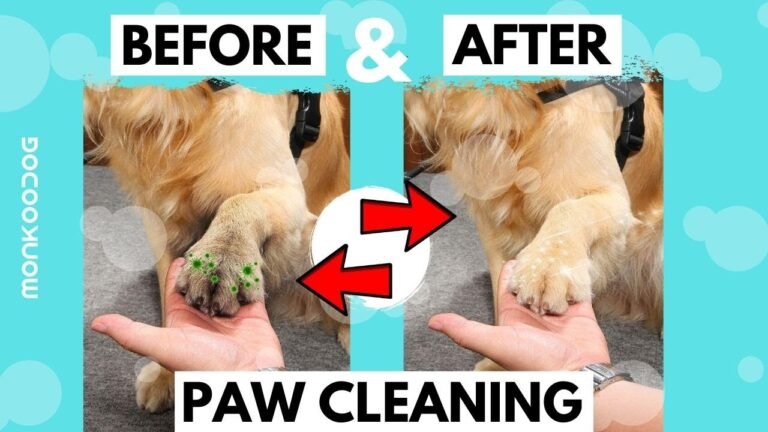
Learn how to clean stained dog paws safely using simple at-home methods. Remove dirt, saliva, grass, and environmental stains while protecting your dog’s paw health.
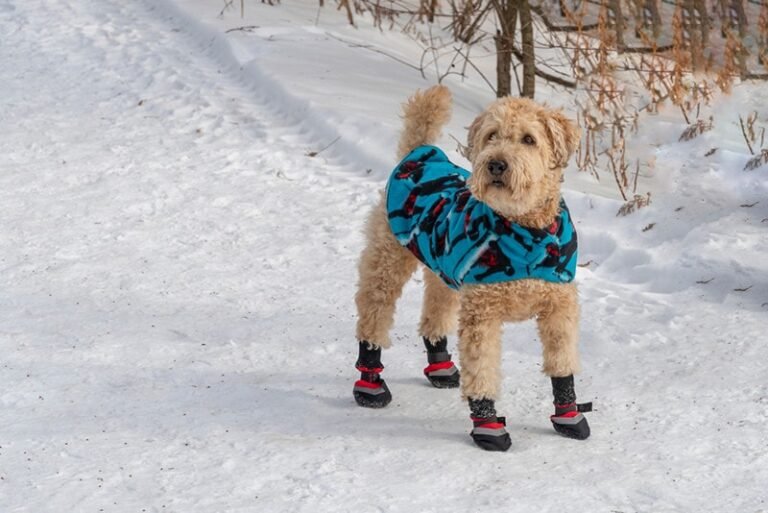
Learn how to clean muddy dog paws safely and effectively. Follow simple steps, prevent muddy messes, protect paw health, and keep your home cleaner after walks.