Should I Be Worried If My Cat Is Panting: Key Facts and Guidance
A cat may pant after a frantic dash across the house, during a stressful car ride, or on an unusually hot day. But unlike dogs, cats do not normally pant as a routine way to cool themselves. Seeing your cat breathe with an open mouth can therefore be unsettling, especially if the behavior starts while your cat is resting.
If you are asking, should i be worried if my cat is panting, the safest short answer is: sometimes, and panting at rest deserves prompt attention. The surrounding details matter—how long it lasts, what your cat was doing beforehand, and whether other symptoms are present.
I’ll explain which situations may be temporary, which signs suggest an emergency, what you can do while arranging care, and what a veterinarian may look for. This information cannot diagnose your cat, but it can help you make a safer decision without dismissing a potentially serious breathing problem.
Should I Be Worried If My Cat Is
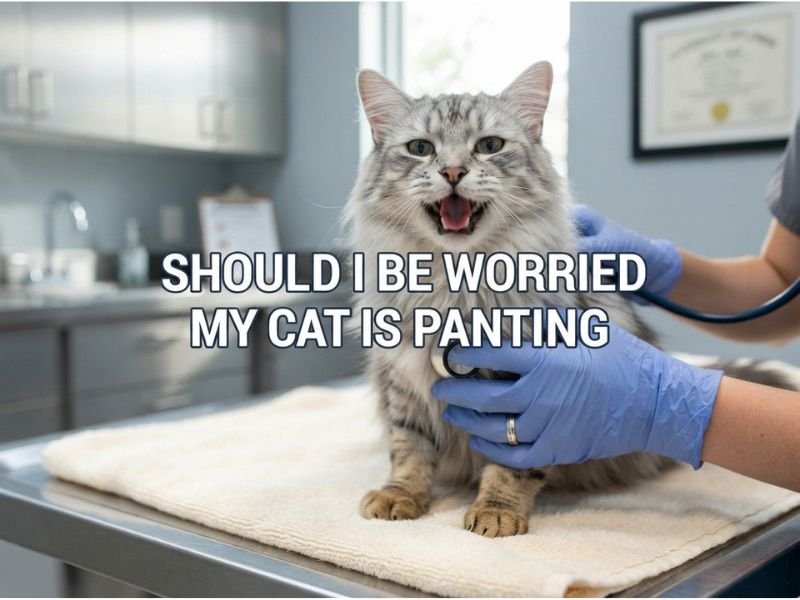
Yes, cat panting should generally be taken seriously, particularly if it occurs without recent intense activity, heat exposure, or obvious stress. A brief episode that stops quickly after exertion may not indicate illness. Persistent, repeated, or unexplained panting is different and should be discussed with a veterinarian.
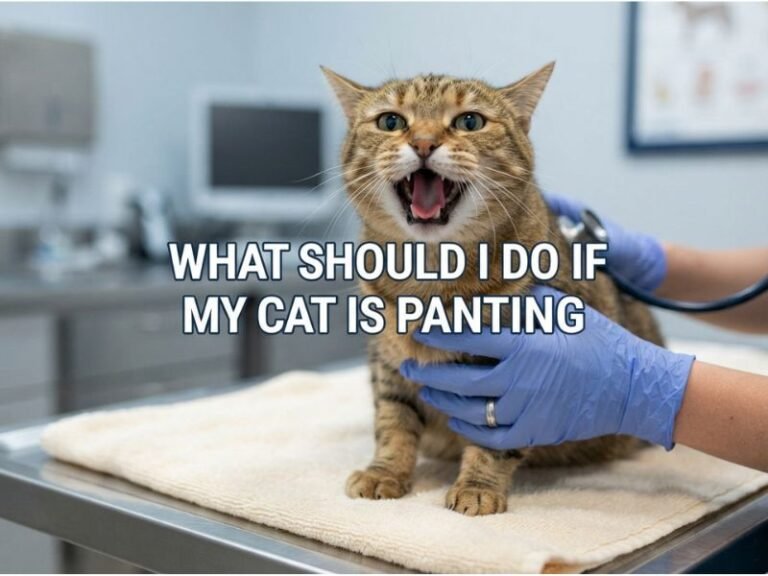
Panting means your cat is breathing rapidly, often with the mouth open and the tongue extended. Cats may do this to release heat or respond to fear, but open-mouth breathing can also indicate that the body is struggling to obtain enough oxygen or is under significant strain.
I use three questions to judge urgency:
- What happened immediately before the panting started?
- Has the breathing returned completely to normal?
- Are there additional changes, such as weakness, coughing, pale gums, or collapse?
If your cat is panting at rest, cannot settle, or appears to be working hard to breathe, I would treat the situation as urgent rather than waiting to see if it passes.
When Cat Panting May Be Temporary
Short-lived panting can occur after a cat has exerted itself or experienced a sudden surge of fear. Even then, the breathing should gradually return to normal once the trigger ends.
Recent exercise
A cat that has sprinted, wrestled with another pet, or chased a toy may pant briefly. This is more likely to be harmless if your cat is otherwise alert, has pink gums, is not coughing, and resumes quiet, closed-mouth breathing after a short rest in a comfortable environment.
Fitness, age, body condition, and temperature can influence how quickly a cat recovers. A small amount of activity should not cause prolonged or severe panting, however. If ordinary play repeatedly produces open-mouth breathing, schedule a veterinary evaluation.
Heat exposure
Hot, poorly ventilated rooms, direct sun, and time outdoors can cause panting. Cats can develop heatstroke, especially if they are trapped in a hot space, overweight, elderly, very young, or affected by heart or breathing disease.
Heat-related panting is not automatically safe. Move your cat to a cool, quiet, ventilated area and contact a veterinarian if the panting continues or if your cat is weak, confused, vomiting, drooling heavily, unsteady, or collapsing. Do not use ice water or force water into the mouth.
Fear or transportation stress
Some cats pant during a car ride, veterinary visit, loud construction, fireworks, or a confrontation with another animal. The breathing should improve after the cat is removed from the stressful situation and allowed to hide or settle without handling.
Stress should not be assumed if the panting is severe, prolonged, or accompanied by physical signs. Fear and illness can look similar, and a sick cat may become frightened because breathing feels difficult.
Signs That Panting Is an Emergency
I would seek emergency veterinary care immediately if your cat is panting and has any sign of breathing distress. Call the emergency clinic while preparing to leave so staff can advise you and be ready for arrival.
- Open-mouth breathing that continues or worsens
- Blue, gray, white, or very pale gums or tongue
- Strong abdominal movement with each breath
- Neck stretched forward, elbows held away from the body, or inability to lie down comfortably
- Wheezing, gasping, choking sounds, or repeated coughing
- Sudden weakness, collapse, confusion, or inability to stand
- Rapid deterioration after heat exposure
- Known trauma, toxin exposure, or a possible foreign object
- A swollen abdomen, severe pain, or repeated vomiting alongside the panting
A cat with breathing difficulty may look restless and repeatedly change position. Another cat may become very quiet and hide. Neither behavior rules out an emergency. Cats often conceal illness until their condition is advanced, so a subtle change can matter.
If your cat appears unable to breathe comfortably, minimize handling. Do not force the mouth open, give food or medication, or delay care to take multiple videos. Transport the cat in a carrier with good airflow, keeping the carrier level and the environment calm.
Common Medical Causes of Cat Panting
Panting is a sign, not a diagnosis. Several conditions can produce it, and a veterinarian may need to examine the heart, lungs, airway, blood, and overall circulation to identify the cause.
Asthma and other airway disease
Feline asthma can cause coughing, wheezing, rapid breathing, and open-mouth breathing. Some cats crouch low with the neck extended during an episode. Dust, smoke, fragrances, aerosols, pollen, and other irritants may worsen airway inflammation, although an episode can also occur without an obvious trigger.
Never use a human inhaler or leftover medication unless a veterinarian has specifically prescribed and explained it for your cat. The correct treatment depends on the diagnosis and may include inhaled or oral medication under veterinary direction.
Heart disease and fluid around the lungs
Heart disease can interfere with circulation or allow fluid to accumulate in or around the lungs. Affected cats may breathe quickly, pant, tire easily, hide, lose interest in food, or suddenly collapse. Some cats show no obvious warning before a serious episode.
Rapid breathing while asleep or fully relaxed can be an important clue, even if the cat is not panting. I recommend recording a resting breathing rate for a veterinarian if doing so does not delay emergency care.
Respiratory infection or pneumonia
Viral or bacterial respiratory disease may cause congestion, nasal discharge, sneezing, fever, coughing, reduced appetite, and faster breathing. Pneumonia can become dangerous because inflammation and fluid interfere with oxygen exchange.
A cat with a mild sneeze is not necessarily experiencing a crisis, but panting, marked lethargy, or difficulty breathing requires prompt assessment.
Pain, fever, or severe stress on the body
Cats may pant because of significant pain, high fever, or severe internal illness. Injuries, urinary obstruction, abdominal disease, and postoperative complications are examples of problems that can cause abnormal breathing or visible distress.
Look for hiding, tense posture, vocalization, reluctance to move, a hunched back, vomiting, or changes in litter box behavior. These signs help a veterinarian understand the broader problem, but they do not make panting safe to monitor indefinitely.
Anemia, blood loss, or poor oxygen delivery
Red blood cells carry oxygen through the body. Severe anemia or blood loss can cause weakness, rapid breathing, panting, pale gums, and collapse. Fleas, parasites, internal bleeding, immune-mediated disease, and other conditions can contribute to anemia.
Pink gums are reassuring but do not eliminate the possibility of illness. Gum color can be difficult to judge in cats with naturally pigmented gums, and circulation may change quickly.
Poisoning or medication exposure
Some toxins, plants, household chemicals, and medications can cause panting, drooling, vomiting, tremors, weakness, or abnormal behavior. Do not induce vomiting or give home remedies unless a veterinary professional or animal poison service tells you to do so.
Keep the product container, label, plant sample, or a photograph available. The exact substance, amount, and time of exposure can change the recommended treatment.
How to Check Your Cat Without Increasing Stress
A calm observation can provide useful information, but handling a distressed cat can make breathing worse. I would observe first and touch only if your cat tolerates it.
Look at posture and effort
A relaxed cat normally breathes with the mouth closed and without pronounced chest or abdominal effort. Watch the chest or flank from a distance. Notice whether the abdomen is pumping, the nostrils are flaring, or the neck is extended.
Do not restrain your cat on its back to inspect breathing. Allow the cat to choose a position that feels comfortable. An inability to settle into any position is more concerning than ordinary restlessness.
Check gum color only if it is safe
If your cat is calm and accustomed to gentle handling, briefly look at the gums. Healthy gums are commonly pink, although normal pigmentation varies. White, gray, blue, or very pale gums are emergency signs.
Do not force the mouth open in a cat that is struggling to breathe. The stress of restraint can worsen the situation, and a visual check is not worth delaying transport.
Count resting breaths
If your cat is sleeping or calmly resting with the mouth closed, count each chest rise for 30 seconds and multiply by two. A veterinarian may find this trend useful. Avoid counting immediately after play, while purring, or during panting because those results are harder to interpret.
A persistently elevated resting breathing rate deserves a veterinary call, especially when it is accompanied by lethargy, coughing, poor appetite, or changes in posture. A single count cannot diagnose heart or lung disease, and it should never replace urgent assessment when breathing looks difficult.
What to Do If Your Cat Is Panting
- Stop activity. Move other pets, toys, and noise away. Do not encourage your cat to walk around.
- Provide a cool, quiet space. Use air conditioning or gentle ventilation if heat may be involved. Avoid extreme cooling.
- Watch the breathing. Note whether the mouth closes and the effort decreases as your cat rests.
- Call a veterinarian. Explain the duration, possible trigger, age, medical history, medications, and any additional signs.
- Prepare for transport if needed. Use a carrier with the top removed or a wide opening when possible, and avoid squeezing your cat through a small door.
Offer access to fresh water, but do not force your cat to drink. Do not give human pain relievers, sedatives, antihistamines, or leftover pet medication unless a veterinarian has instructed you to use that specific product and dose.
If panting stops completely after a short period of exertion or stress, contact your regular veterinarian if it happens again, lasts longer than expected, or seems disproportionate to the trigger. A video recorded from a safe distance can help a veterinarian evaluate an intermittent episode, but recording should never delay emergency care.
What the Veterinarian May Do
The first priority is usually assessing breathing and oxygenation with as little stress as possible. A distressed cat may receive oxygen or other stabilization before a complete examination. Veterinary teams often handle breathing emergencies gently because restraint can increase oxygen demand.
The veterinarian may ask:
- When did the panting begin, and how long did it last?
- Was your cat exercising, frightened, overheated, or traveling?
- Has this happened before?
- Was there coughing, vomiting, drooling, collapse, or trauma?
- What medications, supplements, flea products, or possible toxins were involved?
- Has appetite, drinking, urination, weight, or activity changed?
Depending on the presentation, testing may include listening to the heart and lungs, measuring temperature and oxygen status, blood work, chest imaging, or an ultrasound examination. The specific workup depends on stability, age, history, and the veterinarian’s findings.
Some tests may be postponed until breathing is stabilized. This is one reason online symptom matching has limits: the same outward sign can come from asthma, heart disease, heat illness, pain, anemia, or a temporary stress response.
Situations That Need a Prompt Veterinary Appointment
Not every episode requires an emergency hospital, but recurrent or unexplained panting should not be ignored. Arrange a prompt appointment if your cat:
- Pants repeatedly after mild activity
- Pants while resting but then appears normal
- Has a new cough, wheeze, or noisy breathing
- Shows reduced stamina, appetite, or grooming
- Has unexplained weight loss or weight gain
- Breathes faster during sleep over repeated observations
- Has known heart disease, asthma, anemia, or another chronic condition
- Is a senior cat or has recently undergone surgery
A pattern is valuable information. Write down the time, activity, room temperature, duration, breathing effort, and recovery. Include a short video only if your cat remains calm. These details can help distinguish exertional panting from an episode that starts at rest.
How to Reduce Avoidable Triggers
Prevention cannot eliminate medical causes, but it can reduce stress and heat-related episodes. Keep your cat in a temperature-controlled area with shade, water, and ventilation. Never leave a cat in a parked car, even briefly.
During travel, use a secure carrier and practice short, calm carrier sessions before a necessary trip. Ask a veterinarian about safe travel strategies if your cat becomes extremely distressed. Pheromone products may help some cats, but they are not a substitute for medical evaluation or prescribed treatment.
Limit exposure to cigarette smoke, vaping aerosol, strong cleaners, essential oil diffusers, perfumes, and dusty litter. Avoid sudden intense play in very hot conditions, particularly for cats carrying excess weight or those with diagnosed heart or breathing problems.
Routine veterinary care also matters. Preventive examinations can identify heart murmurs, weight problems, dental disease, parasites, and other changes before a crisis develops. A cat that has already panted unexpectedly should have the event documented and discussed, even if recovery was complete.
Mistakes to Avoid
Assuming cats pant like dogs
Dogs commonly pant for cooling and after activity. Cats can pant for similar reasons, but frequent or unexplained panting is less typical. Treating it as normal dog behavior can delay care.
Waiting through obvious distress
“I’ll see how it looks tomorrow” is risky when a cat is open-mouth breathing, using the abdomen to breathe, or showing abnormal gum color. Breathing problems can deteriorate quickly.
Chasing or restraining the cat
Stress raises oxygen needs and may intensify panting. Keep the room quiet, reduce handling, and let veterinary professionals guide transport if your cat is severely distressed.
Giving unapproved medication
Many human medicines are toxic to cats, and a medication that helped during a previous episode may be inappropriate for a different cause. Ask a veterinarian before giving anything beyond a medication already prescribed with clear instructions for this situation.
Focusing only on the panting
The surrounding signs often determine urgency. Note gum color, posture, breathing effort, alertness, appetite, vomiting, coughing, temperature exposure, and possible toxin contact. A complete picture is more useful than the panting duration alone.
FAQ: Cat Panting and Urgency
Is it normal for a cat to pant after playing?
Brief panting after intense play can happen, but it should stop as your cat rests in a cool, quiet area. Panting that lasts, occurs after mild activity, or happens repeatedly should be evaluated by a veterinarian.
Should I worry if my cat is panting while resting?
Yes. Panting at rest is not typical for cats and may indicate respiratory disease, heart disease, pain, heat illness, anemia, or another problem. If it continues or comes with visible breathing effort, pale or blue gums, weakness, or collapse, seek emergency care.
Can stress make a cat pant?
Yes. Fear during travel, loud noise, or a veterinary visit can cause temporary panting. The breathing should improve after the stressor ends. Do not assume stress is the cause if your cat remains distressed or has other physical symptoms.
How long is too long for a cat to pant?
There is no reliable universal time limit because the trigger and the cat’s condition matter. Panting that does not quickly resolve after rest, or any panting with breathing difficulty, warrants prompt veterinary advice. Emergency signs require immediate care rather than timed observation.
What does heatstroke look like in a cat?
Possible signs include panting, drooling, weakness, vomiting, confusion, unsteady movement, very red or pale gums, collapse, and seizures. Move the cat to a cooler area and contact an emergency veterinarian immediately. Do not use ice water or force water into the mouth.
Can a cat pant because of asthma?
Yes. Feline asthma may cause panting, coughing, wheezing, rapid breathing, or a crouched posture with the neck extended. A veterinarian must distinguish asthma from heart disease, infection, foreign material, and other causes. Do not use an inhaler unless it was prescribed and explained for your cat.
Should I take a video of my cat panting?
A short video can help a veterinarian evaluate an intermittent episode, provided your cat is safe and the video does not delay care. Record from a distance without chasing, restraining, or repeatedly disturbing the cat.
Conclusion
If you are still asking, should i be worried if my cat is panting, use the trigger and your cat’s breathing effort to guide the next step—but treat unexplained, prolonged, or resting panting seriously. A calm cat that briefly pants after intense activity may recover with rest, while open-mouth breathing, abnormal gum color, weakness, or visible effort requires emergency veterinary care. I would rather arrange a professional assessment for a harmless episode than dismiss a breathing problem that needs immediate treatment.