You can walk a dog with a minor cut paw only if the wound is small, protected, and not causing pain or limping.
Across the United States, dogs frequently cut their paw pads on hot pavement, broken glass, rough trails, sharp rocks, and other outdoor hazards. Whether you live in a busy city or a rural area, a paw injury can quickly make normal walks uncomfortable and delay healing if not managed correctly.
The answer to can you walk a dog with a cut paw depends on the severity of the injury. Small superficial cuts may tolerate short, controlled walks after proper cleaning and bandaging. Deep cuts, active bleeding, limping, swelling, or signs of infection require rest and often veterinary attention before regular exercise resumes.
Source: altaspalmas.com
Can You Walk a Dog With a Cut Paw?
Yes, but only under specific conditions. A dog with a small, shallow cut that has stopped bleeding and is properly protected may be able to take brief leash walks. These walks should be limited to necessary exercise and bathroom breaks until healing progresses.
If the cut is deep, actively bleeding, located on a weight-bearing area of the paw pad, or causing limping, walking can worsen tissue damage and delay recovery. In these situations, activity should be restricted until the wound has been evaluated and begins healing.
Source: thepetsmagazine.com
Generally Safe
Small superficial cuts with no limping and no active bleeding.
Use Caution
Moderate cuts requiring bandaging and close monitoring.
Avoid Walking
Deep wounds, severe pain, heavy bleeding, or obvious lameness.
Why Walking Can Be a Problem
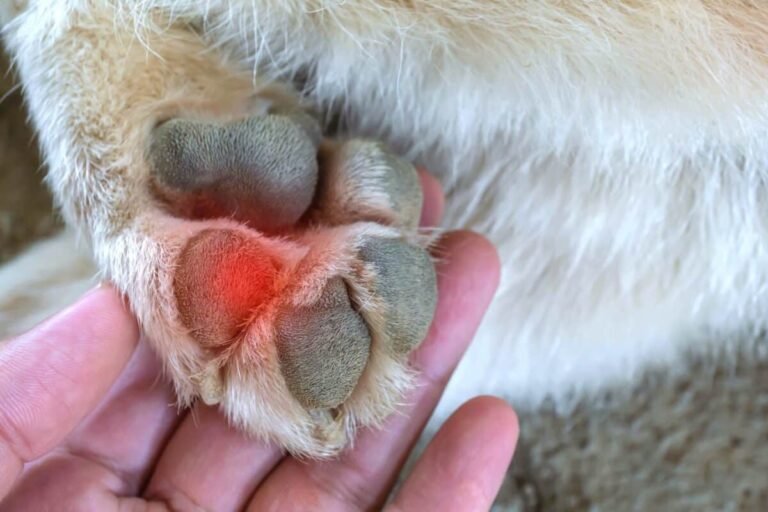
Every step places pressure on the paw pad. Repeated pressure can reopen wounds, increase bleeding, introduce dirt and bacteria, and slow the formation of healthy tissue needed for healing.
Mechanical Stress
Weight and friction can pull healing tissue apart.
Contamination
Outdoor surfaces expose wounds to dirt, debris, and bacteria.
How to Assess the Severity of a Cut Paw
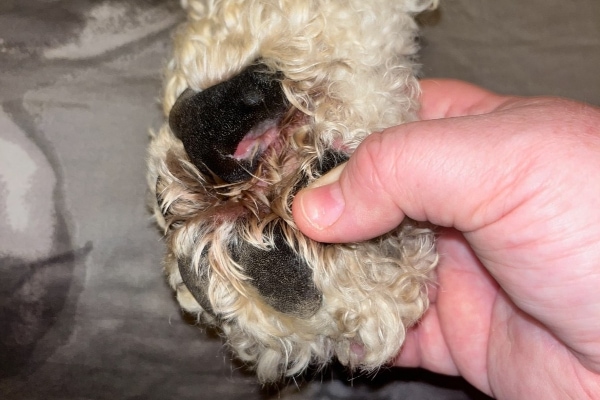
Before deciding whether your dog can walk, examine the paw carefully. The depth, location, and appearance of the injury matter more than the overall size.
Some cuts affect only the outer layer of the paw pad, while others extend deeper into sensitive tissue. Deep injuries often require professional treatment and sometimes stitches.
Source: smithanimalhospitalga.com
Minor Cut
Small surface injury with little bleeding and normal walking.
Moderate Cut
Noticeable wound requiring bandaging but with limited discomfort.
Severe Cut
Deep tissue damage, persistent bleeding, or inability to bear weight.
Signs You Should Contact a Veterinarian
Seek veterinary care if bleeding continues despite pressure, a flap of tissue is present, foreign material is embedded in the wound, or your dog refuses to place weight on the paw.
Persistent Bleeding
Bleeding that continues after several minutes of pressure.
Severe Limping
The dog avoids using the injured paw.
First Aid Before Any Walk
Proper first aid reduces the risk of complications and improves healing. Always clean and evaluate the wound before allowing any activity.
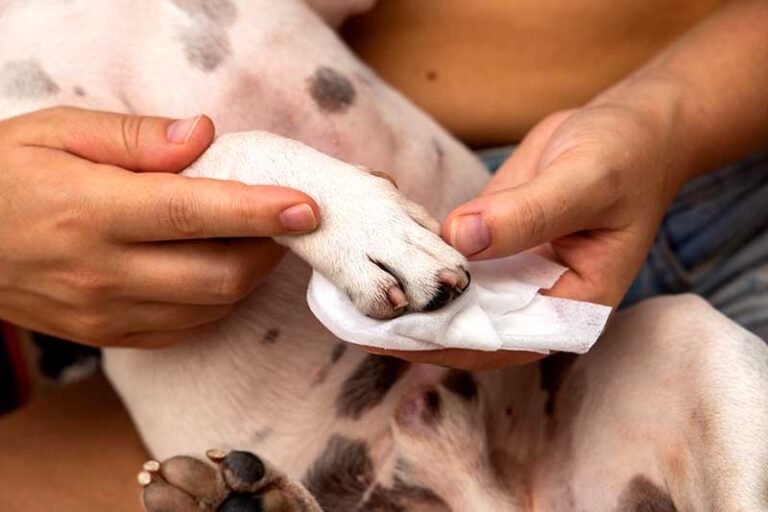
Use clean water or saline to flush debris from the injury. After cleaning, gently dry the area and apply a protective bandage if recommended by your veterinarian.
Source: toegrips.com
Clean the Wound
Remove dirt, grit, and debris with gentle flushing.
Control Bleeding
Apply steady pressure using a clean cloth or gauze.
Protect the Paw
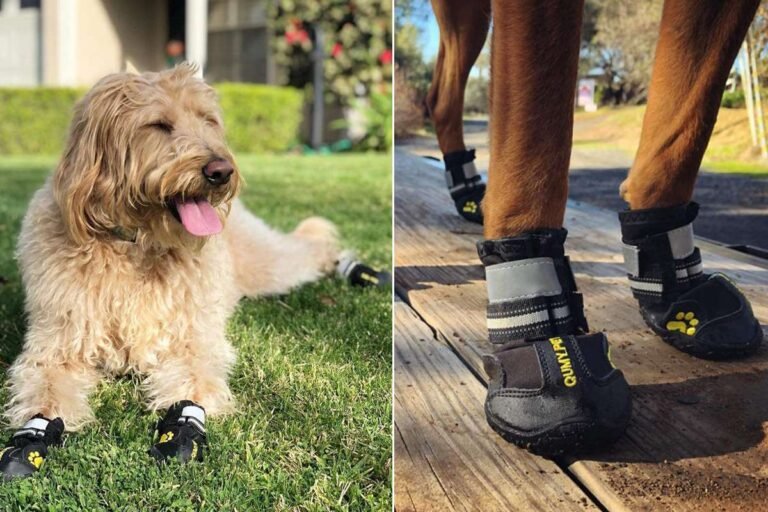
Use a clean bandage or protective boot if appropriate.
Signs First Aid Is Working
Bleeding stops, swelling remains minimal, the bandage stays clean, and your dog appears comfortable when standing or taking a few steps.
Stable Wound
No fresh bleeding or worsening appearance.
When Short Walks May Be Acceptable
A dog may be able to take short walks if the cut is minor, the wound is protected, and the dog walks normally. Walks should be brief and limited to smooth, clean surfaces.
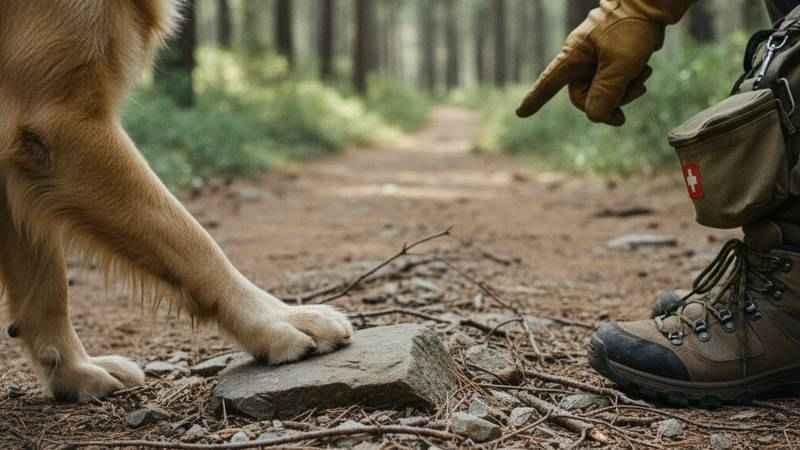
Avoid running, hiking, rough terrain, hot pavement, sand, gravel, and long exercise sessions until the paw is fully healed.
Source: petlovers.com
Use a Leash
Prevent sudden running and jumping.
Choose Safe Surfaces
Walk on grass or smooth sidewalks when possible.
Keep Walks Short
Focus on bathroom breaks and light activity.
When to Stop the Walk Immediately
End the walk if bleeding resumes, limping develops, the bandage becomes wet or loose, or your dog appears uncomfortable.
Increased Pain
Any worsening discomfort indicates the paw needs more rest.
Common Mistakes That Delay Healing
Many paw injuries worsen because owners underestimate how much pressure a dog places on the paw during daily activity. Even a small wound can reopen repeatedly if activity is not controlled.
Preventing complications often requires temporary restrictions, regular wound checks, and keeping the area clean and dry.
Source: petlovers.com
Walking Too Soon
Excess activity can reopen the wound.
Ignoring Infection Signs
Early treatment is easier than treating an established infection.
Allowing Licking
Excessive licking can damage healing tissue.
Signs of Infection
Watch for redness, swelling, heat, foul odor, discharge, increasing pain, or worsening limping. These signs warrant veterinary evaluation.
Discharge
Pus or unusual fluid may indicate infection.
How Long Should a Dog Rest After a Cut Paw?
Recovery time varies depending on the size and depth of the injury. Minor cuts may improve within a few days, while deeper paw pad injuries can require several weeks of restricted activity.
The best indicator is your dog’s comfort level and the wound’s appearance. Gradually increase activity only after the paw remains closed, clean, and pain-free.
Source: wagandcluck.com
Minor Injuries
Often improve within several days.
Moderate Injuries
May require one to two weeks of limited activity.
Severe Injuries
Can take several weeks and require veterinary management.
Returning to Normal Exercise
Increase exercise gradually. Start with short leash walks and monitor for limping, swelling, or renewed bleeding after activity.
Slow Progression
Add activity in stages rather than returning immediately to full exercise.
Frequently Asked Questions
Q
Can a dog walk on a cut paw pad?
A dog can sometimes walk on a minor cut paw pad if the wound is small, protected, and not causing pain. Deep cuts or limping require rest and veterinary guidance.
Q
Should I bandage my dog’s cut paw before walking?
A clean protective bandage may help shield the wound from dirt and friction. However, bandages must fit properly and be changed regularly to avoid complications.
Q
How do I know if my dog’s paw cut is serious?
Heavy bleeding, deep tissue exposure, severe limping, swelling, infection signs, or a wound that does not improve are indicators that professional veterinary care is needed.
Q
Can I use a dog boot over a cut paw?
A protective dog boot can help keep a bandaged paw clean during short outings. The boot should fit correctly and not trap excessive moisture.
Q
When should I take my dog to the veterinarian for a cut paw?
Seek veterinary care immediately for deep wounds, uncontrolled bleeding, embedded objects, infection signs, or any injury causing significant pain or inability to bear weight.
✦ Wrapping Up
Conclusion
The answer to can you walk a dog with a cut paw depends on the severity of the injury. Minor cuts may tolerate short, controlled walks after proper cleaning and protection, while deeper wounds require rest and often veterinary care.
Protecting the paw, limiting activity, and monitoring for infection are the most important steps for a safe recovery. Returning to normal exercise too soon can delay healing and increase the risk of complications.
💡 Key Takeaway
Inspect the paw carefully, provide first aid, restrict activity when needed, and contact your veterinarian if the wound is deep, painful, infected, or not improving.
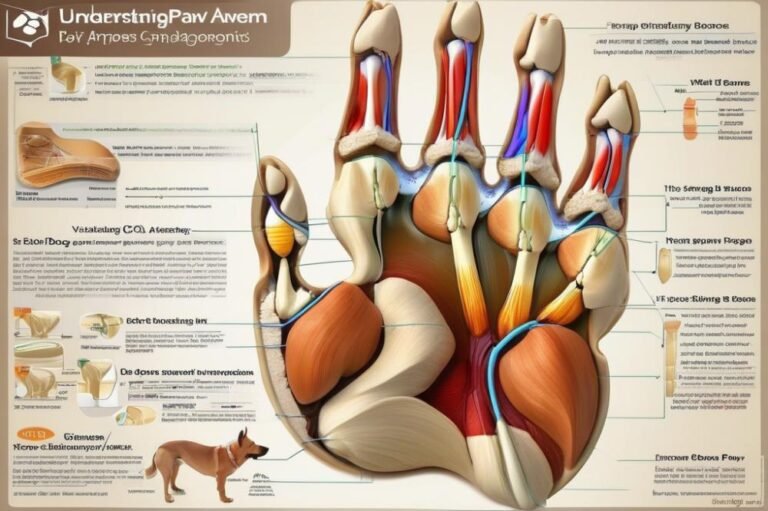
Learn what dog paws are made of, including paw pads, skin, fat, connective tissue, bones, tendons, and nails. Understand how dog paws protect movement, traction, and overall canine health.
Learn how to clean white dog paws safely and effectively. Remove dirt, grass stains, mud, and discoloration while keeping your dog’s paws healthy and bright.
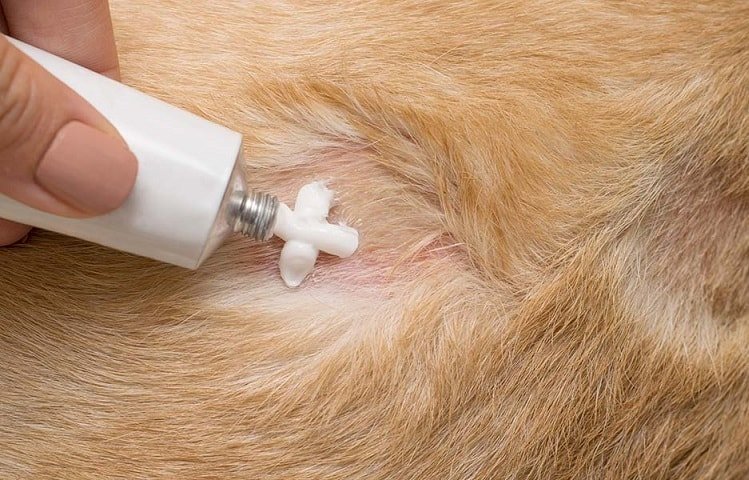
Learn whether you can use human hydrocortisone cream on your dog’s paw, when it may help, potential risks, safe application tips, and when to contact a veterinarian.
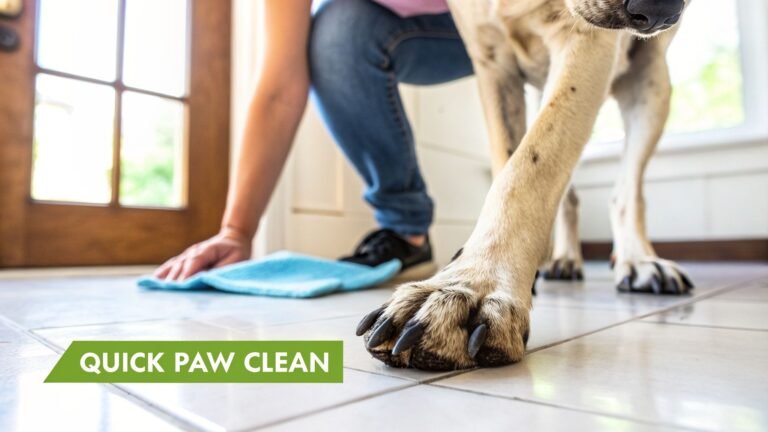
Learn how to clean muddy dog paws safely and effectively. Follow simple steps, prevent muddy messes, protect paw health, and keep your home cleaner after walks.