Dog paws are made of thick skin, fatty tissue, connective tissue, bones, tendons, ligaments, blood vessels, nerves, and nails.
Across the United States, dogs walk on a wide range of surfaces, from hot sidewalks in Arizona to snowy trails in Colorado. Understanding what are dog paws made of helps owners protect their dogs from injuries, extreme temperatures, and everyday wear.
A dog’s paw is much more than a simple foot. It is a specialized structure designed to absorb shock, provide traction, support body weight, and help dogs move efficiently. Each component of the paw works together to create a durable yet sensitive foundation for daily activity.
Source: pueblo.extension.colostate.edu
The Simple Answer: What Are Dog Paws Made Of?
Dog paws are complex anatomical structures made of multiple layers and tissues. The visible paw pads consist primarily of thickened skin covering specialized fatty tissue and connective tissue. Beneath these layers are blood vessels, nerves, tendons, ligaments, and bones.
These structures work together to create a surface that can withstand repeated impact while still allowing dogs to feel the ground beneath them. The result is a natural system that combines durability, flexibility, and sensitivity.
Source: pbs.twimg.com
Outer Layer
Tough, keratinized skin that resists abrasion.
Middle Layer
Fatty and connective tissue that cushions impacts.
Internal Structures
Bones, tendons, ligaments, nerves, and blood vessels that support movement.
Why Dog Paws Feel Different From Human Feet
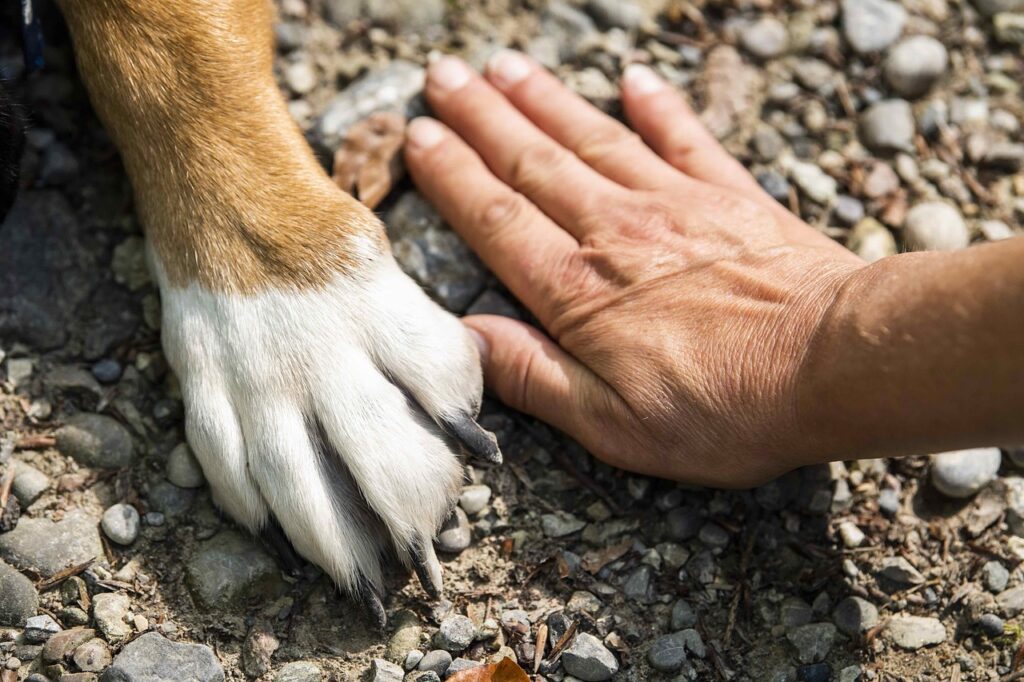
Dog paw pads feel rough and firm because the skin contains a thicker protective outer layer. Underneath, fatty tissue forms a resilient cushion that helps absorb forces generated during walking, running, and jumping.
Extra Protection
Thicker skin helps prevent injuries from rough terrain.
The Main Parts of a Dog Paw
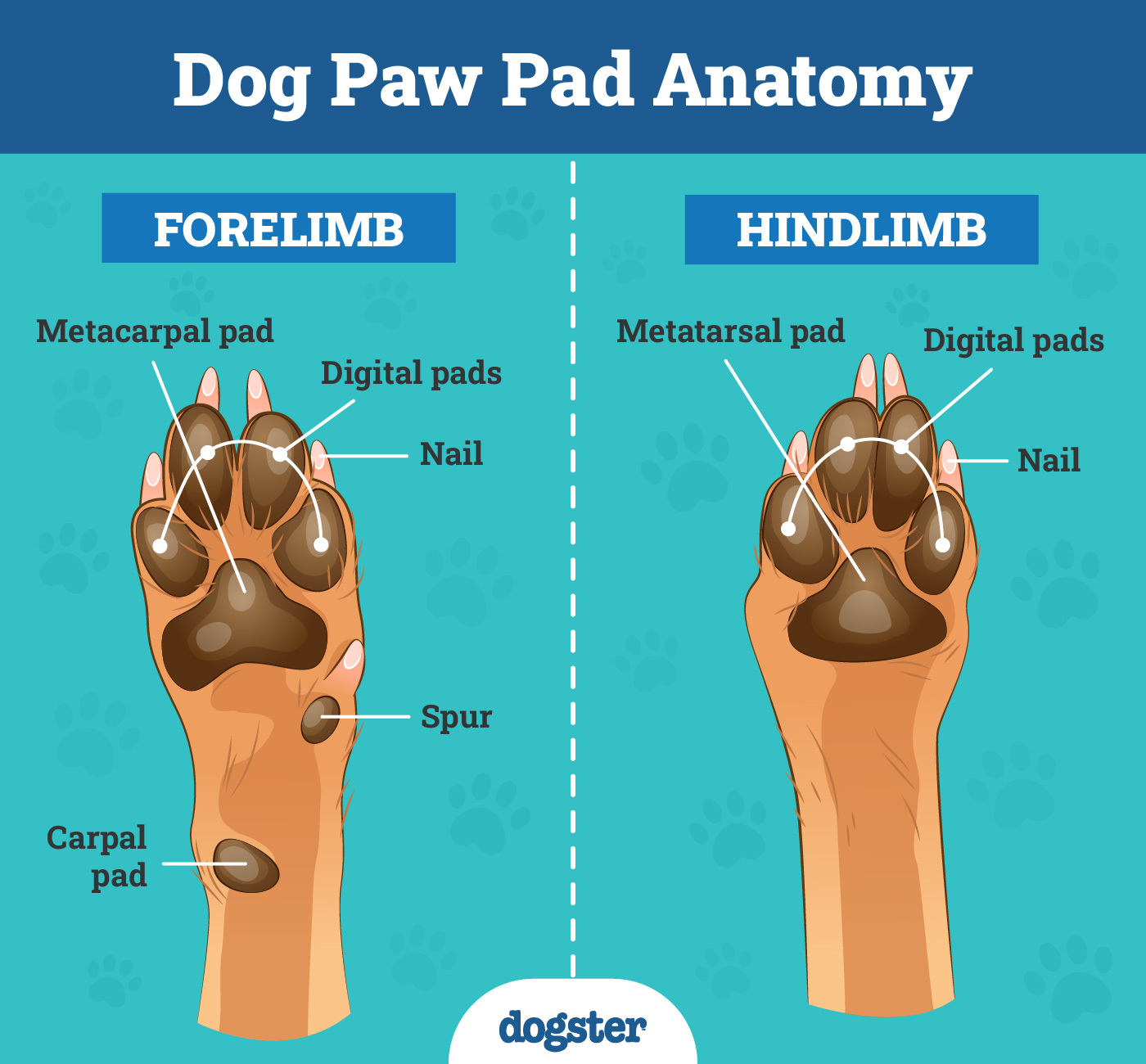
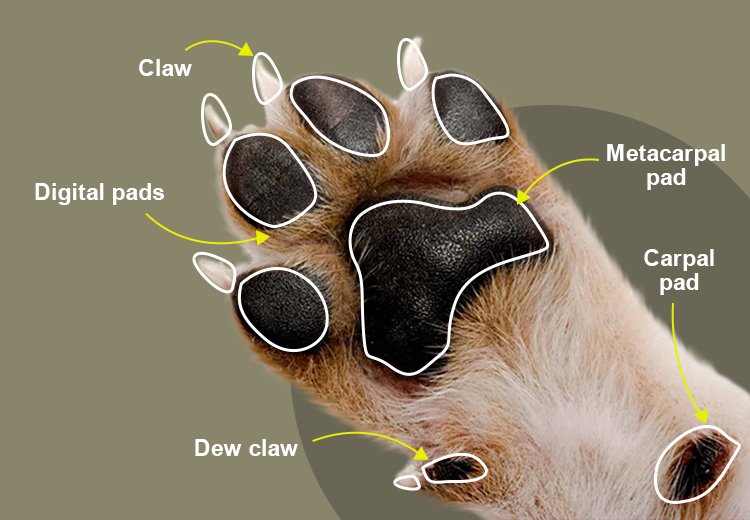
Each dog paw contains several distinct structures that contribute to movement and stability. Together, these components allow dogs to navigate different environments safely.
Understanding these parts can help owners identify injuries, irritation, and normal anatomical features.
Source: dogster.com
Digital Pads
Small pads beneath each toe that provide cushioning and traction.
Metacarpal or Metatarsal Pad
The large central pad that bears most of the dog’s weight.
Carpal Pad
A smaller pad located higher on the front leg that assists with braking and stability.
Toenails and Claws
Dog nails are made primarily of keratin, the same protein found in human fingernails and hair. They improve grip, assist with digging, and contribute to balance.
Keratin Structure
Provides strength while allowing continuous growth.
What Are Dog Paw Pads Made Of?
Paw pads are made of thick skin supported by dense collagen fibers and fatty tissue. This combination creates a durable surface that can absorb shock while protecting deeper structures.
The fatty layer acts like a natural cushion. When a dog lands after a jump or runs across hard ground, the tissue helps distribute impact forces throughout the paw.
Source: i.pinimg.com
Thick Skin
Provides resistance against cuts and abrasions.
Fat Deposits
Help absorb impact and insulate against temperature changes.
Collagen Fibers
Provide strength and structural support.
Why Paw Pads Are Sensitive
Although paw pads are tough, they contain many nerve endings. These nerves help dogs detect surface texture, pressure, and environmental conditions.
Sensory Feedback
Helps dogs adjust balance and movement.
Bones, Tendons, and Ligaments Inside the Paw
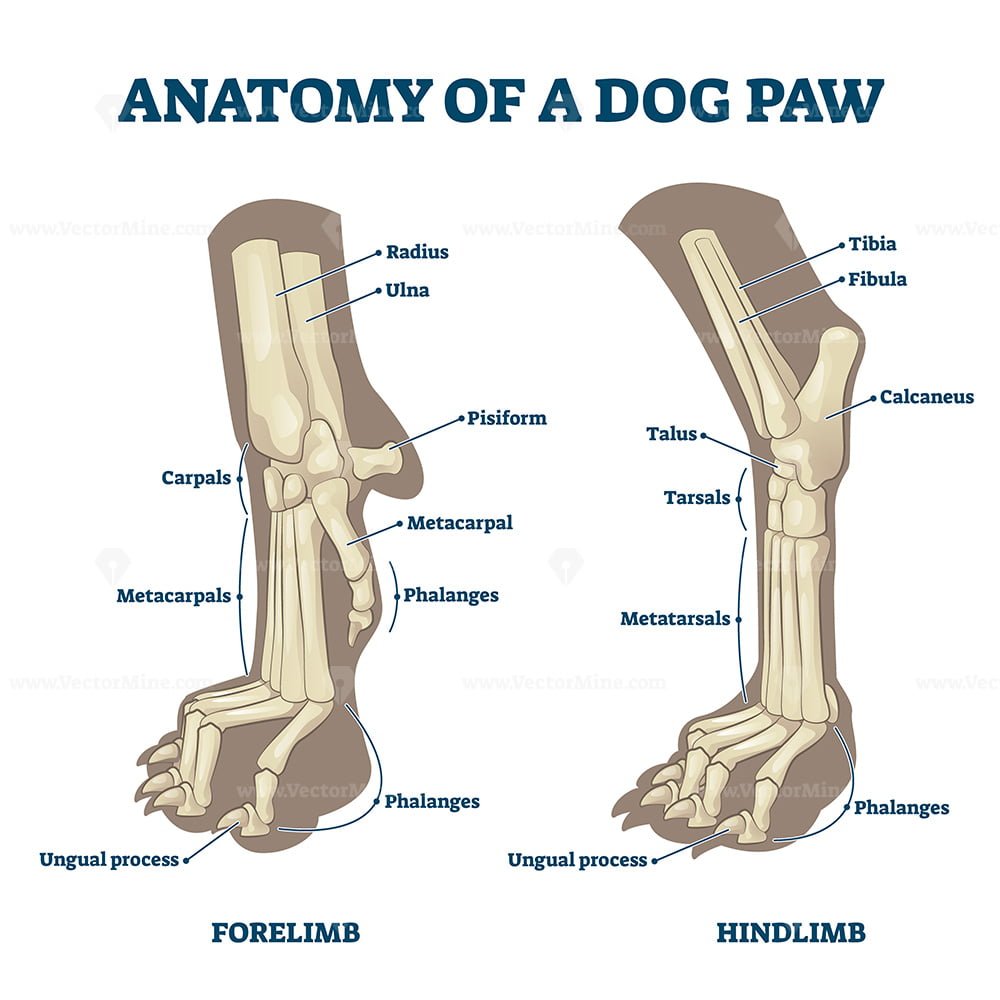
The paw contains numerous small bones connected by joints, ligaments, and tendons. These structures allow flexibility while supporting the dog’s body weight.
Tendons connect muscles to bones and help create movement. Ligaments connect bone to bone and stabilize joints during walking, running, and turning.
Source: vectormine.b-cdn.net
Bones
Create the framework of the paw.
Tendons
Transfer muscle force into movement.
Ligaments
Keep joints aligned and stable.
How These Structures Work Together
Every step requires coordination between bones, tendons, ligaments, muscles, and paw pads. This integrated design allows dogs to run, jump, climb, and change direction efficiently.
Efficient Movement
Multiple tissues share the workload during activity.
How Dog Paws Protect Dogs During Daily Activity
Dog paws function as natural shock absorbers. The combination of thick skin and fatty tissue helps reduce stress on joints, muscles, and bones during movement.
Paws also improve traction. Their textured surface helps dogs maintain grip on grass, dirt, pavement, and many indoor surfaces.
Source: dogpacking.com
Shock Absorption
Reduces impact during running and jumping.
Traction
Improves stability on different surfaces.
Protection
Creates a barrier between the body and rough terrain.
Temperature Regulation
Blood vessels in the paws help regulate temperature. However, paws can still be injured by extremely hot pavement, ice, or harsh chemicals.
Environmental Limits
Natural protection is helpful but not unlimited.
Common Paw Problems and What They Reveal About Paw Structure
Knowing what are dog paws made of can help owners recognize when something is wrong. Because paws contain skin, nerves, blood vessels, and connective tissue, injuries can affect mobility and comfort.
Cuts, burns, cracked pads, foreign objects, and nail injuries are among the most common paw issues. Early attention often prevents more serious complications.
Source: i.ebayimg.com
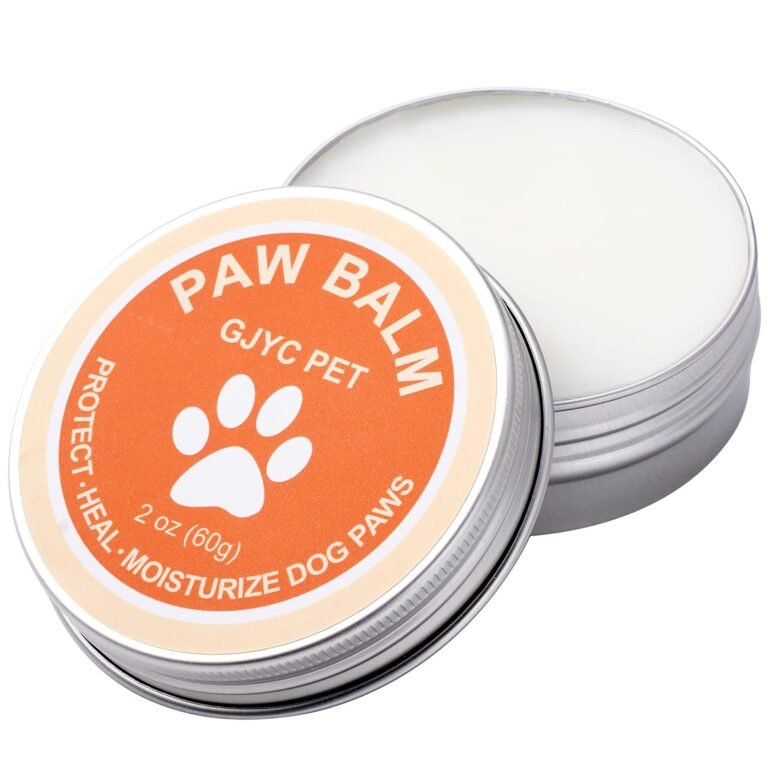
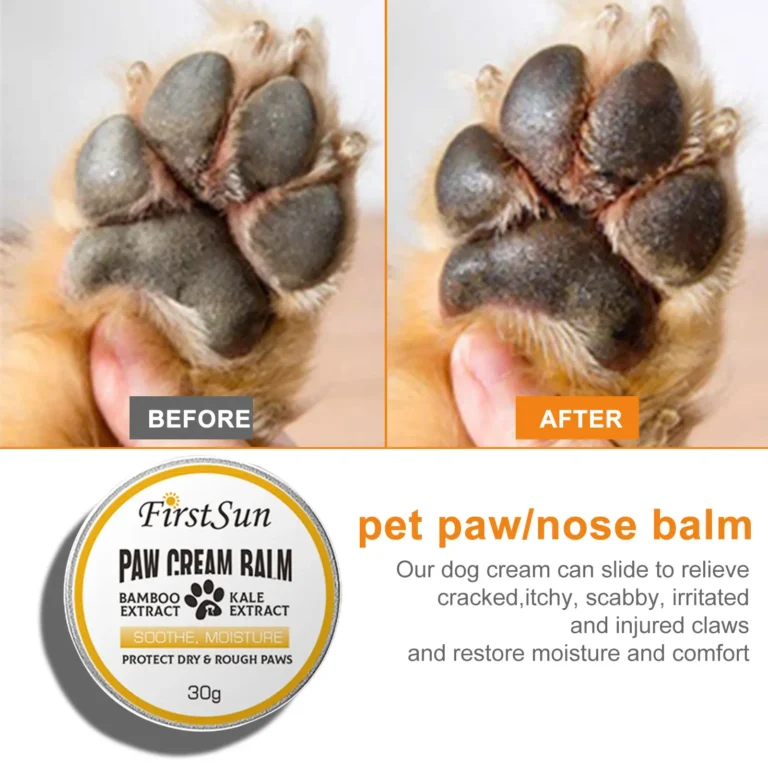
Cracked Pads
Often result from dryness, rough terrain, or environmental conditions.
Burns
Can occur from hot pavement or surfaces.
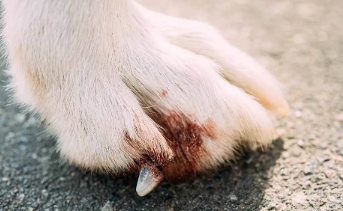
Nail Injuries
May affect balance and walking comfort.
When to Contact a Veterinarian
Veterinary evaluation is recommended when a dog is limping, bleeding, showing significant swelling, or refusing to bear weight on a paw.
Warning Signs
Persistent pain, swelling, or loss of function requires professional assessment.
Frequently Asked Questions
Q
Are dog paw pads made of fat?
Partly. Dog paw pads contain fatty tissue beneath thick skin. This fatty layer helps cushion impacts and protects deeper structures.
Q
Why are dog paws rough?
Dog paws are rough because the outer skin layer is thicker and more durable than skin on most other parts of the body. This helps resist wear from daily activity.
Q
Do dog paws have bones inside them?
Yes. Dog paws contain many small bones connected by joints, ligaments, and tendons. These structures support movement and weight-bearing.
Q
Can dogs feel through their paw pads?
Yes. Paw pads contain nerves that allow dogs to detect pressure, texture, and certain environmental conditions. They are tougher than other skin but still sensitive.
Q
What makes dog paws so durable?
Durability comes from the combination of thick keratinized skin, collagen-rich connective tissue, and shock-absorbing fat. Together these tissues protect the paw during daily use.
✦ Wrapping Up
Conclusion
The answer to what are dog paws made of is more complex than many owners realize. Dog paws contain tough skin, fatty cushioning tissue, connective tissue, bones, tendons, ligaments, nerves, blood vessels, and keratin-based nails.
These structures work together to support movement, absorb shock, provide traction, and protect dogs from everyday environmental challenges. Understanding paw anatomy can help owners better care for one of the most important parts of a dog’s body.
💡 Key Takeaway
Inspect your dog’s paws regularly for cuts, cracks, swelling, or nail problems so small issues can be addressed before they affect mobility.
Learn what to put on dogs paws for dryness, cracks, irritation, and protection. Discover safe paw balms, moisturizers, and care tips for healthy dog paw pads.
Learn how long to keep bandage on dog paw injuries, when to change the wrap, signs of healing, and when to contact a veterinarian for professional care.
Learn how to keep a bandage on a dog’s paw clean, dry, secure, and comfortable while watching for swelling, slipping, infection, and other warning signs.