A dog-safe paw balm or moisturizer is usually the best thing to put on dogs paws.
Across the United States, dogs regularly walk on hot pavement, icy sidewalks, rough hiking trails, and dry indoor surfaces that can damage their paw pads. Choosing the right product helps maintain healthy paws and reduces discomfort.
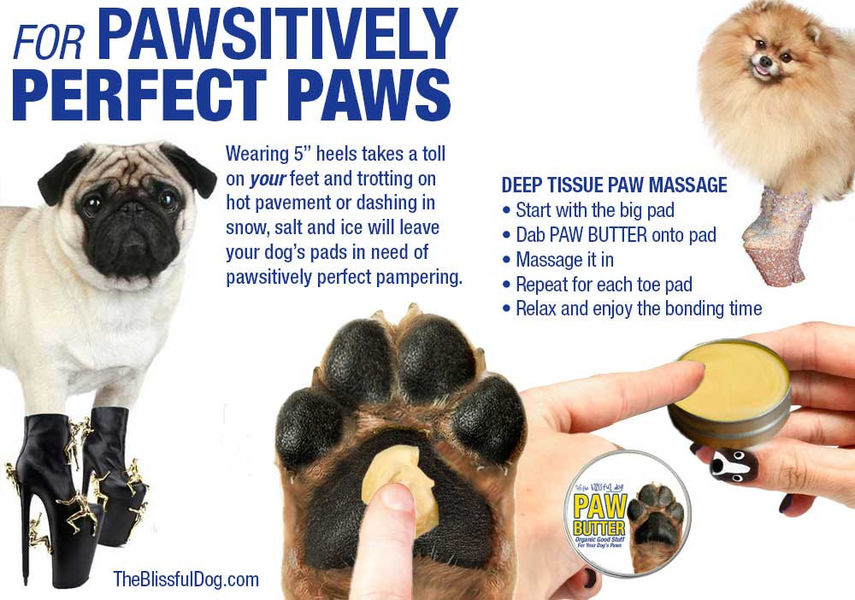
When people ask what to put on dogs paws, the safest options are products specifically designed for canine paw care. Paw balms, wax-based protectants, and veterinarian-approved moisturizers can help soothe dryness, protect against environmental hazards, and support healing of minor cracks.
Source: storage.googleapis.com
What to Put on Dogs Paws for Everyday Care
For routine paw maintenance, a dog-specific paw balm is usually the best choice. These products are formulated to moisturize paw pads while creating a protective barrier against environmental stress.
Natural ingredients such as beeswax, coconut oil, shea butter, and vitamin E are commonly used in quality paw care products. They help reduce dryness while supporting the paw pad’s natural resilience.
Source: storage.googleapis.com
Paw Balm
Moisturizes and protects dry or rough paw pads.
Protective Paw Wax
Creates a barrier against snow, salt, and hot surfaces.
Veterinarian-Approved Moisturizer
Helps restore hydration in severely dry paws.
When Everyday Moisturizing Helps
Dogs that frequently walk on concrete, asphalt, sand, or rocky terrain often benefit from regular paw moisturizing. Applying a thin layer after walks can help maintain healthy skin and reduce cracking.
Active Dogs
May require more frequent paw conditioning.
What to Put on Dogs Paws That Are Dry or Cracked
Dry or cracked paw pads need additional moisture and protection. A high-quality paw balm applied once or twice daily can help soften rough areas and support recovery.
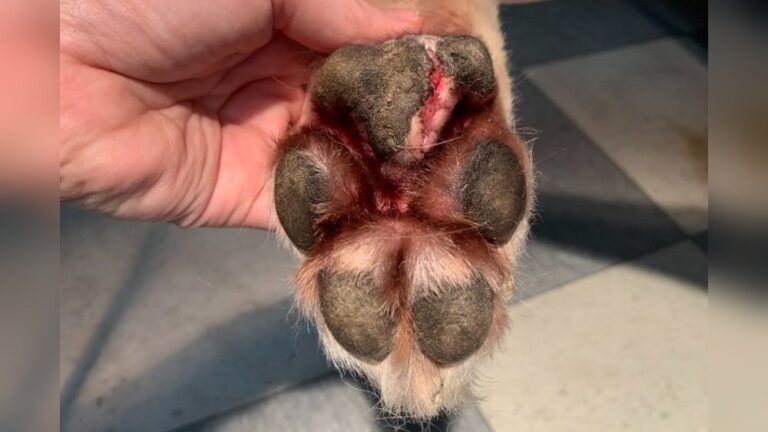
If cracks are deep, bleeding, or accompanied by swelling, veterinary evaluation is recommended because infection or underlying medical conditions may be involved.
Source: empocorp.com
Clean First
Remove dirt and debris before applying any product.
Apply Thin Layers
Use a small amount to avoid excessive residue.
Monitor Healing
Watch for signs of worsening irritation.
Signs Your Dog Needs Paw Moisturizer
Common signs include rough texture, visible cracks, flaking skin, excessive licking, and sensitivity during walks.
Excessive Licking
May indicate irritation or dryness.
How to Protect Dogs Paws From Weather and Surfaces
Weather conditions often determine what to put on dogs paws. During winter, protective waxes can help shield paws from ice, snow, and de-icing salts. During summer, they can reduce exposure to hot surfaces.
No product completely eliminates heat risk. If pavement feels too hot for your hand, it is likely too hot for your dog’s paws.
Source: storage.googleapis.com
Winter Protection
Use paw wax before outdoor walks.
Summer Protection
Walk during cooler hours when possible.
Trail Protection
Inspect paws after hiking or long outdoor activities.
Boots Versus Paw Balms
Paw balms provide moisture and light protection, while boots offer a physical barrier. Some dogs benefit from using both during harsh weather.
Combination Approach
Use balm for conditioning and boots for protection.
Products and Ingredients to Avoid
Not everything safe for human skin is safe for dogs. Some human lotions contain fragrances, preservatives, or chemicals that may irritate canine skin or cause digestive upset if licked.
Avoid applying products with unknown ingredients directly to your dog’s paws without veterinary guidance.
Source: animalia-life.club
Avoid Fragranced Lotions
They may irritate sensitive paw pads.
Avoid Medicated Creams
Use only under veterinary supervision.
Avoid Toxic Ingredients
Some substances can be harmful if ingested.
Choose Dog-Specific Products
Products formulated specifically for dogs are generally the safest option because they account for normal paw licking behavior.
Read Labels
Check ingredients before use.
Simple Paw Care Routine for Healthy Paw Pads
A consistent paw care routine helps prevent many common paw problems. Inspect paws regularly, clean them after outdoor activities, and apply moisturizer when needed.
Dogs that spend significant time outdoors may require more frequent maintenance than indoor dogs.
Source: storage.googleapis.com
Inspect Weekly
Look for cuts, cracks, or foreign objects.
Clean After Walks
Remove dirt, salt, and debris.
Moisturize as Needed
Apply paw balm when pads appear dry.
Signs of Healthy Paw Pads
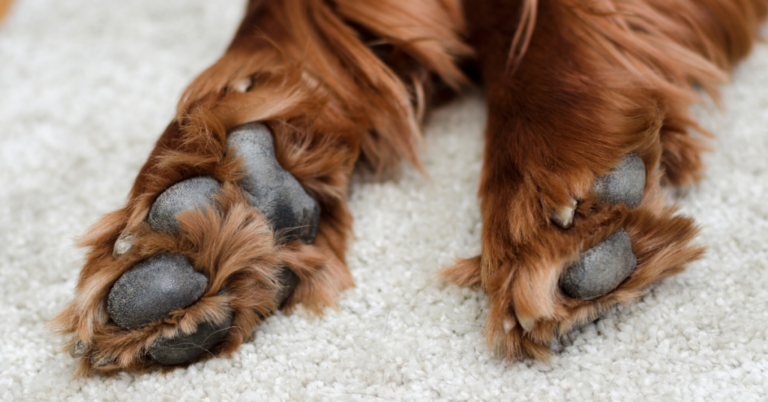
Healthy paw pads are flexible, smooth, free from deep cracks, and do not cause pain during normal movement.
Comfortable Walking
A good sign that paw health is being maintained.
Frequently Asked Questions
Q
Can I put coconut oil on my dog’s paws?
Coconut oil is commonly used as a temporary moisturizer for dry paw pads. However, dog-specific paw balms are usually preferred because they are designed for canine skin and licking behavior.
Q
How often should I apply paw balm?
Most dogs benefit from application once daily or several times per week, depending on dryness and environmental exposure.
Q
Can I use human lotion on my dog’s paws?
Human lotions are generally not recommended because they may contain ingredients that irritate dogs or are unsafe if ingested.
Q
What should I do if my dog’s paw pads are bleeding?
Clean the area gently and seek veterinary care. Bleeding can indicate a significant injury that requires professional treatment.
Q
Do dogs need paw protection in summer?
Yes. Hot pavement can burn paw pads. Protective products may help, but avoiding extreme surface temperatures is the most effective prevention.
✦ Wrapping Up
Conclusion
When deciding what to put on dogs paws, dog-safe paw balms and moisturizers are usually the best choices for routine care. They help maintain healthy paw pads, reduce dryness, and provide protection from environmental stress.
Regular inspections, proper cleaning, and prompt attention to injuries can prevent minor issues from becoming serious problems. Consult a veterinarian if you notice persistent cracking, swelling, bleeding, or signs of infection.
💡 Key Takeaway
Inspect your dog’s paws weekly and apply a dog-specific paw balm whenever the pads become dry, rough, or exposed to harsh conditions.
Learn how to treat scraped dog paws safely at home, when to see a veterinarian, how to prevent infection, and how to help your dog recover comfortably.
Learn how to groom a Chinese Crested dog with step-by-step instructions, skin care tips, bathing schedules, coat maintenance advice, and grooming mistakes to avoid.
Learn whether a swollen dog paw is an emergency, what causes paw swelling, warning signs to watch for, and when your dog needs immediate veterinary care.
Learn how to treat a deep cut on dog paw with safe first aid steps, bandaging tips, infection warning signs, and guidance on when emergency veterinary care is needed.