A swollen dog paw can be an emergency when severe pain, bleeding, infection, or trauma is present.
Across the United States, swollen dog paws are a common reason for veterinary visits. While some cases result from minor irritations such as insect bites or small cuts, others may signal serious injuries, infections, burns, allergic reactions, or foreign objects embedded in the paw.
The answer to the question is a swollen dog paw an emergency depends on the cause, severity, and how your dog is behaving. A dog that cannot bear weight, has a rapidly enlarging paw, shows signs of severe pain, or develops significant redness and discharge should be evaluated by a veterinarian as soon as possible.
Source: dogsane.com
When Is a Swollen Dog Paw an Emergency?
A swollen dog paw becomes an emergency when it affects your dog’s ability to walk, causes intense pain, or is associated with significant trauma. Rapidly worsening swelling can indicate infection, a severe allergic reaction, or tissue damage that needs prompt treatment.
Dogs that develop fever, lethargy, heavy bleeding, or obvious deformity along with paw swelling should receive veterinary attention immediately. Delaying treatment can allow infections or injuries to worsen.
Source: yourvetfriend.com
Unable to Bear Weight
Your dog refuses to stand or walk on the affected paw.
Severe Bleeding
Bleeding does not stop with basic first aid pressure.
Rapid Swelling
The paw becomes noticeably larger over a short period.
Emergency Warning Signs
Seek urgent veterinary care if you notice severe pain, exposed tissue, broken nails with heavy bleeding, suspected fractures, or signs of infection such as pus and foul odor.
Fever
May indicate a spreading infection.
Discharge
Pus or fluid suggests infection or an abscess.
Common Causes of a Swollen Dog Paw
Many cases of paw swelling are caused by injuries such as cuts, punctures, torn nails, or sprains. Dogs that spend time outdoors may step on sharp objects, thorns, glass, or hot pavement.
Other causes include bacterial infections, fungal infections, allergic reactions, insect stings, burns, cysts, and growths. Identifying the underlying cause is important because treatment varies significantly.
Source: articles.hepper.com
Foreign Objects
Grass awns, splinters, and thorns can become lodged in the paw.
Allergic Reactions
Environmental allergens or insect stings may trigger swelling.
Infections
Bacteria can enter through small cuts and wounds.
Causes That Often Need Veterinary Treatment
Abscesses, deep puncture wounds, fractures, severe burns, and persistent swelling that lasts more than a day often require professional diagnosis and treatment.
Abscess
A pocket of infection that may need drainage.
How to Check a Swollen Dog Paw Safely
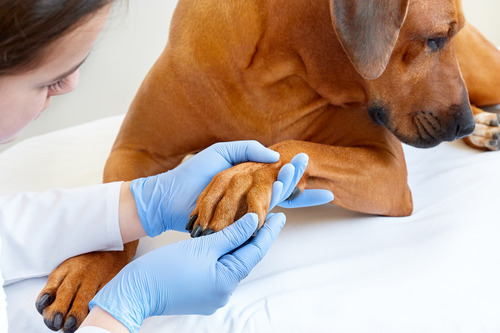
Begin by gently examining the paw in a well-lit area. Look between the toes, around the nails, and across the paw pads for cuts, swelling, redness, or foreign objects.
Avoid forcing the paw into uncomfortable positions. If your dog shows significant pain or aggression during the examination, stop and contact a veterinarian.
Source: veazievet.com
Check Between Toes
Hidden injuries often occur in these areas.
Inspect Paw Pads
Look for burns, cracks, or puncture wounds.
What Not to Do
Do not use human pain medications unless directed by a veterinarian. Many common human medications can be toxic to dogs.
Avoid Deep Probing
Pushing into wounds can worsen damage.
What You Can Do at Home Before Seeing a Vet
For minor swelling without emergency symptoms, you can gently clean the paw with lukewarm water and remove visible debris if it can be done safely. Restrict activity to prevent additional injury.
Applying a clean protective bandage may help in some cases, but bandages should not be tight. If swelling worsens or fails to improve, veterinary care is recommended.
Source: bubblypet.com
Limit Exercise
Rest helps reduce stress on the injured paw.
Keep the Paw Clean
Reducing contamination may help prevent infection.
Signs Home Care Is Not Enough
Persistent swelling, worsening pain, discharge, or refusal to use the paw indicate the need for professional evaluation.
Increasing Redness
May suggest infection or ongoing inflammation.
Decision Guide for Swollen Dog Paws
Mild swelling after a minor irritation may be monitored for a short period if your dog remains comfortable and active. However, severe symptoms require immediate veterinary attention.
When deciding whether a swollen dog paw is an emergency, focus on pain level, mobility, the speed of swelling, and any signs of infection or trauma.
Source: careyanimalhospital.com
Monitor
Mild swelling with normal walking and behavior.
Schedule a Vet Visit
Persistent swelling lasting more than 24 hours.
Seek Emergency Care
Severe pain, trauma, or inability to walk.
When Immediate Action Matters
Prompt treatment can reduce complications, improve comfort, and prevent infections from spreading.
Rapid Response
Often leads to faster recovery and fewer complications.
Frequently Asked Questions
Q
Can a swollen dog paw heal on its own?
Minor swelling caused by mild irritation or a small injury may improve with rest and basic care. Persistent or worsening swelling should be evaluated by a veterinarian.
Q
How long should I wait before calling a vet?
If swelling is mild and your dog remains comfortable, monitoring for a short period may be reasonable. Contact a veterinarian sooner if pain, limping, or worsening symptoms develop.
Q
Can allergies cause a dog’s paw to swell?
Yes. Allergic reactions to insect stings, plants, chemicals, or environmental triggers can cause swelling and redness in the paws.
Q
Should I soak my dog’s swollen paw?
A veterinarian may recommend soaking in some situations, but the correct approach depends on the cause. Deep wounds or severe infections require professional guidance.
Q
What if my dog is licking the swollen paw constantly?
Excessive licking can worsen inflammation and delay healing. Prevent further irritation and have the paw examined if the behavior continues.
✦ Wrapping Up
Conclusion
The answer to is a swollen dog paw an emergency depends on the severity of symptoms and the underlying cause. Some cases are minor and improve with rest, while others require urgent veterinary treatment.
Pay close attention to pain, mobility, bleeding, discharge, and rapid swelling. Early intervention can prevent complications and help your dog recover more comfortably.
💡 Key Takeaway
If your dog’s paw swelling is severe, rapidly worsening, painful, or associated with injury or infection, contact a veterinarian immediately.
Learn how to treat dry dog paws safely with moisturizing care, paw protection, and prevention strategies. Discover causes, home remedies, and when to contact a veterinarian.
Learn how to treat pododermatitis dog paw problems with step-by-step care, treatment options, home management, prevention tips, and signs that require veterinary attention.
Learn how big American Bobtail cats get, including average weight, length, growth timeline, and factors that affect their size. Discover what to expect from this muscular American cat breed.
Learn how to stop my dog from chewing his paws with practical steps, common causes, home care tips, and guidance on when veterinary treatment is needed.