Dog paw pads are made of thick skin, fat, connective tissue, collagen, and keratin that work together to protect the feet.
Across the United States, dogs walk on everything from hot Arizona sidewalks to snowy Midwest trails. Their paw pads are specially designed to handle these challenges while providing cushioning, grip, and protection.
When people ask what are dog paw pads made of, the answer involves several layers of tissue working together. The outer surface contains tough keratinized skin, while deeper layers contain fat and connective tissue that absorb shock and help protect bones, joints, and tendons.
Source: dogster.com
What Are Dog Paw Pads Made Of?
Dog paw pads are made of several biological layers that provide protection and support. The outer layer consists of thick epidermal skin rich in keratin, the same structural protein found in nails and hair.
Under the skin is a dense layer of connective tissue and collagen fibers. Beneath that sits specialized fatty tissue that cushions impact when a dog walks, runs, jumps, or lands.
Source: i.pinimg.com
Keratin
Creates a durable outer surface that resists wear.
Fat Tissue
Absorbs shock and helps insulate against cold surfaces.
Collagen
Provides strength and structural support.
Blood Vessels
Deliver nutrients and help maintain healthy tissue.
Why Paw Pads Feel Tough
The rough texture comes from thick keratinized skin. Regular exposure to walking surfaces also helps maintain the durable outer layer.
Natural Protection
Reduces damage from everyday contact with the ground.
How Dog Paw Pads Protect the Body
Paw pads function like built-in athletic footwear. They reduce impact forces that travel through the feet into the legs, joints, and spine.
Without these specialized structures, routine activities such as running, hiking, and jumping would place much greater stress on the body.
Source: images.squarespace-cdn.com
Shock Absorption
Helps reduce stress on bones and joints.
Surface Protection
Creates a barrier between the foot and rough terrain.
Traction
Improves stability on different surfaces.
Why Fat Is Important
The fatty layer inside the pad works like a cushion. It compresses during impact and rebounds afterward, helping distribute pressure evenly.
Energy Distribution
Spreads force across the paw rather than concentrating it in one spot.
Different Types of Dog Paw Pads
Dogs have several distinct paw pads, each with a specific role. Together they provide balance, support, and movement control.
The shape and size of these pads vary among breeds, but their basic functions remain similar.
Source: caninecarecentral.com
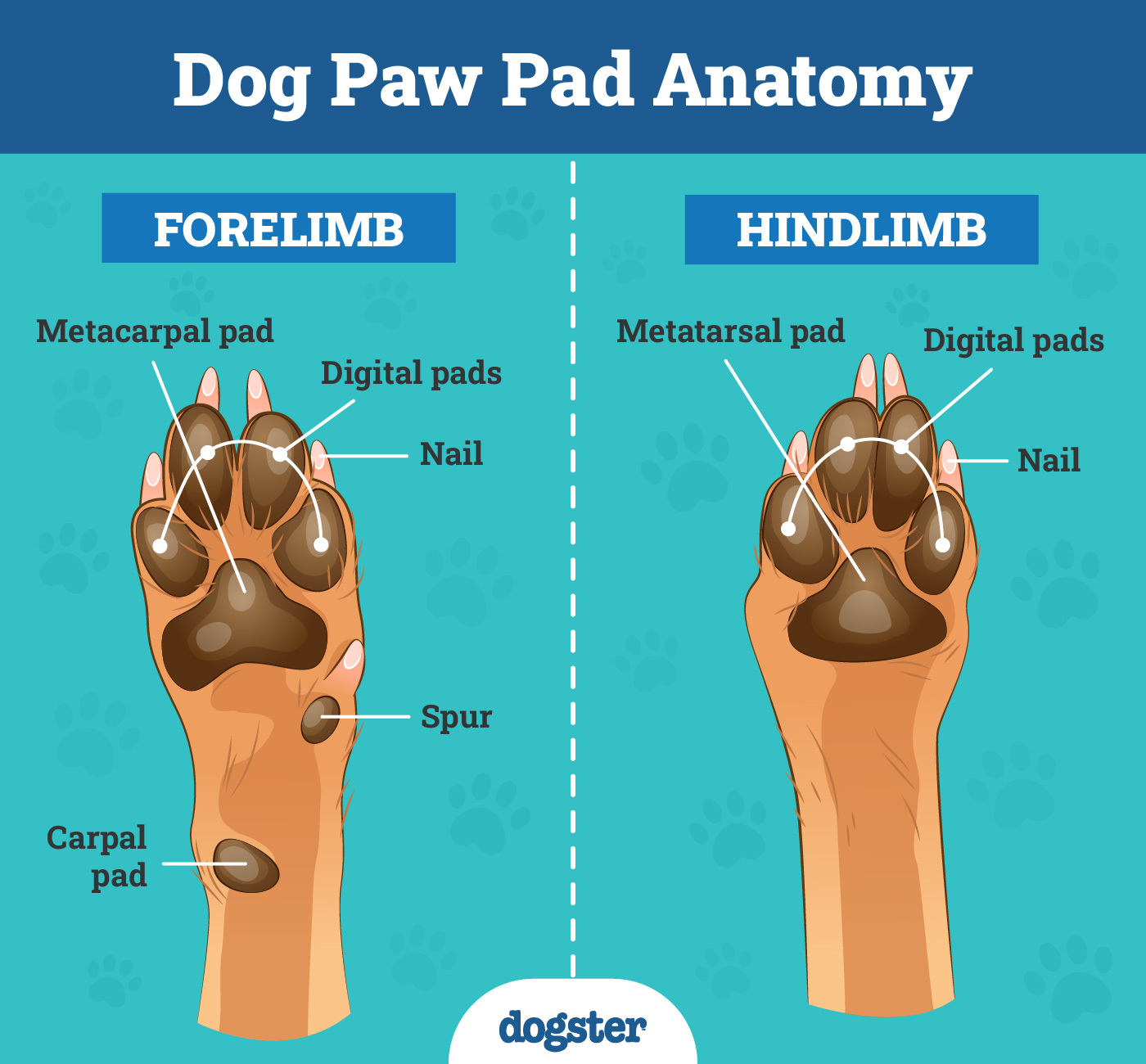
Digital Pads
Located beneath each toe and help with grip.
Metacarpal Pad
Large central pad on the front feet.
Metatarsal Pad
Large central pad on the rear feet.
Carpal Pad
Extra pad higher on the front leg that assists during movement and stopping.
Which Pad Handles the Most Weight
The large central pads generally bear the greatest amount of weight during standing and walking.
Primary Load Bearing
The central pads absorb most ground contact forces.
Can Dog Paw Pads Regenerate After Injury?
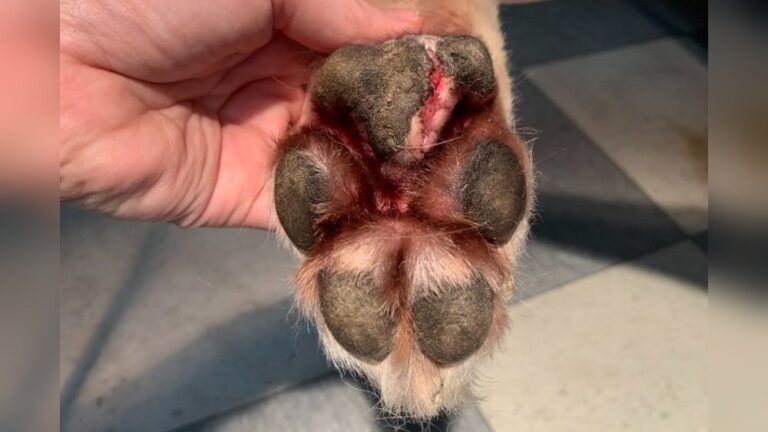
Minor abrasions and superficial damage often heal because paw pad tissue can regenerate. However, deeper injuries may require veterinary treatment and a longer recovery period.
Healing depends on the depth of the wound, infection risk, and whether the dog continues to place weight on the injured area.
Source: i.pinimg.com
Minor Scrapes
Often heal with rest and protection.
Deep Cuts
May require veterinary assessment and bandaging.
Infection Risk
Increases when wounds remain dirty or exposed.
Signs a Paw Pad Needs Veterinary Attention
Persistent bleeding, limping, swelling, discharge, or severe pain should be evaluated by a veterinarian.
Urgent Symptoms
Heavy bleeding or inability to bear weight requires prompt care.
How to Keep Dog Paw Pads Healthy
Healthy paw pads should be clean, intact, and free from deep cracks. Regular inspection helps identify problems before they become serious.
Environmental conditions such as hot pavement, ice, road salt, and rough terrain are common causes of paw pad damage.
Source: pbs.twimg.com
Check Paws Regularly
Look for cuts, swelling, and trapped debris.
Avoid Extreme Surfaces
Hot pavement and icy ground can injure paw pads.
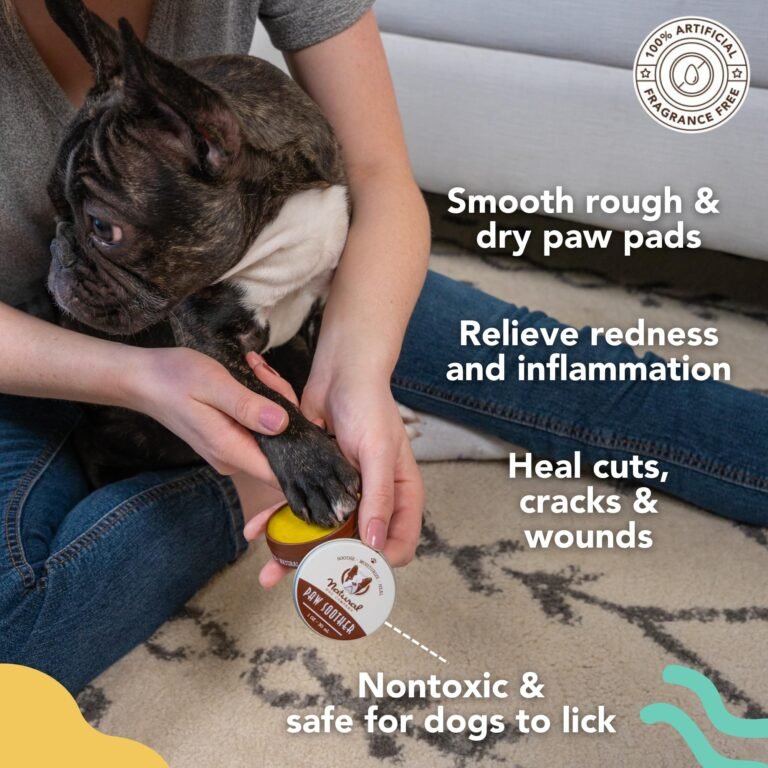
Use Paw Protection
Boots may help during harsh weather or difficult terrain.
Maintain Hydration
Proper skin health supports healthy paw tissue.
Common Mistakes Owners Make
Waiting until a dog is limping to inspect the paws is a common mistake. Early detection often prevents more serious injuries.
Delayed Inspection
Small cracks and cuts can worsen when left untreated.
Frequently Asked Questions
Q
Are dog paw pads made of the same material as human skin?
They contain similar skin components, but dog paw pads have much thicker keratinized layers and specialized cushioning tissue designed for constant ground contact.
Q
Why are dog paw pads rough?
The rough texture comes from thick keratin-rich skin that improves durability and traction on various surfaces.
Q
Do dog paw pads contain nerves?
Yes. Paw pads contain nerves and blood vessels, which is why injuries can be painful and may bleed.
Q
Can dogs feel temperature through their paw pads?
Dogs can detect temperature changes through their paws, although the thick pad structure provides some protection from heat and cold.
Q
Do paw pads get thicker over time?
Regular activity on natural and varied surfaces can contribute to tougher, more resilient paw pads as the outer skin adapts to wear.
✦ Wrapping Up
Conclusion
Understanding what are dog paw pads made of helps explain why dogs can comfortably move across a wide range of surfaces. Their paw pads combine tough keratinized skin, collagen-rich connective tissue, and shock-absorbing fat to create a highly specialized structure.
Although paw pads are durable, they are not indestructible. Regular inspections and protection from extreme conditions can help keep them healthy and functional throughout a dog’s life.
💡 Key Takeaway
Check your dog’s paws weekly and protect them from excessive heat, cold, and rough terrain to maintain healthy paw pads.
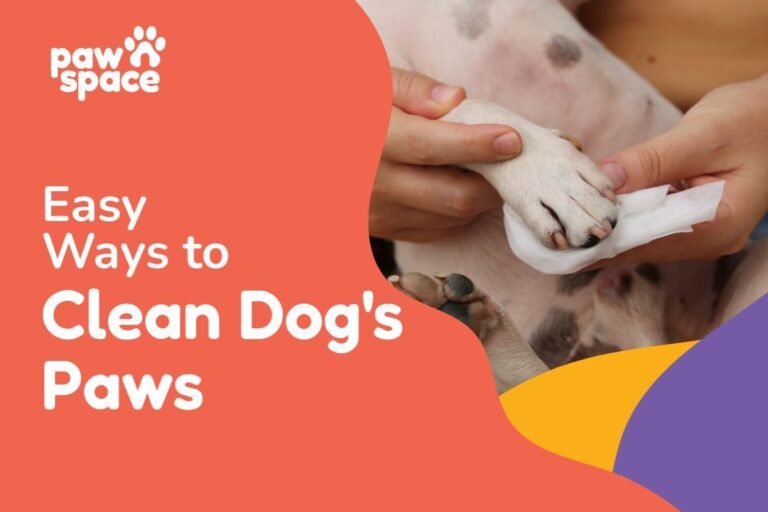
Learn how to clean dog paws naturally using water, gentle homemade solutions, and simple grooming techniques. Keep your dog’s paws clean, healthy, and comfortable after walks.
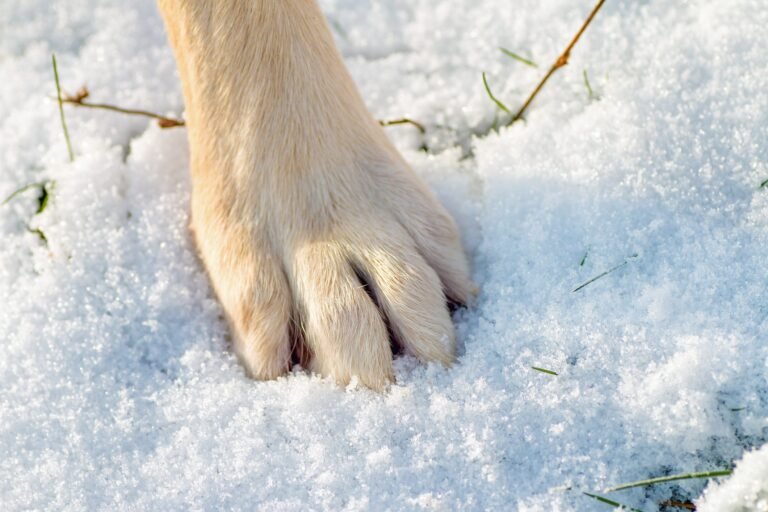
Do dogs paws get cold in the snow? Learn how canine paws handle winter conditions, signs of cold-related injuries, frostbite risks, and ways to protect your dog during snowy walks.
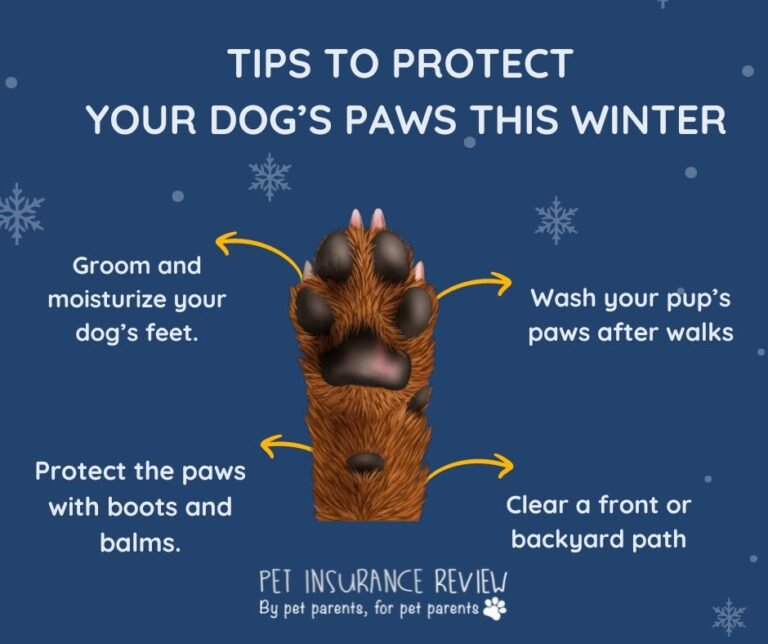
Learn what to put on dogs paws in winter to protect against snow, ice, road salt, and dry conditions. Discover safe paw balms, boots, moisturizers, and winter paw care tips.
Learn how to treat a deep cut on dog paw with safe first aid steps, bandaging tips, infection warning signs, and guidance on when emergency veterinary care is needed.
Learn how to harden dog paw pads safely through gradual conditioning, routine inspections, proper paw care, and protection from heat, ice, chemicals, and rough terrain.
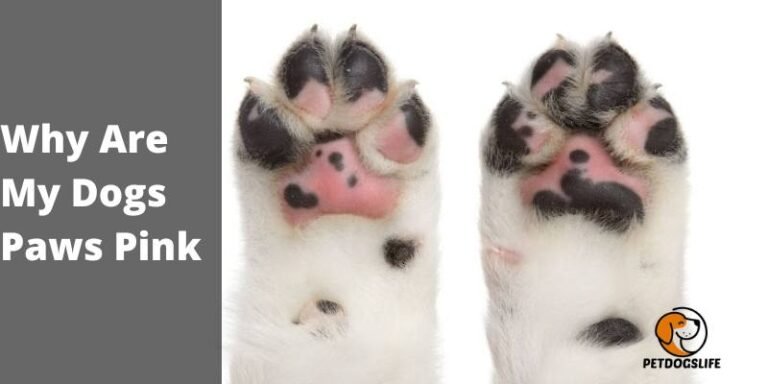
Learn why your dog’s paws may be pink, from normal puppy pigmentation and saliva staining to allergies, irritation, infection, and paw injuries. Find out when veterinary care is needed.