Do Cats Need Sweaters in Winter: Clear Answers and Key Facts
A cat curled into a sunny window may look perfectly comfortable while another cat shivers near a door. That contrast can make winter clothing confusing, especially when a pet store displays sweaters as if every cat needs one.
For most healthy cats, fur, body heat, and a warm indoor environment provide enough insulation. Still, some cats may benefit from extra protection in specific situations. The answer to do cats need sweaters in winter depends on coat type, age, health, activity, and the temperature of the cat’s surroundings.
I’ll explain which cats may need additional warmth, when a sweater is reasonable, how to choose and introduce one, and which warning signs mean clothing is not the real solution.
Do cats need sweaters in winter?
Usually, no. A healthy cat with a normal coat that lives indoors generally does not need a sweater during winter. Indoor temperatures are typically comfortable enough for cats to regulate their body heat without clothing, especially when they can choose a warm bed or move away from drafts.
A sweater may be useful for a cat that has little or no fur, has recently been shaved for a medical reason, is very young or elderly, or has difficulty maintaining body temperature. Even then, a sweater should supplement a warm environment rather than replace it.
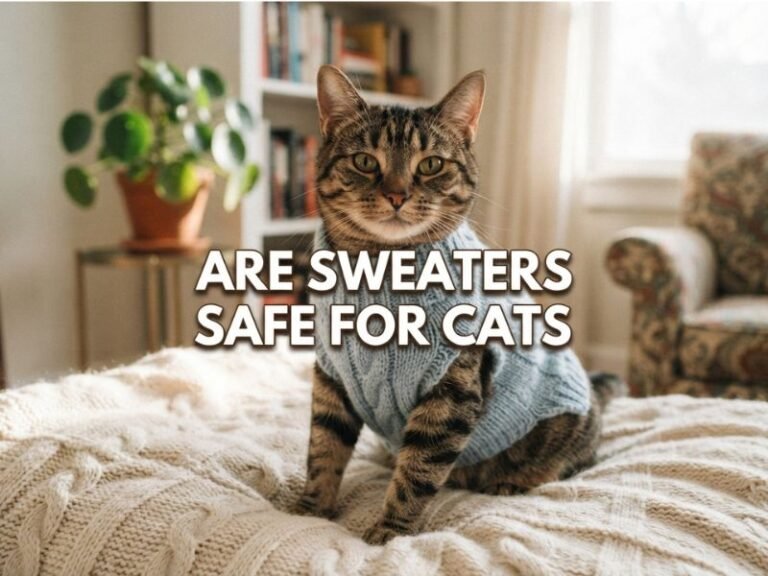
Clothing is also not automatically safer than natural fur. A poorly fitted sweater can restrict movement, trap moisture, cause overheating, snag on furniture, or increase stress. I recommend treating a sweater as an optional tool for a specific need, not as a routine winter accessory.
How cats stay warm naturally
Cats maintain warmth through several normal behaviors and physical adaptations:
- Fur insulation: A cat’s coat traps a layer of air near the skin, helping slow heat loss.
- Body position: Curling up reduces exposed surface area, while tucking the paws and tail helps conserve heat.
- Behavioral choice: Cats seek sunlight, warm bedding, sheltered spaces, and comfortable indoor rooms.
- Activity: Movement generates body heat, although a resting cat loses warmth more easily than an active one.
- Coat changes: Many cats grow a thicker coat in colder seasons, although the amount varies by individual and environment.
These mechanisms work well for most indoor cats. They are less reliable when a cat is exposed to cold, wind, wet fur, illness, poor nutrition, or prolonged inactivity. A thick coat also does not make a cat immune to hypothermia or frostbite.
Breed labels can offer clues, but they do not tell the whole story. A long-haired cat may still become cold if it is sick or wet, while a short-haired cat may remain comfortable in a warm home. I pay more attention to the individual cat’s condition and behavior than to coat length alone.
Which cats may benefit from extra warmth?
Some cats have a higher risk of becoming cold or uncomfortable. A sweater might help in selected cases, but I would first address the cat’s environment and ask a veterinarian for advice when health is involved.
Hairless and very short-haired cats
Hairless cats, including Sphynx cats, have little fur to provide insulation. Some may appreciate a soft garment in a cool home, particularly when resting. However, hairless cats can also overheat or develop skin irritation, so a sweater should not stay on continuously without supervision.
Short-haired cats can also feel cold more readily than heavily coated cats, especially in a chilly room. That does not mean every short-haired cat needs clothing. A warm bed, stable indoor temperature, and protection from drafts are often enough.
Kittens
Very young kittens have limited ability to regulate body temperature. A kitten that is not yet fully mature may need carefully controlled environmental warmth, especially if orphaned, underweight, or separated from its mother. A sweater is not a substitute for veterinary or neonatal care.
For an older kitten that is healthy and living indoors, clothing is usually unnecessary. Because kittens are active and curious, loose garments can create extra hazards. I would prioritize a safe heated area designed for pets, appropriate bedding, and veterinary guidance over a sweater.
Senior, thin, or underweight cats
Older cats may have less muscle and body fat, reduced activity, arthritis, or medical conditions that make cold more uncomfortable. A very thin cat may also lose body heat quickly. These cats often benefit from warm resting areas, but a new or persistent sensitivity to cold deserves attention.
Weight loss, weakness, lethargy, poor appetite, and seeking heat constantly can point to illness rather than a simple need for clothing. A veterinarian can check for problems such as thyroid disease, diabetes, pain, or other conditions that affect a senior cat’s comfort and metabolism.
Cats with shaved or damaged coats
A cat may have less natural insulation after a medical shave, surgery, severe matting removal, or a skin problem. The exposed area can be more sensitive to cold and sunlight. In this situation, a veterinarian should tell you whether clothing is appropriate, because the garment could rub against an incision or interfere with treatment.
Cats recovering from illness
Illness can affect temperature regulation. A cat recovering from surgery, anesthesia, infection, or another medical problem may need a warm, quiet area, but a sweater may conceal changes in the skin or incision and can make handling harder.
If a cat feels unusually cold, seems weak, or behaves differently, I would not try to solve the problem with clothing alone. The underlying condition matters more than the sweater.
Indoor cats versus outdoor cats
Indoor and outdoor living create very different winter risks.
Indoor cats
Most indoor cats can stay comfortable without a sweater if the home is reasonably warm and free from persistent drafts. Offer several resting choices, such as a fleece bed, a covered cat house, or a blanket placed away from cold windows and exterior doors.
Do not assume that a cat needs clothing simply because a person feels chilly. Cats often prefer warmer resting spots than people do, but each cat shows its own comfort level. If the cat is relaxed, eating normally, moving freely, and choosing ordinary resting locations, there may be no reason to dress it.
Outdoor and indoor-outdoor cats
A sweater is not a dependable solution for outdoor winter exposure. Wind, precipitation, freezing temperatures, ice, and darkness create risks that clothing cannot fully address. A sweater can become wet, freeze, snag on branches, or limit a cat’s ability to escape danger.
An outdoor cat needs access to a dry, insulated shelter with a small entrance, protection from wind, and dry bedding. The cat should also be able to return indoors whenever possible. During severe cold, keeping the cat inside is safer than relying on a garment.
Outdoor cats face additional winter hazards, including antifreeze, deicing chemicals, frozen water, and cold metal surfaces. Check paws after outdoor time and wipe away any chemicals. Antifreeze is highly toxic, so seek emergency veterinary help if exposure is possible.
Signs a cat may be too cold
Behavior offers useful clues, but no single sign proves that a cat is dangerously cold. A cat may simply prefer a sunny spot, while another may show discomfort more clearly.
- Shivering or trembling
- Repeatedly seeking heat, such as radiators, blankets, or a person’s lap
- Hunching tightly with paws tucked under the body
- Cold ears, paws, or tail, especially along with other symptoms
- Reluctance to move or unusual weakness
- Confusion, poor coordination, or extreme sleepiness
- Slow breathing or collapse in a severe situation
Shivering is not the only warning sign. A cat with dangerous hypothermia may stop shivering as body temperature falls and energy becomes depleted. Extreme lethargy, abnormal breathing, collapse, or unresponsiveness requires immediate veterinary care.
Move a cold cat to a warm, dry area and wrap it in a dry blanket while contacting a veterinarian. Avoid placing a very cold cat directly against a heating pad, hot water bottle, hair dryer, or space heater. Rapid or uneven heating can cause burns or other complications.
When a cat sweater can be appropriate
A sweater may be reasonable when all of the following conditions are met:
- The cat has a clear need for additional warmth.
- The cat tolerates the garment without significant fear or resistance.
- The sweater fits correctly and allows normal movement.
- The cat remains supervised while wearing it.
- The garment stays dry, clean, and free from damage.
- A medical condition, wound, or recent procedure does not make clothing unsafe.
Some cats accept clothing calmly, while others become distressed immediately. I would never force a sweater onto a cat that freezes, struggles, hides, pants, bites at the garment, or repeatedly tries to remove it. Stress can outweigh any possible warmth benefit.
For cats that tolerate sweaters, use them only during the situation that calls for extra warmth. Remove the garment for sleep, unsupervised time, grooming, litter box use if it interferes, and whenever the cat enters a warmer environment.
How to choose a safe cat sweater
Fit and material matter more than appearance. A sweater should be designed for cats or adapted specifically to feline body shape. Clothing made for another animal may have openings, straps, or proportions that create avoidable problems.
Look for these features
- Soft, breathable fabric that does not scratch the skin
- A close but comfortable fit around the chest and shoulders
- Enough room for normal walking, jumping, grooming, and litter box use
- No tight neckline or pressure across the throat
- No loose strings, dangling decorations, buttons, beads, or easily chewed pieces
- Secure construction that cannot quickly unravel or catch on furniture
- Easy removal in case the cat becomes distressed
The sweater should not cover the cat’s face, restrict the front legs, drag on the floor, or interfere with the tail. Check the skin under the garment for redness, dampness, hair matting, or pressure marks. Cats with allergies or sensitive skin may react to dyes, fibers, detergent, or retained moisture.
Skip clothing that makes it difficult to monitor a surgical incision, medication patch, drain, or bandage. In those cases, follow the veterinarian’s instructions rather than choosing a sweater based on general advice.
How to introduce a sweater gradually
Most cats do not naturally understand clothing, so a slow introduction is kinder and more effective than putting on a sweater for several hours at once.
- Let the cat inspect it. Place the sweater near a familiar resting spot and allow the cat to sniff it voluntarily.
- Pair it with something positive. Offer a favorite treat, meal, or calm attention while the sweater is nearby.
- Touch briefly. Gently touch the shoulders or back with the fabric, then remove it before the cat becomes upset.
- Put it on for a short period. Start with only a brief, supervised trial.
- Watch movement and behavior. Confirm that the cat can walk, sit, lie down, groom, and use the litter box normally.
- Increase time only if the cat remains comfortable. Stop if stress signs appear.
Some cats never accept a sweater, and that is a valid outcome. I would not interpret resistance as stubbornness. A cat may feel trapped, overheated, restricted, or unable to use normal body language. In that case, environmental warmth is the better choice.
Better ways to keep a cat warm
For most cats, environmental changes are safer and less stressful than clothing. Try these options first:
- Place a thick bed in a quiet area away from drafts.
- Provide several resting locations so the cat can choose its preferred temperature.
- Use washable blankets or fleece, keeping them dry and free of loose threads.
- Move beds away from cold windows, exterior doors, and unheated rooms.
- Maintain a stable indoor temperature rather than allowing sharp fluctuations.
- Keep the cat’s coat clean and free of severe mats, which can interfere with insulation.
- Provide adequate food and fresh water, following the cat’s normal nutritional needs.
Pet-specific heated beds or warming pads can help some cats, especially seniors with arthritis, but they should be used according to the manufacturer’s instructions. The cat must be able to move away from the heat. Avoid improvised electric blankets, uncovered heating elements, and anything hot enough to burn skin.
Grooming is part of winter comfort. Mats pull on the skin and may trap moisture, while excessive bathing can remove protective oils. Brush according to the cat’s coat and tolerance, and ask a groomer or veterinarian for help with severe matting.
Common sweater mistakes to avoid
Assuming every cat needs one
Clothing is not a requirement for a healthy, comfortable indoor cat simply because winter has arrived. Adding a sweater without a reason can create stress and safety risks.
Leaving it on unsupervised
A cat can catch a garment on a crate, chair, or climbing structure. It may chew and swallow fabric or become unable to groom. Remove sweaters when nobody can monitor the cat.
Using a tight or oversized fit
Tight clothing can restrict breathing and movement. Oversized clothing can slip, twist, snag, or cover the face. Check the fit every time because a cat’s body condition and coat may change.
Ignoring moisture
A damp sweater can make a cat colder rather than warmer. Remove it immediately if it becomes wet from water, snow, drool, or a spill. Wash garments regularly and dry them completely before reuse.
Using a sweater to hide a health problem
A cat that suddenly seeks heat, loses weight, trembles, or becomes inactive may need medical evaluation. Clothing can hide symptoms and delay treatment. A veterinarian should assess any meaningful change in behavior, appetite, breathing, mobility, or body condition.
Winter safety beyond sweaters
Cold weather affects more than body temperature. Keep cats away from antifreeze, which may be found near vehicles and garages. Do not let a cat walk on freshly treated surfaces until they are safe, and clean the paws after outdoor exposure when necessary.
Check garages, sheds, and vehicle engine compartments before starting a car. Cats may crawl beneath a hood or into a warm engine area. Outdoor cats should have identification and access to a secure shelter, but indoor housing remains the safest option during severe weather.
Watch for frostbite on exposed areas such as the ear tips, paws, and tail. Skin may appear pale, gray, bluish, swollen, painful, or unusually firm. Do not rub or massage suspected frostbite, and contact a veterinarian promptly.
FAQ about cats and winter sweaters
Do indoor cats need sweaters in winter?
Most healthy indoor cats do not need sweaters. A warm home, comfortable bedding, and freedom to move away from drafts usually provide enough protection. A sweater may be considered for a hairless, shaved, elderly, underweight, or medically vulnerable cat if the cat tolerates it safely.
Do hairless cats need sweaters?
Some hairless cats benefit from extra warmth, particularly in cool indoor rooms, but not every hairless cat needs a sweater all the time. Monitor for both chilling and overheating, and remove clothing if the cat becomes stressed or the skin becomes irritated.
Can cats sleep in sweaters?
It is safer to remove a sweater while a cat sleeps or is unsupervised. The garment could twist, snag, interfere with grooming, or trap heat. Provide a warm bed instead, unless a veterinarian gives specific instructions for supervised clothing use.
Can a sweater keep an outdoor cat warm?
A sweater is not reliable protection for an outdoor cat. It can become wet, freeze, snag, or restrict movement. A dry insulated shelter and indoor access are safer, and cats should remain indoors during severe winter weather whenever possible.
How can I tell if my cat is too cold?
Shivering, tightly curled posture, repeated heat-seeking, weakness, unusual sleepiness, poor coordination, or cold extremities may indicate that a cat is uncomfortable or dangerously cold. Severe lethargy, abnormal breathing, or collapse requires immediate veterinary attention.
Should I put a sweater on a sick or recovering cat?
Ask a veterinarian first. A sweater may irritate an incision, hide changes in the skin, interfere with treatment, or cause overheating. The appropriate temperature support depends on the illness, procedure, medications, and the cat’s condition.
What should I do if my cat hates sweaters?
Remove the sweater and do not force it. Use warm bedding, a stable indoor temperature, and a draft-free resting area instead. If the cat seems unusually cold or has other symptoms, arrange a veterinary evaluation rather than repeatedly trying different garments.
Conclusion
So, do cats need sweaters in winter? Most healthy indoor cats do not, but some cats may benefit from carefully supervised clothing because of hairlessness, age, low body weight, illness, or a missing coat. I would start with a warm, dry environment, watch the cat’s behavior, and use a well-fitting sweater only when it solves a specific need without causing stress or restricting normal movement.