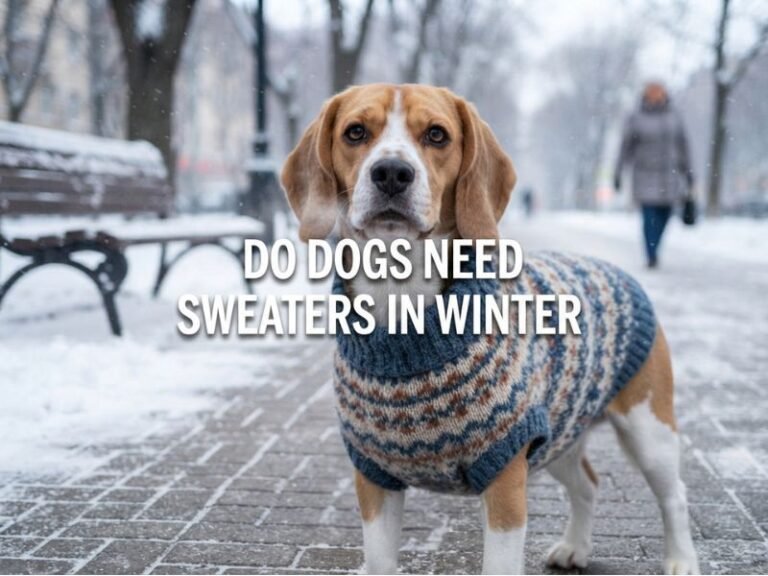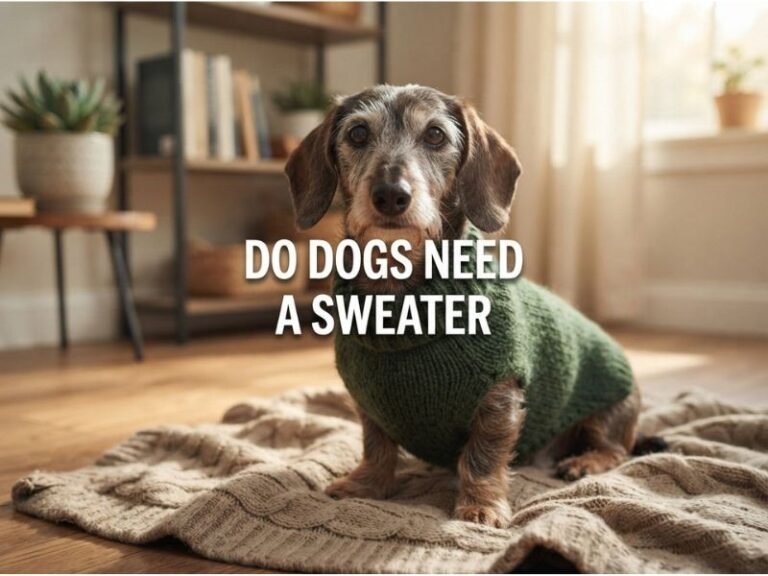
Do Dogs Need Sweaters in Cold Weather: Practical Guide and Tips
At 20 degrees Fahrenheit, a thick-coated Husky may trot happily through fresh snow while a short-haired Chihuahua shivers after a few minutes outside. The same temperature can feel completely different to two dogs, so a sweater is not automatically necessary—or automatically unnecessary—for every pet.
If you have wondered, do dogs need sweaters in cold weather, the most accurate answer is: sometimes. A dog’s breed, size, age, health, coat, activity level, wind exposure, and time outdoors all matter. I use those factors together rather than relying on a single temperature number.
This guide explains which dogs benefit from sweaters, how to recognize cold stress, how to choose and fit clothing, and which common mistakes can make winter gear uncomfortable or unsafe. It also helps you decide when a sweater is useful and when a warm indoor rest is the better solution.
Which Dogs Benefit Most From Sweaters?
Dogs are more likely to need extra insulation when they have little body fat, a thin or short coat, a small body, or limited ability to regulate body temperature. A sweater can reduce heat loss during brief outdoor trips, especially in cold wind or damp conditions.
Dogs that commonly benefit include:
- Small and toy breeds, such as Chihuahuas, Italian Greyhounds, Toy Poodles, and Yorkshire Terriers.
- Short-haired or thin-coated breeds, including Boxers, Doberman Pinschers, Greyhounds, and French Bulldogs.
- Hairless dogs, which have little natural insulation.
- Lean dogs with very little body fat, including many sighthounds.
- Puppies whose temperature regulation is still developing.
- Senior dogs, particularly those with reduced mobility or arthritis.
- Dogs recovering from illness, surgery, or significant weight loss, when a veterinarian agrees that added warmth is appropriate.
Individual preference matters, too. Some dogs clearly seek blankets, curl up beside heaters, or shiver during ordinary winter walks. Others remain comfortable and active in conditions that make a different dog miserable. I pay attention to the dog’s behavior instead of assuming that breed alone provides the answer.
A sweater is usually most useful for a calm dog on a walk, a dog waiting outdoors briefly, or a pet moving between a warm home and cold conditions. It is less important for a healthy, active dog with a dense insulating coat who is exercising normally.
Dogs That Often Do Not Need Sweaters
Many healthy adult dogs with thick double coats are naturally equipped for cold weather. Breeds such as Siberian Huskies, Alaskan Malamutes, Bernese Mountain Dogs, and many other cold-adapted dogs may stay comfortable without clothing during ordinary outdoor activity.
That does not mean a heavy-coated dog can never get cold. Wet fur loses insulating ability, strong wind increases heat loss, and prolonged exposure can overwhelm even a well-insulated dog. A thick-coated dog may also need protection after a close haircut or during an unusually severe cold snap.
Clothing can be unnecessary or uncomfortable when a dog is:
- Running actively and generating substantial body heat.
- Wearing a dense coat in mild winter weather.
- Indoors in a comfortably heated home.
- Trying to escape, scratch, or chew the garment.
- Panting heavily, acting restless, or showing other signs of overheating.
I would not dress a dog simply because the calendar says winter. The goal is comfortable temperature regulation, not maximum layering.
How Cold Weather Affects Dogs
Cold stress occurs when a dog loses heat faster than the body can replace it. A sweater adds a layer of insulation, but it does not make a dog immune to cold injury. Temperature is only one part of the exposure.
Wind and moisture
Wind removes the warm air trapped near the body making outdoor conditions feel colder than the thermometer suggests Rain sleet and melting snow can soak the coat and draw heat away even faster A water-resistant outer layer.
Size and body condition
Small dogs generally lose body heat faster than large dogs because they have more surface area relative to their body mass. Very lean dogs also have less body fat available for insulation. However, extra body weight should never be treated as a substitute for safe winter care; obesity creates its own health risks.
Age and health
Puppies, senior dogs, and dogs with certain medical conditions may not adjust to cold as efficiently as healthy adults. Arthritis can make cold weather especially uncomfortable because stiff joints may hurt more when a dog stands, walks, or rests on a cold surface.
Dogs with heart disease, endocrine disorders, diabetes, a weakened immune system, or a history of poor temperature regulation deserve individualized advice. A sweater may be appropriate, but it should not replace veterinary guidance or treatment.
Acclimation and activity
A dog that gradually spends time outdoors may tolerate cold better than a dog moved suddenly from a warm house into freezing conditions. Exercise also increases heat production. A dog standing still on a porch, sitting in a car, or waiting during an outdoor event can become cold much sooner than a dog walking briskly.
Signs Your Dog May Be Too Cold
Behavior is often the fastest way to identify discomfort. A dog may not cry or visibly tremble right away, so I look for changes from the animal’s normal behavior.
- Shivering or trembling.
- Lifting paws repeatedly or refusing to walk.
- Hunching the back, tucking the tail, or holding the body rigid.
- Whining, barking, seeking shelter, or trying to return indoors.
- Slowing down, appearing weak, or becoming unusually quiet.
- Cold ears, paws, or body skin accompanied by behavioral changes.
- Confusion, stumbling, extreme sleepiness, or collapse.
Persistent shivering is a clear reason to end the outing and warm the dog gradually Bring the dog inside remove wet clothing dry the coat and provide a.
Severe weakness confusion collapse pale or gray gums trouble breathing or a dog that does not improve after being warmed requires urgent veterinary attention These signs can indicate.
Signs a Sweater Is Making Your Dog Too Warm
Overheating is possible even in winter, particularly indoors or during vigorous exercise. A sweater should help a dog remain comfortable, not force the dog to tolerate excessive heat.
Remove the garment and reassess if your dog is panting heavily, drooling more than usual, acting agitated, repeatedly trying to remove the sweater, or developing hot, damp skin beneath it. Weakness, vomiting, disorientation, collapse, or very rapid breathing can indicate a serious heat-related problem and warrants immediate veterinary care.
Do not leave a sweater on continuously without checking the dog. A pet may become warm after entering a heated home, and a garment can hide dampness, skin irritation, matting, or pressure points. I treat clothing as temporary equipment rather than a permanent replacement for a suitable environment.
Choosing the Right Dog Sweater
The best sweater is warm enough for the conditions, comfortable during movement, and easy to remove. A soft-looking garment is not necessarily a safe or useful one.
Prioritize fit
A sweater should cover the dog’s chest and back without restricting the neck, shoulders, legs, or breathing. It should not press against the throat, drag on the ground, bunch behind the front legs, or interfere with urination and defecation.
Measure the dog according to the manufacturer’s instructions. Useful measurements may include neck circumference, chest girth, and back length from the base of the neck to the base of the tail. Breed-based sizing is only a starting point because dogs of the same breed can have very different body shapes.
You should be able to slide a couple of fingers comfortably between the garment and the dog’s body, but the sweater should not hang loosely enough to catch on branches, furniture, crates, or another dog. Recheck fit after grooming, weight changes, or growth.
Consider the material
Fleece, wool blends, cotton, and synthetic fabrics each have different strengths. Fleece is light and often dries quickly. Wool can provide warmth but may irritate some skin and can become heavy when wet. Cotton is comfortable in mild, dry conditions but is not an ideal choice for prolonged exposure to cold moisture because it holds water.
For rain, sleet, or wet snow, a water-resistant coat may be more suitable than a knitted sweater. In severe weather, a layered approach may work better: a warm insulating layer underneath a properly fitted weather-resistant shell. Layers must not become so bulky that movement or harness use is restricted.
Check construction
Look for secure seams, smooth edges, and closures that do not rub. Avoid loose strings, dangling decorations, small detachable pieces, and exposed fasteners that a dog could chew or swallow. A high-visibility color or reflective detail can improve visibility during dark winter walks, but it does not replace a leash or supervision.
Harness compatibility is important. Some sweaters cover the usual harness attachment point, forcing the leash to pull against the clothing or neck. A coat with a safe leash opening can be useful, but I still inspect the opening and hardware before every walk.
How to Introduce a Sweater
A dog that dislikes clothing may need a gradual introduction. Forcing a garment over the head and immediately going outside can create fear, resistance, or unsafe movement.
- Let the dog sniff the sweater while it rests on the floor.
- Offer a treat for calmly looking at or approaching the garment.
- Touch the sweater to the shoulder or back, then reward relaxed behavior.
- Put it on for a few seconds indoors and remove it before the dog becomes upset.
- Increase the wearing time slowly while providing praise or treats.
- Practice walking, sitting, turning, and lying down inside.
- Try a short outdoor trip only after the dog moves comfortably indoors.
Stop if the dog freezes panics bites at the garment or cannot walk normally A different design may solve the problem Some dogs dislike sleeves while others dislike.
How Long Can a Dog Wear a Sweater?
There is no universal safe wearing time because comfort depends on the garment indoor temperature activity and the dog s condition A healthy dog may wear a sweater.
Take regular breaks to inspect the skin and coat. Check behind the front legs, around the neck, along the chest, and anywhere a seam or closure touches the body. Look for redness, dampness, rubbing, hair matting, or pressure marks.
Remove the sweater for sleep unless a veterinarian specifically recommends otherwise. Unsupervised clothing can catch on objects, become wet, restrict movement, or create a chewing hazard. It can also mask signs that the dog is too warm or developing a skin problem.
Wash and dry the garment as directed. A damp or dirty sweater can hold bacteria, irritate the skin, and lose its insulating performance. Have a second clean layer available if the dog needs clothing regularly during wet weather.
Winter Safety Beyond Sweaters
A sweater addresses only one part of cold-weather care. Safe winter routines also protect the paws, coat, hydration, and living environment.
Protect the paws
Ice, frozen ground, salt, and chemical deicers can cause irritation or cracking. Some dogs tolerate booties, while others do better with a protective paw balm recommended for canine use. After every walk, wipe the paws and inspect between the toes for ice balls, cuts, redness, or lodged debris.
Do not allow a dog to lick large amounts of deicing products from the ground or paws. Store ice-melt products securely and use pet-safe options carefully; “pet-safe” does not mean harmless if swallowed in quantity.
Keep the coat dry
Towel-dry the dog after rain or snow, paying attention to the belly, feet, and areas beneath clothing. Brush out packed snow rather than pulling at it. A wet sweater should come off promptly and be replaced only after it is fully dry.
Limit dangerous exposure
Never leave a dog unattended in a parked car during cold weather. Cars can become dangerously cold, and a pet cannot move away from drafts or seek adequate shelter. Outdoor dogs need reliable access to a dry, insulated shelter, unfrozen water, and protection from wind, but prolonged extreme cold can still be unsafe even with shelter.
Plan shorter walks when conditions are severe. Several brief outings may be safer than one long exposure, especially for a puppy, senior dog, small dog, or dog with a thin coat. Keep the dog leashed around frozen ponds, lakes, and rivers because ice may not support the animal’s weight.
Use winter chemicals carefully
Antifreeze is highly toxic to dogs, and even a small amount can be fatal. Clean spills immediately, keep containers secured, and contact a veterinarian or animal poison resource right away if ingestion is possible. Do not wait for symptoms.
Common Sweater Mistakes to Avoid
A few well-intentioned choices can create more risk than benefit.
- Using one temperature cutoff for every dog: A single number cannot account for breed, wind, moisture, activity, age, or health.
- Choosing a garment that is too tight: Tight clothing can restrict breathing, movement, circulation, or bathroom use.
- Choosing a garment that is too loose: Loose fabric can snag, trip the dog, or become a chewing hazard.
- Leaving clothing on without supervision: Dogs can overheat, become trapped, or damage the garment.
- Ignoring wet fabric: A soaked sweater may increase heat loss and rub against the skin.
- Putting a sweater on an already overheated dog: Panting and agitation call for cooling and assessment, not another layer.
- Assuming a sweater replaces a coat: Clothing cannot compensate for inadequate shelter or prolonged exposure.
- Using human products without checking ingredients: Some lotions, balms, and deicers contain substances harmful to dogs.
- Skipping veterinary advice for a medically vulnerable dog: A sweater may help comfort, but an underlying disease still needs proper management.
Cold-Weather Decisions by Situation
For a quick bathroom break
A healthy medium or large dog with a normal coat may not need clothing for a brief bathroom trip in dry calm weather A tiny thin-coated elderly or.
For a winter walk
Assess wind, precipitation, ground conditions, and the dog’s pace. A short-haired dog walking slowly may need insulation, while a thick-coated dog running actively may not. Stop if the dog begins lifting paws, shivering, slowing, or trying to turn around.
For snow play
Snow can be enjoyable, but packed ice may collect between paw pads and wet fur can chill the body. Choose clothing that allows free movement, check the dog frequently, and take indoor warming breaks. Do not assume energetic behavior means the dog is comfortable; excitement can temporarily mask fatigue.
For a senior or arthritic dog
Warmth may make movement more comfortable, but slippery sidewalks and icy stairs can be more dangerous than cold air alone. Use traction where possible, shorten walks, and ask a veterinarian about pain control if stiffness has increased. A sweater should never fit so tightly that it limits shoulder or leg movement.
For a dog with a recently shaved coat
Clipping can remove natural insulation and expose skin to cold and sun. A soft, well-fitted layer may help during the regrowth period. Keep the dog indoors during extreme conditions and monitor for rubbing or skin irritation because recently clipped skin can be especially sensitive.
Frequently Asked Questions
Do dogs need sweaters in cold weather at a specific temperature?
No single temperature applies to every dog. A small, short-haired, elderly, or sick dog may need extra warmth in conditions that a healthy, thick-coated dog handles comfortably. Wind, rain, snow, activity level, and exposure time can matter as much as the air temperature.
Should small dogs wear sweaters outside in winter?
Many small dogs benefit from a sweater or coat because their small bodies can lose heat quickly. Observe the individual dog for shivering, paw lifting, reluctance to move, or attempts to return indoors. The garment should fit correctly and be removed when the dog becomes warm.
Do puppies need sweaters in cold weather?
Puppies can be more vulnerable to cold because their temperature regulation is still developing. A sweater may help during short, supervised outings, particularly for a small or thin-coated puppy. Keep outdoor sessions brief in severe weather and ask a veterinarian for guidance if the puppy is very young or unwell.
Do dogs with thick coats need sweaters?
Usually not for ordinary, active outdoor exercise in dry conditions. Thick-coated dogs can still become cold when wet, exposed to strong wind, inactive for a long time, or dealing with illness or a recently shortened coat. Monitor behavior instead of relying only on the breed’s reputation.
Can a dog sleep in a sweater?
It is generally safer to remove a sweater during sleep unless a veterinarian gives a specific reason to leave it on. Unsupervised clothing can overheat the dog, catch on objects, restrict movement, or hide moisture and skin irritation.
Is shivering always a sign that a dog needs a sweater?
Shivering commonly indicates cold, but it can also result from fear, pain, illness, or other problems. Bring the dog indoors, assess the situation, and see whether the shivering stops after gradual warming. Persistent or severe shivering deserves veterinary attention.
Are dog sweaters safe for dogs with skin allergies?
They can be, but fabric, seams, moisture, and trapped heat may worsen irritation. Choose a smooth, breathable material, keep the garment clean and dry, and inspect the skin frequently. Ask a veterinarian before using clothing over an active rash, wound, or surgical site.
Should a dog wear a sweater indoors during winter?
Most dogs do not need a sweater in a normally heated home. A dog that is consistently cold indoors, losing weight, unusually tired, or seeking heat may need a veterinary examination rather than simply an extra layer. Clothing can provide temporary comfort, but it does not identify or treat the underlying cause.
Conclusion
So do dogs need sweaters in cold weather Some do particularly small thin-coated young senior lean or medically vulnerable dogs while many healthy dogs with dense coats remain.