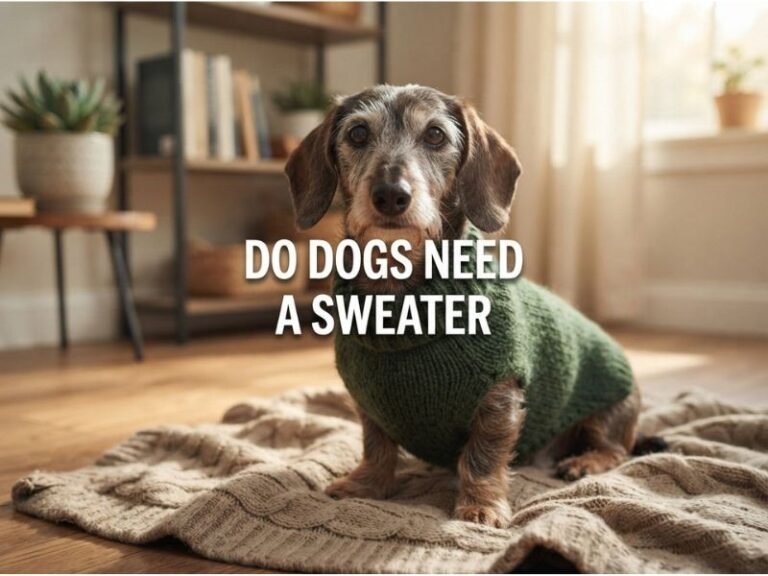
Do Dogs Need Sweaters in Winter: What to Know and Why It Matters
A sweater can look like a sensible solution when a dog shivers on a cold walk, but extra clothing is not automatically helpful for every dog. Some dogs genuinely lose body heat quickly, while others have enough insulation from their coat and may become uncomfortable or overheated in a sweater.
I find the most useful way to answer “do dogs need sweaters in winter” is to look at the individual dog, the weather, the activity, and the clothing itself. Breed, body size, age, health, coat type, wind, moisture, and time outdoors all matter more than a single temperature number.
Below, I explain which dogs are most likely to benefit, how to recognize cold stress, how to choose and use a sweater safely, and when clothing should not replace veterinary care.
Do dogs need sweaters in winter?
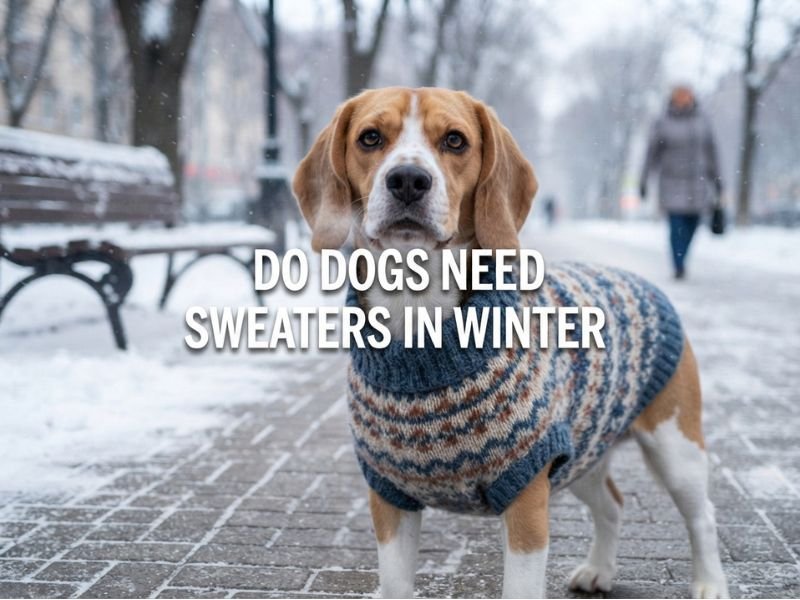
Some dogs need or benefit from sweaters in winter, but not all dogs do. A sweater can help a small, thin-coated, short-haired, lean, elderly, or medically vulnerable dog stay comfortable during brief outdoor trips. A healthy dog with a dense double coat may already have excellent natural insulation and may not need additional clothing.
A sweater is most useful when it supports the dog’s comfort without restricting movement, trapping moisture, or causing overheating. It is not a substitute for shelter, proper exercise decisions, dry bedding, or treatment of a health problem.
Temperature alone cannot determine whether a dog needs a sweater. A damp, windy day can feel much colder than a dry, calm day at the same air temperature. A dog standing still may get cold faster than a dog walking briskly, but intense activity can also cause a clothed dog to overheat.
I recommend treating clothing as an individual comfort tool rather than a winter requirement. Watch the dog’s behavior before, during, and after going outside. That pattern is usually more useful than comparing the dog with another breed or relying on a universal “safe” temperature.
Which dogs are more likely to need a sweater?
Dogs vary widely in their ability to retain body heat. The following groups are more likely to appreciate or require an extra layer during cold weather.
Small and toy breeds
Small dogs have a greater surface-area-to-body-mass ratio than large dogs, so they can lose heat relatively quickly. Toy breeds also tend to be closer to the cold ground, pavement, and snow. A Chihuahua, Yorkshire Terrier, Toy Poodle, or similar small dog may become uncomfortable sooner than a large, heavily coated dog.
Small size does not automatically mean a sweater is necessary. A lively small dog with a thick coat may tolerate cold better than a larger but thin-coated dog. Still, body size is an important reason to monitor a dog closely.
Short-haired and thin-coated dogs
Dogs with very short, fine, or sparse coats have less natural insulation. Examples include Greyhounds, Whippets, Doberman Pinschers, Boxers, and many short-haired mixed-breed dogs. Lean body condition can make cold exposure harder because there is less insulation beneath the skin.
Dogs with shaved or closely clipped coats may also need temporary protection. Hair may be removed for medical treatment or grooming, but it can take time to grow back. A sweater can help during that period, provided the skin is healthy and the garment does not rub sensitive areas.
Puppies and senior dogs
Puppies may have more difficulty regulating body temperature, particularly very young puppies or puppies that are small, sick, or not yet acclimated to cold weather. Older dogs can also be more vulnerable because aging, arthritis, reduced muscle mass, or illness may affect their ability to stay warm and move comfortably.
A sweater may make a senior dog more comfortable on a short outing, but clothing should not hide worsening stiffness, weakness, or reluctance to walk. If a previously active older dog suddenly seems cold or tired, I would consider a veterinary examination rather than assuming the weather is the only cause.
Underweight or medically vulnerable dogs
Dogs that are underweight, recovering from illness, or affected by conditions that reduce body insulation may need more protection. Some dogs with endocrine disease, poor circulation, or other health concerns may be less tolerant of cold.
A veterinarian can provide more useful advice for a dog with a health condition than a general clothing rule can. A sweater may support comfort, but it cannot correct low body temperature caused by illness or replace a prescribed treatment plan.
Dogs that are clipped or recently groomed
A dog that normally has a long coat may feel colder after a close haircut. This is especially relevant for dogs that spend time outdoors in winter or live in a cold home. The garment should be soft, breathable, and easy to remove if the dog becomes warm.
Which dogs may not need sweaters?
Many healthy dogs remain comfortable without clothing. Dogs with dense double coats, such as Siberian Huskies, Alaskan Malamutes, Bernese Mountain Dogs, and some heavily coated herding breeds, often have substantial natural insulation. Their coats can trap warm air and protect the skin from cold conditions.
However, a thick coat does not make a dog invulnerable. Wind, wet snow, freezing rain, prolonged exposure, exhaustion, and poor shelter can still create danger. A heavily coated dog may also become cold if the fur is soaked or packed with ice.
Some dogs simply dislike clothing. If a dog freezes, scratches constantly, chews at the garment, walks awkwardly, or shows clear distress, the sweater may be causing more trouble than it solves. For that dog, shorter outings, dry shelter, paw protection, or a warmer indoor environment may be better solutions.
Dogs can also overheat in sweaters, especially indoors, in a heated car, or during vigorous activity. A dog that pants heavily, seeks cool surfaces, drools more than usual, or seems restless may need the sweater removed immediately.
How cold weather affects dogs
Dogs maintain a stable internal body temperature through metabolism, blood-flow changes, muscle activity, and insulation from body fat and fur. Cold conditions increase the demand on those systems. Wet fur, wind, and contact with cold surfaces can speed heat loss.
Hypothermia means an abnormally low body temperature. It can develop after prolonged exposure to cold, particularly in small, wet, young, elderly, or ill dogs. Frostbite is tissue damage caused by freezing and most often affects exposed areas such as the ears, tail, paws, and toes.
Early cold stress may look subtle. A dog may slow down, lift the paws, tuck the tail, hunch the body, seek shelter, or repeatedly look toward home. Shivering is one possible sign, but a dog can be dangerously cold without dramatic shaking.
More serious signs include marked weakness, confusion, unusual sleepiness, pale or gray skin, trouble walking, slow breathing, or collapse. Those signs require prompt veterinary attention. Move the dog to a warm, dry place and contact a veterinarian rather than relying on a sweater to solve the problem.
Signs a dog may be too cold
- Shivering or trembling that continues after gentle activity
- Reluctance to walk, play, or leave a warm area
- Lifting one or more paws repeatedly
- Hunched posture, tucked tail, or seeking to hide
- Whining, barking, or unusual anxiety outdoors
- Cold ears, paws, or body skin along with behavioral changes
- Weakness, stumbling, confusion, or extreme tiredness
Behavior should be considered in context. A dog may lift a paw because ice, salt, or a sharp object is stuck between the toes, not only because the dog is cold. A dog that refuses to walk may have arthritis or an injury. If the reaction is new, severe, or persistent, I would check the paws and contact a veterinarian when appropriate.
Never force a dog to remain outside to “get used to” cold weather. Acclimation can help some healthy dogs tolerate seasonal changes, but it does not eliminate individual limits or protect a vulnerable dog from exposure.
How to choose a safe dog sweater
The best sweater is warm enough for the situation, comfortable against the skin, and simple to put on and remove. A practical garment should cover the chest and back without interfering with the dog’s legs, neck, tail, or bathroom habits.
Get the fit right
Measure the dog according to the manufacturer’s instructions, usually around the widest part of the chest, along the back, and sometimes around the neck. Weight-based sizing is only a starting point because dogs with the same weight can have very different proportions.
The sweater should lie flat rather than twist or pull. I look for enough room to slide a couple of fingers beneath snug areas, while avoiding large gaps that let cold air in. The dog should be able to walk, sit, lie down, turn the head, and eliminate normally.
Check the garment again after several minutes of movement. Fabric can shift under the armpits or around the neck, creating pressure or chafing that is not obvious when the dog is standing still.
Choose suitable materials
Fleece, wool blends, and other warm fabrics can work well for dry conditions. Breathable materials are generally preferable to heavy, poorly ventilated fabric. If a dog has sensitive skin, look for a soft lining and inspect the skin after use.
A sweater is not necessarily waterproof. In rain, wet snow, or sleet, a water-resistant outer layer may be more useful, but it still needs to allow normal movement and ventilation. Wet clothing can make a dog colder, so remove it and dry the dog as soon as the outing ends.
Consider visibility and safety features
Winter brings shorter daylight hours. Reflective trim or a highly visible color can make a dog easier to see near roads and driveways. Reflective material improves visibility, but it does not replace a secure leash, identification, or supervision.
Avoid loose strings, dangling decorations, small detachable pieces, and fasteners that could catch on branches or fencing. A dog that tends to chew clothing should be supervised closely, since swallowed fabric or hardware can create a medical emergency.
How to introduce a dog to a sweater
Many dogs need time to understand clothing. I would start indoors with the sweater placed near the dog, allowing the dog to sniff it without pressure. Calm behavior can be followed by praise or a small treat.
Next, put the garment on for a short period while the dog is relaxed. Check that the fit is comfortable, then remove it before the dog becomes frustrated. Repeat gradually and pair the experience with something positive, such as quiet play or a meal.
Do not chase, wrestle, or force a frightened dog into clothing. Signs of stress can include freezing, crouching, lip licking, repeated yawning, escape attempts, or intense scratching. If the dog cannot settle, try a different design or skip the sweater and use another form of cold-weather management.
Once the dog accepts the garment indoors, try a brief outdoor trip. Observe walking, toileting, leash movement, and body language. A dog that seemed comfortable in the house may move differently outside, particularly on snow or ice.
When a sweater is not the best solution
A sweater addresses only one part of cold-weather comfort: insulation around the body. It may not help with wet paws, icy ground, wind exposure, or a dog that needs medical attention.
Protect paws separately
Snow, ice, deicing salt, and chemical deicers can irritate or injure paw pads. Ice can also form between the toes, especially on dogs with hairy feet. After a winter walk, inspect the pads and the spaces between the toes, then wipe and dry the feet.
Boots may help some dogs, but they require the same gradual introduction and careful fit as sweaters. They should not be tight, loose enough to slip off, or worn so long that the paws become damp and irritated.
Keep the dog dry
Dry fur provides better insulation than soaked fur. A towel, covered entry area, and prompt drying can be as important as a sweater. Pay attention to the belly, chest, feet, and areas where snow collects.
Limit exposure
Shorter outdoor sessions may be safer than relying on heavier clothing during severe weather. Provide a warm indoor resting place and avoid leaving a dog unattended outside in freezing conditions. Wind chill, precipitation, and the dog’s activity level can change comfort quickly.
Do not use clothing to hide a health problem
Cold intolerance can sometimes be confused with pain, weakness, poor circulation, or illness. A dog that suddenly seeks warmth, shivers indoors, loses energy, or changes eating and bathroom habits should be evaluated if the symptoms persist or seem concerning.
Common winter sweater mistakes
- Using one temperature rule for every dog: A single cutoff cannot account for breed, size, coat, wind, moisture, activity, or health.
- Leaving the sweater on all day: Continuous wear can cause overheating, skin irritation, matting, or hidden dampness.
- Putting a wet sweater back on: Moist fabric may increase heat loss and irritate the skin.
- Choosing style over fit: Decorative elements do not matter if the garment restricts movement or rubs the dog.
- Ignoring indoor conditions: A dog may need a sweater outdoors but become too warm inside a heated home.
- Assuming shivering is the only warning sign: Quiet withdrawal, paw lifting, and reluctance to move can also indicate discomfort.
- Forcing a dog to wear clothing: Fear or resistance is a reason to pause and reassess, not to increase pressure.
- Failing to check the skin: Look for redness, hair loss, dampness, sores, or pressure marks after removing the sweater.
When to call a veterinarian
Contact a veterinarian promptly if a dog shows weakness, confusion, collapse, difficulty breathing, severe lethargy, or other signs that could indicate hypothermia or a serious medical problem. Gentle warming and professional guidance are safer than aggressive home treatment.
Veterinary advice is also appropriate for a dog with a chronic illness, very low body weight, poor circulation, or unusual sensitivity to cold. A clinician can help distinguish ordinary winter discomfort from pain or disease.
If a dog develops red, swollen, pale, gray, blistered, or painful skin after cold exposure, ask for veterinary advice. Frostbite damage may not be obvious immediately. Avoid rubbing affected tissue or applying very hot water, heating pads, or direct high heat.
FAQ: do dogs need sweaters in winter?
Do all dogs need sweaters in winter?
No. Healthy dogs with dense coats often do not need sweaters for ordinary cold-weather outings, while small, short-haired, lean, elderly, or medically vulnerable dogs may benefit from one. The dog’s behavior and the conditions matter more than a universal rule.
What temperature is too cold for a dog without a sweater?
There is no reliable temperature that applies to every dog. Wind, wetness, coat type, body size, age, health, and activity change cold tolerance. Start with brief outings, watch closely for discomfort, and shorten the trip when conditions become severe.
Can dogs wear sweaters indoors?
Some dogs may need a light layer in a genuinely cold indoor environment, but many become too warm in a heated home. Remove the sweater if the dog pants, seems restless, seeks cool surfaces, or feels hot under the garment. Never use clothing as a reason to keep a dog in an uncomfortable temperature.
Should a dog wear a sweater in snow or rain?
A sweater can provide insulation in dry cold, but it may become wet in snow or rain. For precipitation, a well-fitting water-resistant coat may be more appropriate. Remove wet clothing promptly, dry the dog, and check the skin and paws.
Can a dog sleep in a sweater?
Usually, it is better to remove a sweater for sleep unless a veterinarian has recommended otherwise. Unsupervised clothing can cause overheating, chewing, tangling, or pressure. A warm bed, blanket, and draft-free sleeping area are safer ways to improve comfort for most dogs.
How long can a dog wear a sweater?
There is no fixed safe duration for every dog. Use the sweater only while it serves a purpose, supervise the dog, and take it off for regular checks and breaks. Remove it immediately if the dog is hot, distressed, wet, restricted, or developing skin irritation.
Do thick-coated dogs ever need winter clothing?
Yes, in some situations. A thick-coated dog may still need protection after being clipped, getting soaked, becoming ill, or spending too long in severe wind or freezing conditions. A sweater is not automatically appropriate, though, because dense fur can make overheating more likely.
Are dog sweaters safe for puppies and senior dogs?
They can be safe when properly fitted and supervised. Puppies and senior dogs may need extra warmth, but they can also have difficulty communicating discomfort or regulating temperature. Introduce clothing gradually and consult a veterinarian if the dog is very young, frail, ill, or unusually cold.
Conclusion
The best answer to do dogs need sweaters in winter is sometimes, not always. A well-fitted sweater can help a small, short-haired, lean, elderly, clipped, or medically vulnerable dog stay comfortable during cold outings, while a thick-coated dog may need little or no extra insulation. I would judge the decision by the dog’s coat, health, behavior, weather exposure, and ability to stay dry, then remove the garment whenever it causes heat, stress, restriction, or irritation.