Does a Dog Need a Sweater: Key Facts and Helpful Explanations
A thick-coated dog racing through fresh snow can look perfectly comfortable, while a small short-haired dog may shiver on a cool sidewalk. That contrast is why many owners are unsure about clothing: a sweater can be helpful protection, but it is not automatically necessary for every dog.
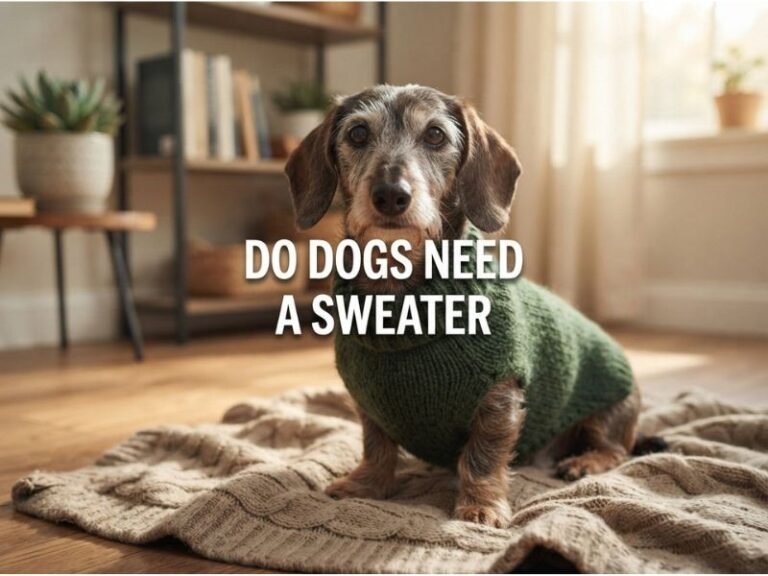
So, does a dog need a sweater? The answer depends on the dog, the weather, the activity, and the individual animal’s health. I would consider body size, coat type, age, medical conditions, wind, moisture, and the length of time outside before choosing one.
This guide explains which dogs are most likely to benefit from a sweater, how to recognize cold stress, how to select and use clothing safely, and when a sweater is the wrong solution.
Does a Dog Need a Sweater?
Some dogs need a sweater for comfort and warmth in cold conditions, while others have enough insulation from their natural coat. A sweater is most useful when a dog loses body heat faster than it can produce it, especially during quiet outdoor time, winter walks, or recovery from illness.
Dogs do not all experience cold in the same way. A healthy Siberian Husky with a dense double coat may tolerate conditions that are uncomfortable for a thin-coated Chihuahua. A senior dog with arthritis may feel chilled even if a younger dog of the same breed seems fine.
I treat a sweater as optional protective equipment rather than a routine fashion item. It should support a dog’s comfort without restricting movement, trapping excessive heat, irritating the skin, or masking signs of a serious problem.
Which Dogs Are Most Likely to Need a Sweater?
A dog’s natural insulation is the first factor to consider. Dogs with little body fat, thin coats, or small bodies generally lose heat more quickly. Dogs that are very young, elderly, ill, or recently groomed may also need extra protection.
Small and toy breeds
Small dogs have a relatively large surface area compared with their body mass, which can make it harder to retain heat. Breeds such as Chihuahuas, Italian Greyhounds, Toy Poodles, Miniature Pinschers, and Yorkshire Terriers may appreciate a sweater in cold weather.
A small dog may become uncomfortable during a short potty break even if a larger dog remains relaxed. This does not mean every small dog must wear clothing. It means body size deserves serious consideration, especially in windy or damp conditions.
Short-haired and thin-coated dogs
Dogs with short, fine, or sparse coats have less natural insulation. Greyhounds, Whippets, French Bulldogs, Boxers, Doberman Pinschers, and many mixed-breed dogs with sleek coats can be sensitive to cold. A sweater may make a noticeable difference during low-temperature walks or indoor periods in a chilly home.
Hairless dogs have even less protection from the environment. They may need clothing outside in cool weather, although clothing cannot replace shade, sunscreen recommended by a veterinarian, or other skin protection when those concerns apply.
Puppies and senior dogs
Puppies may not regulate body temperature as effectively as healthy adult dogs. Very young puppies require especially careful environmental control and should not be exposed to cold for extended periods simply because they are wearing a sweater.
Older dogs may also benefit from extra warmth. Aging, reduced muscle mass, arthritis, and certain health conditions can make cold weather harder to tolerate. I would pay attention to a senior dog’s behavior rather than relying only on the air temperature.
Underweight, recovering, or medically vulnerable dogs
A dog that is underweight may have less insulation than a dog at a healthy body condition. Dogs recovering from surgery or illness may also have different temperature needs. Some medical conditions affect circulation, metabolism, or the ability to regulate body temperature.
A sweater can provide comfort, but it should not be used to manage a medical problem without veterinary guidance. If a dog is losing weight, shivering indoors, acting unusually tired, or showing a sudden change in cold tolerance, I would schedule a veterinary evaluation instead of simply adding layers.
Which Dogs Usually Do Not Need a Sweater?
Many healthy adult dogs with dense, weather-resistant coats do not need sweaters for ordinary winter activity. Breeds such as Siberian Huskies, Alaskan Malamutes, Bernese Mountain Dogs, Newfoundlands, and some other double-coated dogs often have substantial natural insulation.
Coat density is not the only consideration, however. A heavily coated dog can still become cold when wet, exhausted, sick, or exposed to severe wind. Even a well-insulated breed needs access to shelter, dry bedding, fresh water, and a way to leave uncomfortable conditions.
A sweater may also be unnecessary or counterproductive for a dog that is actively running in moderate cold. Exercise generates body heat, and extra clothing can cause overheating or interfere with normal movement. I would observe the dog during activity instead of assuming that more warmth is always better.
How Cold Is Too Cold for a Dog?
There is no single temperature that is unsafe for every dog. Cold tolerance varies with breed, size, coat, age, health, wind, humidity, precipitation, and activity level. A dry, calm day may feel very different from a windy day with freezing rain.
Rather than relying on a universal cutoff, look for the dog’s response and consider the conditions together. A dog that is standing still in a backyard may need protection sooner than the same dog running on a brisk walk. Wet fur can also reduce insulation and increase heat loss.
Signs a dog may be too cold
- Shivering or trembling
- Hunching the body or tucking the tail
- Holding up paws or repeatedly lifting them
- Whining, barking, or appearing anxious
- Refusing to walk or trying to return home
- Slowing down, weakness, or unusual sleepiness
- Seeking heat or pressing against a person
Shivering is a warning sign, not a convenient signal to ignore until the walk ends. I would move the dog to a warm, dry place, remove wet clothing, and contact a veterinarian if signs are severe, persistent, or accompanied by weakness, confusion, pale gums, collapse, or difficulty breathing.
Cold injury and hypothermia concerns
Prolonged cold exposure can contribute to hypothermia and frostbite. The ears, paws, tail, and other areas with limited protection can be vulnerable. A sweater covers only part of the body and does not reliably protect the feet or exposed skin.
If a dog seems profoundly lethargic, uncoordinated, weak, or unresponsive after cold exposure, treat the situation as urgent. Warm the dog gradually with dry blankets and seek veterinary advice. Avoid placing very hot objects directly against the skin.
When Should a Dog Wear a Sweater?
A sweater may be appropriate during short outdoor trips, neighborhood walks, waiting outside, or time spent in a cool indoor environment. It is particularly useful for a thin-coated or small dog that shows signs of discomfort but still needs to go outside.
Weather conditions matter as much as the calendar. A cool autumn evening, a windy winter morning, and a damp spring day can all create different levels of discomfort. I would use the sweater when the dog appears cold or when the conditions are predictably challenging for that specific dog.
During walks
Choose clothing that allows the dog to walk, trot, sit, turn, and relieve itself normally. Watch the dog during the first few minutes. If the dog moves stiffly, scratches repeatedly, freezes, or tries to remove the sweater, stop and reassess the fit and design.
A sweater is not a reason to extend an outdoor outing. It may improve comfort, but the dog still needs breaks from cold, wind, and wet conditions. Shorter walks and indoor exercise may be safer during severe weather.
At home
Some dogs become chilly inside, particularly in homes with cool floors, drafts, or lower nighttime temperatures. A sweater can help temporarily, but a warm bed, draft-free resting area, and appropriate room temperature may be more comfortable and less restrictive.
I would not leave a dog dressed continuously without checking the skin and coat. Clothing can create friction, trap moisture, and hide redness or sores. Remove the sweater for regular grooming, rest periods, and inspection.
After grooming
A dog that has recently had a close haircut may have less insulation than usual. A soft, properly fitted layer can help during the transition, especially in cold weather. The protection should be temporary while the coat grows back and should not replace sensible limits on outdoor exposure.
How to Choose the Right Dog Sweater
The best dog sweater is warm enough for the conditions, comfortable against the skin, easy to put on, and secure without being tight. I would prioritize fit and function over appearance.
Measure before buying
Most clothing manufacturers use different sizing systems, so a breed label is not enough. Measure the dog’s neck, chest, and back according to the product instructions. The chest measurement is especially important because a garment that is too tight around the rib cage can restrict movement or breathing.
A properly fitted sweater should allow normal walking and sitting. You should generally be able to place a couple of fingers between the garment and the dog’s body, but the sweater should not hang loosely enough to catch on objects.
Select suitable materials
Soft fleece, knit fabrics, and insulated materials may work well for different situations. A breathable layer can be useful indoors or during dry walks. Water-resistant outerwear may be more suitable for rain or wet snow, although a raincoat and a warm layer serve different purposes.
Check the fabric for rough seams, stiff edges, loose threads, and fasteners that could irritate the dog or become a chewing hazard. A sweater that becomes wet can leave the dog colder, so remove it and dry the dog promptly.
Check the design
Look for openings that keep the neck and chest comfortable without pressing against the throat. The garment should not interfere with a harness, leash, urination, defecation, or normal tail movement. Avoid dangling straps, decorations, and small detachable pieces that a dog could swallow.
For dogs that dislike clothing over the head, a design with a secure chest closure may be easier. Introduce the garment gradually rather than forcing it on during an already stressful weather event.
How to Introduce a Sweater Safely
Many dogs need time to accept clothing. I would begin indoors by allowing the dog to sniff the sweater and receive a treat nearby. Next, place it against the body briefly, reward calm behavior, and remove it before the dog becomes distressed.
After several short sessions, put the sweater on for a minute or two while supervising. Offer praise, treats, or a familiar activity. Increase the time gradually only if the dog remains relaxed and moves normally.
Some resistance may reflect unfamiliarity, but panic, repeated biting at the garment, freezing, or attempts to escape should not be ignored. Try a different style or stop using clothing and ask a veterinarian or qualified behavior professional for guidance if anxiety persists.
Safety Rules for Dog Sweaters
- Supervise the dog the first several times the sweater is worn.
- Remove the sweater if the dog pants heavily, seems restless, or shows signs of overheating.
- Check the skin, armpits, chest, and neck for rubbing, redness, dampness, or mats.
- Keep the garment dry and wash it according to the care instructions.
- Do not use a sweater as a substitute for shelter or reasonable limits on outdoor time.
- Remove clothing before crate time unless a veterinarian has specifically advised otherwise.
- Do not leave a dressed dog unsupervised around flames, heaters, fences, or other snag hazards.
- Use extra caution with dogs that chew fabric or clothing.
Overheating is possible even in cold weather, particularly in a warm house, a heated car, or during vigorous play. Heavy panting, drooling, weakness, vomiting, or confusion requires immediate attention and removal from the heat. A sweater should make a dog more comfortable, not force the dog to tolerate a temperature it cannot regulate.
Sweaters, Coats, and Other Winter Protection
A sweater usually provides warmth but limited protection from precipitation and wind. A coat may include insulation, a wind-resistant outer layer, or water resistance. A raincoat helps keep fur dry but may not provide meaningful warmth by itself.
For a dog walking in wet, windy weather, a layered approach may be useful if each layer fits safely. However, layering also increases bulk and the risk of overheating or restricted movement. I would choose the simplest garment that meets the actual weather need.
Paw protection deserves separate attention. Ice, snow, salt, and chemical deicers can irritate or injure paw pads. Boots may help some dogs, while others tolerate paw balm and careful rinsing better. Check paws after walks, wash away residue, and dry between the toes.
Common Mistakes to Avoid
Assuming every dog needs the same clothing
A dog’s breed reputation does not tell the entire story. Individual coat density, body condition, age, health, grooming, activity, and behavior all matter. A mixed-breed dog may have characteristics from several coat types, so observation is more useful than a label alone.
Using a sweater to justify longer exposure
Clothing reduces heat loss in some circumstances, but it does not make severe weather harmless. A dog can still develop cold stress, wet fur, frostbite, or paw injuries while wearing a sweater. Keep outdoor sessions appropriate for the conditions and the dog’s tolerance.
Ignoring fit problems
Loose clothing can catch on branches or furniture, while tight clothing can rub, restrict breathing, or limit shoulder movement. Watch the dog walk, turn, sit, and lie down. A garment that looks attractive while the dog is standing may be uncomfortable in motion.
Leaving a sweater on all day
Continuous wear can hide skin problems and contribute to moisture, tangles, or pressure points. Remove the sweater regularly, inspect the dog, and give the skin and coat time without clothing.
Confusing shivering with a clothing problem only
Shivering may result from cold, fear, pain, illness, or another medical issue. If it happens indoors, continues after warming, or appears alongside other changes in behavior, a sweater is not an adequate diagnosis or treatment.
When to Ask a Veterinarian
Ask a veterinarian for individualized advice if a dog has heart disease, respiratory disease, endocrine disease, poor circulation, a very low body weight, or another condition that may affect temperature regulation. Veterinary advice is also sensible for puppies, frail seniors, and dogs recovering from surgery.
Contact a veterinarian promptly if cold exposure is followed by persistent shivering, extreme tiredness, weakness, confusion, pale or bluish gums, slow breathing, collapse, or suspected frostbite. Do not rely on a sweater to manage symptoms that may indicate an emergency.
A sudden need for extra warmth can also be a clue that something has changed medically. I would mention new cold sensitivity during a routine appointment, especially if it occurs with weight loss, appetite changes, coughing, reduced stamina, or altered behavior.
FAQ About Whether Dogs Need Sweaters
Do dogs need sweaters in winter?
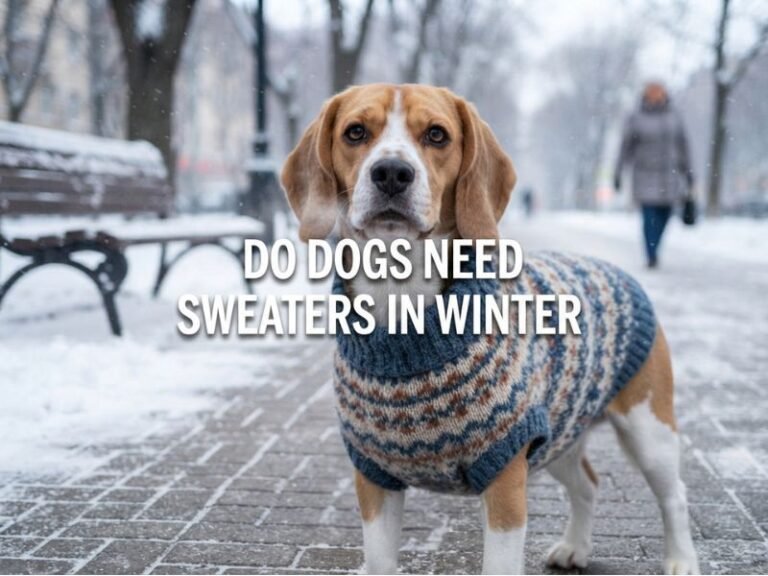
Some dogs do, but not all. Small, short-haired, thin, elderly, young, underweight, or medically vulnerable dogs are more likely to benefit. A healthy dog with a dense coat may not need one during normal activity, although severe wind, wet weather, and prolonged exposure can affect any dog.
How can I tell if my dog needs a sweater?
Look for shivering, hunching, lifting the paws, slowing down, refusing to walk, seeking warmth, or trying to return indoors. Consider those signs along with the dog’s coat, size, age, health, activity, and the weather. If the dog is comfortable and moving normally, a sweater may not be necessary.
Is it safe for a dog to sleep in a sweater?
Usually, it is better to remove a sweater during sleep unless a veterinarian has recommended clothing for a specific reason. Unsupervised clothing can cause overheating, snagging, chewing, or skin irritation. A warm, comfortable bed is often a safer nighttime solution.
Can a dog wear a sweater inside the house?
Yes, a dog may wear one indoors if the home is cool and the garment is comfortable, but monitor for panting, restlessness, or overheating. Remove it regularly to inspect the skin and coat. A draft-free bed or warmer resting area may solve the problem without clothing.
Do double-coated dogs need sweaters?
Many double-coated dogs do not need sweaters for ordinary winter activity because their coats provide substantial insulation. They can still become cold when wet, sick, exhausted, or exposed to severe conditions. Watch the individual dog rather than assuming a double coat makes cold exposure harmless.
Can a sweater prevent hypothermia?
A sweater may reduce heat loss, but it cannot guarantee protection from hypothermia. It does not cover every vulnerable body area and may become wet or ineffective. Limit exposure, provide shelter, and seek veterinary help for serious signs of cold stress.
Should my dog wear a sweater in the rain?
A sweater is not always the best choice for rain because wet fabric can increase discomfort and heat loss. A properly fitted water-resistant coat may work better, followed by thorough drying indoors. The dog should still have a shorter outing if the weather is cold, windy, or severe.
Conclusion
Knowing whether does a dog need a sweater depends on the individual dog and the conditions, not on a universal rule. I would choose a sweater for a dog that is vulnerable to cold or showing clear discomfort, select a safe fit, supervise its use, and remove it if the dog overheats or becomes distressed. Natural coat, body size, age, health, moisture, wind, and behavior all belong in the decision.