How Much Does It Cost to Shave a Cat: Overview and Key Facts
A cat’s grooming bill can range from a modest trim to several hundred dollars, depending on the coat, the cat’s behavior, and the reason shaving is needed. A routine sanitary trim is not priced the same way as removing severe mats or completing a veterinary shave for a medical procedure.
If you are asking how much does it cost to shave a cat a realistic U S estimate is usually 50 to 150 for professional grooming Difficult mat removal sedation mobile service or veterinary care can raise the total to 200 or more I ll explain the typical price ranges what the appointment includes when shaving is appropriate and.
The most important point is that shaving a cat is not always the best solution. A professional may recommend a partial trim, dematting, or a different grooming plan instead of removing the entire coat.
How Much Does It Cost to Shave
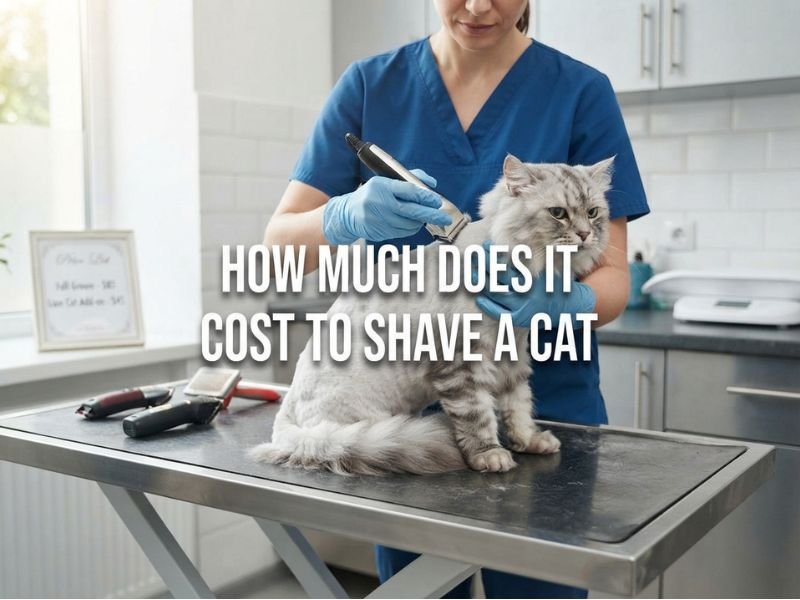
In the United States, a professional cat shave commonly costs between $50 and $150. Many standard appointments fall near $70 to $120, while complex cases can cost substantially more. Prices vary by region, grooming business, coat condition, and the amount of handling required.
| Service type | Typical U.S. price range | What may affect the price |
|---|---|---|
| Basic lion cut or full shave | $50–$120 | Cat size, coat thickness, location, and temperament |
| Long-haired or heavily coated cat | $75–$150 | Extra clipping time, brushing, and finishing work |
| Severe mat removal | $100–$200+ | Skin sensitivity, extensive mats, and additional labor |
| Mobile cat grooming | $100–$250+ | Travel, private equipment, and convenience fees |
| Veterinary grooming or medically necessary shave | $100–$300+ | Examination, sedation, monitoring, and medical complexity |
These are planning ranges rather than guaranteed quotes. A groomer may charge a flat feline grooming fee, an hourly rate, a coat-condition surcharge, or a combination of those methods. I recommend requesting the total estimate before the clippers come out, especially if the cat has mats or may need sedation.
What a Cat Shave Usually Includes
A standard professional appointment may include a coat assessment, clipping, basic brushing, nail trimming, ear cleaning, and a sanitary trim. Some groomers also include a bath and blow-dry, while others price bathing separately because many cats become distressed during that part of the service.
Common types of cat haircuts
- Full shave: Most of the body coat is clipped short, while the head, paws, or tail may be left partially covered.
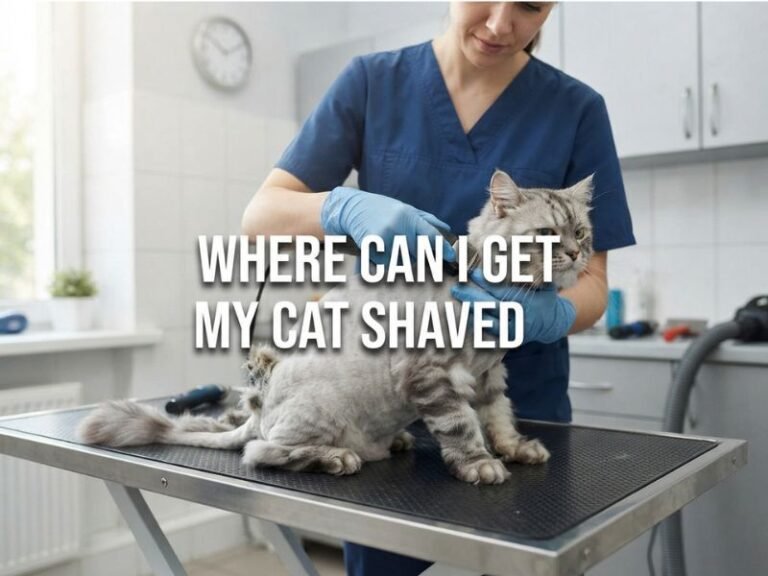
- Lion cut: The body is clipped short, with a fuller mane around the head and sometimes a tuft on the tail and lower legs.
- Sanitary trim: Hair around the rear, genitals, and inner thighs is shortened without removing the entire coat.
- Mat removal: The groomer clips tangled sections or the full coat when brushing cannot safely separate the mats.
- Hygienic or medical trim: Hair is removed from a localized area because of feces, urine, a wound, skin treatment, or a veterinary procedure.
Not every groomer offers every style. A business that specializes in cats may provide more detailed shaping than a general salon, while a mobile groomer may focus on efficient clip-down services. It helps to describe the desired result in plain language and provide a photo if a particular style matters.
Factors That Change the Price
The quoted fee reflects more than the number of inches removed. Cat grooming requires careful handling because a frightened cat can scratch, bite, twist, or stop cooperating without warning.
Coat length and thickness
Long-haired cats generally take more time to clip, comb, and finish than short-haired cats. A dense undercoat can slow the work even when the visible hair does not look extremely long. Persian, Himalayan, Maine Coon, Ragdoll, and other long-coated cats may therefore cost more than a short-haired domestic cat.
Mats and tangles
Mats are one of the biggest reasons a simple grooming quote changes. A small loose tangle may take only a few minutes, but tight mats can cover the belly, armpits, hind legs, or back. Severe mats pull on the skin and may conceal irritation, wounds, fleas, or infection.
Removing them safely can require slow clipping, frequent repositioning, and extra inspection. Some salons apply a dematting fee instead of trying to brush out painful mats. That approach is often safer because aggressive brushing can tear skin or make the appointment more traumatic.
Temperament and handling time
A calm cat can sometimes be groomed quickly. A nervous, reactive, or fearful cat may need breaks, a second handler, or a shorter service. Some salons charge a handling fee when the cat requires unusually long preparation or restraint.
A groomer may stop the appointment if the cat becomes dangerously stressed. Paying for an incomplete service can be frustrating, but stopping may be the responsible choice when continuing creates a meaningful injury risk.
Geographic location
Prices tend to be higher in major metropolitan areas and regions with higher operating costs. Rent, wages, insurance, equipment, and appointment demand all influence grooming prices. A rural salon may quote less than a city-based feline specialist, although availability and travel time can change the practical value.
Mobile grooming
Mobile grooming often costs more because the groomer brings a specialized van or trailer to the home. Typical charges may include travel, fuel, a mobile-service premium, or a minimum appointment fee. The benefit is reduced transportation stress and a private setting, which can help some cats remain calmer.
Mobile service is not automatically better for every cat. The equipment, temperature control, and groomer’s feline experience matter more than the label. I would ask whether the groomer regularly handles cats and what happens if the cat cannot safely complete the haircut.
Bathing and drying
A bath may be optional, included, or separately billed. Cats with oily coats, fecal contamination, skin debris, or a medical shampoo requirement may need bathing. A cat with clean fur may only need clipping and brushing.
Bathing can increase both price and appointment time. It may also increase stress, so a groomer may recommend clipping first and bathing only if there is a clear benefit.
Sedation and veterinary involvement
Most groomers do not administer sedatives. If a cat cannot be safely handled while awake, a veterinarian may need to evaluate the cat and provide sedation or anesthesia. This changes the appointment from ordinary grooming to a veterinary service.
The bill may then include an examination, medication, monitoring, clipping, recovery observation, and any necessary testing. A sedated shave can easily cost $200 to $300 or more, depending on the clinic and medical circumstances. Never give a cat a human calming drug or leftover pet medication without direct veterinary instructions.
Groomer, Mobile Service, or Veterinarian?
The right provider depends on why the coat must be shortened and how safely the cat can be handled.
Professional cat groomer
A cat-focused groomer is usually the most economical choice for a routine lion cut, sanitary trim, or manageable mat removal. Experience with feline body language is especially valuable because cats often react differently from dogs during clipping.
Before booking, ask about feline-only appointments, handling policies, flea findings, matting fees, and whether nail trimming or bathing is included. A groomer should be comfortable explaining when a cat needs veterinary attention instead.
Mobile cat groomer
Mobile grooming may suit cats that panic during car rides or become overwhelmed in a busy salon. It can also be convenient for households with multiple pets. The tradeoff is a higher typical price and sometimes fewer appointment openings.
Ask whether the service takes place inside a climate-controlled vehicle or inside the home. Confirm the cancellation policy, travel fee, and plan for an uncooperative cat.
Veterinary clinic
A veterinary clinic is the better setting when the coat is severely matted, the skin is painful, a wound is hidden underneath, or the cat cannot be safely groomed while conscious. Veterinary care is also appropriate when the shave relates to surgery, wound treatment, dermatitis, fecal contamination, or another health problem.
A clinic may not provide cosmetic haircuts in the same way as a salon. Its priority is safe handling and medical evaluation, not a particular style.
Does a Cat Need to Be Shaved?
Most cats do not need regular full-body shaving. Healthy cats usually maintain their coats through normal grooming, and regular brushing is often a better long-term strategy. Shaving can be useful in specific situations, but it should not be treated as a universal solution for shedding or heat.
Situations that may justify a shave
- Severe mats that cannot be safely brushed apart
- Feces, urine, oil, or another substance stuck in the coat
- Repeated coat contamination caused by limited mobility or illness
- A medical procedure, wound, drain, or topical treatment
- A coat condition that causes discomfort or prevents proper inspection of the skin
Even in these cases, the appropriate haircut may be partial rather than complete. A professional can remove problem areas while preserving as much healthy coat as practical.
Why shaving for summer is not always necessary
People often consider shaving a cat to prevent overheating. Cats regulate body temperature through behavior, hydration, shade, and their coat. A coat also provides some protection from sun exposure, minor scratches, and temperature changes.
That does not mean a cat can never benefit from a short haircut in warm weather. A cat with severe mats or poor self-grooming may be more comfortable after professional clipping. However, providing cool indoor areas, fresh water, ventilation, and regular brushing is usually a more appropriate first step than shaving a healthy coat solely because summer has arrived.
Health and Safety Considerations
Clippers can cause cuts, abrasions, clipper burn, and accidental injury if used carelessly. Cat skin is thin and loose, particularly around the belly, armpits, groin, and inner legs. Mats can pull the skin upward into the clipping path, making home removal especially risky.
There is also a behavioral risk. A stressful appointment can lead to panic, escape attempts, defensive scratching, or a lasting fear of grooming. A skilled professional uses calm handling and knows when a break or referral is necessary.
Skin problems hidden by mats
Once matted hair is removed, the skin may reveal redness, scabs, parasites, moisture damage, sores, or infection. A groomer may point out the problem but cannot diagnose or treat it in place. Veterinary examination is important if the skin looks painful, bleeds, smells unusual, or has discharge.
Sunburn and temperature changes
A newly shaved cat may have less protection from direct sunlight and cold indoor temperatures. Keep the cat indoors, provide a comfortable temperature, and prevent prolonged sunbathing through bright windows. Sunscreen should not be applied unless a veterinarian specifically recommends a cat-safe product and explains how to use it.
Coat regrowth
Hair usually grows back, but the timing varies by individual cat, season, health, age, and coat type. The regrowth may look uneven for a while. Rarely, a coat may grow back slowly or differently after clipping, especially when underlying skin or hormonal problems exist.
Can You Shave a Cat at Home?
Home shaving is possible in limited circumstances, but it is not automatically cheaper or safer. The equipment cost may include quiet clippers, replacement blades, lubricant, combs, grooming restraints, and cleaning supplies. A single difficult session can also result in a cut that requires veterinary treatment.
I would avoid home shaving when the cat has tight mats, a history of biting, painful skin, or strong resistance to handling. Do not use scissors to cut mats close to the skin. A cat can move suddenly, and the skin may be trapped inside the mat.
Lower-risk home grooming
Routine brushing is a more suitable home task for many cats. Begin with short sessions when the cat is calm. Use a brush appropriate for the coat, work slowly, and stop before the cat becomes distressed. Treats can create a positive association, but forcing a long session may make future grooming harder.
For a small loose tangle, a professional groomer can advise whether careful combing is reasonable. If the comb catches repeatedly or the skin cannot be seen, professional removal is safer than escalating pressure at home.
How to Get an Accurate Grooming Quote
Many price disagreements happen because “shave” means different things to different people. A clear request helps the groomer estimate time and supplies accurately.
- State the cat’s breed or coat type and approximate weight.
- Explain whether the cat has mats, and identify where they are located.
- Describe the desired result, such as a full shave, lion cut, or sanitary trim.
- Ask whether bathing, nails, ears, and dematting are included.
- Ask about handling fees, cancellation charges, and possible veterinary referral.
- Confirm whether the quoted price is a range or a maximum total.
- Send current photos if the business uses photo-based estimates.
A useful question is: “What is the expected total if you find more mats than described, and will you call me before adding services?” That gives the groomer permission to work within a clear budget and reduces the chance of a surprise invoice.
Ways to Reduce the Total Cost
The safest savings usually come from preventing severe coat problems rather than choosing the cheapest available clipper service.
- Brush long-haired cats on a consistent schedule suited to their coat.
- Book a small trim before tangles become widespread.
- Choose a cat-specialist salon when the cat has a manageable coat, rather than waiting for an emergency veterinary shave.
- Ask whether a sanitary trim or partial clip solves the problem instead of paying for a full-body style.
- Compare salon and mobile prices, including travel and handling fees.
- Check whether nail trimming or a basic brush-out is included in the quoted price.
- Keep veterinary records available if the cat has a medical condition or past sedation issue.
Price should not be the only comparison. A very low quote may exclude mat removal, bathing, or difficult handling. It may also come from someone without adequate feline experience. A safe, transparent appointment can be less expensive overall than an injury, incomplete service, or emergency follow-up.
Common Mistakes to Avoid
Assuming every groomer charges the same
Cat grooming prices are not standardized. A quote from a general pet salon may not be comparable to a feline-only groomer or veterinary clinic. Compare the exact service, not just the advertised starting price.
Waiting until mats cover the body
Small tangles can become tight mats quickly, especially around friction points. Delaying care generally makes the appointment more expensive and more uncomfortable.
Requesting sedation from a salon
Groomers generally cannot prescribe or administer sedatives. If the cat cannot be safely groomed awake, ask a veterinarian about appropriate options. Sedation is a medical decision, not a shortcut that should be arranged casually.
Shaving without checking the skin
Coat removal can expose problems that require treatment. If the cat has redness, hair loss, odor, scabs, bleeding, or constant scratching, a veterinary assessment may be more appropriate than a cosmetic appointment.
Using human or dog grooming products
Human shampoos and some dog products may irritate feline skin or contain ingredients that are unsafe if licked. Use products recommended for cats, and follow veterinary directions for medicated shampoo.
Frequently Asked Questions
What is the average cost to shave a cat?
The average professional cat shave often falls around $70 to $120 in the United States, with a broader typical range of $50 to $150. Severe matting, mobile service, difficult handling, and veterinary sedation can increase the price to $200 or more.
How much does it cost to shave a matted cat?
Removing mats from a cat commonly costs $100 to $200 or more when the matting is extensive. A few loose tangles may add only a modest fee, but tight mats covering the belly, legs, or back require more time and careful handling.
Is shaving a cat more expensive than grooming a dog?
It can be. Cat grooming may take less time in some cases, but feline handling can be unpredictable, and many groomers charge a specialized cat rate. Severe mats or a cat that needs frequent breaks may make the service more expensive than a routine dog haircut.
How much does a mobile cat shave cost?
A mobile cat shave often costs about $100 to $250 or more. The price usually reflects travel, mobile equipment, convenience, and a private appointment. Ask whether the quote includes a travel fee, mat removal, nails, bathing, and tax.
Can a veterinarian shave a cat, and how much does it cost?
Yes. A veterinarian can shave a cat when the coat problem involves pain, wounds, infection, fecal contamination, surgery, or unsafe handling. A veterinary shave may cost $100 to $300 or more because the bill can include an examination, sedation, monitoring, and medical treatment.
Does cat insurance cover the cost of shaving?
Routine grooming and cosmetic shaving are usually not covered by pet insurance. A shave connected to a covered medical condition may qualify under some policies, but coverage depends on the plan, deductible, exclusions, and medical documentation. Contact the insurer before scheduling nonemergency care.
How often should a cat be shaved?
There is no universal shaving schedule. Most cats do not need regular full-body shaving. A veterinarian or groomer may suggest periodic trims for a cat that repeatedly develops mats, cannot groom properly, or has a recurring hygiene problem. Regular brushing is usually preferable when the coat can be maintained safely.
Should I shave my cat myself to save money?
Home shaving may appear less expensive, but it carries a real risk of skin injury, stress, and incomplete mat removal. I would reserve it for simple situations handled with proper equipment and a cooperative cat. Tight mats, sensitive skin, and aggressive resistance call for a professional.
Conclusion
For most U S households the answer to how much does it cost to shave a cat is approximately 50 to 150 for professional grooming while severe matting.