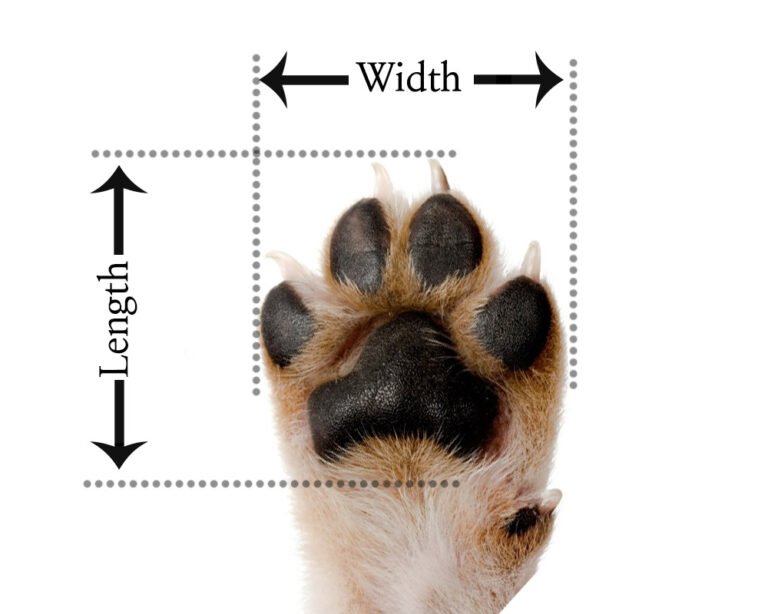
Most dog paw medicines are not intended for human use and should generally be avoided.
Across the United States, many pet owners keep paw balms, ointments, sprays, and medicated treatments at home for cracked or injured dog paws. A common question arises when people notice similar skin problems on their own hands or feet and wonder whether these products are safe to use themselves.
The short answer is that dog paw medicine is formulated for animals, not people. While brief skin contact is often harmless, intentionally using veterinary products on human skin can expose you to ingredients, concentrations, or additives that have not been evaluated for human use. Reading the label and following the manufacturer’s directions is the safest approach.
Source: brcnow.bundaberg.qld.gov.au
What Is Dog Paw Medicine?
Dog paw medicine is a broad term covering paw balms, moisturizers, antiseptic creams, wound treatments, medicated sprays, and veterinary ointments used to protect or heal paw pads.
Different products serve different purposes. Some simply moisturize dry skin, while others contain antibacterial, antifungal, anti-inflammatory, or wound-healing ingredients.
Source: pxhere.com
Paw Balms
Used to moisturize dry or cracked paw pads.
Medicated Ointments
Contain active ingredients to treat infections or injuries.
Why Formulation Matters
Veterinary products are created with animal anatomy, behavior, and safety considerations in mind. A formula safe for a dog may not be appropriate for human skin.
Species Specific
Ingredients and concentrations may differ from human products.
Is Dog Paw Medicine Safe for Humans?
In most cases, dog paw medicine is not recommended for human use. Safety depends on the specific ingredients, concentration levels, and intended purpose of the product.
A simple moisturizing paw balm may present less risk than a prescription veterinary ointment, but that does not automatically make it suitable for human skin. Products intended for pets may not undergo the same testing standards applied to human skin-care products.
Source: stock-free.org
Low-Risk Contact
Brief accidental contact is often not a serious concern.
Intentional Use
Using pet medicine on yourself is generally discouraged.
When Risk Increases
Risk increases when the product contains antibiotics, antifungal agents, steroids, anesthetics, or other medicinal ingredients.
Active Drugs
Medication ingredients can affect people differently than dogs.
Common Ingredients and Human Safety Considerations
Many paw products contain waxes, oils, butters, and moisturizers. Others contain medicinal ingredients designed to fight infection or reduce inflammation.
The ingredient list is the most important factor when evaluating potential human exposure. Even natural ingredients can trigger allergies or irritation in sensitive individuals.
Source: pixabay.com
Beeswax and Oils
Often used for moisturizing and protection.
Medicated Compounds
May require veterinary supervision and are not intended for human treatment.
Watch for Allergies
Fragrances, essential oils, preservatives, and plant extracts may cause reactions in some people.
Patch Reaction
Redness, itching, or burning may indicate sensitivity.
What Should You Do After Accidental Contact?
If dog paw medicine gets on your skin, wash the area with soap and water and monitor for irritation. Most minor exposures do not lead to serious problems.
If the product gets into your eyes, mouth, or an open wound, follow the manufacturer’s instructions and seek medical advice if symptoms develop.
Source: brcnow.bundaberg.qld.gov.au
Wash Thoroughly
Remove residue as soon as practical.
Monitor Symptoms
Watch for rash, swelling, or discomfort.
When to Seek Medical Help
Contact a healthcare professional if you experience severe irritation, breathing difficulty, significant swelling, or signs of an allergic reaction.
Serious Symptoms
Prompt evaluation may be necessary.
Safer Alternatives for Human Skin Problems
If you have dry, cracked, irritated, or injured skin, use products specifically designed and labeled for human use. Human skin-care and wound-care products are tested according to standards intended for people.
Choosing a product made for humans helps ensure proper ingredient selection, labeling, dosage guidance, and safety information.
Source: pxhere.com
Human Moisturizers
Designed for human skin physiology.
Medical Evaluation
Seek professional advice for persistent or worsening conditions.
Avoid Self-Treating With Pet Medicines
Using veterinary products instead of human treatments can delay proper care and make skin problems harder to diagnose.
Correct Diagnosis
The right treatment depends on the underlying cause.
Frequently Asked Questions
Q
Can humans use dog paw balm?
Some paw balms contain simple moisturizing ingredients, but they are still formulated for dogs. Human skin products are generally the safer choice.
Q
What happens if dog paw medicine touches my skin?
Most minor skin exposures do not cause serious problems. Wash the area and monitor for irritation or allergic reactions.
Q
Are veterinary ointments the same as human ointments?
Not always. Veterinary products may contain different ingredients, strengths, and instructions that are specific to animal use.
Q
Can dog paw medicine cause allergies in people?
Yes. Ingredients such as fragrances, essential oils, preservatives, or active medications may trigger allergic reactions in some individuals.
Q
Should I use dog paw medicine on cracked hands?
No. It is generally better to use a moisturizer or treatment intended for human skin and consult a healthcare professional if symptoms persist.
✦ Wrapping Up
Conclusion
The answer to the question is dog paw medicine safe for humans is usually no when it comes to intentional use. While brief accidental contact is often low risk, veterinary products are designed for dogs and may contain ingredients unsuitable for people.
If you need treatment for dry, cracked, irritated, or injured skin, choose products specifically formulated for humans and seek professional medical advice when necessary.
💡 Key Takeaway
Read product labels carefully, avoid using pet medicines on yourself, and choose human-approved treatments for human skin conditions.
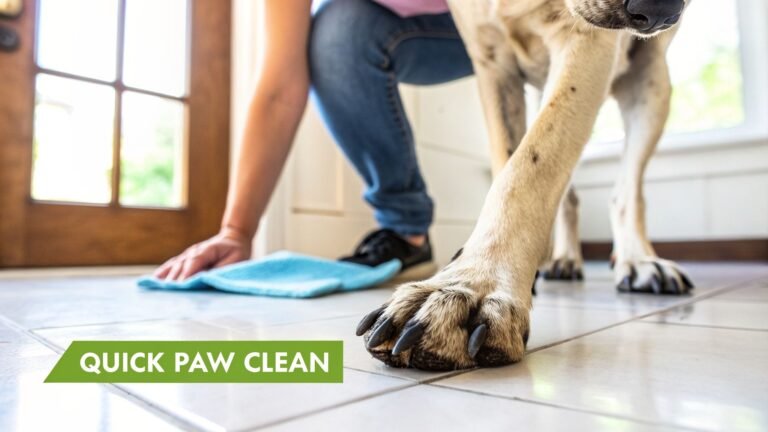
Learn how to clean dog paws after walk safely and effectively. Follow simple steps to remove dirt, mud, salt, allergens, and debris while protecting your dog’s paw health.
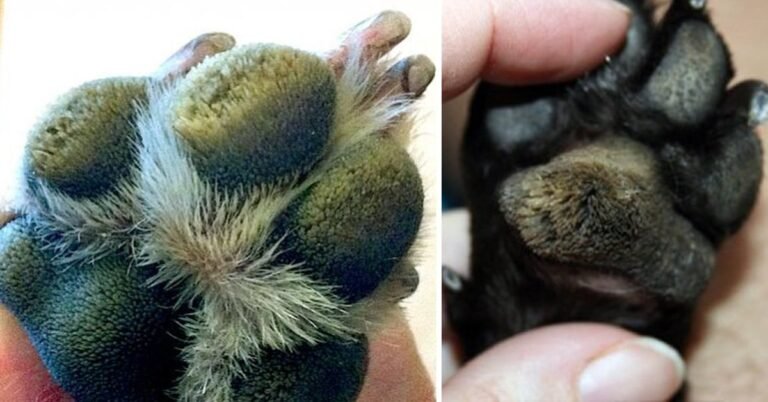
Learn why your dog’s paws may be peeling, from dry skin and allergies to burns, irritation, infection, and hyperkeratosis, plus safe care and vet warning signs.
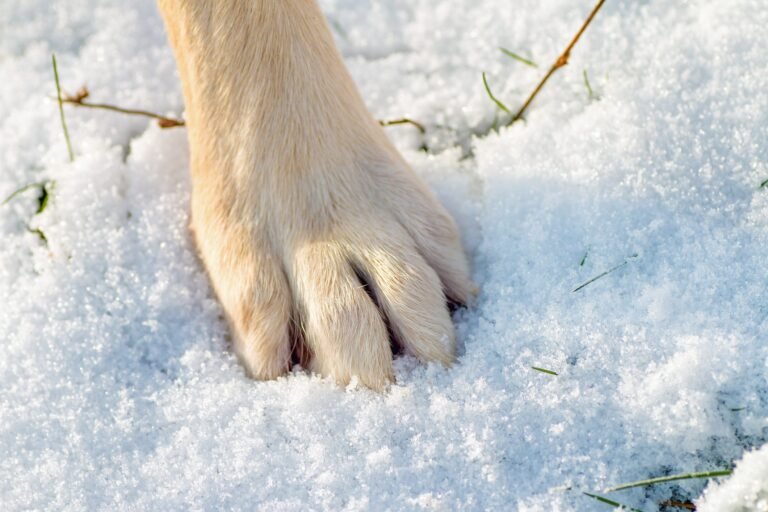
Do dogs paws get cold in the snow? Learn how canine paws handle winter conditions, signs of cold-related injuries, frostbite risks, and ways to protect your dog during snowy walks.