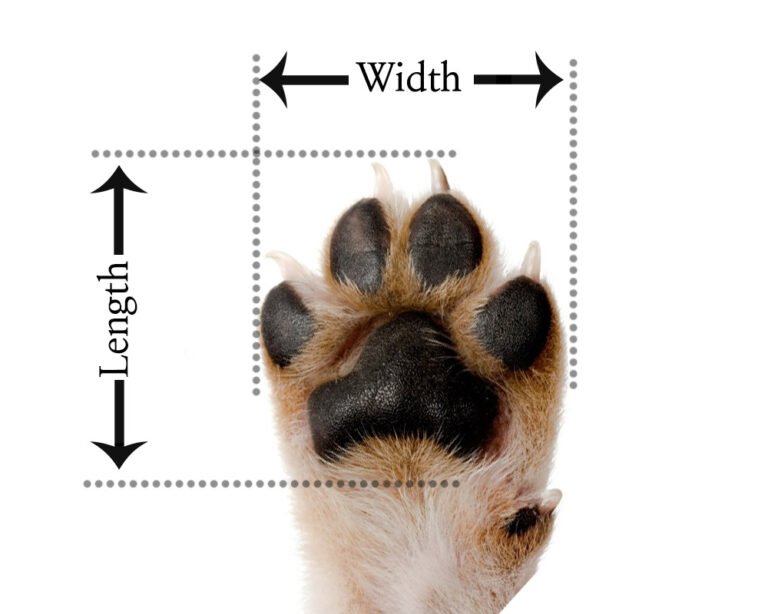
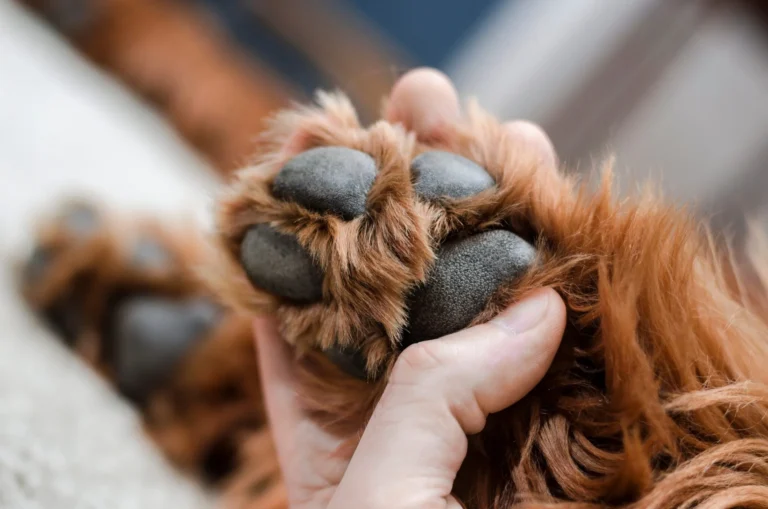
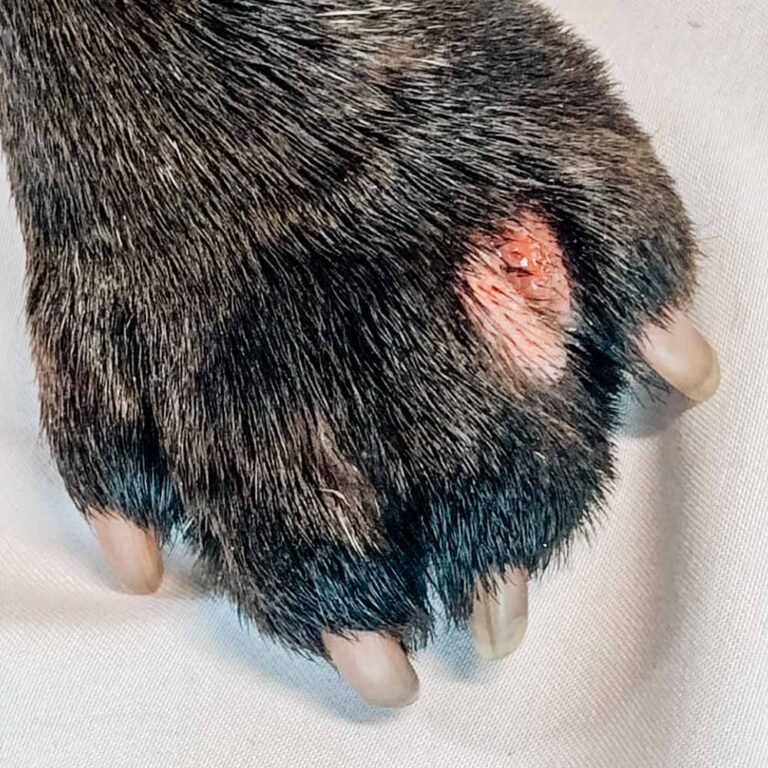
Yeast in dog paws usually results from yeast overgrowth after allergies, moisture, licking, or skin inflammation disrupts the paw.
For dog owners across the United States, yeast on the paws is usually not a problem caused by catching an infection from another dog. A small amount of yeast, especially Malassezia, normally lives on canine skin. Problems develop when conditions allow that yeast to multiply excessively or when inflammation makes the paws more vulnerable.
The most important causes include allergies, repeated licking, moisture trapped between the toes, irritated skin, parasites, and some underlying medical conditions. Warm, humid weather, wet grass, rain, bathing, and swimming can make the paw environment more favorable for yeast, but moisture alone does not explain every case.
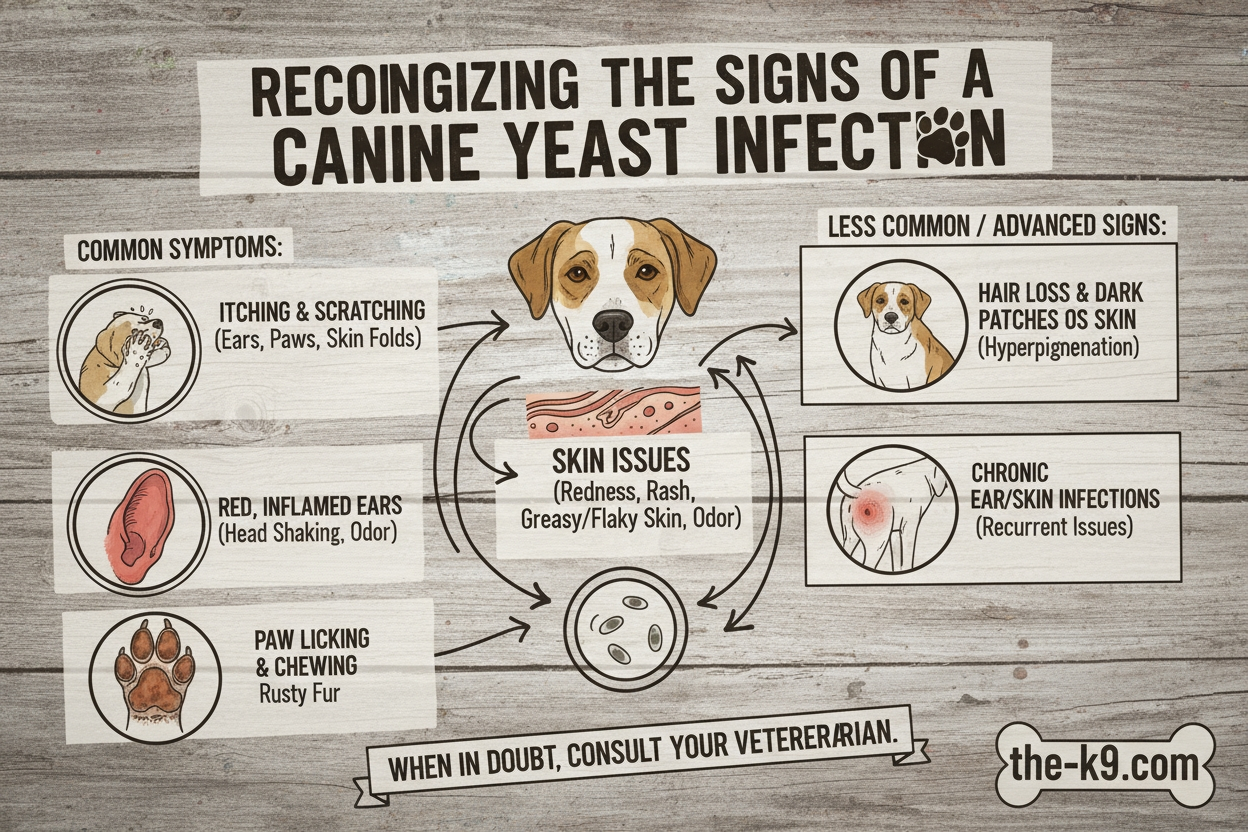
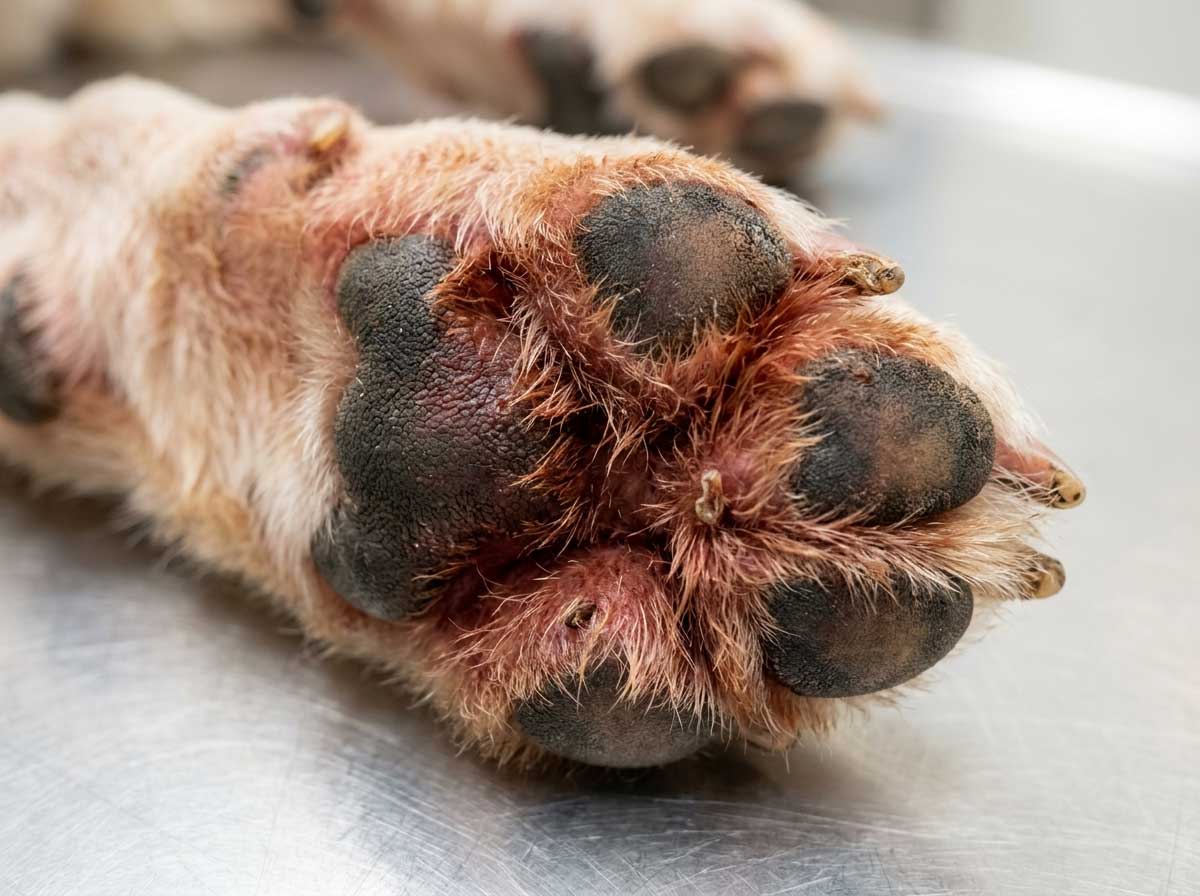
If your dog has red paws, persistent licking, a musty odor, brown staining, hair loss, or irritated skin between the toes, yeast may be involved. Those signs can also occur with allergies, bacteria, parasites, foreign bodies, or other forms of pododermatitis, so a veterinarian may need to confirm the cause before treatment.
Source: animalia-life.club
What causes yeast in dogs paws?
The main cause is an imbalance that lets naturally occurring yeast multiply excessively on the paw skin. Malassezia pachydermatis is a common yeast found on dogs, and it can become problematic when the skin environment changes or an underlying condition causes inflammation.
Allergies are one of the most important reasons dogs develop recurrent yeast problems on their paws. Environmental allergies can cause inflammation and itching, while food-related allergies can also affect the feet. Once the paws itch, repeated licking and chewing damage the skin barrier and add moisture, creating conditions that can favor yeast and bacteria.
Moisture is another important contributor. Water from rain, wet grass, bathing, swimming, or damp environments can remain between the toes, especially in dogs with closely spaced toes, thick hair, or skin folds. Moisture does not automatically cause a yeast infection, but it can support overgrowth when other risk factors are present.
Other conditions can also contribute. Parasites, bacterial infections, seborrhea, hormonal disorders, immune problems, and chronic skin inflammation may change the skin environment or cause enough itching to start a cycle of licking and secondary infection.
Source: the-k9.com
Allergies
Environmental or food-related allergies can inflame the paws and cause persistent licking, making secondary yeast overgrowth more likely.
Moisture
Wet conditions between the toes can create a warm, damp environment that supports yeast growth.
Excessive licking
Repeated licking keeps the paws wet and can damage the skin barrier, which may encourage yeast and bacterial overgrowth.
Skin inflammation
Dermatitis and other inflammatory skin conditions can make the paws more susceptible to secondary infections.
Other medical problems
Parasites, hormonal disorders, immune problems, and other skin diseases can contribute to recurring paw inflammation and infection.
Is yeast normally found on dog paws?
Yes. Yeast can be part of the normal microbial community on canine skin. Finding yeast does not automatically mean a dog has a disease. The concern is excessive growth combined with compatible clinical signs such as inflammation, itching, odor, or skin changes.
This distinction matters because treating yeast without identifying why it overgrew may provide only temporary relief. A dog with an untreated allergy, for example, may continue to develop recurrent paw problems even after a yeast infection improves.
Normal presence
Small amounts of yeast can exist on healthy canine skin without causing disease.
Overgrowth
A disrupted skin barrier or favorable environment can allow yeast to multiply and contribute to dermatitis.
How allergies can cause yeast on dog paws
Allergies can start a cycle that ends with yeast overgrowth on the paws. An allergic dog may develop itchy, inflamed skin on the feet. The dog then licks or chews the paws to relieve the itch, which adds moisture and causes mechanical damage. Yeast and bacteria can take advantage of the altered skin environment.
Environmental allergies may involve substances such as pollens, grasses, molds, or other allergens. Food allergies can also cause chronic itching and may involve the feet. A dog can have an allergy without having yeast, and a dog with yeast on the paws does not necessarily have a food allergy.
Recurring paw infections are especially useful clues for veterinarians because chronic or recurrent yeast infections can occur alongside allergic skin disease. The pattern of symptoms, seasonality, other affected areas, parasite control, and response to treatment all help determine the underlying cause.
Source: animalia-life.club
Environmental allergies
Seasonal or year-round environmental allergies can inflame the feet and lead to chronic paw licking.
Food-related allergies
Food allergy can cause skin inflammation and itching that may involve the feet and may be accompanied by secondary yeast or bacterial infections.
The licking cycle
Itching causes licking, licking creates moisture and skin damage, and the altered skin barrier can support secondary microbial overgrowth.
Does paw licking cause yeast?
Frequent paw licking can contribute to yeast overgrowth, although it is often not the original cause. Dogs may lick because of allergies, pain, parasites, a foreign object, irritation, anxiety, or another skin problem. Saliva and repeated licking keep the paw moist and can damage its protective barrier.
For that reason, simply stopping the licking may not solve the problem if an underlying allergy or other disease remains active. Persistent licking should be treated as a symptom that deserves investigation.
Look for the trigger
Ask why the dog is licking rather than assuming yeast is the original problem.
Break the cycle safely
Veterinary treatment may be needed to control the underlying itch and any confirmed secondary infection.
Can moisture and weather cause yeast on dog paws?
Moisture can help create conditions that favor yeast, especially when it remains trapped between the toes. This can happen after walks through wet grass, rainy weather, bathing, or swimming. Warm and humid conditions can make the problem more noticeable because damp skin provides a favorable environment for microbial growth.
However, saying that wet paws alone cause yeast is too simple. Healthy skin can often tolerate normal exposure to water. Yeast problems become more likely when moisture combines with another factor, such as allergies, inflamed skin, tight spaces between the toes, skin folds, or repeated licking.
After your dog gets wet, gently dry the paws and the spaces between the toes. Avoid aggressive scrubbing because friction can further irritate already inflamed skin.
Source: blogspot.com
Rain and wet grass
Repeated exposure can leave water around the toes and may increase moisture on already irritated paws.
Swimming
Dogs that swim frequently may have more opportunities for moisture to remain around the feet.
Humid weather
Warm, humid conditions can make it harder for damp skin to dry quickly.
Drying matters
Gentle drying after wet activities can reduce prolonged moisture without damaging the skin.
Do certain dogs have a higher risk?
Some dogs are more prone to paw inflammation because of their anatomy, skin conditions, allergies, or genetics. Dogs with closely spaced toes, skin folds, thick coats, or chronic allergies may have more difficulty keeping affected areas dry and healthy.
Breed alone does not diagnose a yeast infection. A dog’s individual history and clinical signs matter more than breed when deciding why the paws are inflamed.
Skin folds
Folds can trap heat and moisture and may require careful routine cleaning and drying.
Closely spaced toes
Limited airflow between the toes can make dampness persist after wet activities.
What do yeast infections on dog paws look and smell like?
Yeast on dog paws can cause redness, itching, licking, chewing, odor, hair loss, and irritated skin between the toes. The skin may appear darker or thicker when inflammation has been present for a long time. Brown or reddish staining around the fur can also occur, although staining by itself does not prove that yeast is present.
A strong musty odor can be a clue, but smell is not a reliable diagnosis. Bacterial infections and other skin conditions can produce odor as well. Some dogs have both yeast and bacterial infections at the same time.
Because several conditions can look similar, a veterinarian may examine the paws and use cytology or another diagnostic method to determine whether yeast, bacteria, or another problem is involved.
Source: seniortailwaggers.com
Red or inflamed skin
Inflammation may appear between the toes, around the nails, or on other parts of the paw.
Persistent licking
Dogs may repeatedly lick or chew their feet because the skin is itchy or uncomfortable.
Musty odor
A noticeable odor can accompany yeast overgrowth but cannot confirm the diagnosis on its own.
Hair loss or staining
Chronic licking and inflammation can cause hair loss and reddish-brown staining of light-colored fur.
Yeast or something else?
A red paw is not automatically a yeast-infected paw. Allergies, bacterial infections, parasites, foreign bodies, contact irritation, injuries, autoimmune disease, and other forms of pododermatitis can produce overlapping signs.
One-paw problems deserve particular attention because a foreign body, injury, or localized infection may be more likely than a generalized allergic skin problem. Severe pain, swelling, drainage, bleeding, or a sudden change should prompt veterinary evaluation.
One paw affected
A localized injury or foreign body should be considered, especially when the problem starts suddenly.
Several paws affected
Multiple affected feet can occur with allergies, generalized skin disease, or secondary infections.
Repeated recurrence
Recurring episodes raise concern for an underlying condition that has not been controlled.
How veterinarians diagnose yeast on dog paws
Veterinarians diagnose paw yeast by combining the dog’s history, physical examination, clinical signs, and appropriate testing. Because redness and itching have many possible causes, visual inspection alone may not establish that yeast is responsible.
Cytology is commonly useful for identifying yeast and bacteria on affected skin. The veterinarian may collect material from the paw surface and examine it under a microscope. Additional tests may be appropriate when the infection is recurrent, severe, unusual, or not responding as expected.
The veterinarian will also look for the reason the paw became inflamed. That may include evaluating allergy patterns, parasite exposure, skin disease, hormonal problems, foreign bodies, and other conditions. Treating only the secondary yeast overgrowth may not prevent another episode if the underlying trigger remains.
Source: animalia-life.club
History
The veterinarian may ask about seasonality, licking, diet, allergies, swimming, bathing, medications, and previous infections.
Physical examination
The paws, nails, skin, ears, and other areas are checked for patterns that may point toward an underlying disease.
Cytology
Microscopic examination can help identify yeast and bacteria associated with inflamed skin.
Additional testing
Further testing may be considered when parasites, allergies, endocrine disease, foreign bodies, or other causes are suspected.
Why diagnosis matters before home treatment
A dog with itchy paws does not necessarily need an antifungal product. Using the wrong treatment can delay care for a bacterial infection, foreign body, parasite, injury, or allergic disease. Some medications can also irritate damaged skin when used incorrectly.
If the paws are persistently red, painful, swollen, foul-smelling, draining, bleeding, or repeatedly infected, veterinary assessment is the safer approach.
Avoid guessing
Similar-looking paw problems can have very different causes and treatments.
Use veterinary guidance
A veterinarian can determine whether yeast is present and identify factors that need longer-term management.
How yeast on dog paws is treated and prevented
Treatment depends on the confirmed cause, location, severity, and whether bacteria or another condition is also present. Veterinarians may recommend topical antifungal therapy for localized problems and may use additional treatment when infection is widespread or difficult to control.
Good paw care can support treatment. Keep the paws reasonably clean and dry, especially after exposure to rain, wet grass, or water. Prevent excessive licking when advised by your veterinarian, because continued self-trauma can keep the skin inflamed.
The long-term goal is not simply to remove yeast. It is to control the condition that allowed the overgrowth to develop. For an allergic dog, that may mean managing the allergy. For another dog, the key issue may be parasites, chronic skin disease, excessive moisture, or a different medical problem.
Do not use human antifungal creams, corticosteroid products, essential oils, or other medications on your dog’s paws without veterinary guidance. Dogs can lick topical products, and some ingredients may be inappropriate or harmful when swallowed.
Source: yipara.com
Follow the prescribed treatment
Use veterinary-recommended antifungal or other medications exactly as directed and complete the recommended course.
Keep paws dry
Gently dry the feet after bathing, swimming, rain, or wet walks without aggressive rubbing.
Control the underlying trigger
Managing allergies, parasites, or other skin disease can reduce the chance of recurrent yeast overgrowth.
Prevent excessive licking
Your veterinarian may recommend a safe method to reduce licking while the skin heals.
When should you call a veterinarian?
Contact a veterinarian when paw irritation persists, repeatedly returns, or causes significant discomfort. Prompt evaluation is particularly important when your dog has swelling, severe pain, open wounds, pus, bleeding, marked hair loss, difficulty walking, or a rapidly worsening condition.
A veterinary visit is also appropriate when home care has not improved the problem or when you cannot determine why your dog keeps licking the paws. Recurrent yeast often signals that an underlying skin or systemic problem needs attention.
Urgent signs
Severe pain, major swelling, bleeding, pus, deep wounds, or difficulty walking warrant prompt veterinary attention.
Recurring infections
Repeated yeast episodes should trigger an investigation for allergies or another underlying condition.
No improvement
If symptoms persist or worsen despite appropriate care, the diagnosis or treatment plan may need reassessment.
Frequently Asked Questions
Q
What is the most common cause of yeast on dog paws?
Allergies are a major underlying factor in dogs that develop recurrent yeast problems on their paws. Moisture and licking can then worsen the skin environment and encourage secondary yeast overgrowth.
However, there is no single cause for every dog. Parasites, skin disease, bacterial infections, hormonal problems, and other conditions can also contribute.
Q
Can wet paws cause a yeast infection in dogs?
Wet paws can contribute because yeast grows more readily in warm, moist environments. Rain, wet grass, bathing, and swimming can leave moisture between the toes.
Moisture alone does not prove that yeast will develop. Other factors, such as allergies or damaged skin, often make overgrowth more likely.
Q
Does dog paw licking cause yeast?
Frequent licking can contribute to yeast overgrowth by keeping the paws damp and damaging the skin barrier. It can also worsen inflammation and allow bacteria to grow.
The licking itself may be caused by allergies, pain, parasites, irritation, or another condition, so stopping licking without finding the underlying trigger may not solve the problem.
Q
Can food allergies cause yeast on a dog’s paws?
Food allergies can cause itchy, inflamed skin that may involve the feet. Chronic licking and inflammation can then create conditions that support secondary yeast or bacterial infections.
A yeast infection does not prove that a food allergy exists. A veterinarian may need to investigate the full pattern of symptoms before identifying the underlying cause.
Q
How can I tell if my dog’s paws have yeast?
Possible signs include persistent licking or chewing, redness, itching, a musty odor, hair loss, skin thickening, and brown or reddish staining. These signs can also occur with allergies, bacteria, parasites, injuries, and other paw disorders.
A veterinarian can use an examination and, when appropriate, cytology to determine whether yeast is present and whether another infection is involved.
Q
Can yeast on dog paws go away on its own?
A mild irritation may improve when its trigger is removed, but a confirmed or persistent yeast overgrowth often needs appropriate treatment. Leaving an ongoing infection untreated can allow inflammation and self-trauma to continue.
If the problem keeps returning, treating the yeast alone may not be enough. The underlying allergy, skin disease, parasite problem, or other trigger also needs attention.
Q
Is yeast on dog paws contagious to other dogs?
The common Malassezia yeast involved in canine skin problems normally lives on dogs and is not generally considered a contagious infection passed from one dog to another.
The more important issue is why the affected dog’s skin allowed yeast to overgrow. Underlying allergies, moisture, inflammation, or other conditions often need to be addressed.
✦ Wrapping Up
Conclusion
The answer to what causes yeast in dogs paws is usually a combination of factors rather than one isolated trigger. Allergies can create the initial inflammation, while licking, moisture, skin damage, and other medical conditions can help naturally occurring yeast multiply excessively.
Red, itchy, smelly, or frequently licked paws deserve attention, especially when the problem is recurrent. Because yeast symptoms overlap with bacterial infections, parasites, allergies, injuries, and other forms of pododermatitis, persistent or severe cases should be evaluated by a veterinarian.
Keeping paws clean and gently dry can support healthy skin, but prevention works best when the underlying reason for recurring inflammation is identified and managed.
💡 Key Takeaway
If your dog has persistent or recurring itchy, red, smelly paws, arrange a veterinary examination to confirm whether yeast is present and identify the underlying cause.
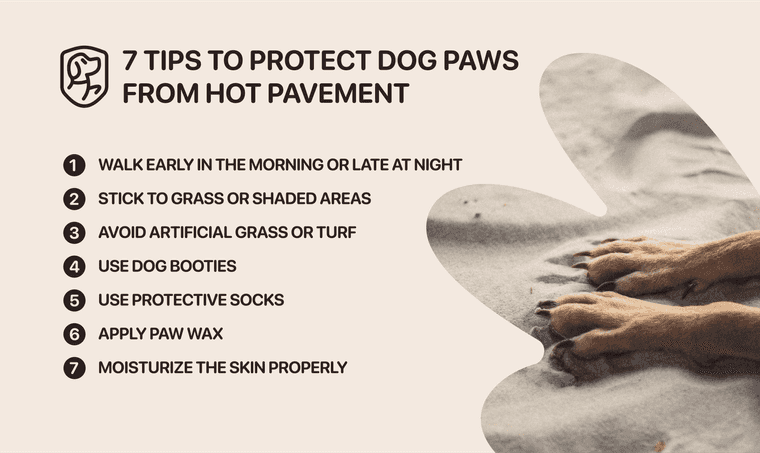
Learn how to protect dog paws from hot pavement with practical safety tips, temperature checks, dog boots, walking schedules, and paw care advice for summer walks.
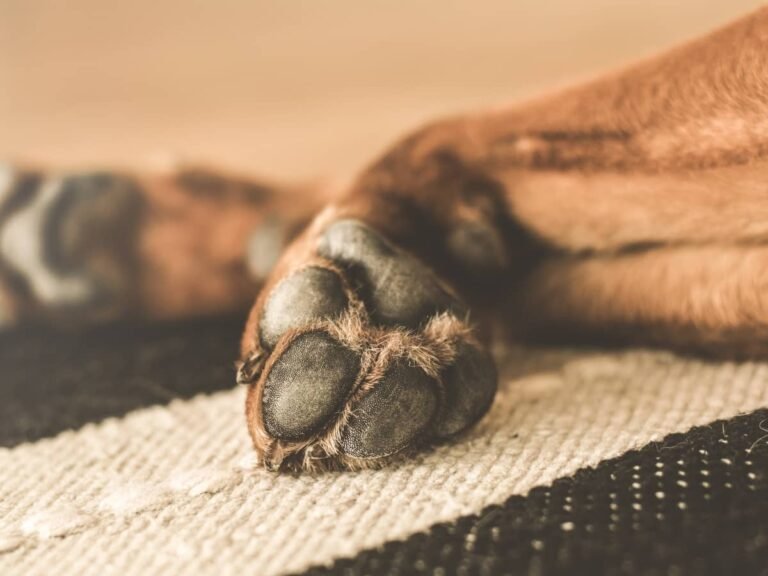
Learn how to treat an interdigital cyst on a dog paw, recognize interdigital furunculosis, provide safe home care, and know when veterinary treatment is needed.