What Size Does My Dog Wear: Key Facts and Helpful Explanations
Dog clothing sizes are not as standardized as human clothing sizes so a small dog does not automatically wear an extra-small item Breed body shape coat thickness and the product itself can all change the answer A stocky French Bulldog and a long narrow Dachshund may weigh the same.
If you are asking, “what size does my dog wear?” the most reliable answer comes from measurements, not breed name or weight alone. I’ll explain which measurements matter, how to compare them with a brand’s chart, and how to choose the right size for coats, shirts, harnesses, collars, boots, and diapers.
The goal is a comfortable fit that stays secure without restricting breathing, movement, bathroom breaks, or normal play. I’ll also cover what to do when your dog falls between sizes and how to recognize a product that should be returned or exchanged.
What size does my dog wear?
Your dog’s correct size is the size that matches the product’s measurement chart, especially the chest or girth measurement. Most pet apparel brands use a combination of chest, neck, and back length. Weight can help narrow the options, but it should usually be treated as a supporting measurement rather than the deciding one.
Start by measuring your dog while the dog is standing naturally on all four feet Compare those numbers with the specific brand s chart Do not assume that.
- Chest or girth: the widest part of the rib cage, usually just behind the front legs.
- Neck: the circumference where a collar or garment neckline will sit.
- Back length: from the base of the neck to the base of the tail.
- Weight: a useful cross-check, but not a complete sizing method.
- Body shape: broad, narrow, deep-chested, long-backed, short-legged, or barrel-shaped.
If a chart lists only one measurement, check what that measurement represents before ordering. A “length” measurement may mean back length, while a “width” measurement may refer to the chest, garment, or paw opening. Product descriptions are not always consistent, so the chart’s labels and measuring instructions deserve close attention.
How to measure your dog for clothing
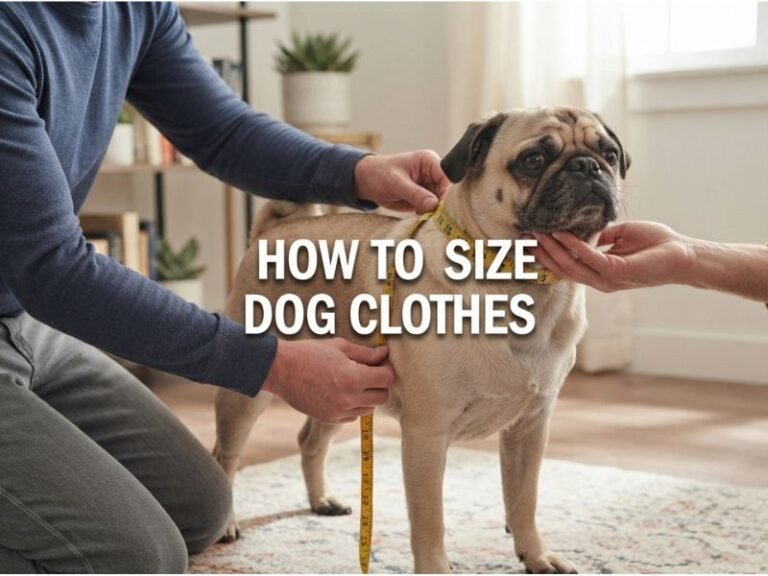
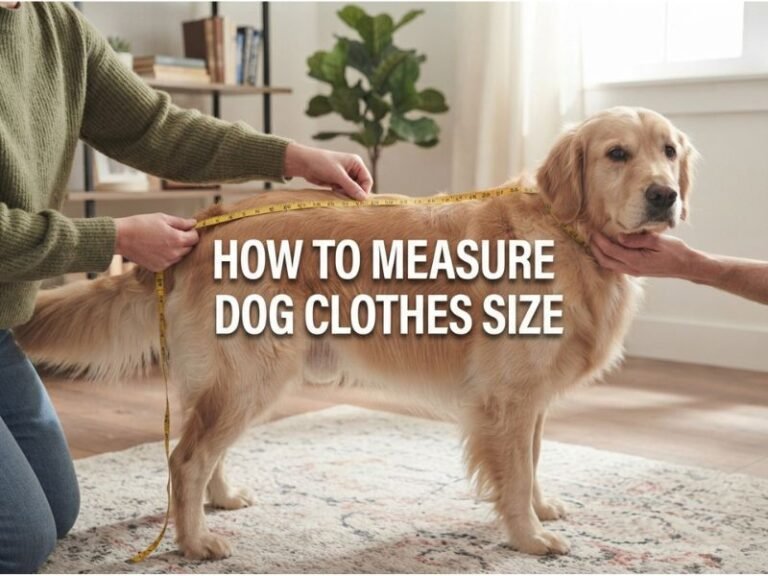
I recommend using a soft tape measure. If one is not available, a strip of string can work; mark the string and measure it against a ruler afterward. Keep the tape comfortably close to the body without pulling it tight or leaving it loose.
Measure the chest or girth
Wrap the tape around the deepest part of the rib cage, typically immediately behind the front legs. This is often the most important measurement for shirts, sweaters, jackets, raincoats, and harnesses.
Make sure the tape remains level from one side of the body to the other. On a deep-chested dog, the widest point may sit lower than expected. On a barrel-chested dog, moving the tape slightly forward or backward can produce a noticeably different number, so look for the fullest part of the rib cage.
Measure the neck
Measure around the base of the neck, where a collar normally rests. For clothing, follow the product instructions because some garments sit higher on the neck than a standard collar does.
You should be able to place a couple of fingers between a collar and the dog’s neck after the collar is fastened. Clothing necklines may have a different fit, but they should never press against the throat, interfere with swallowing, or cause coughing.
Measure back length
Have your dog stand squarely if possible. Measure from the base of the neck, where the shoulders meet the neck, to the base of the tail. Do not measure to the tip of the tail unless the brand specifically asks for that information.
Back length matters most for coats, sweaters, shirts, and costumes. A garment can match the chest measurement yet still be too short for a long-backed dog or too long for a compact dog. Extra fabric over the tail or hips can bunch, drag, or interfere with sitting.
Measure legs and paws when needed
Leg coverage requires additional measurements. Measure the distance from the floor to the point where the sleeve should end, but understand that sleeve length is often difficult to predict from a chart. For boots, measure the paw while your dog is standing because the paw spreads under weight.
Trace the paw on paper or measure its widest part and length according to the manufacturer’s directions. Some boot charts use paw width, some use paw length, and some use both. A boot that is too loose may fall off, while one that is too tight can make walking uncomfortable.
Why weight and breed are not enough
Breed labels and weight ranges are convenient starting points, but they cannot account for every dog’s proportions. A 20-pound dog may have a slender chest, a muscular build, a thick coat, or a long back. Those differences directly affect clothing fit.
Mixed-breed dogs make breed-based estimates even less dependable, but purebred dogs can vary substantially too. Puppies may be growing quickly, senior dogs may have changed body condition, and spayed or neutered dogs may carry weight differently over time.
Weight is still useful for products such as diapers, life jackets, and some harnesses because manufacturers may design their support or buoyancy around weight. Even then, I would verify the chest, waist, or girth measurement before buying.
A product labeled “for small dogs” may fit a slim 10-pound dog but fail to close around a broad 10-pound dog. Conversely, a larger size may have enough chest room but leave excessive length or loose leg openings. Measurements explain these differences better than the label alone.
How to read a dog clothing size chart
First, identify whether the chart gives body measurements or garment measurements. Body measurements describe the dog the item is intended to fit. Garment measurements describe the item itself and may include extra room for movement.
If a chart says “chest: 18–22 inches,” measure your dog’s chest and compare it directly with that range. If your dog measures close to the upper limit, check whether the item has stretch, adjustable fasteners, or a relaxed cut. A stiff coat may need more room than a stretchy shirt.
When measurements fall in different size ranges, use the product’s priority guidance. If none is provided, the chest is commonly the best starting point for shirts and coats, while the neck may be more important for collars. For a harness, use the manufacturer’s girth range and adjustment instructions.
| Product | Most important measurement | Fit detail to check |
|---|---|---|
| Shirt or sweater | Chest and back length | Stretch, arm openings, and neck comfort |
| Coat or rain jacket | Chest and back length | Coverage, closures, and room for layers |
| Harness | Chest or girth | Adjustment range and clearance behind the legs |
| Collar | Neck | Secure fit without throat pressure |
| Boots | Paw width or length | Grip, closure, and whether the boot stays on |
| Diaper or belly band | Waist or hip area | Absorbent coverage and fastening position |
Read customer photos and reviews for clues about body shape but do not treat a review as a substitute for the chart A reviewer s dog may have.
Choosing between two dog clothing sizes
If your dog is between sizes the better choice depends on the item and the larger measurement For a fitted shirt select the size that accommodates the chest.
Do not size up automatically for every product. A loose harness can allow a dog to back out. Oversized boots can twist or fall off. A large collar may slip over the head. The right decision depends on how the item is secured and whether extra space affects safety.
Choose the larger size when
- The chest or girth is at the top of the listed range.
- The material has little or no stretch.
- Your dog has a thick coat or will wear a layer underneath.
- The smaller size presses behind the front legs or across the shoulders.
- The item has adjustable closures that can remove some extra room.
Choose the smaller size when
- The product must stay securely attached, such as a boot or fitted harness.
- The larger size leaves openings where a paw, leg, or head could slip through.
- The garment drags on the ground or covers the tail.
- The smaller option fits the largest measurement comfortably and does not limit movement.
For a dog with a broad chest and narrow neck, look for adjustable products rather than forcing a standard cut. For a long-backed dog, search for long-body styles. For a short-legged dog, avoid sleeves that extend too far unless they can be rolled or adjusted safely.
Fit guidelines for common dog products
Shirts, sweaters, and jackets
A shirt should lie smoothly over the chest and back without pulling at the shoulders. The front openings should not rub the armpits, and the neckline should stay away from the throat. Your dog should be able to walk, sit, lie down, turn, and relieve itself normally.
For winter coats, consider the dog’s coat type, activity level, and weather rather than relying on size alone. A thick-coated dog may need a roomier garment than a short-haired dog with identical measurements. However, extra room should not create loose loops or dangling straps that can catch on objects.
Harnesses
Harness sizing is especially important because a harness must remain secure while distributing pressure across the body. Measure the girth behind the front legs, then follow the brand’s instructions for positioning and adjustment.
After fitting, check that the harness does not sit directly in the armpits, rub the skin, or restrict shoulder movement. It should be snug enough that your dog cannot reverse out of it, but not so tight that you cannot slide a finger beneath the straps where the manufacturer recommends.
A harness size should never be selected from a dog’s clothing size. Harness designs vary widely, and a dog may wear a medium sweater but a small or large harness depending on the cut and adjustment points.
Collars
Measure the neck where the collar will sit and consult the collar’s adjustable range. Once fastened, the collar should be secure but comfortable. Check it regularly, especially for puppies, dogs gaining or losing weight, and dogs with thick or growing coats.
For a very small dog, pay attention to collar weight and hardware size. A technically correct length can still be uncomfortable if the buckle or tags are disproportionately heavy.
Boots
Boots require more trial and observation than many other products. Measure all four paws if the brand permits, because front and rear paws may differ. Put the boots on briefly indoors and watch for slipping, twisting, unusual steps, or attempts to remove them.
A dog may need a short adjustment period, but persistent limping, distress, or rubbing means the fit or design is not right. Check the paws after use for redness or pressure marks.
Diapers and belly bands
Diapers usually need a waist, hip, or belly measurement rather than a chest measurement. The opening must provide coverage without pressing the tail or genitals. A loose diaper may leak or fall off, while a tight one can irritate the skin.
Follow the product’s hygiene instructions and inspect the skin regularly. Sizing cannot solve every leakage problem; absorbency, placement, movement, and how often the product is changed also matter.
Signs the dog clothing size is wrong
A poor fit is not always obvious when a dog is standing still. Watch the dog walk, turn, sit, lie down, and climb a few steps if appropriate. Clothing should move with the body rather than pull against it.
- Straps or fabric leave deep marks, redness, or rubbed patches.
- Your dog coughs, gags, pants unusually, or resists breathing comfortably.
- The garment pulls across the chest or shoulders during movement.
- The dog cannot sit, lie down, stretch, or use the bathroom normally.
- Fasteners open, slide, twist, or allow the dog to back out.
- Fabric hangs near the ground or catches on furniture and outdoor objects.
- Boots rotate, fall off, cause limping, or create paw pressure.
- Your dog repeatedly scratches, bites, freezes, or tries to escape the item.
Some dogs dislike clothing even when the fit is correct, so behavior alone does not prove that the size is wrong. Check the physical fit and introduce unfamiliar items gradually. If the dog shows pain, breathing difficulty, severe distress, or skin injury, remove the item and seek veterinary advice when needed.
Common dog sizing mistakes to avoid
Using the breed label as the final answer
Breed suggestions can help you find a starting point, but they do not replace measurements. A size chart based on actual dimensions is more reliable than a label such as “for terriers” or “for toy breeds.”
Measuring a sleeping or sitting dog
Posture changes the shape of the chest and back. Measure while the dog is standing naturally. If the dog will not stand still, take two or three measurements and use the most consistent result.
Pulling the tape too tightly
A tight tape produces measurements that are smaller than the dog’s real body size. Keep it close to the fur while leaving enough room for normal movement. Thick coats may need a little additional allowance, depending on the chart.
Ignoring the return policy
Even careful measurements cannot predict every design detail. Before ordering, check whether the seller accepts returns on worn or tried-on pet products, whether tags must remain attached, and who pays return shipping. Try clothing indoors on a clean surface so it can be exchanged if necessary.
Assuming more room is always better
Loose clothing can snag, shift, or create openings that a dog can catch with a leg. Loose harnesses and collars can create escape risks. Comfort means adequate room, not maximum room.
How to get a better fit on the first order
- Measure the chest, neck, and back length immediately before shopping.
- Record the measurements in inches, since many United States product charts use inches.
- Read the complete size chart and identify whether it lists body or product measurements.
- Check the product photos for closure placement, sleeve length, and overall cut.
- Look for adjustability if your dog has an unusual body shape.
- Compare the chart with recent reviews from dogs with similar measurements.
- Order from a seller with a clear exchange or return policy.
- Test the fit indoors and inspect the skin after the first short wear.
Keep a simple measurement note for your dog, including the date. That makes repeat purchases easier, but remeasure after weight changes, growth, a major haircut, or a change in body condition. Puppies may outgrow an item quickly, and a clipped coat can change how a garment fits.
Frequently asked questions
What size does a small dog usually wear?
A small dog may wear extra-small, small, or medium depending on chest circumference, back length, and the brand’s pattern. There is no universal small-dog size. Measure the dog and compare the result with the product chart instead of relying on body weight alone.
Can I choose my dog’s size by weight?
You can use weight as a preliminary guide, but weight alone is not dependable for clothing, harnesses, or collars. Two dogs with the same weight can have very different necks, chests, and back lengths. Use the chart’s primary body measurement to make the final choice.
What is the most important measurement for dog clothes?
Chest or girth is often the most important measurement for shirts, sweaters, coats, and harnesses. Back length and neck size still matter because a garment can fit around the chest but be too short, too long, or uncomfortable at the neckline.
Should I size up if my dog has thick fur?
Possibly, but follow the brand’s guidance. Thick fur can take up space, especially in a fitted coat or sweater. Choose a larger size only if it still stays secure and does not create dangerous gaps, dragging fabric, or loose openings.
What if my dog is between two sizes?
Look at which measurement is closest to the limit and consider the item’s material and closure. A larger size may work better for a stiff coat, while a more fitted size may be safer for a harness or boot. Adjustable products are often the best option for dogs between sizes.
How tight should a dog harness or collar be?
A collar or harness should be secure without pressing into the skin or restricting breathing and movement. Follow the product’s fitting instructions and check that your dog cannot back out of it. Inspect the skin and adjustment points after walking, especially when trying a new design.
Why does the same dog wear different sizes from different brands?
Brands use different patterns, measurement priorities, materials, and fits. One company may design a short, broad garment, while another makes a long, narrow one. Size letters are not standardized, so the chart for each product matters more than the label.
How do I know if a dog coat fits correctly?
The coat should cover the intended body area without pulling at the shoulders, rubbing the armpits, blocking the tail, or dragging near the ground. Your dog should be able to walk, sit, lie down, and use the bathroom normally. Check the fit while the dog is moving, not only while standing.
Can puppies wear the same size for a long time?
Puppies can outgrow clothing, harnesses, and collars quickly. Remeasure regularly and check adjustment points as the puppy grows. Never leave a puppy in an item that has become tight around the neck, chest, or legs.
Conclusion
The best answer to what size does my dog wear comes from accurate measurements matched to the individual product s chart Measure the chest neck and back length.