Do Dogs Need to Wear Boots in the Snow: Practical Guide and Tips
A short winter walk can turn uncomfortable fast: snow packs between a dog’s toes, road salt stings cracked pads, and melting ice leaves paws wet long after the walk ends. A dog may still pull toward the door while quietly lifting one foot or licking the same paw afterward.
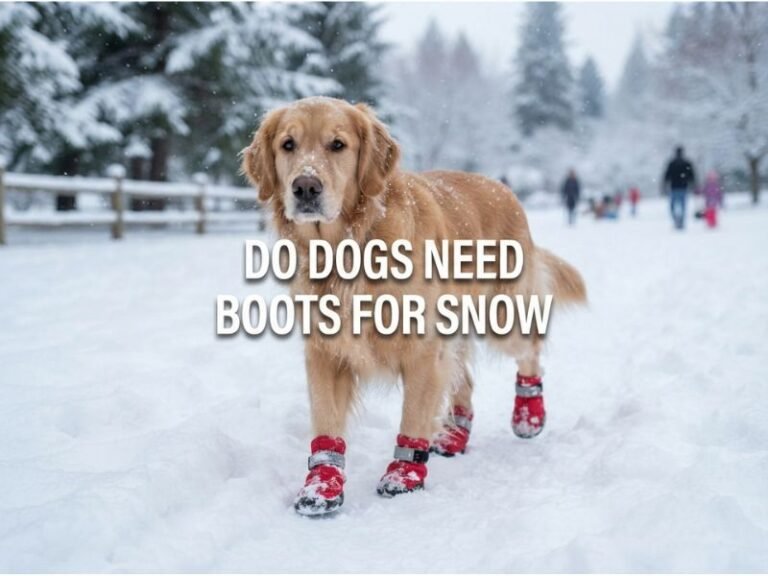
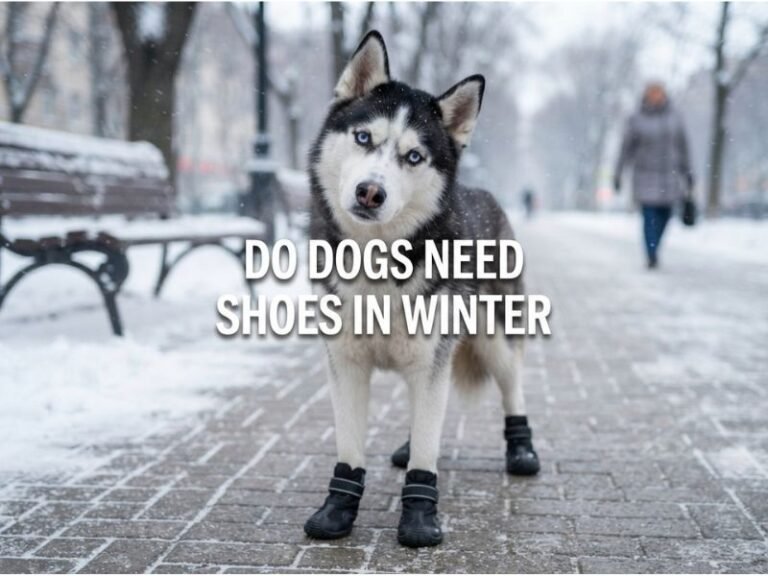
So, do dogs need to wear boots in the snow? Sometimes, but not every dog or every winter outing. Healthy dogs with strong, well-conditioned paw pads may handle brief walks without footwear, while dogs facing deep snow, sharp ice, chemical deicers, or prolonged exposure often benefit from properly fitted boots.
I ll explain how to recognize when boots are useful when they are unnecessary how to choose and introduce them and what to do if your dog refuses to wear them The goal is not to.
Do dogs need to wear boots
Dogs do not automatically need boots just because snow is on the ground Many dogs can safely take short walks in light fresh snow without them especially if.
Boots become more important when a dog’s paws are exposed to one or more of these conditions:
- Deep snow that collects between the toes or around the paw hair
- Sharp, crusted snow or hidden ice
- Rock salt and chemical ice melt on sidewalks or roads
- Very cold temperatures or long outdoor sessions
- Wet conditions that leave paws chilled and softened
- Cracked, irritated, cut, or otherwise sensitive paw pads
- Long walks, hikes, runs, or outdoor work in winter
The right answer depends on more than air temperature Snow depth surface texture deicer exposure wind duration paw health coat type age and medical conditions all matter A.
Why snow and ice can hurt a dog’s paws
A dog’s paw pads are tough, but they can still be injured by winter surfaces. Cold weather creates several separate risks, and boots address some of them better than others.
Snow packed between the toes
Snow can cling to hair between the toes and then compress into hard balls. These clumps can make walking painful, spread the toes apart, and rub the skin. Dogs with furry feet, including many long-coated breeds, are especially prone to this problem.
A dog may respond by stopping often, biting at the feet, limping, or holding up a paw. If the snow melts and refreezes, the compacted material can become even harder. Trimming excess hair around the paw—not cutting into the pads—and using boots can reduce snow buildup.
Ice and sharp frozen surfaces
Fresh snow is usually softer than old, compacted snow. After repeated foot traffic, thawing, and refreezing, a walkway may develop rough ridges or sharp edges. Hidden ice can scrape paw pads or cause a dog to slip and strain a leg.
Boots create a barrier against abrasive surfaces, although they do not eliminate the risk of slipping. A boot with a flexible, textured sole generally offers better traction than a smooth or overly rigid design.
Salt and chemical deicers
Road salt can dry and irritate paw pads Dogs may also lick residue from their feet after a walk which is another reason to avoid letting deicing products.
Boots can reduce direct contact with treated pavement, but they are not a substitute for checking the fit and cleaning the boots. Salt can collect inside a loose boot, and a damaged boot may provide little protection.
Cold-related injury
Prolonged exposure to cold can injure paw tissue, particularly when paws are wet or circulation is poor. The risk varies with temperature, wind, moisture, duration, and the dog’s health. A dog that is shivering, lifting paws, reluctant to walk, or trying to return home is already signaling that the outing should end.
Boots help insulate the paws, but they do not make a dog safe for unlimited time outdoors. They cannot protect the ears, tail, belly, or other exposed areas from cold. I treat boots as one part of winter safety, not as permission to extend a walk beyond the dog’s comfort.
Which dogs benefit most from snow boots?
Some dogs are more likely to need paw protection because of their size, coat, paw condition, lifestyle, or medical history.
Dogs with sensitive or damaged paws
A dog with cracked pads small cuts dermatitis allergies or a recent paw injury may be more comfortable with a protective boot during necessary outdoor trips However a.
Dogs with furry feet
Long hair between the toes can trap snow and ice. Boots may be the easiest solution for a dog that repeatedly develops painful clumps. Keeping the hair neatly trimmed can help, but owners should avoid aggressive clipping that nicks the skin or removes the natural protection around the toes.
Small, senior, and short-coated dogs
Small dogs often have less body mass close to the ground, while senior dogs may have reduced circulation, arthritis, or slower movement. Short-coated dogs may also be less comfortable in severe winter conditions. These traits do not automatically require boots, but they justify shorter outings and closer observation.
Dogs that hike, run, or work outdoors
A dog walking for a few minutes on a familiar sidewalk faces a different risk than a dog hiking over icy trails for an hour. Active dogs can benefit from boots because distance increases the chance of pad abrasion, snow buildup, and exposure to salt or rough ice.
Dogs with reduced sensation or circulation
Diabetes, neurologic disease, circulation problems, and other conditions can affect a dog’s ability to feel or respond to paw discomfort. A veterinarian can help determine whether boots are appropriate and how often the dog should be checked during outdoor activity. Dogs with reduced sensation may not reliably show early signs of injury.
When boots may not be necessary
Boots may be unnecessary for a healthy, acclimated dog taking a short walk on clean, soft snow. If the dog walks normally, shows no sign of cold discomfort, and has clean, intact paw pads afterward, a boot-free outing may be reasonable.
That does not mean the dog should be ignored simply because the weather is familiar I still check the paws after each snowy walk especially if the dog.
Some dogs also experience more trouble from wearing poorly fitted boots than from walking without them. A boot that twists, rubs, restricts movement, or traps moisture can cause sores. If a dog is comfortable without boots in mild conditions, there is no general reason to force footwear for appearance or habit.
Signs your dog needs paw protection
Dogs do not always show discomfort immediately. Watch the dog’s behavior during the walk and inspect the paws afterward.
- Lifting one or more paws repeatedly
- Stopping, refusing to continue, or trying to turn home
- Limping or walking with an unusual gait
- Excessive licking, chewing, or rubbing of the paws
- Whining, trembling, or appearing unusually tense
- Snow or ice balls forming between the toes
- Redness, cracks, bleeding, swelling, or raw skin
- Crystals of salt or visible residue around the pads
- Reluctance to place a paw on the ground after the walk
Cold discomfort can resemble a training problem. A dog that suddenly refuses to walk may not be stubborn; the pavement may be painful. I look at the feet before assuming the dog needs more encouragement.
After returning indoors, rinse or wipe each paw and dry carefully between the toes. Then examine the pads, nails, and spaces between the toes. If licking continues, the dog remains lame, or the skin looks injured, arrange veterinary advice rather than covering the problem indefinitely.
How to choose dog boots for snow
The best snow boot is not necessarily the thickest or most expensive option. It should stay on, allow natural movement, protect against the specific hazard, and remain comfortable for the entire outing.
Measure each paw
Measure the paw while the dog is standing, because the paw spreads under weight. Follow the manufacturer’s instructions, since sizing systems differ. Measure all four paws if the brand allows separate sizing; front and rear paws are not always identical.
A boot that is too small can squeeze the toes and restrict circulation. One that is too large may twist, fall off, or create friction. The opening should be secure without cutting into the leg. You should be able to check the fit regularly while the dog wears it.
Look for a flexible, protective sole
A winter dog boot usually needs a waterproof or water-resistant upper and a sole that resists abrasion. A flexible sole lets the dog place the paw naturally, while a textured surface can improve grip on snow and ice.
A sole that is extremely stiff may change the dog’s stride. A thin fabric boot may be comfortable indoors but offer little protection against sharp ice or rough pavement. Match the construction to the route rather than choosing by appearance alone.
Choose a dependable fastening system
Fasteners should hold the boot in place without creating pressure points. Adjustable straps, secure closures, and a shape that follows the paw can help. Check whether the closure stays above the wrist joint and whether it loosens as the dog moves.
Do not tighten a boot as much as possible in an attempt to stop it from slipping. Excessive pressure can be painful. A correctly sized boot with a suitable closure should stay on without being cinched tightly.
Consider visibility and maintenance
Reflective details can make a dog easier to see during dark winter walks, although they do not replace a leash, light, or reflective gear. Boots should also be easy to rinse and dry. Salt and grit left inside can irritate the paws the next time the boots are used.
How to teach a dog to wear boots
Most dogs do not naturally understand footwear. They may walk stiffly, kick their legs, freeze, or try to remove the boots. That reaction does not necessarily mean boots are impossible; it usually means the introduction was too fast or the fit is wrong.
- Start with inspection. Let the dog sniff the boots indoors. Reward calm behavior without putting them on.
- Touch the paws. Briefly handle each paw, then reward. This helps connect the boots with a familiar, nonthreatening routine.
- Try one boot. Put one boot on for a few seconds, remove it, and offer praise or a small treat.
- Increase time gradually. Practice with one boot, then two, and eventually all four. Stop before the dog becomes frantic.
- Practice indoors. Let the dog take a few normal steps on a safe, dry floor. Keep the session short.
- Move outside briefly. Begin with a few minutes near home before attempting a long snowy walk.
Some dogs walk awkwardly at first because the sensation is unfamiliar. Calm encouragement is more useful than laughing, scolding, or physically dragging the dog forward. If the dog persistently bites at a boot, develops redness, or cannot walk normally after several calm attempts, reassess the size and design.
Alternatives to boots
Boots are helpful, but they are not the only way to protect paws. For short walks in manageable conditions, a layered routine may be enough.
Trim excess paw hair carefully
Keeping excess hair even with the paw pads can reduce snowballing. This should be done carefully, with good lighting and appropriate grooming tools. The goal is to reduce trapping, not to shave the entire foot or cut the pads.
Use a paw balm
A dog-safe paw balm may help reduce dryness and support the skin barrier. It does not provide the same physical protection as a boot, and it will not reliably block sharp ice or heavy salt exposure. Avoid products containing ingredients that are unsafe if licked, and follow veterinary advice for already inflamed skin.
Change the route and timing
Choose a path with fresh snow rather than heavily salted pavement when possible. Walk during daylight, avoid areas with visible chemical residue, and shorten the outing if the surface is icy or the wind is severe. A quick bathroom break may be safer than a long recreational walk during extreme conditions.
Clean paws after every outing
Wipe or rinse the paws, including between the toes, and dry them well. Check for small stones, salt crystals, cracks, and ice. If a dog has long hair, feel through the fur instead of relying only on a quick visual check.
These alternatives can work for some dogs, but I would not use balm or grooming alone to justify prolonged exposure in harsh weather. If the dog is showing cold or paw discomfort, the practical answer is to go inside and adjust the next outing.
Common mistakes with winter dog boots
Putting boots on for the first time right before a long walk
A dog may panic or develop rubbing that goes unnoticed until the walk is over. Indoor practice makes fit problems easier to identify and gives the dog time to learn the sensation.
Assuming a boot that stays on is a good fit
A boot can remain attached while still rubbing the ankle or squeezing the toes. Look for redness, hair loss, swelling, or damp skin after removal. The dog’s gait also matters; hopping or exaggerated steps indicate discomfort.
Ignoring moisture inside the boots
Wet fabric and trapped snow can soften the skin and increase irritation. Remove the boots periodically during longer outings when practical, inspect the paws, and dry the boots thoroughly after use.
Leaving boots on indoors for convenience
Most winter boots are intended for outdoor use. Wearing them too long can trap heat and moisture, interfere with natural movement, or create pressure points. Remove them after the walk unless a veterinarian has given different instructions.
Forcing a dog to continue
Boots do not override a dog’s warning signs. If the dog is shivering, repeatedly lifting paws, struggling to walk, or trying to go home, end the outing. Check the equipment and the paws once indoors.
Using human footwear or random coverings
Human shoes rarely fit a dog’s paw correctly. Improvised socks may become wet, slip, or tighten around the leg. A purpose-designed dog boot or a carefully selected veterinary protective covering is generally safer than an unsecured household item.
When to call a veterinarian
Contact a veterinarian if a dog has a deep cut persistent bleeding significant swelling blistering pale or darkened tissue severe pain or a limp that does not improve.
Do not apply human pain medication to a dog unless a veterinarian specifically directs you to do so. Some human medications can be dangerous for dogs. If chemical deicer may have been swallowed, call a veterinarian or an animal poison service promptly and keep the product container available for identification.
For a minor irritation, rinse away salt and debris with clean water, dry the paw, and prevent further exposure while arranging advice if symptoms continue. A boot can protect a healing paw in certain cases, but the design and wearing schedule should follow veterinary guidance.
FAQ: Dogs, boots, and snow
Do dogs need boots in deep snow?
They often benefit from boots in deep snow, especially if snow packs between the toes or the dog will be outside for an extended period. Dogs with furry feet, sensitive pads, or a history of snowballing are likely to need more protection. Check the paws during and after the outing.
Do dogs need boots on salted sidewalks?
Boots are useful on salted sidewalks because they reduce direct contact with salt and deicing residue. If a dog will not tolerate boots, choose untreated routes when possible and rinse and dry the paws thoroughly after the walk. Do not allow the dog to lick visible salt from the feet.
Can dogs walk in snow without boots?
Many healthy dogs can walk briefly in clean, soft snow without boots. The dog should be monitored for paw lifting, limping, snow clumps, licking, or reluctance to continue. A boot-free walk is less suitable when the snow is icy, deep, heavily treated, or extremely cold.
How cold is too cold for a dog’s paws?
There is no single temperature that is safe or unsafe for every dog. Wind, wetness, snow conditions, exposure time, body size, age, coat, and health all change the risk. Instead of relying only on a number, watch the dog closely and shorten the outing when discomfort appears.
Should dogs wear boots in the snow if they have cracked paws?
A boot may shield cracked paws from snow, salt, and rough surfaces, but cracked pads can need medical care. Avoid long walks, keep the area clean and dry, and ask a veterinarian about treatment and whether a particular boot is appropriate.
How long can a dog wear snow boots?
A dog should wear snow boots only for as long as the paws remain comfortable and the boots are needed. Remove them after the walk, and inspect the skin for rubbing or moisture. During a long outing, take breaks to check the fit and the paws.
What if my dog refuses to wear boots?
First check the size, fastening, and boot shape. Then return to short indoor practice with rewards. If the dog still refuses, use shorter walks, untreated routes, careful paw cleaning, and other suitable protection. Do not force a dog to continue if the footwear causes panic or pain.
Are dog boots good for ice?
Dog boots can protect against sharp ice and may improve traction when the soles are textured, but they cannot prevent every slip. Walk slowly on icy surfaces, avoid steep areas, and choose a boot that bends naturally rather than one that makes the dog walk stiffly.
Conclusion
So do dogs need to wear boots in the snow Some do especially on salted pavement deep or icy snow long outings or when paw pads are sensitive.