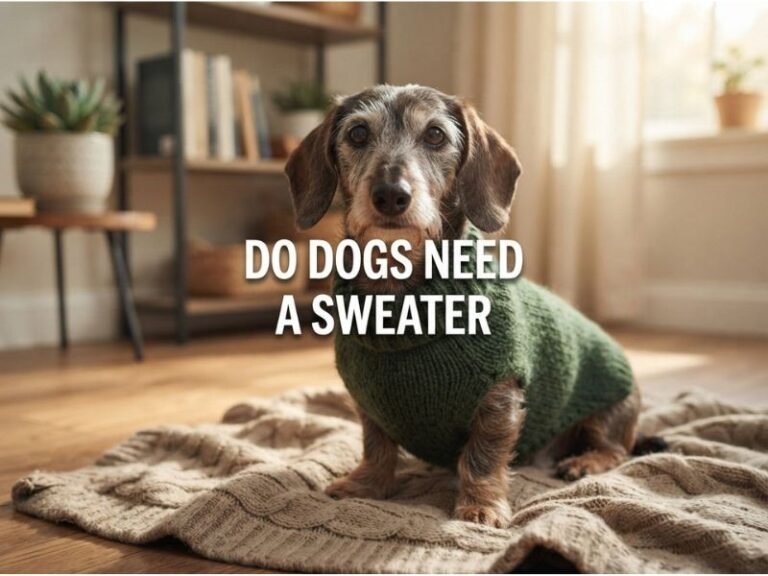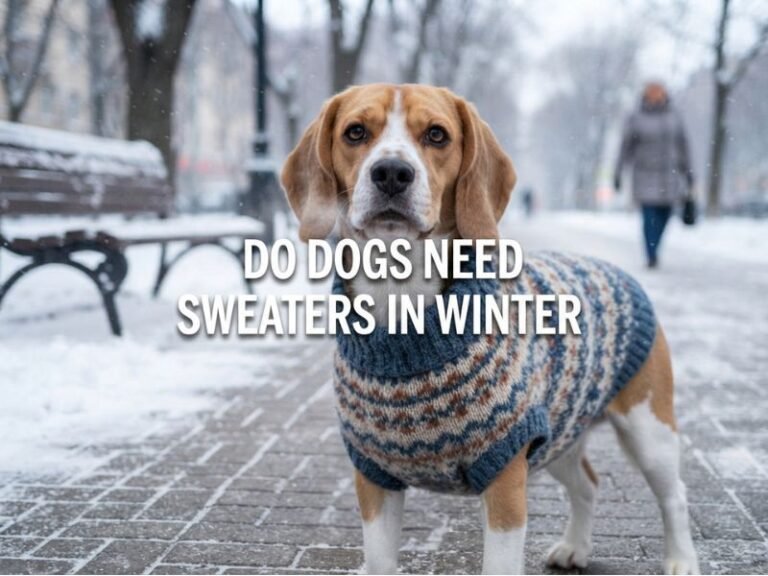
Does My Dog Need a Sweater: Key Facts and Helpful Explanations
A thick coat does not automatically mean a dog is comfortable in cold weather, and a small dog is not automatically in need of clothing. Breed, body size, age, health, coat type, wind, moisture, and activity level all change the answer. That is why a sweater can be useful for one dog and unnecessary—or unsafe—for another.
If I were deciding whether does my dog need a sweater, I would look at the dog’s behavior and the conditions rather than relying on a single temperature number. The guidance below explains which dogs are more vulnerable to cold, how to recognize discomfort, how to choose and introduce a sweater, and when a sweater is the wrong solution.
A sweater should provide comfortable insulation without restricting movement, trapping moisture, or replacing sensible veterinary care. In many cases, a few simple observations can help you make a confident decision.
Does my dog need a sweater?
Some dogs benefit from a sweater during cold-weather walks, while healthy, active dogs with dense coats may not need one at all. A dog is more likely to need extra warmth if the dog is small, thin-coated, hairless, elderly, very young, underweight, ill, or exposed to cold wind and wet conditions.
There is no universal “sweater temperature” that applies to every dog. A healthy Siberian Husky running outdoors may be comfortable in conditions that make a short-haired Chihuahua shiver. Even two dogs of the same breed can respond differently because of age, body condition, health, acclimation, and activity level.
I would consider a sweater when a dog shows signs of being cold or must spend time in conditions that are predictably difficult for that dog. I would not use clothing simply because a calendar says winter has arrived. A sweater is a comfort and protection tool, not a required accessory for every dog.
Which dogs are most likely to need extra warmth?
Certain physical and medical factors make heat loss more likely. These factors do not guarantee that a dog needs a sweater, but they justify closer observation.
Small and toy-breed dogs
Small dogs have a relatively large surface area compared with their body mass, so they can lose body heat quickly. Chihuahuas, toy Poodles, Yorkshire Terriers, Italian Greyhounds, and similar dogs may appreciate a sweater during chilly walks, especially if they are not running continuously.
A small dog can also become cold indoors if the home is drafty or the dog spends time on a cold floor. A warm bed may solve the problem better than clothing for indoor rest.
Short-haired, thin-coated, and hairless dogs
Dogs with little insulating fur have less protection from cold air. Greyhounds, Whippets, Boxers, Doberman Pinschers, and many short-haired mixed-breed dogs may need an extra layer in cool or windy weather. Hairless breeds generally require particular attention to both cold and sun exposure.
Short fur does not always mean poor cold tolerance, but it is an important clue. A lean body, minimal undercoat, and low activity level can combine to make a dog uncomfortable quickly.
Puppies and senior dogs
Puppies may have difficulty regulating body temperature, particularly when they are very young, small, or not yet acclimated to outdoor conditions. Senior dogs may also feel cold more readily because of reduced muscle mass, arthritis, illness, or lower activity.
A sweater may improve comfort for an older dog on a short walk, but sudden cold sensitivity in a previously comfortable dog deserves attention. Changes in behavior, appetite, mobility, or energy can indicate a health issue rather than a simple need for warmer clothing.
Underweight or medically vulnerable dogs
Dogs with low body fat, recovering from illness, or affected by conditions that alter circulation or metabolism may lose heat more easily. Dogs recovering from surgery may also need special protection, although a standard sweater should not cover or rub an incision unless a veterinarian approves it.
For a dog with diabetes, endocrine disease, heart disease, poor circulation, or another chronic condition, I would ask a veterinarian for personalized advice. Clothing can help with comfort, but it cannot correct an underlying problem.
Dogs with recently clipped coats
A grooming appointment can temporarily reduce a dog’s natural insulation. A dog that normally tolerates cool weather may need a light layer after a close haircut, especially during windy or wet conditions.
How cold weather affects dogs
Cold affects dogs through several routes. Air temperature matters, but wind, rain, snow, damp fur, ground contact, and inactivity can matter just as much. A calm, dry day may be comfortable at a temperature that feels unpleasant when wind and moisture are added.
Wind chill increases heat loss by moving cold air across the body. Wet fur loses much of its insulating ability, so a dog walking through rain or melting snow may become uncomfortable faster than a dry dog in colder air. A wet sweater can also make a dog colder if it remains against the skin.
Activity produces body heat. A dog jogging beside a person may stay warm while the same dog becomes cold while standing on leash, sitting in a car, or taking a slow stroll. Small dogs, puppies, and seniors often need breaks from the cold even when they appear willing to continue.
Indoor conditions matter too. Dogs that sleep near drafts, unheated rooms, or cold tile may need a warmer bed, blanket, or elevated resting surface. Clothing is not always necessary for a sleeping dog, and unsupervised clothing can create safety concerns.
Signs that a dog may be cold
Behavior is often the most useful guide. A dog that is uncomfortable may:
- Shiver or tremble
- Walk stiffly or hunch the back
- Lift paws repeatedly from the ground
- Whine, hesitate, or refuse to keep walking
- Try to return home or seek shelter
- Stand still, curl tightly, or tuck the tail
- Show unusual weakness, sleepiness, or confusion
Cold paws can occur briefly during a winter walk and do not always mean a dog is dangerously cold. However, persistent shivering, weakness, pale or gray gums, slow breathing, poor coordination, collapse, or unresponsiveness are urgent warning signs. Move the dog to a warm, dry place and contact a veterinarian promptly. Severe cold exposure can cause hypothermia, which is a medical emergency.
Frostbite is another concern, especially on ear tips, tail tips, paws, and other poorly insulated areas. Skin may appear pale, gray, blue, swollen, blistered, or painful. Do not rub or massage suspected frostbite, and seek veterinary care.
Overheating can also be a problem. Heavy panting, drooling, agitation, weakness, and attempts to remove clothing mean the dog may be too warm. I would remove the sweater and move the dog to a comfortable environment rather than assuming more insulation is better.
When a sweater may not be necessary
A healthy adult dog with a thick double coat may stay comfortable without a sweater during ordinary outdoor activity. Breeds developed for cold climates, including many Huskies, Malamutes, Newfoundlands, and similar dogs, often have substantial natural insulation.
That does not mean these dogs are immune to cold injury. Prolonged exposure, wet weather, wind, exhaustion, illness, and extreme temperatures can affect any dog. A thick coat also does not protect every body area equally, especially the paws.
A sweater may be unnecessary or uncomfortable when a dog is:
- Running or playing vigorously in mild weather
- Already panting or seeking a cooler surface
- Wearing a dense coat that mats under clothing
- Working in a warm indoor environment
- Resisting the garment or moving abnormally in it
Some dogs have naturally poor tolerance for clothing. If a dog freezes, scratches constantly, bites at the sweater, or cannot walk normally, forcing the garment can create stress and may be more harmful than the cold itself.
How to choose the right dog sweater
A useful sweater should fit the dog’s body, match the weather, and allow normal movement. I would prioritize function over appearance.
Fit and coverage
Measure the dog according to the manufacturer’s instructions. Common measurements include neck circumference, chest circumference, and back length from the base of the neck to the base of the tail. Weight alone is not a reliable sizing method because body shapes vary widely.
The sweater should sit close enough to retain warmth without pressing on the throat, chest, armpits, or belly. The dog should be able to walk, run, sit, lie down, urinate, and defecate without restriction. Check under the front legs and around the neck after several minutes because rubbing may not be obvious immediately.
Coverage should protect the torso without covering the face or interfering with the dog’s vision. Avoid garments with loose straps, dangling decorations, or parts that could catch on branches, crates, fences, or household furniture.
Material and weather resistance
Fleece, wool blends, and other insulating fabrics can work well in dry, cool weather. For rain, sleet, or wet snow, a water-resistant outer layer may be more useful than a thick knit sweater. A rain shell can block wind and moisture, while a warm layer underneath can add insulation when appropriate.
Choose breathable fabric and avoid materials that make the dog damp from trapped heat. Washable materials are practical because winter walks can expose clothing to mud, salt, and allergens.
Safety features
Inspect the sweater regularly for loose threads, stretched openings, damaged fasteners, or chewed pieces. Remove clothing if the dog is unsupervised unless a veterinarian has specifically recommended a safe garment for a medical reason.
Do not place a sweater over a harness or leash arrangement if the clothing changes the way equipment fits. A harness should remain secure and should not pull against a sweater in a way that restricts breathing or causes rubbing.
How to introduce a sweater without creating stress
Dogs often need time to understand clothing. I would introduce a sweater indoors when the dog is relaxed, rather than putting it on for the first time just before a cold walk.
- Let the dog sniff the sweater and reward calm interest.
- Touch the sweater briefly to the shoulder or back, then offer a treat.
- Place it on for a few seconds without fastening it if possible.
- Fasten it loosely and watch the dog take a few normal steps.
- Increase wearing time gradually while rewarding relaxed behavior.
- Try a short, calm outdoor trip before using it for a longer walk.
Some dogs accept clothing quickly; others need several short sessions. Never punish a dog for freezing, scratching, or trying to remove the garment. Those reactions provide information that the fit, fabric, temperature, or training pace needs to change.
Supervise the first outdoor uses carefully. Look for rubbing, tangled fur, restricted stride, abnormal panting, or difficulty eliminating. Remove the sweater if the dog appears distressed or overheated.
Winter protection beyond sweaters
A sweater protects the torso, but winter safety requires attention to the whole dog. Paw protection can be important because ice, snow, salt, and de-icing chemicals may irritate or injure the pads.
Paws and de-icing products
After a winter walk, inspect and wipe the paws. Remove packed snow from between the toes and check for redness, cracks, bleeding, or limping. Dog-safe paw balm may help with dryness, but a veterinarian can advise on recurring irritation.
Prevent the dog from licking large amounts of road salt or chemical de-icer. Store these products out of reach and wipe paws before the dog grooms them. Booties can offer protection if the dog accepts them and they fit correctly, but they should be introduced gradually just like sweaters.
Wet fur and drying
Dry a wet dog promptly with a towel and provide a warm resting area. A sweater should never be used as a substitute for drying. Check underneath the garment during use, since moisture can accumulate against the skin without being visible from the outside.
Outdoor time and shelter
Shorten walks when conditions are harsh, and provide breaks indoors for dogs that become cold easily. Never leave a dog unattended in a cold car. A vehicle can become dangerously cold, just as it can become dangerously hot.
Dogs kept outdoors need a dry, insulated shelter, protection from wind, unfrozen water, and adequate food. A sweater alone is not suitable housing or a substitute for bringing a vulnerable dog indoors.
Common sweater mistakes to avoid
Using a fixed temperature rule
A single temperature cutoff ignores breed, wind, wetness, age, health, and activity. Use temperature as one factor, then watch the individual dog.
Choosing style over fit
A cute garment that restricts the shoulders, presses the neck, or covers the tail area is not a good choice. I would rather use a simple, properly fitted layer than a decorative item that interferes with movement.
Leaving clothing on all day
Continuous wear can cause overheating, tangled fur, skin irritation, and hidden pressure points. Remove the sweater regularly, especially indoors, and inspect the skin and coat.
Ignoring dampness
A soaked sweater can increase heat loss. Replace wet clothing, dry the dog, and use a weather-resistant layer when rain or wet snow is expected.
Assuming a sweater solves illness
Shivering, lethargy, weakness, or sudden sensitivity to cold may signal pain or disease. Warm clothing should not delay a veterinary examination when symptoms are persistent, severe, or unusual for the dog.
When to call a veterinarian
Contact a veterinarian if a dog repeatedly seems cold indoors, develops sudden cold intolerance, or shows weakness, confusion, breathing changes, pale gums, collapse, or persistent shivering. Veterinary advice is especially important for puppies, seniors, underweight dogs, dogs with chronic disease, and dogs recovering from surgery.
A veterinarian can help distinguish normal cold sensitivity from anemia, hormonal disease, pain, circulation problems, infection, or another medical condition. Ask before using specialized warming products for a dog with a health condition, because excessive heat can be dangerous and some garments may interfere with treatment.
If frostbite or hypothermia is possible, move the dog away from the cold, avoid direct high heat such as a heating pad or hair dryer, and seek prompt professional care. Gentle warming and veterinary guidance are safer than attempting aggressive home treatment.
Frequently asked questions
Does every small dog need a sweater?
No. Small dogs often lose heat faster, but the need for a sweater depends on coat, body condition, health, activity, wind, and moisture. Watch for shivering, reluctance to walk, or attempts to seek warmth rather than relying on size alone.
What temperature is too cold for a dog without a sweater?
There is no safe universal cutoff for every dog. Wind, wet fur, body size, coat type, age, and health can change tolerance substantially. A short-haired senior dog may need protection in conditions that a healthy, thick-coated dog handles comfortably.
Should my dog wear a sweater indoors?
Usually not if the dog is comfortable, active, and able to rest in a warm area. A bed, blanket, or draft-free location may be safer for indoor warmth. If a dog consistently shivers indoors, consult a veterinarian instead of relying only on clothing.
Can a dog sleep in a sweater?
I generally would not leave a dog unattended or asleep for long periods in a sweater unless a veterinarian has recommended a specific garment. Clothing can twist, catch, overheat the dog, or hide skin irritation. Remove it during rest and provide a warm bed instead.
Do dogs with thick coats need sweaters in winter?
Many healthy, thick-coated dogs do not need sweaters for routine activity, but they can still become cold during prolonged exposure, wind, wet weather, illness, or inactivity. Monitor behavior and protect paws even when the torso is naturally insulated.
Does my dog need a sweater after being groomed?
A close haircut can reduce insulation temporarily, so a light layer may help in cool or windy weather. Make sure the garment does not irritate freshly groomed skin, and remove it if the dog becomes warm or uncomfortable.
Can a sweater prevent hypothermia?
A sweater may reduce heat loss in mild to moderately cold conditions, but it cannot guarantee safety in severe weather. It does not replace shorter outdoor exposure, dryness, shelter, supervision, or veterinary care when symptoms appear.
Conclusion
The best answer to “does my dog need a sweater” comes from combining the dog’s individual traits with the actual weather and the dog’s behavior. Small, short-haired, young, senior, thin, recently groomed, or medically vulnerable dogs are more likely to benefit from an extra layer. Choose a breathable, well-fitted garment, introduce it gradually, keep the dog dry, and remove it when the dog is warm or unsupervised. If cold sensitivity is sudden or severe, ask a veterinarian rather than treating the symptom with clothing alone.