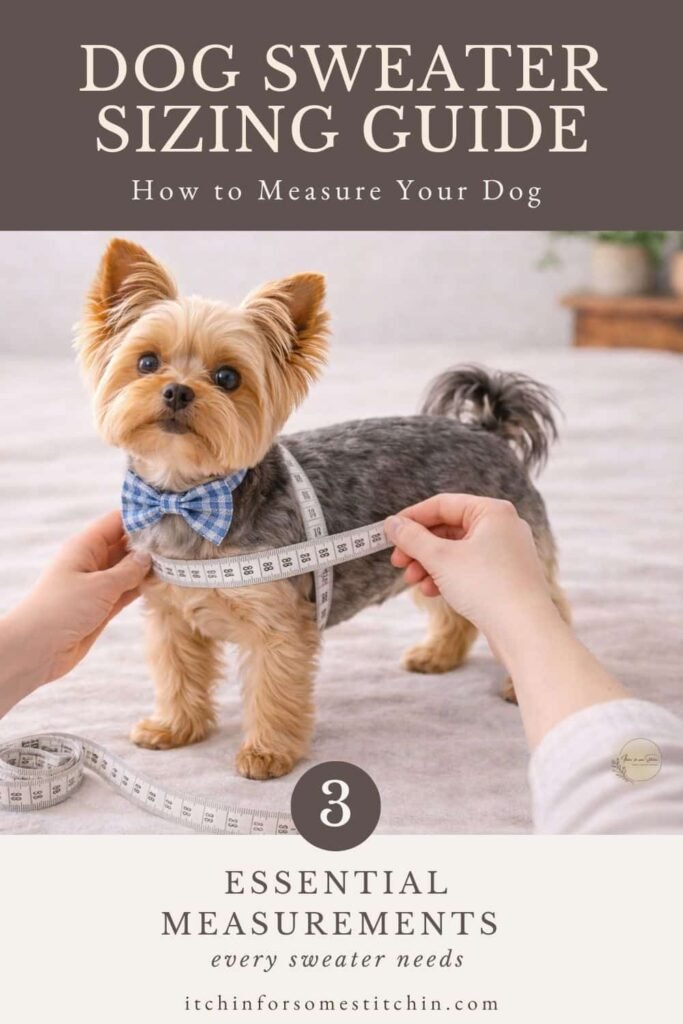
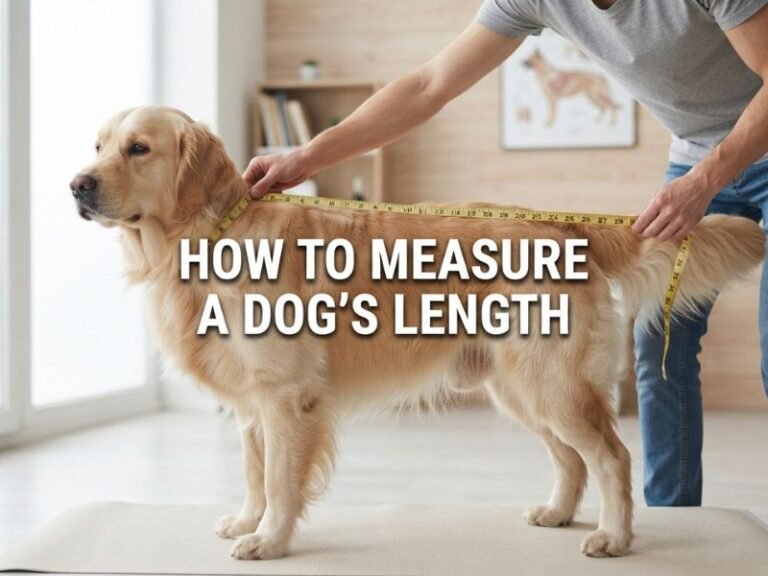
How to Measure a Dog Shoulder Height: A Simple Step-by-Step Guide
Knowing how to measure a dog shoulder height is useful for more than finding out how tall your dog is. This measurement can help when you compare breed standards, choose some types of equipment, assess growth, or record your dog’s size for travel and care needs.
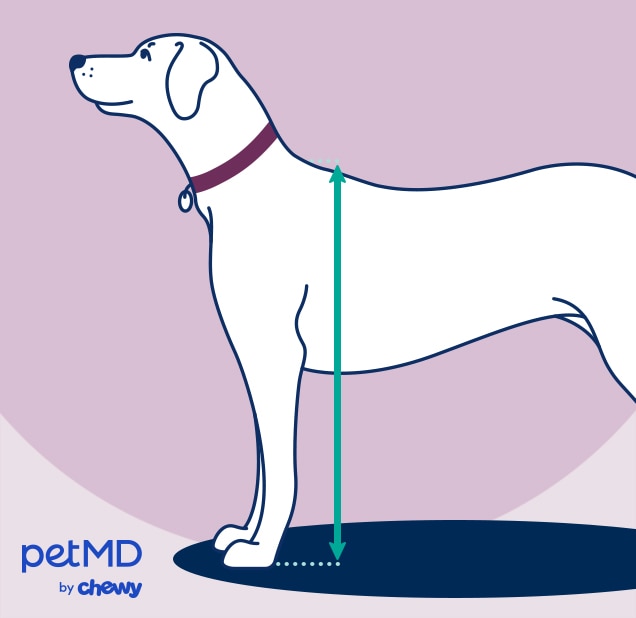
The key is to measure the right spot. A dog’s shoulder height is taken from the ground to the top of the withers, which is the highest point of the shoulder blades. Do not measure to the top of the head or ears, since those points can change with posture and head position.
For a reliable result, keep the process calm and simple. A flat floor, a tape measure or ruler, and a book or level object are usually enough. If your dog moves a lot, having a second person give treats and help keep the dog still can make the job much easier.
What Is Dog Shoulder Height?
Dog shoulder height is the vertical distance from the ground to the top of the dog’s withers. The withers sit at the top of the shoulder area, where the neck meets the back. This point is used because it stays more stable than the head, ears, or tail.
When people ask how to measure a dog shoulder height, they often mean this standard floor-to-withers measurement. It is also called height at the withers or dog height at the shoulder.
The measurement should be taken while the dog is standing. Your dog should stand in a natural pose, with the paws on the same flat surface and the head held in a relaxed position.
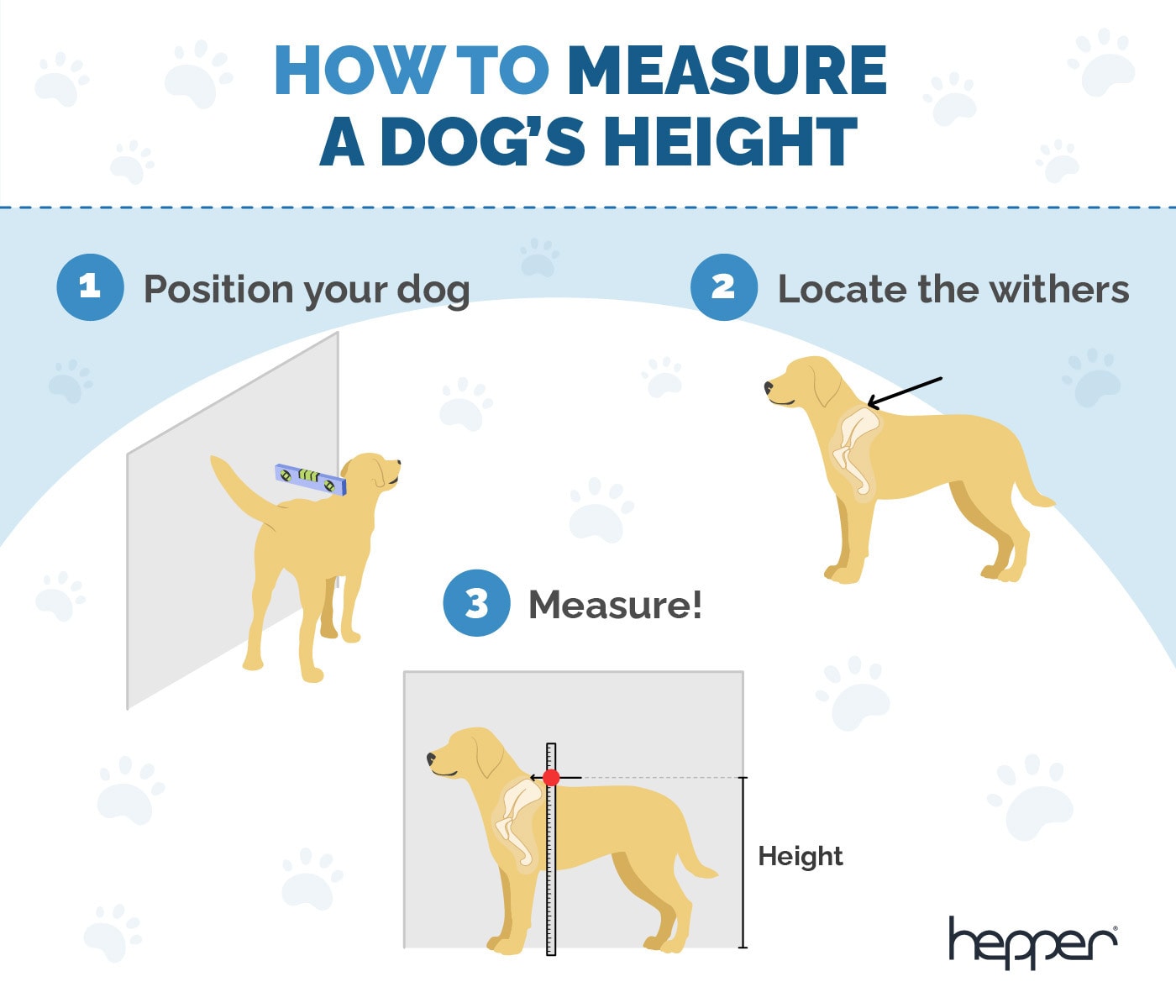
- ✦ Withers
The withers are the highest point of the shoulder area, just behind the base of the neck.
- ✦ Floor
Start at the flat surface directly below the withers. Do not measure from a soft bed, carpet with thick pile, or uneven ground.
- ✦ Vertical line
The measurement should run straight up from the floor to the withers. Avoid following the curve of the dog’s body.
Why the Withers Are Used
The withers provide a clear reference point for measuring a standing dog. The head can move up or down, and ears can add very different amounts of height. The withers give you a more consistent body landmark.
Breed descriptions and many dog size records use height at the withers. This makes it easier to compare dogs in a consistent way.
- ✦ More consistent
The withers change less with head position than the top of the head or ears.
- ✦ Easy to locate
The highest part of the shoulder area can usually be found by touch and sight.
What You Need to Measure a Dog’s Shoulder Height
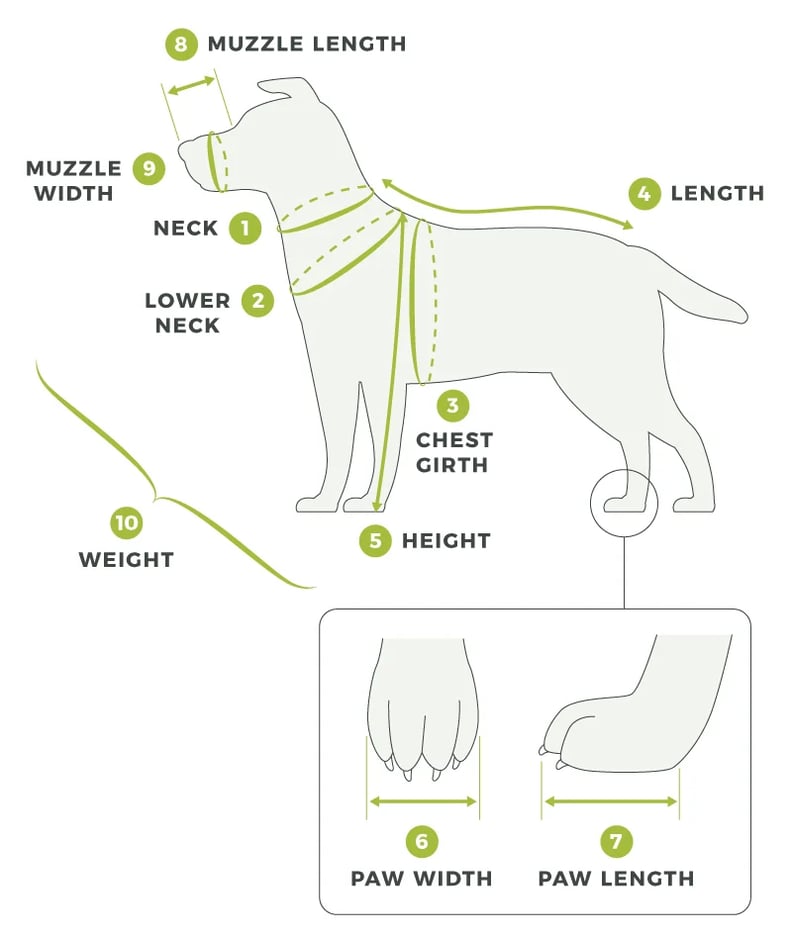
You do not need special equipment to learn how to measure a dog shoulder height at home. A few simple items can give you a good reading.
The best setup uses a hard, level floor and a flat object that can touch the wall or stand squarely above the withers. A helper can also be useful, especially if your dog does not like standing still.
- ✦ Tape measure
Use a flexible tape measure that shows inches, centimeters, or both.
- ✦ Flat book or ruler
A firm, flat object can help mark the height of the withers without bending the tape around the dog.
- ✦ Wall
A straight wall gives you a useful vertical reference when your dog can stand beside it safely.
- ✦ Helper
One person can keep the dog calm while the other takes the measurement.
- ✦ Treats
Small treats can encourage your dog to stand still without forcing the dog into an uncomfortable pose.
Choose the Right Measuring Spot
Pick a flat, hard surface such as a wood, tile, or vinyl floor. Avoid measuring on a soft dog bed because the paws can sink and change the result.
A quiet spot can also help. If your dog feels relaxed, the dog is more likely to stand in a normal position.
- ✦ Good surface
Use a firm, level floor where all four paws can sit naturally.
- ✦ Good position
Place the dog close to a wall if the dog is comfortable there, but do not push the body against it.
How to Measure a Dog Shoulder Height Step by Step
The most useful method for how to measure a dog shoulder height is simple: stand the dog correctly, find the withers, mark the height, and measure from the floor. Work slowly and avoid stretching or bending the measuring tool.
If your dog is calm, you can often finish in a few minutes. If your dog keeps moving, take a short break and try again rather than forcing the dog to stay still.
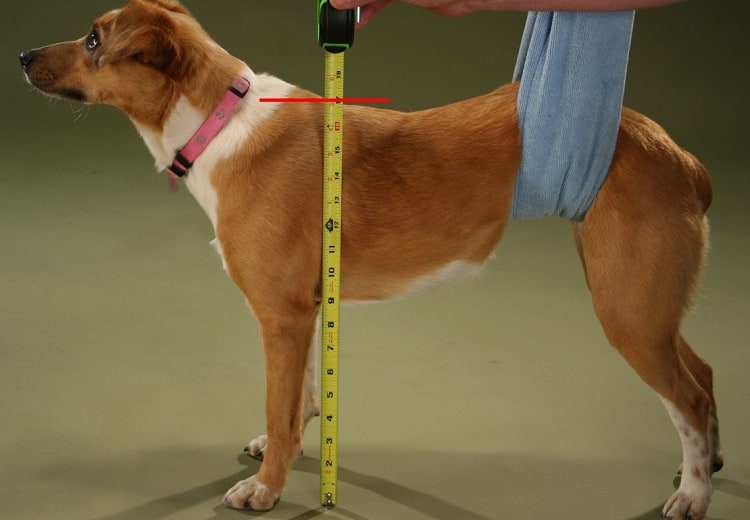
- ✦ 1. Stand your dog on a flat floor
Place your dog on a firm, level surface. Make sure all four paws are supported and the dog is standing naturally.
- ✦ 2. Find the withers
Run your hand gently from the base of the neck toward the shoulders. The withers are the highest point where the neck and shoulder area meet.
- ✦ 3. Keep the dog relaxed
Let the head stay in a normal position. Do not pull the head upward or press the dog into a pose.
- ✦ 4. Place a flat object at the withers
Hold a book, ruler, or other flat object level with the highest point of the withers. Keep the object flat rather than tilted.
- ✦ 5. Mark the wall or reference point
If the dog is beside a wall, mark the point where the flat object meets the wall. Keep the mark directly above the withers.
- ✦ 6. Measure from the floor
Measure straight from the floor to the mark. Keep the tape vertical for the most accurate result.
- ✦ 7. Repeat the reading
Take the measurement two or three times. If the readings are close, use the consistent value rather than relying on one quick measurement.
How to Find the Withers
Finding the withers is the most important part of learning how to measure a dog shoulder height. Start at the base of the dog’s neck and feel along the top of the shoulder blades. The highest point is usually easy to identify once you know what you are looking for.
Do not use the collar area as your measuring point. The collar can sit higher or lower depending on its fit, while the withers are a body landmark.
- ✦ Look for the highest shoulder point
Find the raised area where the neck transitions into the back.
- ✦ Check by touch
Gently feel the shoulder area if thick fur makes the landmark hard to see.
Keep the Measuring Tool Level
A tilted book or ruler can change the reading. Hold the flat edge level with the ground and let one edge touch the wall or another fixed vertical surface.
For a large dog, a carpenter’s level or long ruler can make this step easier. For a small dog, a firm book may work well.
- ✦ Level object
Keep the object horizontal so it forms a clear right angle with the wall.
- ✦ Vertical tape
Keep the tape measure straight up and down rather than following the dog’s back.
How to Measure a Dog Shoulder Height Without a Wall
You can still learn how to measure a dog shoulder height if you do not have a clear wall. This can be useful outdoors, at a park, or in a room where your dog does not stand well against a wall.
Use a measuring stick, yardstick, or other straight tool. Place one end on the floor and align the tool with the top of the withers while keeping it straight.

- ✦ Use a yardstick
Stand the yardstick upright beside the dog and read the height at the withers.
- ✦ Use two rulers
One tool can stay vertical while another rests level across the withers to create a clear reference.
- ✦ Have a helper check alignment
A second person can look from the side and confirm that the measuring tool stays vertical and level.
The Two-Person Method
The two-person method is often easier with an active dog. One person keeps the dog calm and watches the stance, while the other handles the measuring tool.
The person holding the dog should avoid pulling on the collar. The goal is to keep the dog standing naturally, not to stretch the body.
- ✦ Person one
Keeps the dog relaxed and helps maintain a natural standing position.
- ✦ Person two
Finds the withers, aligns the tool, and records the measurement.
Common Mistakes When Measuring Dog Shoulder Height
Even a simple measurement can go wrong when the dog moves or the tools are not aligned. Most errors come from choosing the wrong body point or measuring along an angle.
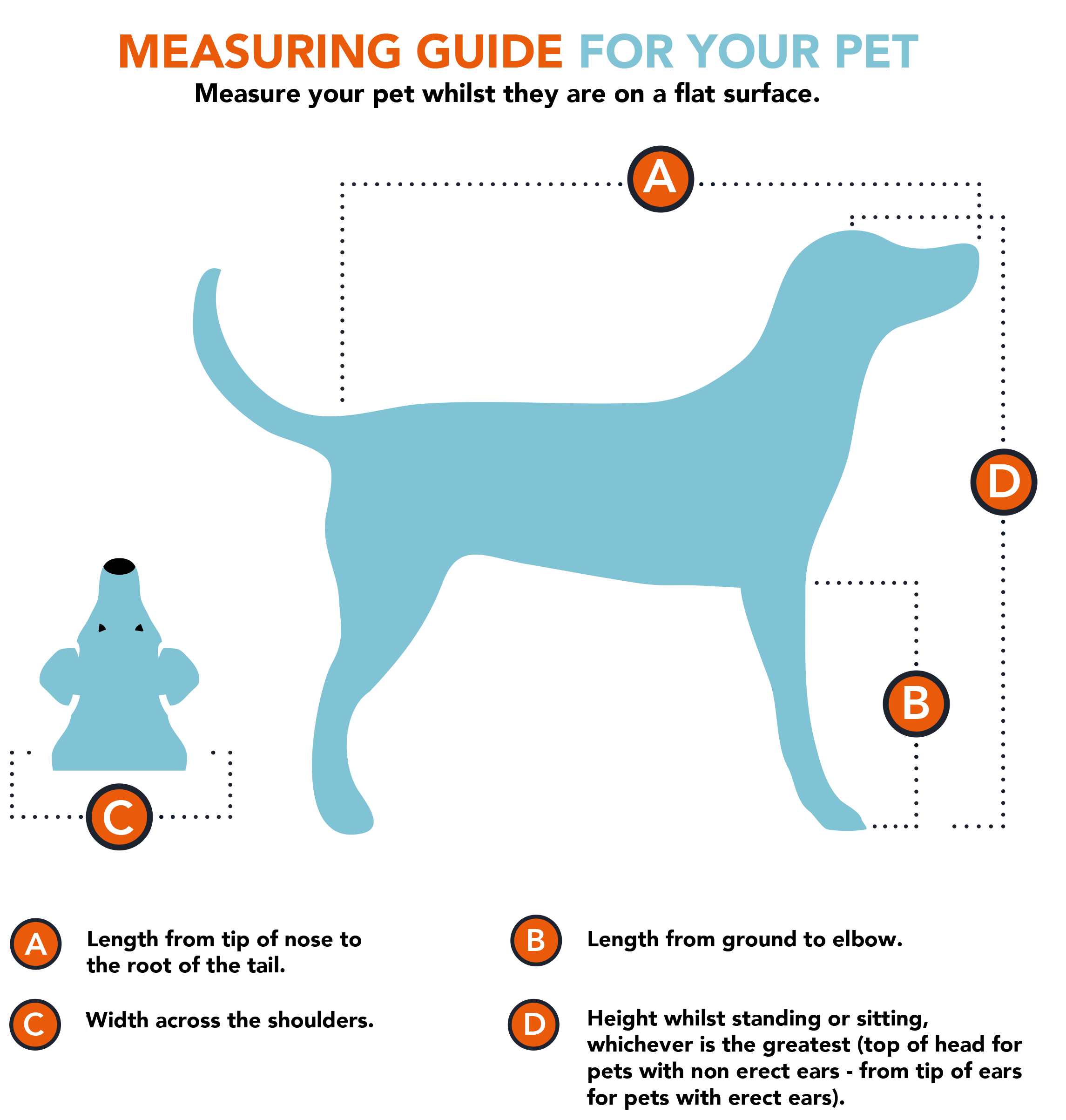
When learning how to measure a dog shoulder height, focus on repeatable technique. The goal is not to make the dog look taller or shorter. The goal is to record the dog’s natural standing height.
- ✦ Measuring to the head
The top of the head is not the standard shoulder-height point. Head position can change the reading.
- ✦ Measuring to the ears
Ears may stand, fold, or move, so they should not be used for shoulder height.
- ✦ Using a soft surface
A thick rug or soft bed can let the paws sink and produce a different measurement.
- ✦ Tilting the ruler
A tilted ruler can make the vertical distance look larger or smaller than it really is.
- ✦ Following the dog’s back
The measurement should be vertical. Do not run the tape along the curve of the back.
- ✦ Stretching the dog
Pulling the neck or legs into an unnatural pose can change the reading and make the dog uncomfortable.
- ✦ Measuring a sitting dog
A sitting dog cannot give a standard standing shoulder-height measurement.
What to Do If Your Dog Will Not Stand Still
Some dogs dislike measuring tools or simply want to investigate them. Use calm praise and small treats to build a relaxed routine. You can also let your dog sniff the tape or ruler before you begin.
Take several short attempts instead of trying to force one perfect measurement. If your dog becomes stressed, stop and try again later.
- ✦ Use rewards
Give a small treat when your dog stands calmly.
- ✦ Keep sessions short
A few calm attempts are often better than one long session.
- ✦ Ask for help
A helper can make it easier to manage the dog and check the measuring position.
How Accurate Should a Dog Shoulder Height Measurement Be?
For everyday use, a measurement within a small range is often enough. If you are checking growth, comparing a dog with a size guide, or recording a measurement for a formal purpose, use the same method each time.
Repeatability matters as much as the first reading. If you measure your dog today and again next month, use the same floor, body point, stance, and tools when possible.
Fur can make the withers harder to see, but do not press thick fur down with force. Find the body landmark beneath the coat and keep the measuring method gentle.
- ✦ Take multiple readings
Measure two or three times and compare the results.
- ✦ Record the unit
Write down whether the result is in inches or centimeters.
- ✦ Use the same method
Consistent technique makes measurements easier to compare over time.
- ✦ Round only when needed
Keep the exact reading for your records and round only when a size guide asks you to.
Inches Versus Centimeters
In the United States, dog height is commonly discussed in inches. Some manufacturers, veterinary resources, and international records use centimeters instead.
If you need to convert the result, remember that 1 inch equals 2.54 centimeters. Keep the original measurement too, so you can check the conversion later.
- ✦ Inches
A common unit for U.S. dog size information and many American product guides.
- ✦ Centimeters
A metric unit often used in international dog records and measurements.
Why Measuring Shoulder Height Can Be Useful
A dog’s height is one part of understanding body size. A shoulder-height measurement can help you track a puppy’s growth, compare a dog with breed information, and keep a useful record of your pet’s physical size.
It can also help when you need to understand whether a product or space may suit your dog. Still, shoulder height is only one measurement. Chest size, body length, weight, and overall shape may matter just as much for a good fit.

- ✦ Growth records
Regular measurements can help you keep a simple record of how a young dog grows.
- ✦ Breed information
You can compare your dog’s height with published breed descriptions without treating the comparison as a diagnosis or rule.
- ✦ Equipment planning
Some dog products and spaces use height as one part of their size information.
- ✦ Travel planning
Height can be useful when checking space limits, but always follow the exact requirements of the airline, carrier, hotel, or transport provider.
Shoulder Height Is Not the Same as Body Length
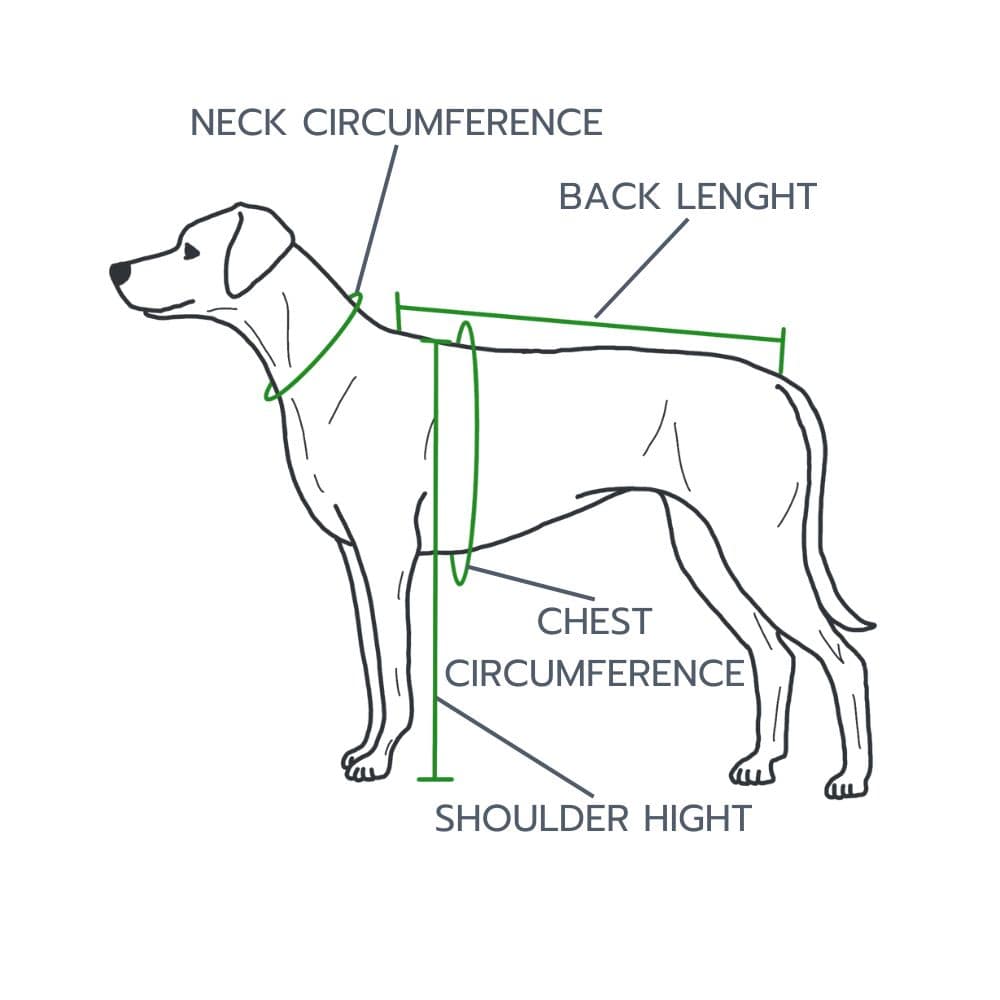
Shoulder height tells you how tall a dog is from the ground to the withers. Body length is a different measurement, usually taken from the front of the chest or shoulder area toward the base of the tail, depending on the product guide.
Do not use shoulder height as a substitute for another measurement. If you are buying clothing, a crate, a harness, or another product, follow that item’s measuring instructions.
- ✦ Height
Floor to the top of the withers.
- ✦ Length
A separate front-to-back measurement used for some products and size guides.
- ✦ Girth
A measurement around part of the dog’s body, often used for clothing and harness fit.
Tips for Measuring Puppies and Small Dogs
Puppies can be harder to measure because they move often and may not yet understand the standing position. Small dogs can also be tricky because the withers are close to the ground and small changes in stance can affect the reading.
When learning how to measure a dog shoulder height for a puppy, use a firm surface and keep the process brief. Take several readings over time rather than trying to get a perfect result from one attempt.

- ✦ Measure when calm
Choose a time when the puppy is relaxed but awake enough to stand.
- ✦ Use a small flat tool
A short ruler or firm book may be easier to control than a large measuring tool.
- ✦ Reward calm behavior
A treat can help the puppy learn that standing for a measurement is safe and routine.
- ✦ Keep a growth record
Write down the date and measurement so you can compare later readings.
How Often Should You Measure a Growing Dog?
There is no single schedule that fits every puppy. If you want to track growth, choose a simple schedule that you can repeat with the same method.
A measurement log can include the date, age, shoulder height, weight if relevant, and any notes about the dog’s stance. This creates a clearer record than relying on memory.
- ✦ Date
Record the day of each measurement.
- ✦ Height
Write down the floor-to-withers measurement in the same unit.
- ✦ Notes
Mention anything that could affect the reading, such as an unusual stance or a moving dog.