Are Dog Boots Safe for Dogs? A Complete Guide to Safe Paw Protection
If you have wondered, **are dog boots safe for dogs**, the short answer is yes, in most cases. The boots themselves are not the main concern. The fit, design, weather, walking surface, and time of use matter more. A good boot should protect the paw without changing the dog’s natural walk too much.
Many dogs in the United States face rough pavement, hot sidewalks, winter ice, road salt, rocky trails, or wet ground. Boots can add a useful layer of protection in these settings. Still, a boot should never be treated as a cure for a paw problem or used without checking the paw underneath.
A simple rule is helpful: **a dog boot should protect, not pressure**. If your dog shows pain, keeps trying to remove the boot, limps, or develops red skin, take the boot off and check the paw. With the right fit and a slow introduction, many dogs can wear boots safely for walks and outdoor trips.
Are Dog Boots Safe for Dogs in Everyday Use?
For healthy dogs, well-fitted boots can be safe for everyday walks when conditions call for paw protection. Dogs do not need boots for every walk. Their paw pads already provide strong protection on many normal surfaces.
The main safety goal is to keep the boot snug without making it tight. Your dog should be able to move each paw in a normal way. The boot should also stay in place without rubbing the toes, pads, nails, or skin.
So, are dog boots safe for dogs during normal walks? They can be, but more protection is not always better. Use boots when they solve a real problem, and remove them when they are no longer needed.
Watch your dog during the first few uses. A few odd steps at first can be normal as the dog learns the new feel. Persistent limping, repeated chewing, or clear distress means you should stop and check the fit.

- ✦ Good fit
The boot stays on without squeezing the paw or sliding back and forth.
- ✦ Safe movement
Your dog can walk, turn, sit, and climb without a major change in movement.
- ✦ Dry skin
The paw and skin stay reasonably dry, with no signs of rubbing or trapped moisture.
- ✦ Right use
The boots match the surface and weather rather than being worn simply because they look useful.
When Dogs May Not Need Boots
Many dogs can walk safely on clean grass, dry soil, and mild-weather sidewalks without boots. If the ground is comfortable and free of hazards, bare paws may be all your dog needs.
Some dogs also dislike boots and may become tense when wearing them. If there is no clear need for boots, you can often skip them and focus on regular paw checks.
- ✦ Mild conditions
Normal temperatures and safe walking surfaces often do not require extra paw protection.
- ✦ Short easy walks
A brief walk on a familiar, safe surface may not create enough paw stress to need boots.
When Dog Boots Can Protect Your Dog’s Paws
Dog boots can be useful when the ground is too hot, cold, rough, wet, or contaminated for comfortable bare-paw walking. They create a barrier between the paw and the surface.
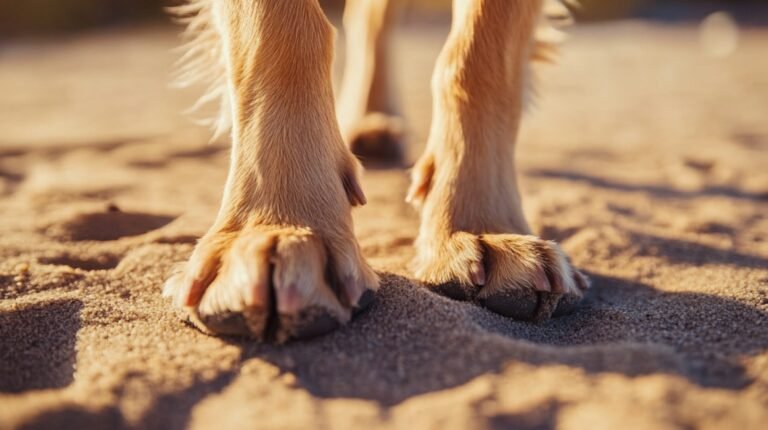
This can matter during a hot U.S. summer. Asphalt and concrete can become much hotter than the surrounding air. A dog may suffer paw burns before the owner notices how hot the surface feels.
Winter creates a different set of problems. Ice, packed snow, and road salt can irritate paw pads. Boots can also reduce the amount of snow that packs between the toes.
For hiking dogs, boots may help protect against rough rocks, gravel, thorns, and other sharp debris. They can also help keep an injured paw clean when a veterinarian has approved their use.

- ✦ Hot pavement
Boots can reduce direct contact with hot asphalt, concrete, and other heated surfaces.
- ✦ Snow and ice
Winter boots can reduce contact with ice and help limit snow buildup around the paws.
- ✦ Road salt
Boots can reduce contact with de-icing salt and other substances that may irritate paws.
- ✦ Rough trails
A sturdy boot can add a layer between paw pads and rough rocks, gravel, or plant debris.
- ✦ Wet ground
Water-resistant boots can help keep paws cleaner and drier during wet walks.
Dog Boots for Winter
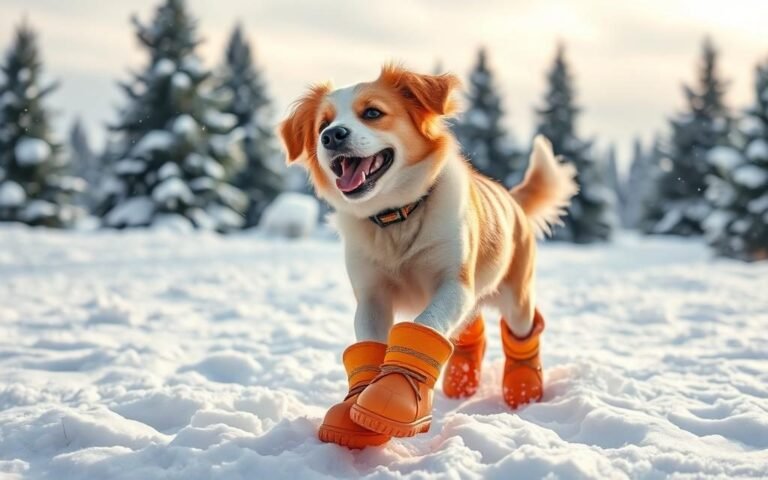
Winter is one of the most common times people ask, are dog boots safe for dogs. In cold weather, boots can help protect paws from ice, snow, salt, and frozen ground.
Choose a boot with a sole that offers traction. A loose boot can collect snow or slip around the paw. After a walk, remove the boots and inspect the skin, nails, and spaces between the toes.
- ✦ Check for ice
Look between the toes and around the boot opening for packed snow or ice.
- ✦ Watch the fit
Winter boots should stay secure without creating a tight band around the leg.
What Risks Can Dog Boots Cause?
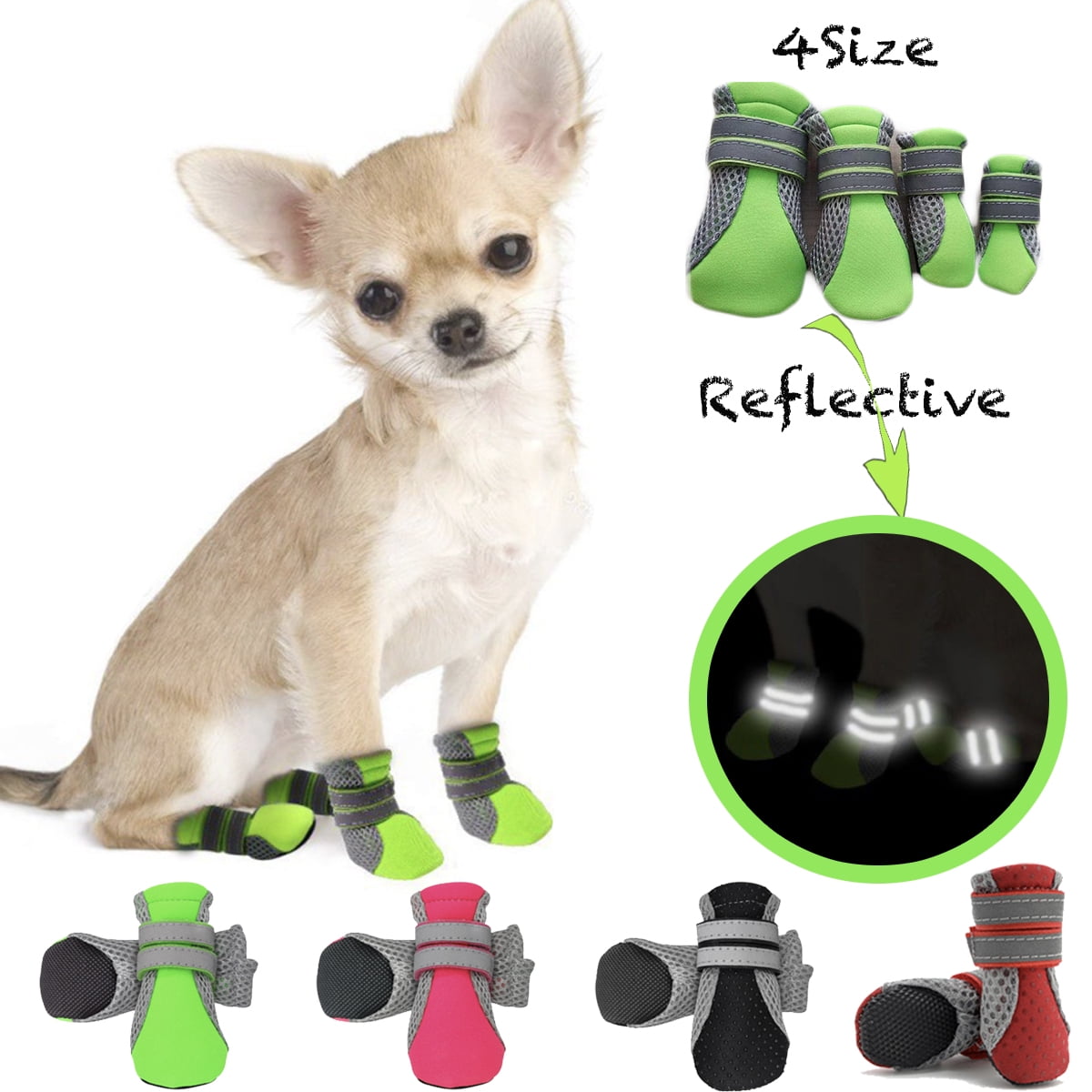
The question are dog boots safe for dogs also requires a look at the possible downsides. A boot that fits badly can rub the paw or leg. A boot that is too loose can twist, fall off, or affect your dog’s footing.
Moisture can create another problem. Wet paws inside a boot for too long may become soft and irritated. This is one reason to remove boots after a walk and let the paws dry.
Some dogs may also change their gait when they first wear boots. This can be harmless during a short adjustment period, but a dog that keeps limping should not be asked to continue.
Boots can also hide a problem. If a dog has a cut, swelling, cracked pad, or sore nail, the boot may make it harder to notice. Regular checks are important.
- ✦ Rubbing
A poor fit can cause redness, hair loss, blisters, or sore spots.
- ✦ Too much pressure
A strap that is too tight can make the dog uncomfortable and may affect normal circulation.
- ✦ Moisture
Sweat, rain, snow, or wet grass trapped inside a boot can irritate skin.
- ✦ Slipping
A loose or poorly designed boot may move under the paw and reduce stable footing.
- ✦ Stress
Some dogs find boots upsetting and may freeze, bite at them, or refuse to walk.
Signs the Boots Are Causing a Problem
Your dog can tell you a lot through body language. A sudden limp, repeated licking, chewing at the boot, or refusal to walk deserves attention.
Take the boots off and inspect the paws if you notice a change. Look for red skin, swelling, cuts, damp fur, pressure marks, or foreign material.
- ✦ Limping
Stop the walk if your dog continues to limp after putting on the boots.
- ✦ Red marks
Red or raw areas can mean the boot is rubbing or too tight.
- ✦ Chewing
Repeated chewing or pulling at one boot may signal discomfort or a poor fit.
- ✦ Swelling
Remove the boot and seek veterinary advice if you see unusual swelling or ongoing pain.
How to Choose Safe Dog Boots
Choosing the right boot is one of the best ways to keep boot use safe. Do not choose only by your dog’s weight or breed. Paw shape and paw width matter, and each brand may size its boots in a different way.
Measure the paw as the manufacturer instructs. A boot that looks small on the outside may fit well, while a boot that looks large may slide around. Always compare the measurement with the brand’s own size chart.
Look for a flexible design that suits your dog’s activity. A light boot may work well for city walks, while a tougher sole may make more sense for hiking or icy ground.
The opening should hold the boot in place without pressing hard into the leg. Fasteners should stay secure during movement but should not leave deep marks.

- ✦ Correct size
Use paw measurements and the manufacturer’s size chart rather than guessing from breed or weight.
- ✦ Good traction
A non-slip sole can help on wet, icy, or smooth surfaces.
- ✦ Flexible build
A flexible boot can make it easier for your dog to move the paw naturally.
- ✦ Secure closure
The closure should prevent slipping without squeezing the leg.
- ✦ Breathable materials
Materials that allow some airflow can help reduce trapped heat and moisture.
How a Dog Boot Should Fit
A safe boot should sit firmly on the paw but should not squeeze it. The toes should have room to spread and move. The boot should not twist as your dog walks.
After a short test walk, remove each boot and check the skin. Mild marks from contact may occur, but persistent red areas, raw skin, or swelling are warning signs.
- ✦ No twisting
The boot should stay aligned with the paw during normal walking.
- ✦ No deep marks
Fasteners should not leave strong pressure lines on the skin.
- ✦ Room for movement
Your dog should be able to flex the paw and walk without a forced gait.
How to Get a Dog Used to Wearing Boots
Even safe boots can feel strange at first. Many dogs lift their feet, walk stiffly, or try to remove the boots during the first few sessions. This does not always mean the boots are unsafe.
Start inside your home on a clean, dry floor. Put on one boot, offer praise or a small reward, and let your dog take a few steps. Keep the first session short.
Once your dog accepts one boot, try all four for a brief period. Increase the time slowly. Then move to a short outdoor walk before using the boots for a long hike or winter outing.
If your dog remains distressed, do not force the boots. You can try a different style or ask a veterinarian for advice, especially if paw protection is needed for a medical reason.

- ✦ Start indoors
Let your dog learn the feel of the boots in a calm and familiar place.
- ✦ Use short sessions
Begin with a few minutes and increase the time only when your dog stays comfortable.
- ✦ Reward calm behavior
Praise and rewards can help create a positive link with wearing boots.
- ✦ Practice walking
Let your dog walk, turn, sit, and stop before trying a longer outdoor trip.
Do Not Force a Distressed Dog
A dog that keeps panicking, biting at the boots, or refusing to move may need a different approach. Take the boots off and give the dog time to relax.
If boots are needed because of an injury or skin problem, ask your veterinarian about the safest design and wearing time. Medical paw protection can need different rules from ordinary outdoor boots.
- ✦ Stop if distress continues
Remove the boots when your dog shows ongoing fear, pain, or strong resistance.
- ✦ Try another style
Different shapes, closures, and sole designs may feel much better on some dogs.
How Long Can Dogs Safely Wear Boots?
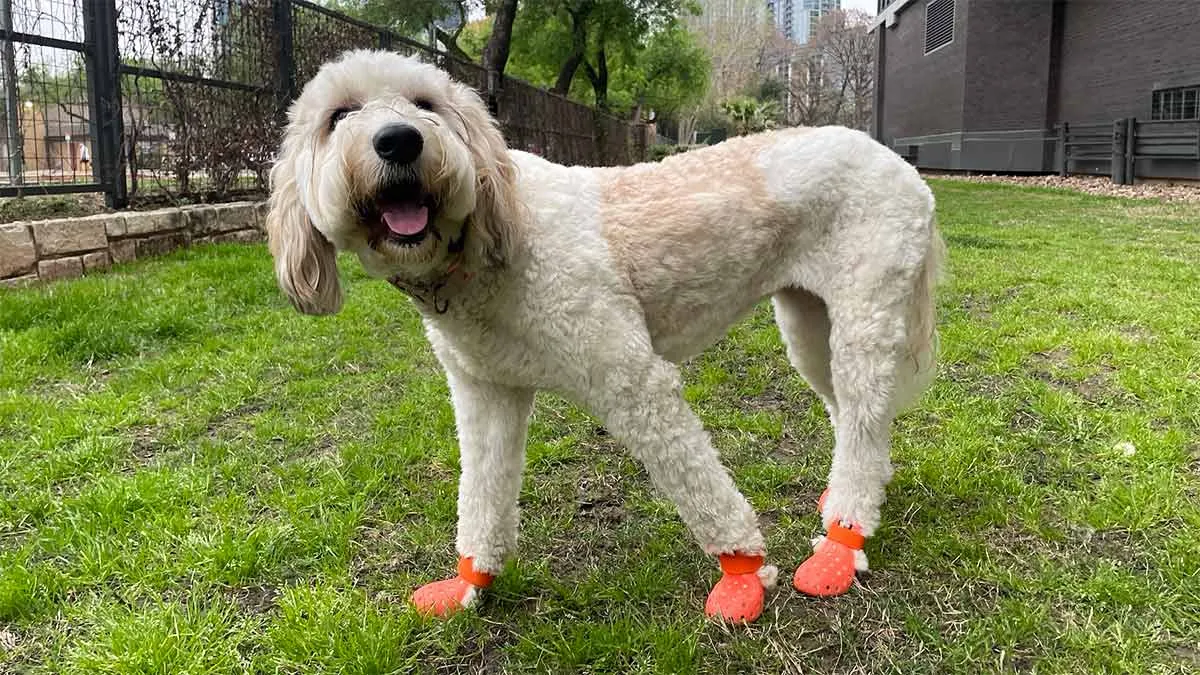
There is no single safe time limit for every dog or every boot. The right amount of time depends on the weather, activity, boot design, fit, and your dog’s paws.
For a new wearer, short sessions are best. During longer walks, check the boots and paws when you get a chance. If a boot becomes wet, damaged, twisted, or filled with snow, remove it and fix the problem.
Take the boots off when you return home unless a veterinarian has given you different instructions. This lets you inspect the paws and gives the skin time without the boot.
- ✦ New users
Use brief sessions while your dog learns to walk comfortably in the boots.
- ✦ Long walks
Check the boots and paws during longer outings, especially in wet or snowy conditions.
- ✦ After walks
Remove the boots, clean the paws if needed, and check for irritation or trapped debris.
- ✦ Medical use
Follow your veterinarian’s instructions when boots protect an injured or treated paw.
When to Remove Dog Boots Right Away
Remove a boot if it slips badly, becomes soaked inside, causes limping, or shows signs of rubbing. Do not wait for a sore to develop.
If one paw looks different from the others, compare all four paws. A problem with one boot can be easier to spot this way.
- ✦ Wet inside
Remove and dry the boot and paw when moisture collects inside.
- ✦ Damaged boot
Replace a torn or broken boot that can change the dog’s footing or expose the paw.
Are Dog Boots Safe for Dogs With Paw Injuries?
A dog boot may help protect an injured paw from dirt or moisture, but injury care is different from normal boot use. A boot should not replace veterinary treatment or cover a wound without guidance.
If your dog has a cut, burn, swelling, infection, torn nail, or another painful paw problem, ask a veterinarian whether a boot is appropriate. Some wounds need air, medication, bandaging, or other care that a boot may interfere with.
If a veterinarian recommends a protective boot, follow the instructions for fit, cleaning, and wear time. Check the paw often because an injured paw may be more sensitive to pressure.

- ✦ Ask before use
Get veterinary guidance when a boot will cover an injured, infected, or treated paw.
- ✦ Check often
Inspect the paw for increased redness, swelling, moisture, or discharge.
- ✦ Keep it clean
Clean the boot as directed and keep the paw dry when possible.
Dogs With Arthritis or Mobility Problems
Some dogs with mobility problems may benefit from boots with good traction. A non-slip sole can help on certain smooth surfaces. However, the boot must not make the dog walk in an unusual or stiff way.
If your dog already has trouble walking, ask your veterinarian or a qualified rehabilitation professional whether boots are suitable. The best paw protection for one dog may not suit another.
- ✦ Traction matters
Choose a sole that supports stable footing on the surfaces your dog uses.
- ✦ Watch the gait
Stop use if the boot makes walking less stable or causes a new limp.
How to Check Your Dog’s Paws After Wearing Boots
A quick paw check can catch most boot problems early. Make it part of your routine after winter walks, hot-weather walks, hikes, and any long outing with boots.
Look at the paw pads, nails, spaces between the toes, and skin around the boot opening. Feel gently for heat, swelling, or tenderness if your dog allows it.
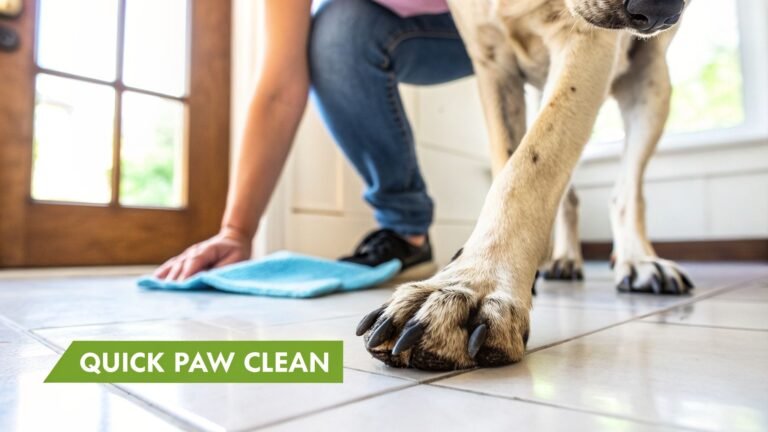
Clean off salt, mud, sand, or other debris as needed. Dry the paws before putting boots back on.
- ✦ Paw pads
Look for cuts, cracks, burns, swelling, or unusual redness.
- ✦ Between the toes
Check for trapped snow, stones, dirt, or damp fur.
- ✦ Nails
Make sure nails are not catching on the boot or showing signs of injury.
- ✦ Skin
Look for pressure marks or rubbed areas around the paw and boot opening.
When to Call a Veterinarian
Contact your veterinarian if your dog has ongoing pain, bleeding, swelling, a deep cut, a burn, or a wound that does not improve. Also seek advice when your dog repeatedly develops sores from boots despite careful fitting.
A persistent limp after removing the boots is another reason to seek veterinary advice. The problem may be the paw, leg, joint, or boot fit.
- ✦ Ongoing pain
Persistent pain after the boot comes off needs professional assessment.
- ✦ Open wound
Bleeding or an open wound may need treatment rather than simple boot protection.
- ✦ Repeated sores
Recurring irritation suggests that the boot, size, material, or use pattern needs review.