Train a chinchilla through trust, repetition, rewards, and short daily practice sessions.
In the United States, chinchillas are popular small pets known for their intelligence, curiosity, and sensitivity. Many owners want to know how to train a chinchilla so it becomes easier to handle, safer during out-of-cage time, and more comfortable around people.
Successful training focuses on building trust before teaching behaviors. Chinchillas respond best to positive reinforcement, patience, and consistent routines. Most can learn to come when called, enter a carrier, use a litter area more reliably, and perform simple tricks when training sessions remain short and stress-free.
Source: i.ytimg.com
Understanding How Chinchillas Learn
Before learning how to train a chinchilla, it helps to understand its natural behavior. Chinchillas are prey animals. They are cautious around new people, sounds, and environments.
Most chinchillas learn through repetition and rewards. They associate actions with positive outcomes such as treats, praise, or access to playtime. Harsh corrections can damage trust and slow progress.
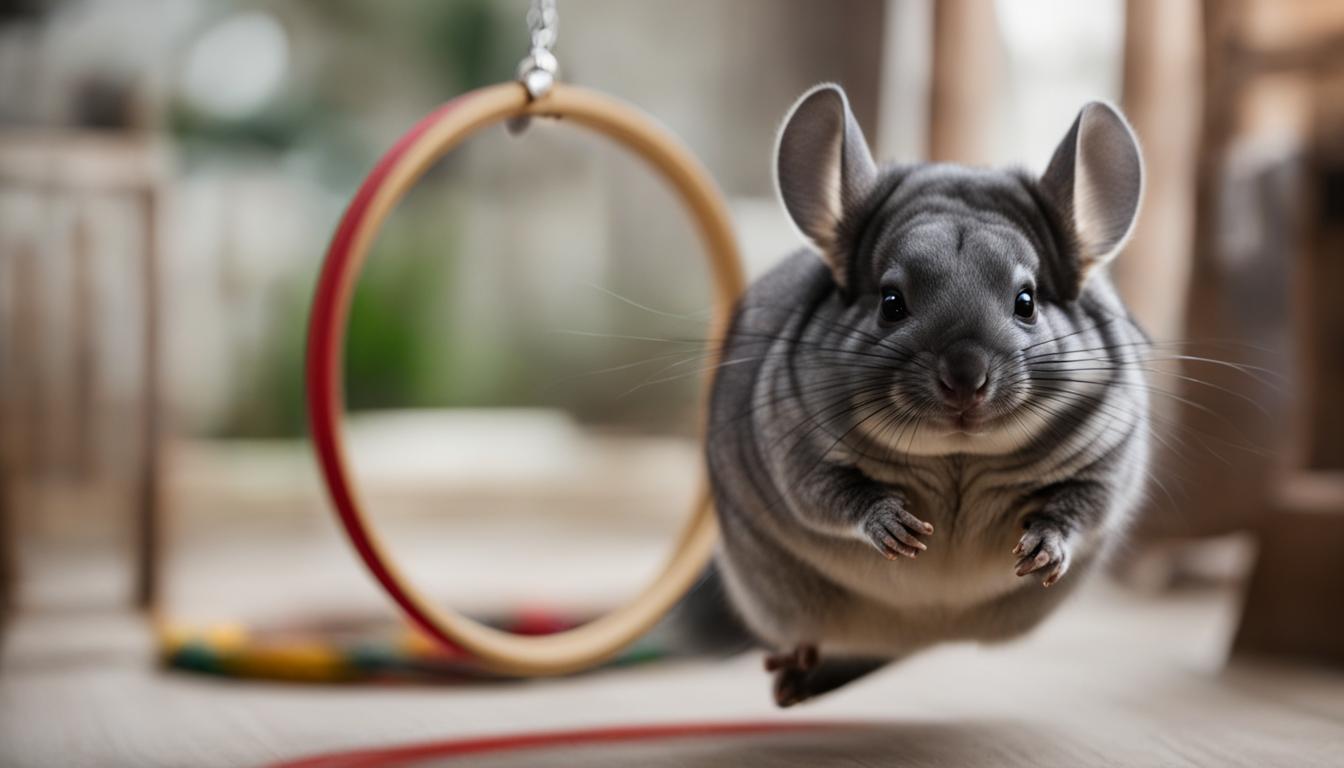
Source: i.pinimg.com
Positive reinforcement
Reward desired behaviors immediately.
Consistency
Use the same cues and routines every day.
Patience
Allow the chinchilla to progress at its own pace.
Signs Your Chinchilla Is Ready to Learn
A chinchilla that approaches you willingly, accepts treats, and explores confidently is usually ready for training. Fearful or newly adopted chinchillas may need additional bonding time first.
Relaxed body language
Shows curiosity without hiding constantly.
Build Trust Before Teaching Commands
Trust-building is the most important step in how to train a chinchilla. A chinchilla that trusts its owner is more likely to cooperate and less likely to hide or resist handling.
Spend time sitting near the cage, speaking softly, and offering approved treats from your hand. Let the chinchilla choose to approach rather than forcing interaction.
Source: pethealthcaretips.com
Hand feeding
Creates positive associations with your presence.
Routine
Interact at similar times each day.
Mistakes to Avoid
Avoid chasing, grabbing suddenly, or forcing a chinchilla to be held. These actions can create fear and make future training more difficult.
No punishment
Punishment can damage trust and cause stress.
Step-by-Step Training Method
The most effective way to train a chinchilla is through a structured process. Start with one behavior at a time and reward every successful attempt.
Begin in a quiet environment with few distractions. Use a consistent verbal cue and provide a small reward immediately after the correct response.
Source: i.pinimg.com
Step 1
Choose one simple behavior.
Step 2
Use a cue word or gesture.
Step 3
Reward instantly after success.
Step 4
Repeat several short sessions.
Signs of Success
A trained behavior becomes more reliable over time. The chinchilla responds faster, needs fewer rewards, and performs the action in different settings.
Reliable response
Performs the behavior most of the time.
Useful Behaviors You Can Teach
Many owners focus on practical behaviors that improve safety and handling. These skills are often more valuable than teaching entertainment tricks.
Training should progress gradually from simple tasks to more advanced behaviors.
Source: planetchinchilla.com
Come when called
Helps during supervised playtime.
Enter a carrier
Makes travel and veterinary visits easier.
Step onto a hand
Improves handling and bonding.
Target training
Encourages movement toward a chosen object.
Teaching a Recall Cue
Say the chinchilla’s name or a specific cue, then offer a reward when it comes toward you. Gradually increase distance as reliability improves.
Consistency matters
Use the same cue every time.
Troubleshooting Training Problems
Some chinchillas learn quickly, while others need more time. If progress stops, evaluate the environment, rewards, and training schedule.
Stress, illness, fatigue, or inconsistent practice can reduce learning speed. Always address potential health concerns before increasing training intensity.
Source: planetchinchilla.com
Loses interest
Use shorter sessions or higher-value rewards.
Seems fearful
Return to trust-building exercises.
Not responding
Reduce distractions and simplify the task.
When to Seek Veterinary Advice
If a normally active chinchilla suddenly becomes withdrawn, stops eating, or shows unusual behavior, consult an exotic animal veterinarian before continuing training.
Health first
Medical issues can affect behavior and learning.
Frequently Asked Questions
Q
How long does it take to train a chinchilla?
Simple behaviors may take a few days to a few weeks. More advanced skills often require consistent practice over several weeks or months.
Q
Can chinchillas learn tricks?
Yes. Many chinchillas can learn to come when called, target an object, jump onto a platform, or enter a carrier on cue.
Q
Can you litter train a chinchilla?
Many chinchillas can be encouraged to use a designated litter area more consistently, although complete reliability is not guaranteed.
Q
What treats work best for training?
Use veterinarian-approved chinchilla treats in small amounts. Rewards should be healthy and offered sparingly to avoid dietary problems.
Q
Why is my chinchilla not responding to training?
Common reasons include fear, distractions, inconsistent practice, stress, or lack of motivation. Return to basic trust-building and simplify the training task.
✦ Wrapping Up
Conclusion
Learning how to train a chinchilla starts with trust, patience, and realistic expectations. Positive reinforcement and short daily sessions produce the best long-term results.
Most chinchillas can learn useful behaviors that improve handling, safety, and interaction with their owners. Progress may be gradual, but consistent practice usually leads to reliable improvements.
💡 Key Takeaway
Begin with trust-building, practice for 5 to 10 minutes daily, reward desired behaviors immediately, and focus on one training goal at a time.
Learn whether American Bobtail cats are rare, why they are less common than many breeds, how available they are in the United States, and what to expect when looking for one.
Learn how much American Bobtail cats weigh, typical weight ranges for males and females, growth expectations, and how to maintain a healthy body condition.
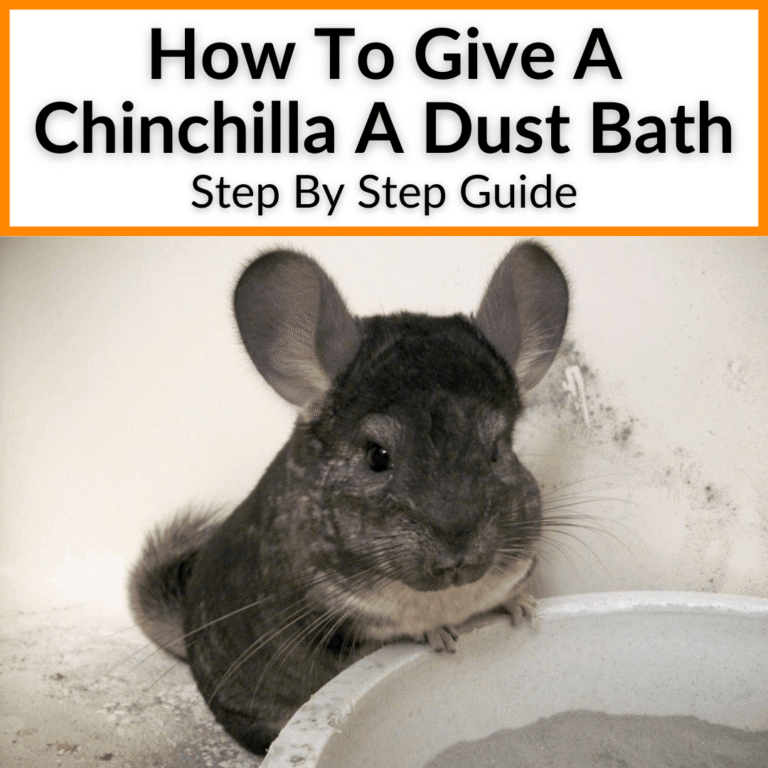
Learn how to bathe a chinchilla safely using a dust bath, how often to provide one, common mistakes to avoid, and when a water bath should never be used.
Learn how long Turkish Van cats live, what affects their lifespan, common health concerns, and practical ways to help your Turkish Van enjoy a long, healthy life.
Learn how much Turkish Van kittens cost in the United States, including breeder prices, adoption fees, ownership expenses, and factors that affect pricing.
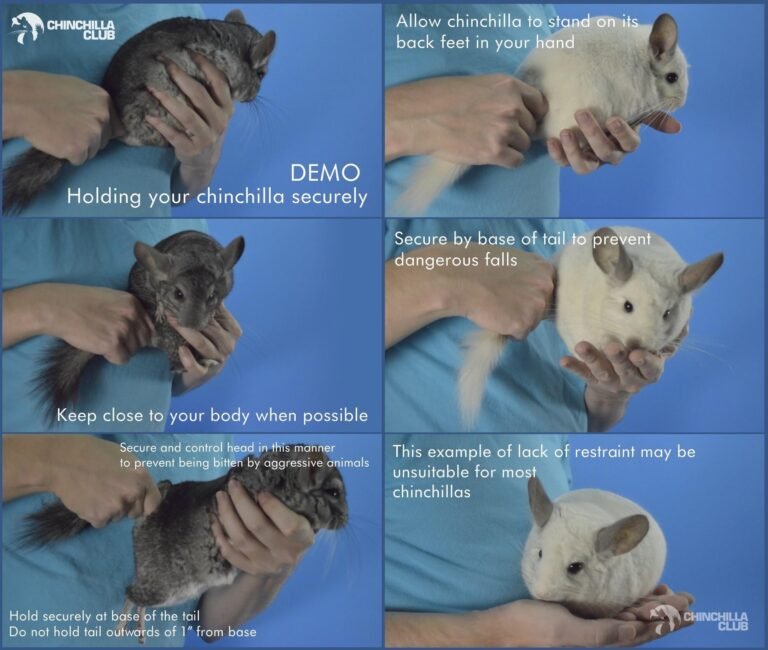
Learn how to handle a chinchilla safely with step-by-step techniques, common mistakes to avoid, trust-building tips, and signs your chinchilla is comfortable being held.