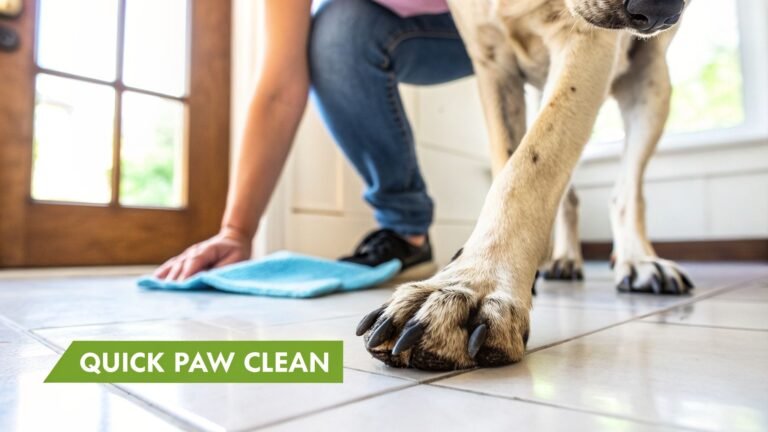
Clean stained dog paws with warm water, a pet-safe cleanser, gentle brushing, and regular paw maintenance.
Across the United States, dogs regularly pick up grass stains, mud, road grime, saliva discoloration, and environmental debris during walks, hikes, and outdoor play. Most paw stains can be reduced or removed with consistent cleaning and proper grooming.
Understanding how to clean stained dog paws starts with identifying the source of the discoloration. Surface dirt usually washes away easily, while saliva stains, yeast-related discoloration, or deep-set debris may require repeated cleaning and veterinary attention if underlying health issues are present.
Source: cdnimg.co
What Causes Stained Dog Paws?
Dog paw stains can develop from several sources. Outdoor activities often leave behind mud, grass pigments, dust, pollen, and road residue that discolor paw fur and skin.
Some stains are caused by excessive licking. Saliva contains compounds that can create reddish-brown discoloration on light-colored fur. Yeast overgrowth, allergies, and skin irritation may increase licking and worsen staining.
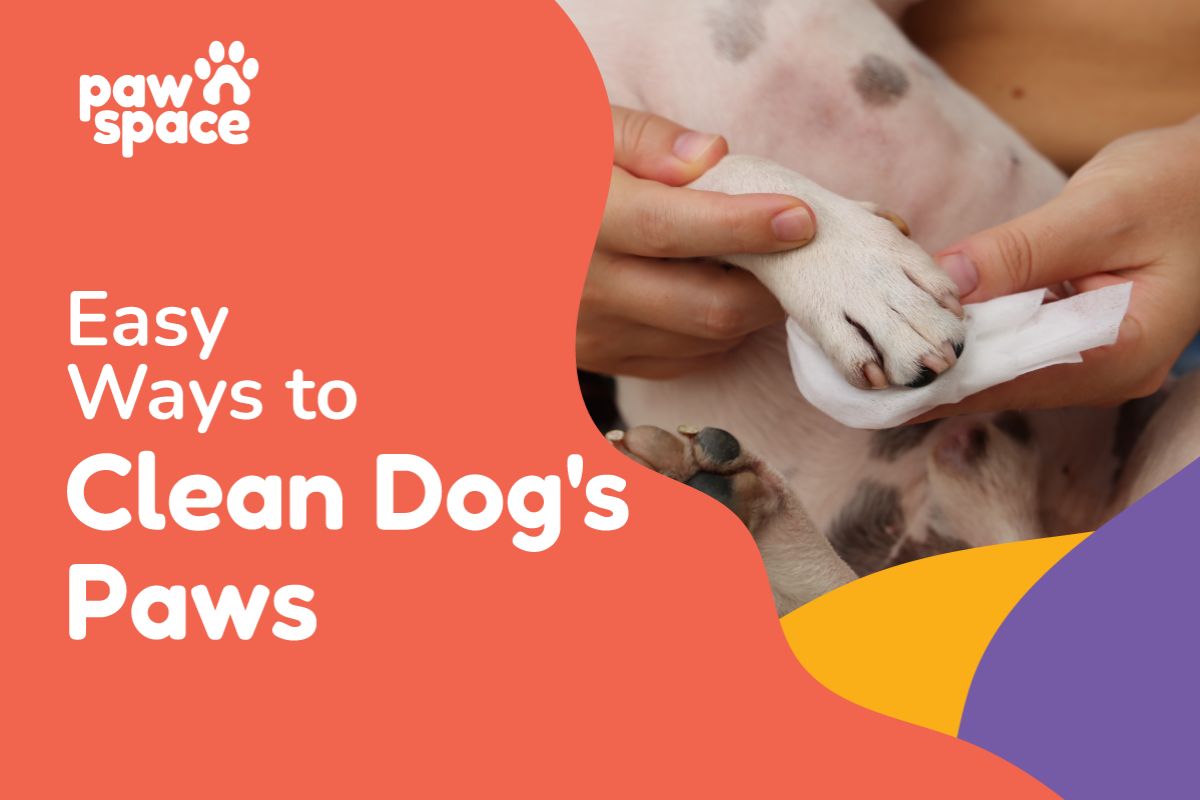
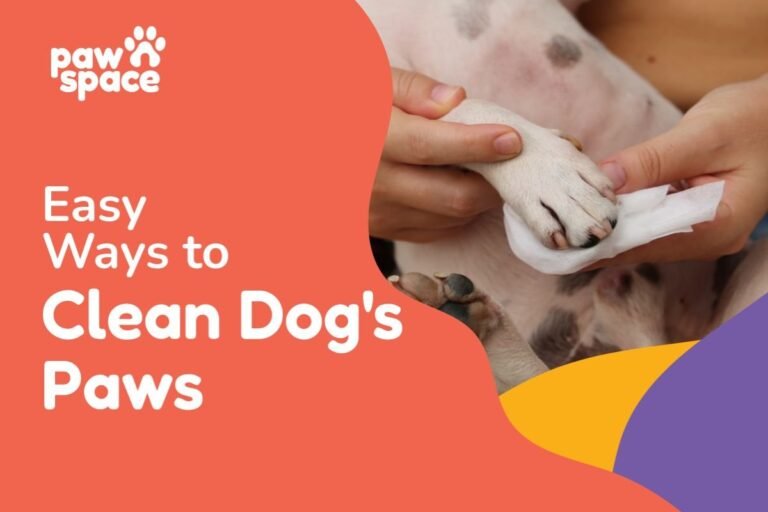
Source: pawspace.in
Environmental stains
Mud, grass, dirt, mulch, and pollen can discolor paws.
Saliva stains
Frequent licking may leave reddish or brown staining on fur.
Health-related causes
Yeast, allergies, and skin irritation can contribute to discoloration.
Why identifying the cause matters
The best cleaning method depends on the source of the stain. Surface dirt may disappear after one wash, while recurring stains often indicate an underlying issue that needs attention.
Faster results
Matching the cleaning method to the stain improves effectiveness.
Supplies Needed Before You Start
Gathering the right supplies makes the cleaning process safer and more effective. Most dogs only need basic grooming tools and pet-safe products.
Avoid using harsh chemicals intended for household cleaning. These products may irritate paw pads and sensitive skin.
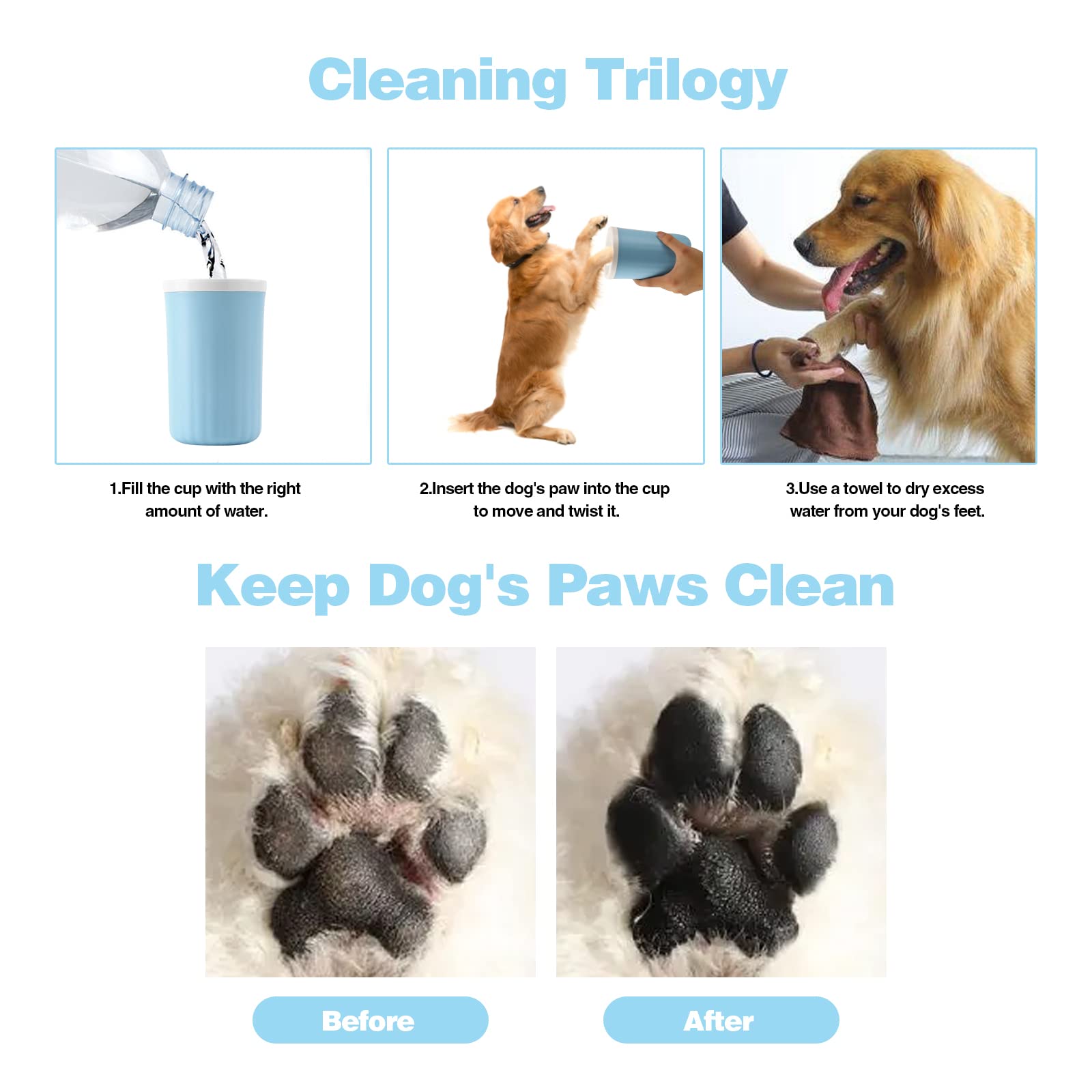
Source: m.media-amazon.com
Warm water
Helps loosen dirt and surface stains.
Pet-safe shampoo
Removes grime without damaging skin.
Soft brush
Cleans between toes and around nails.
Clean towel
Dries paws thoroughly after washing.
Optional cleaning tools
Paw-cleaning cups and grooming wipes can help maintain clean paws between full washes.
Paw cleaner
Useful after muddy walks and outdoor activities.
Step-by-Step Guide on How to Clean Stained Dog Paws
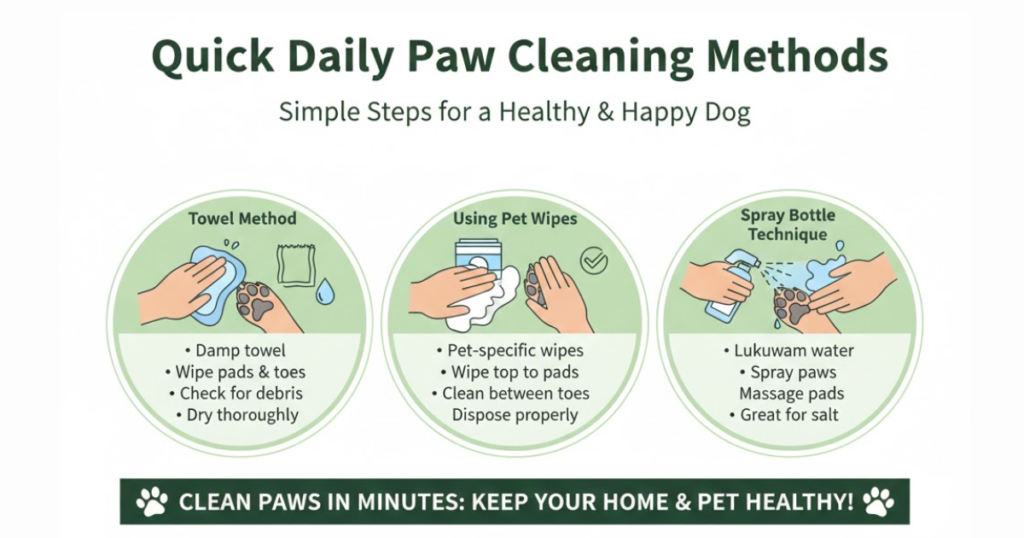
Start by rinsing the paws with lukewarm water to remove loose dirt and debris. Pay close attention to the spaces between the toes and around the nails.
Apply a small amount of pet-safe shampoo and gently massage the stained areas. Use a soft brush if dirt is trapped in the fur. Rinse thoroughly and dry the paws completely with a clean towel.
Source: m.media-amazon.com
Step 1
Inspect paws for cuts, irritation, or foreign objects.
Step 2
Rinse away loose dirt with warm water.
Step 3
Wash using pet-safe shampoo.
Step 4
Brush stained fur gently if needed.
Step 5
Rinse and dry completely.
Signs of successful cleaning
Paws should appear cleaner, smell fresh, and feel free of sticky residue. The dog should not show signs of irritation after cleaning.
Healthy paws
Skin remains intact without redness or discomfort.
How to Remove Stubborn Paw Stains
Some stains require repeated cleaning sessions. Grass pigments, saliva staining, and deeply embedded dirt may not disappear after a single wash.
Trim excess fur around the paws if staining collects on long hair. Consistent grooming often improves appearance and reduces future buildup.
Source: gogostik.com
Repeat cleaning
Several gentle washes are safer than aggressive scrubbing.
Regular grooming
Keeps fur shorter and easier to clean.
Monitor licking
Excessive licking can create recurring stains.
When stains do not improve
Persistent discoloration accompanied by odor, itching, or inflammation may indicate infection or allergies that require professional evaluation.
Veterinary assessment
Recommended when symptoms extend beyond cosmetic staining.
Common Mistakes to Avoid
Many owners unintentionally irritate their dog’s paws by using products designed for people or household surfaces. These products can damage the skin barrier and increase discomfort.
Over-scrubbing is another common mistake. Gentle, repeated cleaning is safer than aggressive attempts to remove every stain immediately.
Source: i.ytimg.com
Avoid bleach
Harsh chemicals can burn or irritate skin.
Do not over-scrub
Excessive friction may damage paw fur and skin.
Never ignore symptoms
Pain, swelling, and odor require further investigation.
When to contact a veterinarian
Seek professional help if paw stains are associated with limping, bleeding, severe redness, discharge, or chronic licking.
Medical concerns
Persistent symptoms should not be treated as cosmetic issues.
Frequently Asked Questions
Q
Can I use baby wipes to clean stained dog paws?
Only if the wipes are specifically labeled as safe for pets. Many human wipes contain ingredients that may irritate a dog’s skin.
Q
Why are my dog’s paws turning brown?
Brown staining is often caused by saliva from excessive licking, environmental dirt, or yeast-related discoloration. Persistent staining may warrant veterinary evaluation.
Q
How often should I clean my dog’s paws?
Most dogs benefit from a quick paw check and wipe after walks. Full cleaning is typically needed when paws become visibly dirty or stained.
Q
Can stained paws indicate a health problem?
Yes. Allergies, yeast infections, and skin irritation can contribute to staining. Additional symptoms such as odor, itching, or redness should be investigated.
Q
What is the safest cleaner for dog paws?
Warm water and a pet-safe shampoo are generally the safest options. Always follow product instructions and avoid harsh chemicals.
✦ Wrapping Up
Conclusion
Learning how to clean stained dog paws is largely a matter of identifying the cause, using safe cleaning methods, and maintaining a consistent grooming routine. Most surface stains can be reduced with gentle washing and proper drying.
If staining repeatedly returns or is accompanied by discomfort, odor, or inflammation, investigate potential medical causes rather than treating the issue as purely cosmetic.
💡 Key Takeaway
Inspect your dog’s paws regularly, clean stains promptly with pet-safe products, and seek veterinary advice when discoloration is accompanied by signs of irritation or illness.
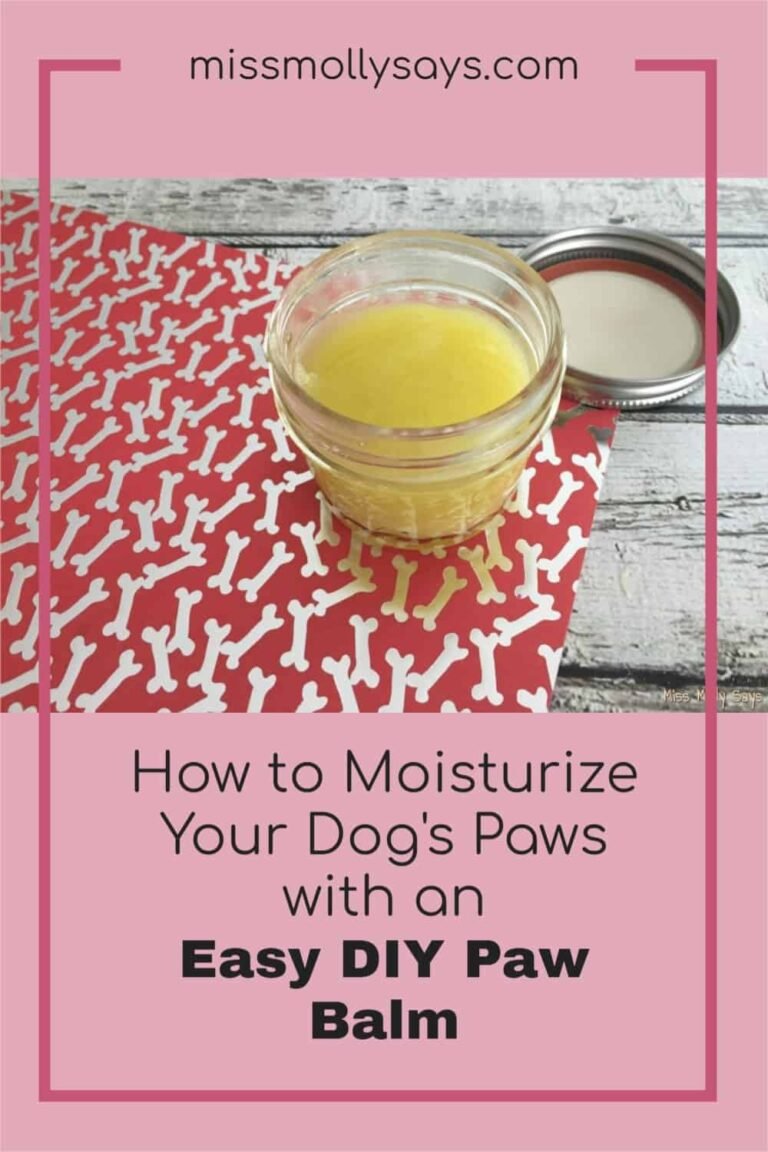
Learn how to moisturize dog paws safely with paw balms, natural moisturizers, and daily care tips. Discover how to prevent dry, cracked paw pads and keep your dog’s feet healthy.
Learn how to clean dog paws naturally using water, gentle homemade solutions, and simple grooming techniques. Keep your dog’s paws clean, healthy, and comfortable after walks.
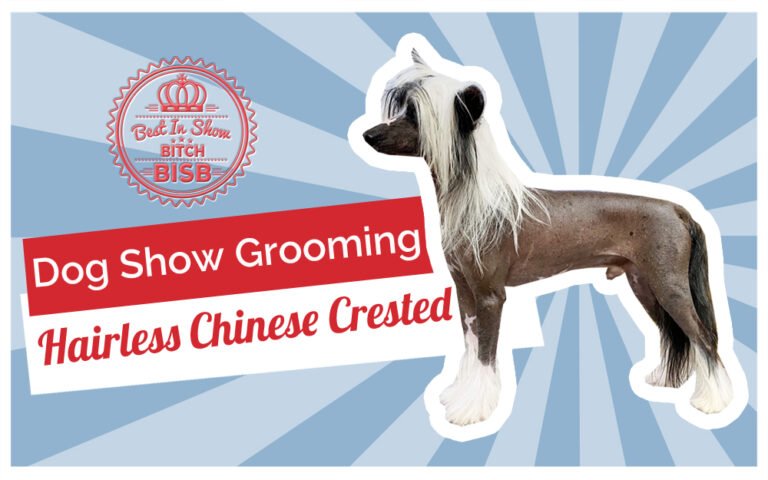
Learn how to groom a Chinese Crested dog with step-by-step instructions, skin care tips, bathing schedules, coat maintenance advice, and grooming mistakes to avoid.
Learn how to clean muddy dog paws safely and effectively. Follow simple steps, prevent muddy messes, protect paw health, and keep your home cleaner after walks.