Stop paw chewing by identifying the cause, treating irritation, and preventing further damage.
Across the United States, dogs commonly chew their paws because of allergies, skin irritation, injuries, parasites, anxiety, or boredom. The most effective solution is to find and address the underlying cause rather than simply stopping the behavior.
If you are searching for how to stop my dog from chewing his paws, begin by inspecting the paws for redness, swelling, wounds, foreign objects, or signs of infection. Early action can prevent minor irritation from becoming a serious skin problem that requires veterinary treatment.
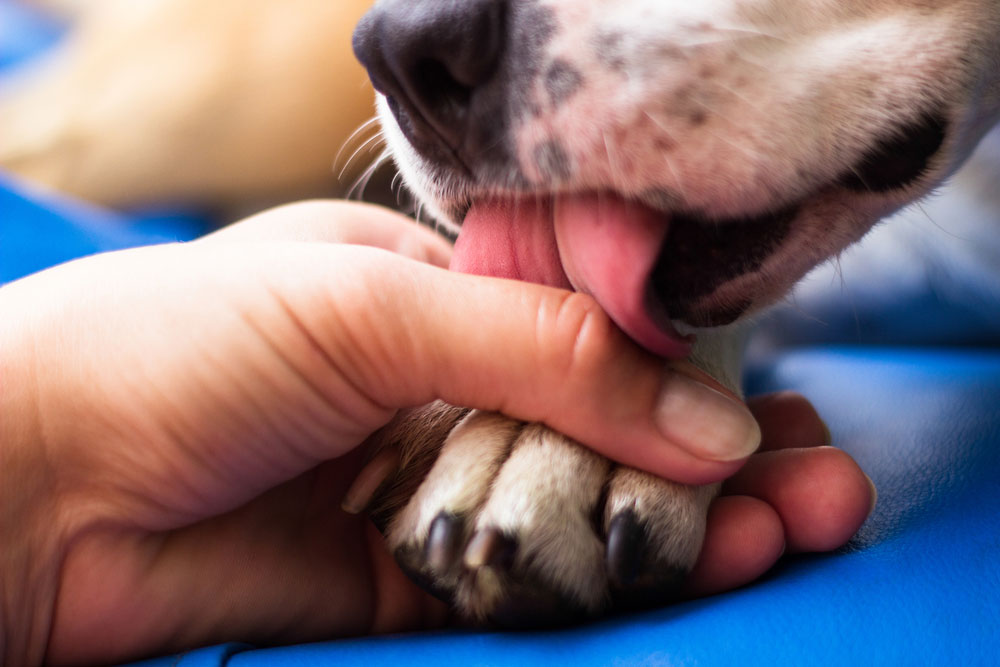
Source: unionlakeveterinaryhospital.com
Why Dogs Chew Their Paws
Dogs chew their paws because something is causing discomfort, irritation, or stress. The behavior often develops when a dog is trying to relieve itching, pain, or inflammation.
Understanding the cause is the first step in learning how to stop my dog from chewing his paws. Different causes require different treatments, so guessing can delay recovery.
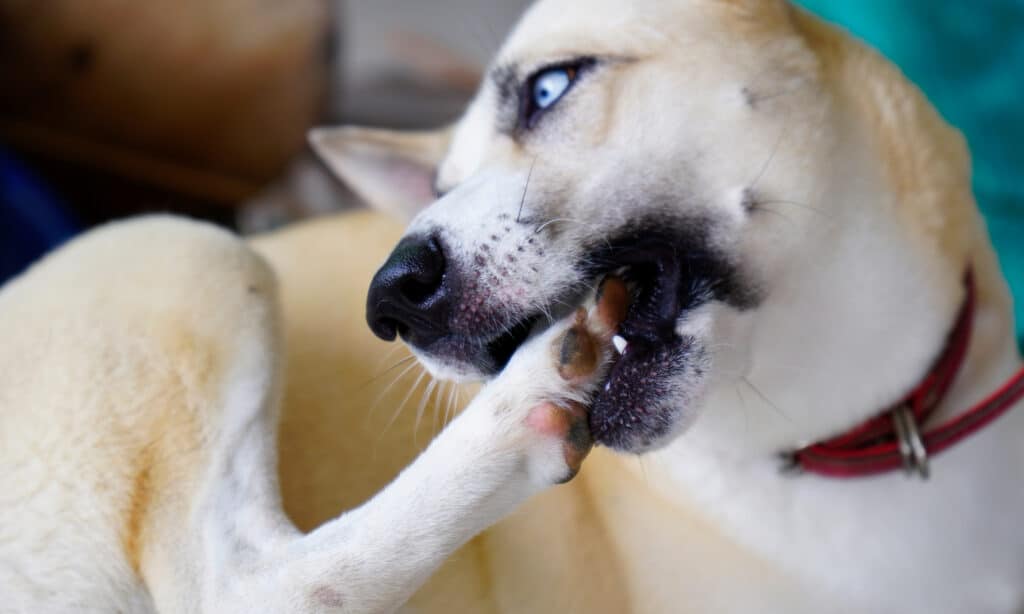
Source: a-z-animals.com
Environmental Allergies
Pollen, grass, mold, and dust can trigger itchy paws.
Food Sensitivities
Certain ingredients may contribute to chronic itching and licking.
Parasites
Fleas and mites can irritate the skin and feet.
Stress and Anxiety
Some dogs chew their paws as a self-soothing behavior.
Signs That Paw Chewing Is Becoming a Problem
Watch for hair loss, red skin, bleeding, swelling, limping, unpleasant odor, or discharge. These signs suggest the problem is progressing and may need veterinary attention.
Redness
Indicates irritation or inflammation.
Limping
May signal pain or injury.
How to Inspect Your Dog’s Paws
Before starting treatment, carefully examine each paw. Look between the toes, around the pads, and near the nails for visible problems.
Check for cuts, thorns, splinters, burns from hot pavement, cracked pads, insect stings, or signs of infection. A thorough inspection often reveals the source of the irritation.
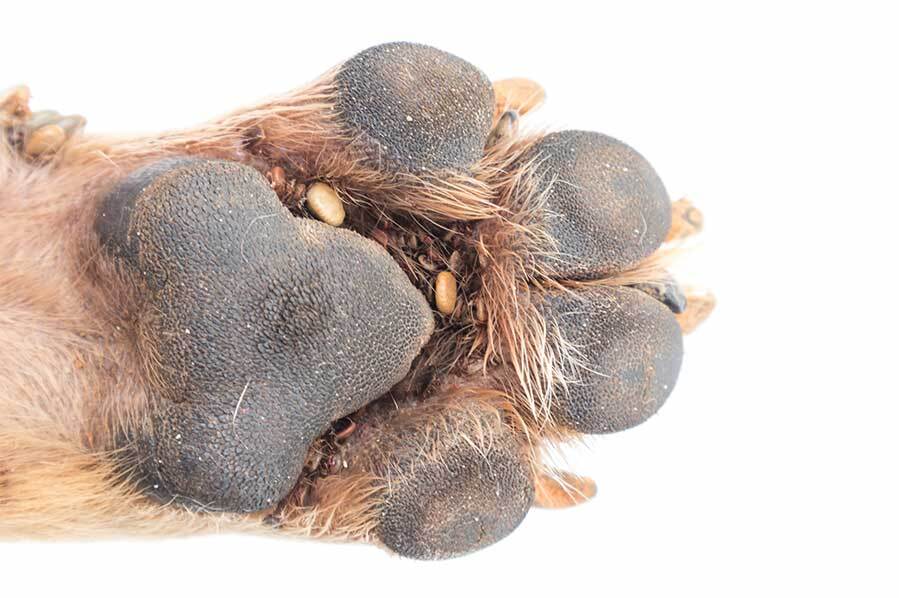
Source: thehappypuppysite.com
Check Between Toes
Foreign objects commonly get trapped in these areas.
Inspect Paw Pads
Look for cracks, burns, or abrasions.
Monitor Odor
A strong smell can indicate a yeast or bacterial infection.
When Inspection Reveals an Injury
Minor injuries can often be cleaned and monitored at home. Deep wounds, persistent bleeding, or signs of infection should be evaluated by a veterinarian.
Clean Gently
Use pet-safe cleaning methods and avoid harsh chemicals.
Step-by-Step Guide to Stop Paw Chewing
A structured approach is the best way to stop ongoing paw chewing. Start by addressing physical causes before focusing on behavioral solutions.
Many dogs improve once the source of irritation is removed and the paws are allowed to heal.
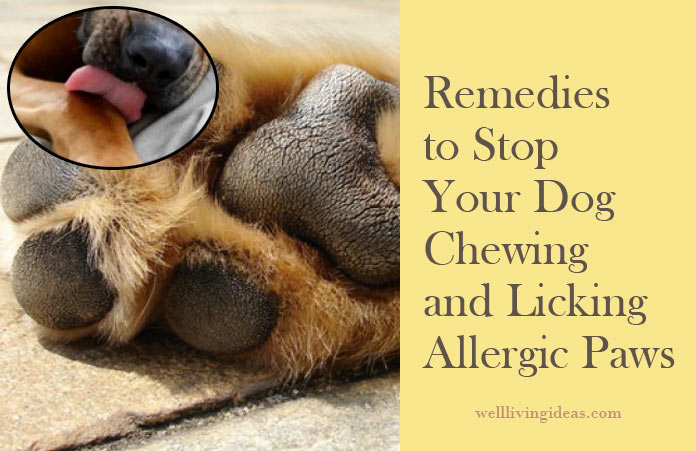
Source: welllivingideas.com
Step 1
Identify and remove irritants such as grass chemicals, road salt, or allergens.
Step 2
Clean paws after walks to remove allergens and debris.
Step 3
Prevent access to damaged paws using protective measures if needed.
Step 4
Follow veterinary treatment plans for allergies or infections.
Signs the Plan Is Working
Successful treatment usually results in less licking, reduced redness, healthier skin, and improved comfort during walking and play.
Less Chewing
A decrease in chewing frequency is a positive sign.
Managing Allergies and Skin Irritation
Allergies are among the most common reasons dogs chew their paws. Environmental allergens often cause itching that affects the feet first.
Veterinarians may recommend allergy testing, dietary trials, medications, or other treatments depending on the suspected trigger.
Source: i.pinimg.com
Paw Cleaning
Wipe paws after outdoor activities to reduce allergen exposure.
Consistent Diet
Avoid frequent food changes during allergy investigations.
Follow-Up Care
Monitor symptoms and report changes to your veterinarian.
Common Allergy Triggers
Grass, pollen, mold, dust mites, and certain food ingredients are frequent triggers that can contribute to chronic paw chewing.
Seasonal Allergies
Symptoms often worsen during specific times of year.
Addressing Anxiety, Boredom, and Behavioral Causes
Some dogs chew their paws because they are bored, anxious, or under-stimulated. This is more common when no physical cause can be identified.
Increasing exercise, enrichment, and mental stimulation may help reduce compulsive chewing behaviors.
Consistent schedules can reduce stress and anxiety.
When Behavioral Support Is Needed
If chewing continues despite treating medical causes, a veterinarian or qualified behavior professional can help identify underlying emotional triggers.
Track Patterns
Note when chewing occurs and what may trigger it.
When to Contact a Veterinarian
Professional care is important if paw chewing becomes severe, causes wounds, or does not improve with basic home management.
Veterinarians can diagnose allergies, infections, parasites, autoimmune conditions, and other medical issues that may be causing the behavior.
Source: i.ytimg.com
Persistent Symptoms
Chewing that continues for weeks requires evaluation.
Open Wounds
Broken skin increases the risk of infection.
Severe Swelling
Swelling can indicate injury or infection.
Common Veterinary Treatments
Treatment may include medications, allergy management, parasite control, wound care, dietary changes, or behavioral support depending on the diagnosis.
Targeted Treatment
The best treatment depends on the identified cause.
Frequently Asked Questions
Q
Why does my dog chew only one paw?
Chewing one paw often suggests a localized issue such as an injury, splinter, insect sting, cyst, or infection. A careful examination can help identify the source.
Q
Can allergies make dogs chew their paws year-round?
Yes. Some environmental and food allergies can cause symptoms throughout the year, especially when exposure is ongoing.
Q
Should I stop my dog every time he chews his paws?
Interrupting the behavior may help temporarily, but finding and treating the underlying cause is more important for long-term success.
Q
Can boredom really cause paw chewing?
Yes. Some dogs develop repetitive paw chewing when they lack mental stimulation, exercise, or enrichment activities.
Q
How long does it take for paw chewing to stop?
Recovery depends on the cause. Minor irritation may improve within days, while allergies and chronic conditions can require ongoing management.
✦ Wrapping Up
Conclusion
Learning how to stop my dog from chewing his paws starts with identifying why the behavior is happening. Paw chewing is usually a symptom of discomfort, irritation, or stress rather than a problem by itself.
By inspecting the paws, addressing allergies or injuries, improving daily care, and seeking veterinary guidance when necessary, most dogs can experience significant relief and healthier paws.
💡 Key Takeaway
Inspect your dog’s paws today, address any visible irritation, and schedule a veterinary evaluation if chewing persists or causes injury.
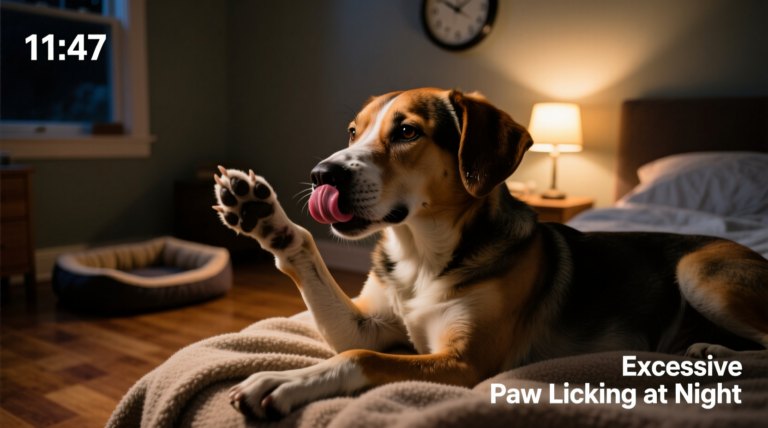
Why does your dog chew his paws at night? Learn the most common causes, including allergies, parasites, injury, infection, and anxiety, plus when to see a veterinarian.
Learn how to treat dogs paw pads peeling, including common causes, safe home care, warning signs, veterinary treatment, and ways to prevent recurring paw pad damage.
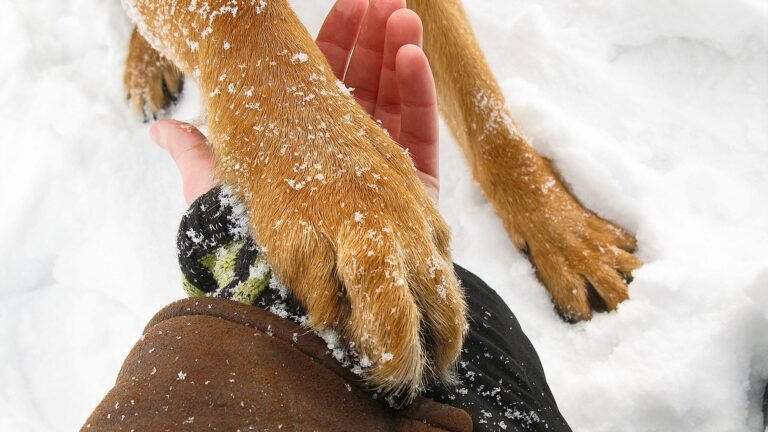
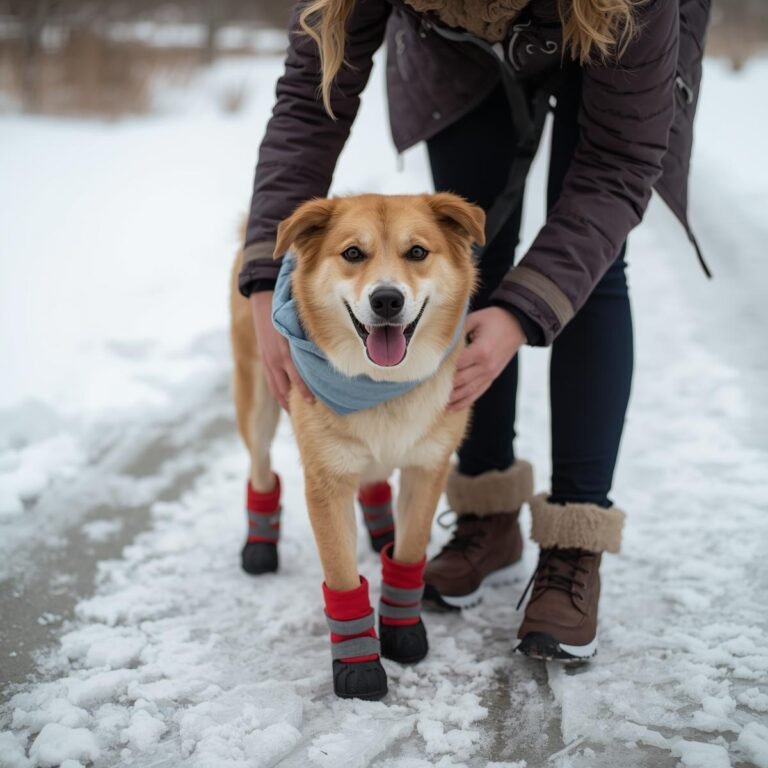
Learn how to keep dog paws warm in snow with proven winter paw care strategies, protective gear, grooming tips, and safety advice for cold-weather walks.
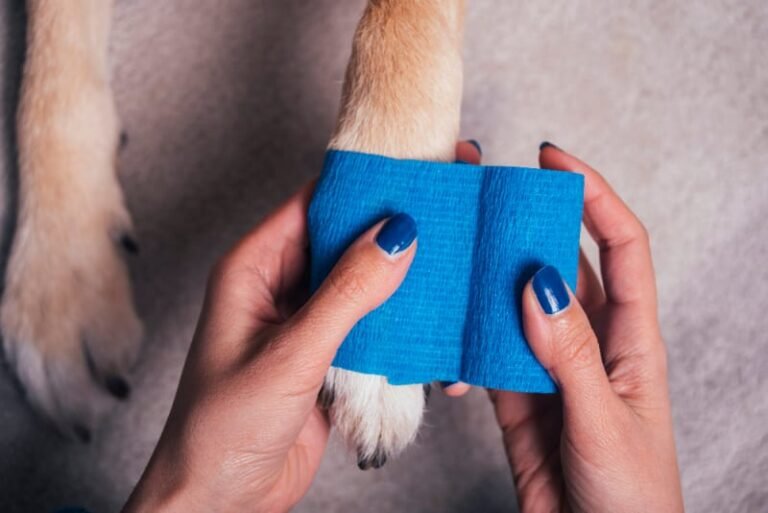
Learn how to treat a torn paw pad on dog with step-by-step first aid, bandaging tips, healing timelines, infection signs, and guidance on when veterinary care is needed.