Treat pododermatitis by identifying the cause, controlling inflammation, treating infections, protecting the paws, and following veterinary guidance.
In the United States, pododermatitis is a common reason dogs visit veterinarians for paw redness, licking, swelling, and discomfort. The condition is not a single disease. Instead, it describes inflammation affecting one or more paws and can result from allergies, infections, parasites, injuries, immune disorders, or environmental irritants.
When learning how to treat pododermatitis dog paw problems, the most important step is finding and addressing the underlying cause. Cleaning the paws alone may provide temporary relief, but long-term improvement usually requires targeted treatment for the condition that triggered the inflammation.
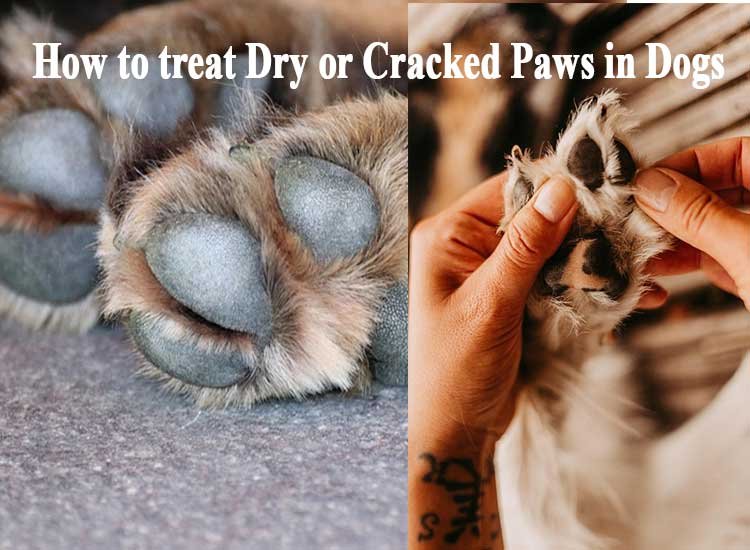
Source: isabelsdoggrooming.com
What Is Pododermatitis in Dogs?
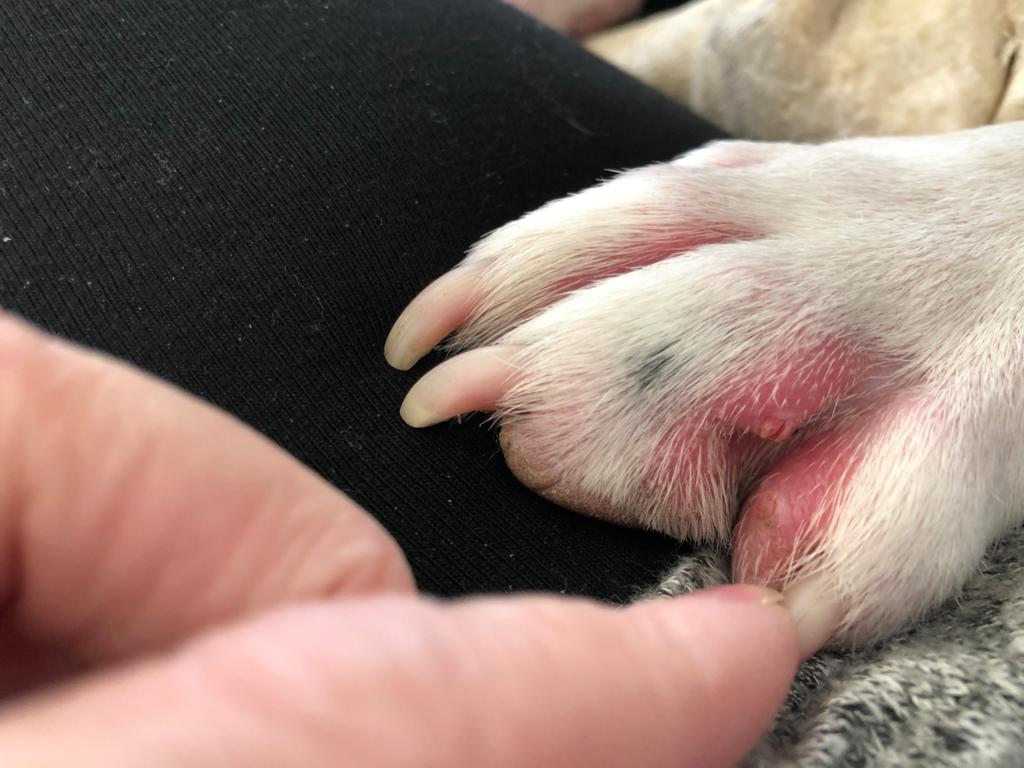
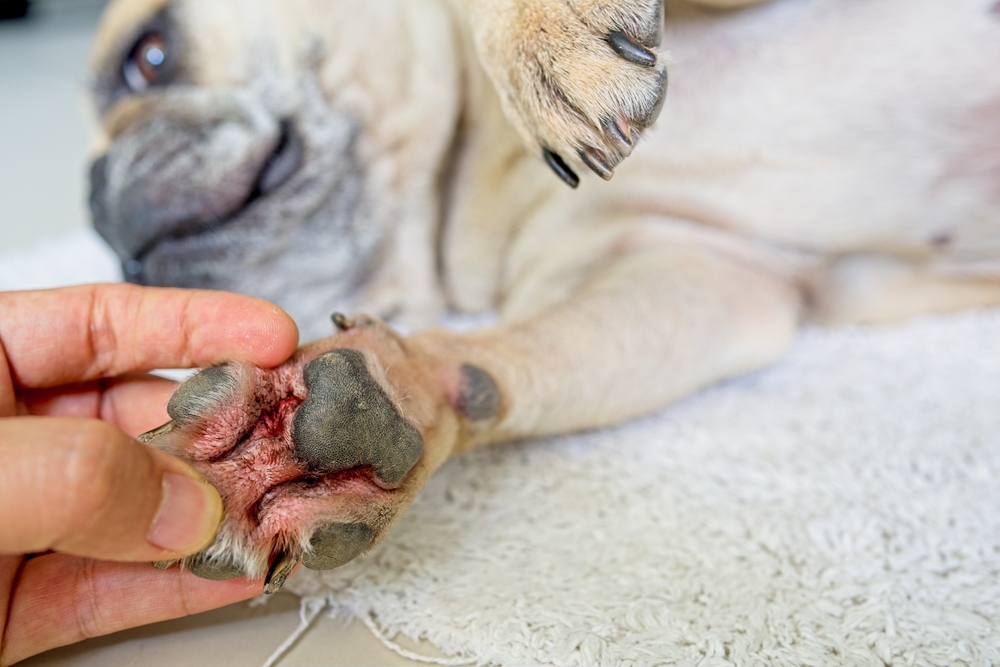
Pododermatitis refers to inflammation of the skin on a dog’s paws. It can affect the paw pads, the skin between the toes, the nail beds, or the upper surface of the feet.
Dogs with pododermatitis often lick or chew their paws excessively. Over time, this behavior can worsen irritation and allow bacteria or yeast to multiply.
Source: whole-dog-journal.com
Common Symptoms
Redness, swelling, licking, chewing, limping, odor, and hair loss around the paws.
Affected Areas
Paw pads, interdigital spaces, nail folds, and surrounding skin.
Why Accurate Diagnosis Matters
Successful treatment depends on identifying the reason the paws became inflamed. Two dogs may have identical symptoms but require completely different treatments.
Example
A dog with seasonal allergies needs allergy management, while a dog with a bacterial infection may need antimicrobial treatment.
Common Causes of Pododermatitis
Several medical and environmental conditions can lead to paw inflammation. Determining the cause helps guide the most effective treatment plan.
Many cases involve multiple factors. For example, allergies may weaken the skin barrier and create conditions that allow secondary infections to develop.
Source: animalia-life.club
Environmental Allergies
Pollen, grasses, mold, and dust mites can trigger chronic paw irritation.
Food Allergies
Certain dietary ingredients may contribute to recurring paw inflammation.
Infections
Bacteria and yeast frequently complicate inflamed paws.
Trauma
Cuts, burns, splinters, and rough surfaces may damage paw tissue.
Less Common Causes
Immune-mediated diseases, hormonal disorders, parasites, and certain tumors can also cause pododermatitis and should be considered when routine treatment fails.
Veterinary Evaluation
Persistent cases often require skin testing, cytology, or biopsy.
How to Treat Pododermatitis Dog Paw Step by Step
The best treatment plan combines symptom relief with correction of the underlying cause. Treatment varies depending on the diagnosis, severity, and duration of the condition.
Mild cases may improve with cleaning, paw protection, and treatment of minor infections, while severe cases often require prescription medications and ongoing management.
Source: pawsbro.com
Step 1
Inspect the paws for cuts, foreign objects, swelling, discharge, or damaged nails.
Step 2
Clean the paws with a veterinarian-approved antiseptic solution.
Step 3
Prevent excessive licking with an Elizabethan collar or other protective device if recommended.
Step 4
Follow prescribed treatment for allergies, infections, or other diagnosed causes.
Signs Treatment Is Working
Successful treatment typically results in reduced redness, less licking, improved comfort, and gradual healing of the affected skin.
Expected Improvement
Most uncomplicated cases show visible progress within days to weeks depending on the cause.
Home Care and Paw Protection
Home care can support recovery but should not replace veterinary treatment when infection, severe swelling, or persistent symptoms are present.
Keeping the paws clean and dry helps reduce irritation and lowers the risk of secondary infections.
Source: www.dogster.com
Paw Cleaning
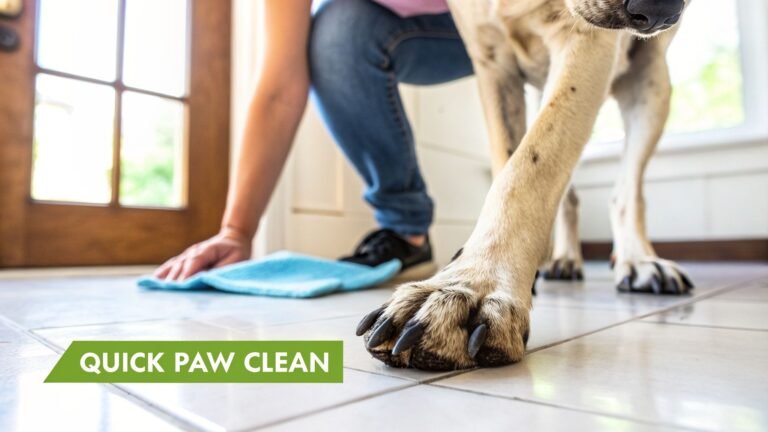
Rinse paws after walks when allergens, salt, mud, or chemicals may be present.
Protective Footwear
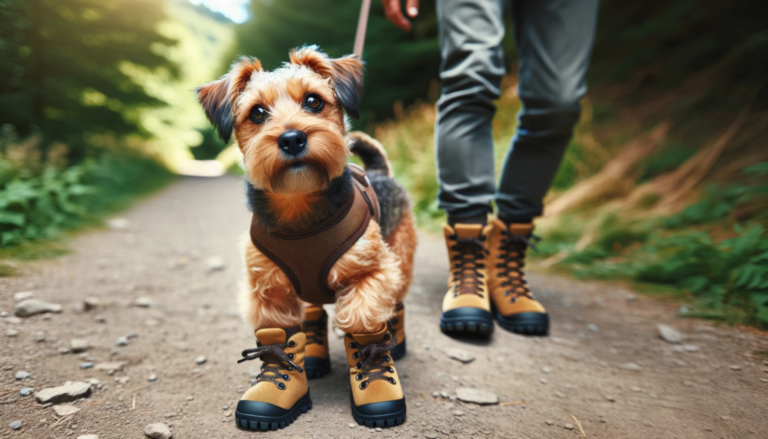
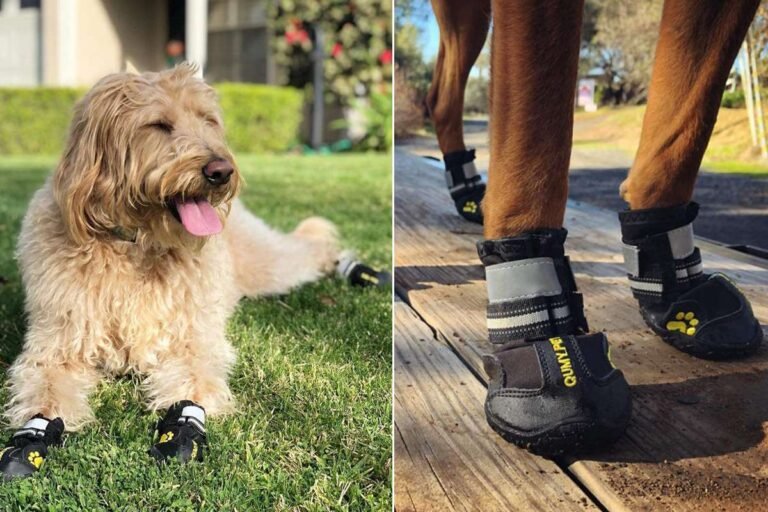
Use properly fitted dog boots on rough, hot, or chemically treated surfaces.
Weight Management
Maintaining a healthy weight reduces pressure on inflamed paws.
What to Avoid
Avoid using human medications, harsh disinfectants, or home remedies that have not been approved by a veterinarian.
Common Mistake
Stopping treatment too early can allow symptoms to return.
When to See a Veterinarian
Professional veterinary care is recommended whenever pododermatitis is severe, recurrent, or associated with infection. Delayed treatment can lead to chronic inflammation and deeper tissue damage.
Veterinarians may perform skin cytology, cultures, allergy testing, imaging studies, or biopsies to determine the underlying cause.
Source: thevetvortex.blogspot.com
Urgent Signs
Severe swelling, bleeding, pus, limping, fever, or sudden worsening of symptoms.
Recurring Cases
Repeated flare-ups often indicate allergies or another ongoing medical issue.
Possible Veterinary Treatments
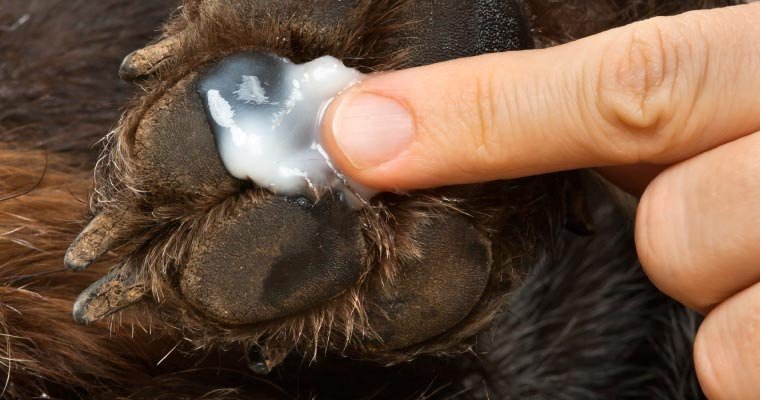
Depending on the diagnosis, treatment may include medicated shampoos, topical therapies, antibiotics, antifungal medications, allergy management plans, or immune-modulating drugs.
Goal
Control inflammation while addressing the root cause of the disease.
Frequently Asked Questions
Q
Can pododermatitis in dogs heal on its own?
Mild irritation may improve if the triggering factor is removed. However, many cases involve allergies or infections that require treatment to fully resolve.
Q
Is pododermatitis contagious to other dogs?
Most cases are not contagious because they result from allergies, environmental irritants, or immune-related conditions. Certain infectious causes may require veterinary evaluation.
Q
How long does pododermatitis take to heal?
Healing time depends on the cause and severity. Mild cases may improve within a few weeks, while chronic allergic cases may require long-term management.
Q
Why does my dog keep licking the same paw?
Persistent licking often indicates discomfort caused by inflammation, infection, injury, allergies, or a foreign object lodged in the paw.
Q
Can allergies cause pododermatitis?
Yes. Environmental and food allergies are among the most common causes of recurring pododermatitis in dogs.
✦ Wrapping Up
Conclusion
Understanding how to treat pododermatitis dog paw conditions begins with identifying the underlying cause. Because pododermatitis is a symptom rather than a specific disease, treatment must address the factor responsible for the inflammation.
Early intervention, proper paw hygiene, infection control, and veterinary guidance can significantly improve comfort and help prevent chronic paw problems.
💡 Key Takeaway
Inspect your dog’s paws regularly, address redness or excessive licking promptly, and seek veterinary care if symptoms persist, worsen, or repeatedly return.
Learn how to keep a bandage on a dog’s paw clean, dry, secure, and comfortable while watching for swelling, slipping, infection, and other warning signs.
Learn how to clean muddy dog paws safely and effectively. Follow simple steps, prevent muddy messes, protect paw health, and keep your home cleaner after walks.
Learn how to treat dry dog paws safely with moisturizing care, paw protection, and prevention strategies. Discover causes, home remedies, and when to contact a veterinarian.
Learn how to treat sore dog paws between toes with safe home care, cleaning steps, paw protection tips, and guidance on when veterinary treatment is needed.