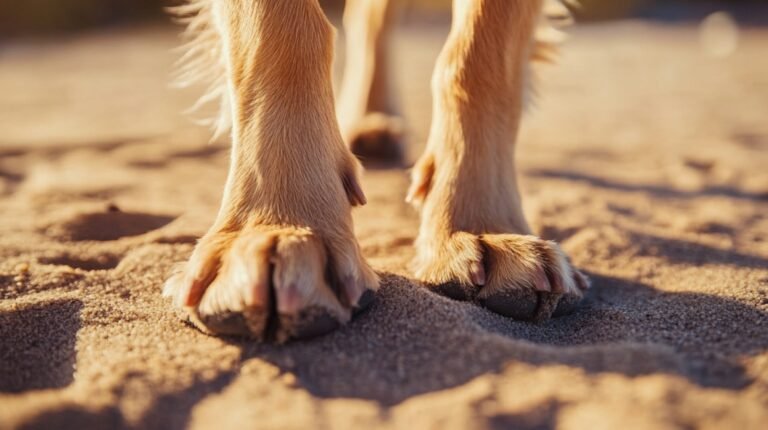
Clean the paw, protect the blister, limit activity, and seek veterinary care if infection develops.
In the United States, dogs commonly develop paw blisters after walking on hot pavement, rough trails, icy surfaces, or chemically treated sidewalks. Knowing how to treat blisters on dogs paws quickly can reduce pain, prevent infection, and help the paw heal properly.
Most minor blisters can be managed with gentle cleaning, rest, and protective bandaging. However, large, bleeding, infected, or repeatedly occurring blisters require veterinary evaluation because they may indicate burns, allergies, infections, or underlying skin conditions.
Source: bubblypet.com
What Are Blisters on Dog Paws?
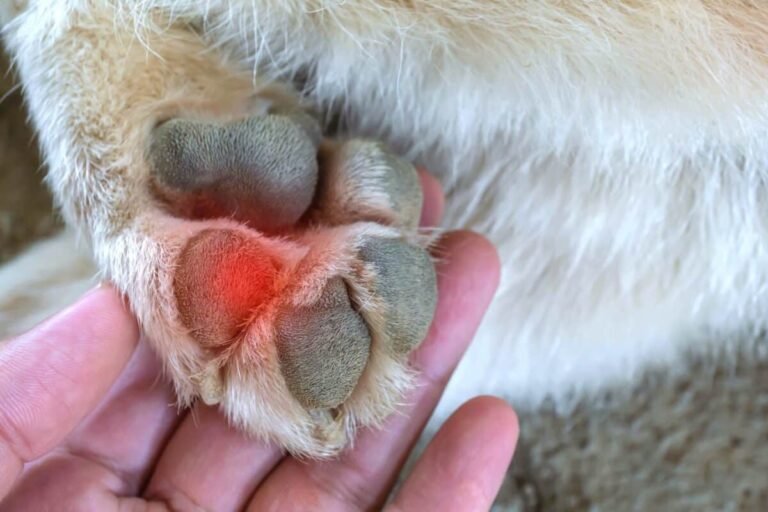
A paw blister is a fluid-filled pocket that forms when the outer layers of skin separate due to friction, heat, pressure, irritation, or injury. Blisters most commonly appear on paw pads or between the toes.
The blister acts as the body’s natural protection for damaged tissue underneath. While small blisters may heal on their own, damaged or ruptured blisters can become painful and vulnerable to infection.
Source: i.pinimg.com
Common Appearance
Raised bubble filled with clear or slightly cloudy fluid.
Typical Symptoms
Limping, licking, redness, swelling, or reluctance to walk.
Common Causes of Paw Blisters
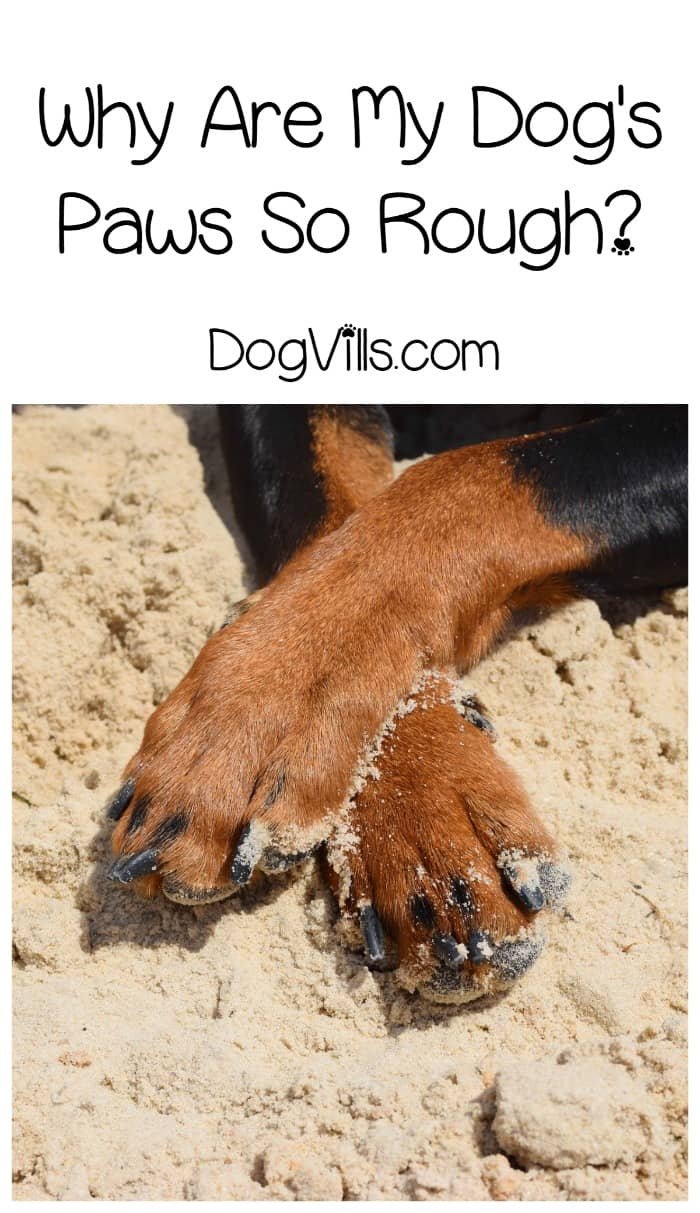
Hot pavement during summer, rough terrain, excessive exercise, burns, chemical exposure, allergies, and certain skin diseases are among the most common causes of paw blisters in dogs.
Dogs that spend long periods running on abrasive surfaces are especially vulnerable because repeated friction can damage the protective paw pad layer.
Environmental Causes
Heat, ice, salt, gravel, and rough concrete.
Medical Causes
Allergies, infections, autoimmune disorders, and dermatitis.
How to Treat Blisters on Dogs Paws at Home
The safest approach is to clean the area, protect the blister, and prevent further injury. Most uncomplicated blisters improve when pressure and irritation are removed.
If your dog appears severely painful, cannot bear weight, or has multiple blisters, contact a veterinarian before attempting extensive home treatment.
Source: articles.hepper.com
Step 1
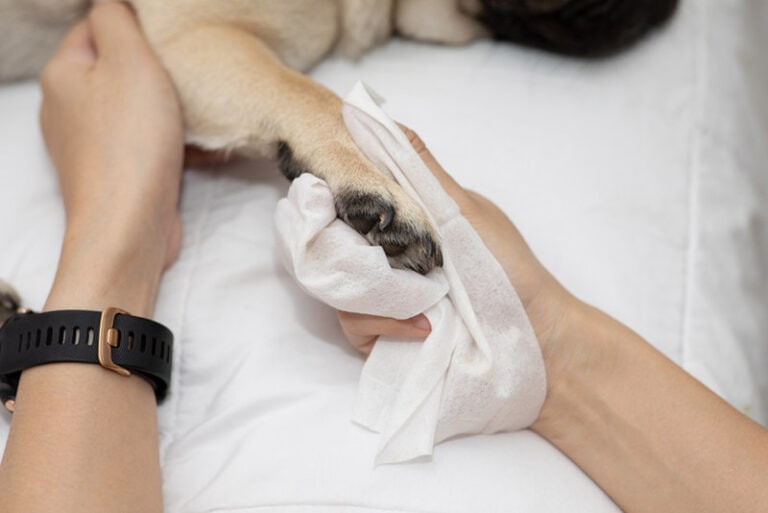
Rinse the paw gently with clean lukewarm water or saline solution.
Step 2
Pat dry with a clean towel and inspect the blister carefully.
Step 3
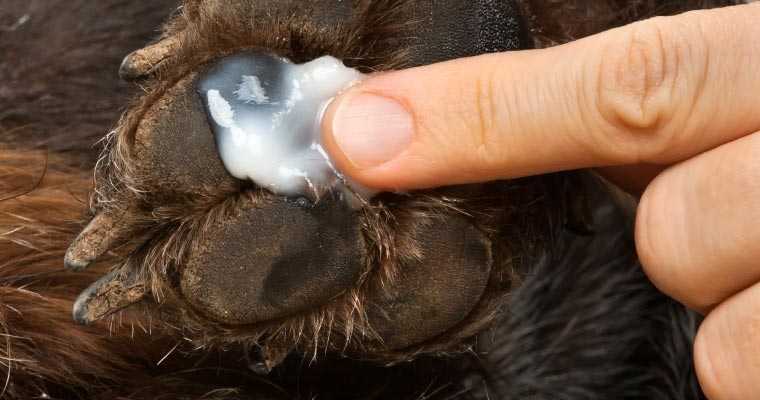
Apply a veterinarian-approved protective dressing if needed.
Step 4
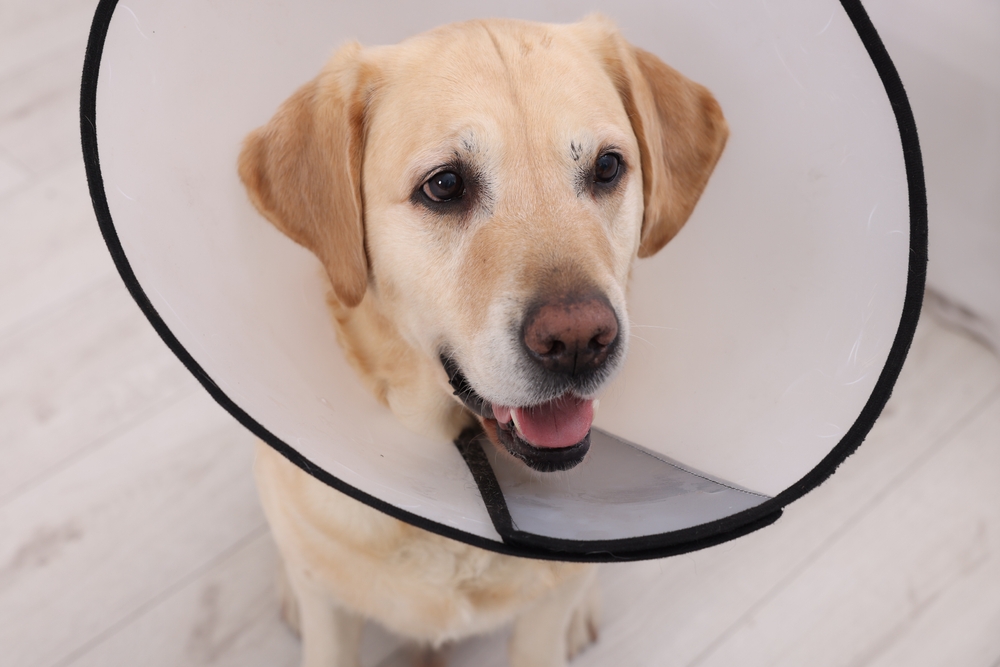
Limit activity until healing occurs.
Should You Pop a Dog’s Paw Blister?
In most cases, no. The skin covering a blister protects sensitive tissue beneath it. Popping the blister can increase pain and create an opening for bacteria.
If a blister ruptures naturally, gently clean the area and keep it protected with a clean bandage according to veterinary guidance.
Healthy healing usually involves reduced redness, less swelling, and improved comfort while walking. The blister may gradually shrink as the underlying tissue recovers.
Most minor blisters improve within several days when protected from repeated trauma. Healing time varies depending on size, location, and cause.
Source: cuteness.com
Positive Sign
Decreased licking and chewing of the paw.
Positive Sign
Return to normal walking and activity.
When Healing Is Delayed
Persistent irritation, repeated friction, infection, allergies, or underlying disease can slow healing. Veterinary assessment may be needed if improvement stalls.
Warning Sign
No noticeable improvement after several days.
When to Contact a Veterinarian
Some paw blisters require professional treatment. Deep injuries, burns, infections, or recurrent blistering may indicate a more serious condition than simple friction damage.
Prompt veterinary care can help prevent complications and identify underlying causes that may not be obvious during a home examination.
Source: s28489.pcdn.co
Seek Immediate Care
Severe pain, bleeding, pus, or inability to walk.
Seek Veterinary Advice
Recurring blisters or multiple affected paws.
Symptoms of Infection
Redness that spreads, foul odor, swelling, discharge, warmth, and worsening pain can indicate infection and should not be ignored.
Common Infection Sign
Yellow, green, or cloudy discharge.
How to Prevent Future Paw Blisters
Preventing paw injuries is often easier than treating them. Regular paw inspections and avoiding hazardous surfaces can significantly reduce the risk of blister formation.
Dogs that hike, run frequently, or spend time outdoors benefit from routine paw care and gradual conditioning to rough terrain.
Source: entirelypets.com
Avoid Hot Pavement
Walk during cooler morning or evening hours.
Use Paw Protection
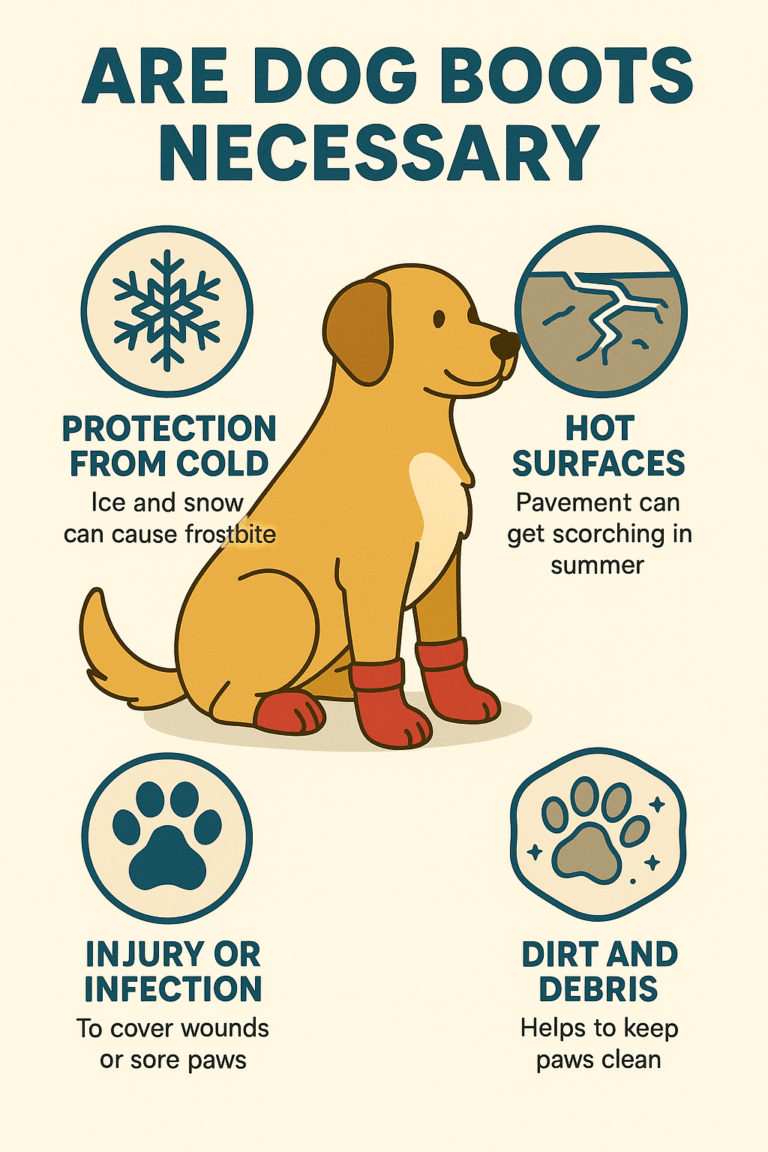
Consider properly fitted dog boots when conditions are extreme.
Check Paws Often
Look for redness, cracks, debris, or early irritation.
Seasonal Paw Care
Summer heat can burn paw pads, while winter ice, salt, and deicing chemicals can irritate skin. Seasonal adjustments help maintain healthy paws year-round.
Summer Tip
Test pavement temperature before walks.
Winter Tip
Rinse paws after exposure to road salt.
Decision Guide for Paw Blister Severity
The severity of a blister helps determine whether home care is appropriate or veterinary treatment is needed.
Use the signs below as a general guide, but contact a veterinarian whenever you are uncertain about your dog’s condition.
Source: dogster.com
Mild
Small blister with minimal discomfort and no signs of infection.
Moderate
Noticeable limping, swelling, or a ruptured blister.
Severe
Deep wounds, burns, infection, or inability to bear weight.
What to Do If Home Treatment Fails
If your dog continues limping, develops new lesions, or shows worsening symptoms despite proper care, schedule a veterinary examination. Additional diagnostics may be required to identify allergies, infections, or systemic conditions.
Next Step
Seek veterinary assessment if symptoms worsen or persist.
Frequently Asked Questions
Q
Can dog paw blisters heal on their own?
Yes. Small, uncomplicated blisters often heal with rest, protection, and removal of the source of irritation. Monitoring for infection remains important.
Q
How long does it take for a paw blister to heal?
Minor blisters may improve within several days, while larger or more severe injuries can require weeks to heal fully depending on the cause and treatment.
Q
Can I walk my dog with a blister on its paw?
Short, necessary walks may be acceptable for mild cases, but strenuous exercise should be avoided until the paw is comfortable and healing well.
Q
Why does my dog keep getting paw blisters?
Recurring blisters may result from allergies, skin disease, poor paw protection, rough surfaces, excessive exercise, or environmental irritants. Veterinary evaluation is recommended.
Q
Can hot pavement cause paw blisters?
Yes. Hot pavement is one of the most common causes of paw pad burns and blister formation during warm weather, especially during midday walks.
✦ Wrapping Up
Conclusion
Understanding how to treat blisters on dogs paws begins with identifying the cause, protecting the injured area, and preventing further damage. Most minor blisters improve with cleaning, rest, and careful monitoring.
Severe, infected, or recurring blisters deserve prompt veterinary attention because they may signal a deeper medical issue. Early treatment often leads to faster recovery and better long-term paw health.
💡 Key Takeaway
Inspect your dog’s paws regularly, avoid hazardous walking surfaces, and seek veterinary care whenever a blister appears severe, infected, or slow to heal.
Learn why your dog’s paws may be rough, dry, or cracked, from normal paw-pad wear to allergies, irritation, injury, and hyperkeratosis, plus safe care tips.
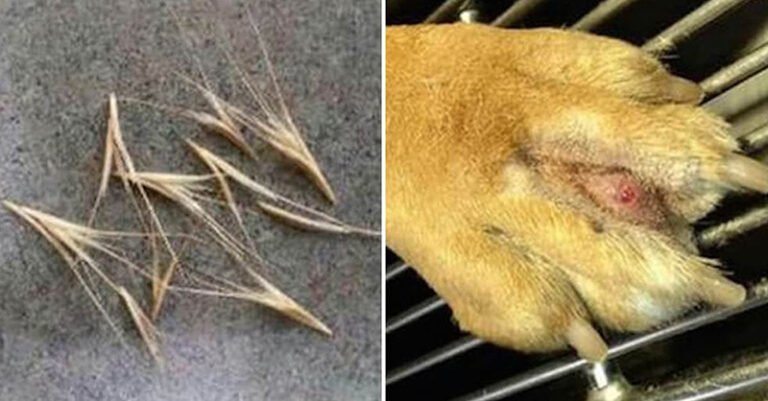
Learn how to tell if your dog has a foxtail in its paw, including common signs, what to check between the toes, when removal is unsafe, and when to see a veterinarian.
Learn how to protect dog paws from hot sand with practical beach safety tips, paw protection methods, warning signs of burns, and summer paw care strategies.