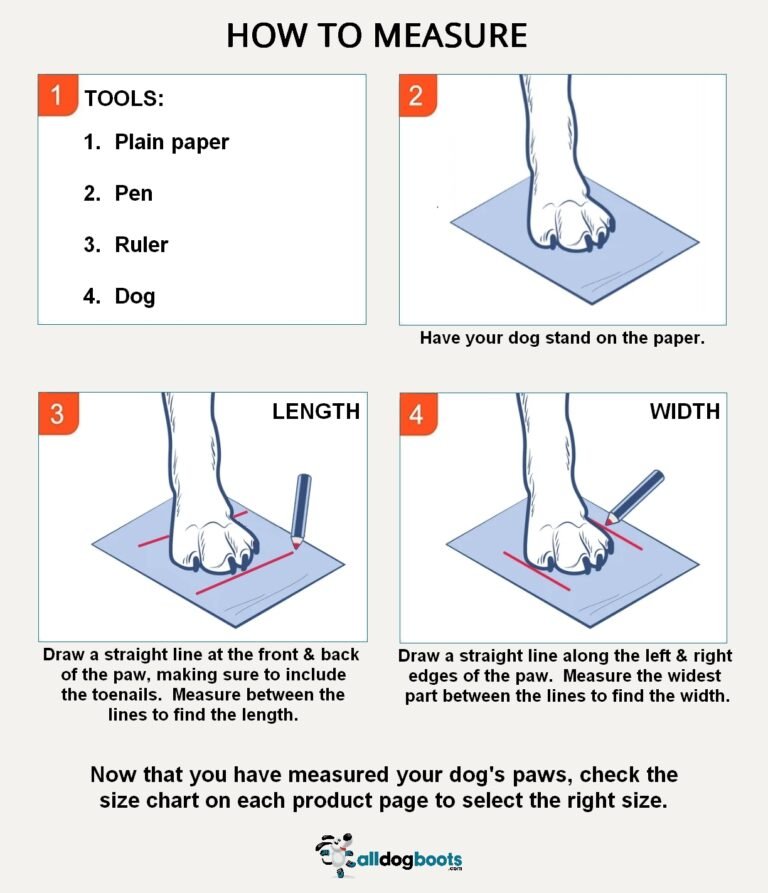
You can teach a dog to clean their paws by training them to paw or rub a washable towel or mat immediately after coming inside, then rewarding each small step toward the finished behavior.
For dog owners in the United States, teaching a dog to wipe their paws can be a practical way to reduce loose dirt, mud, sand, and other outdoor debris tracked into the home. The behavior is best taught as a positive-reinforcement trick rather than by physically forcing the dog’s paws across a towel.
The basic process is to make the towel interesting, reward your dog for interacting with it, gradually shape the interaction into a paw-wiping motion, and finally attach a cue such as “wipe” or “clean paws.” Positive-reinforcement training uses a marker such as a click or a short word like “yes” followed by a reward when the desired behavior occurs. :contentReference[oaicite:0]{index=0}
Teaching this behavior does not replace routine paw inspection or cleaning. Dogs can encounter salt, ice-melting chemicals, hot surfaces, sharp debris, mud, and other irritants outdoors. In winter, the ASPCA recommends washing and drying dogs’ feet after walks when salt or chemicals may be present. :contentReference[oaicite:1]{index=1}
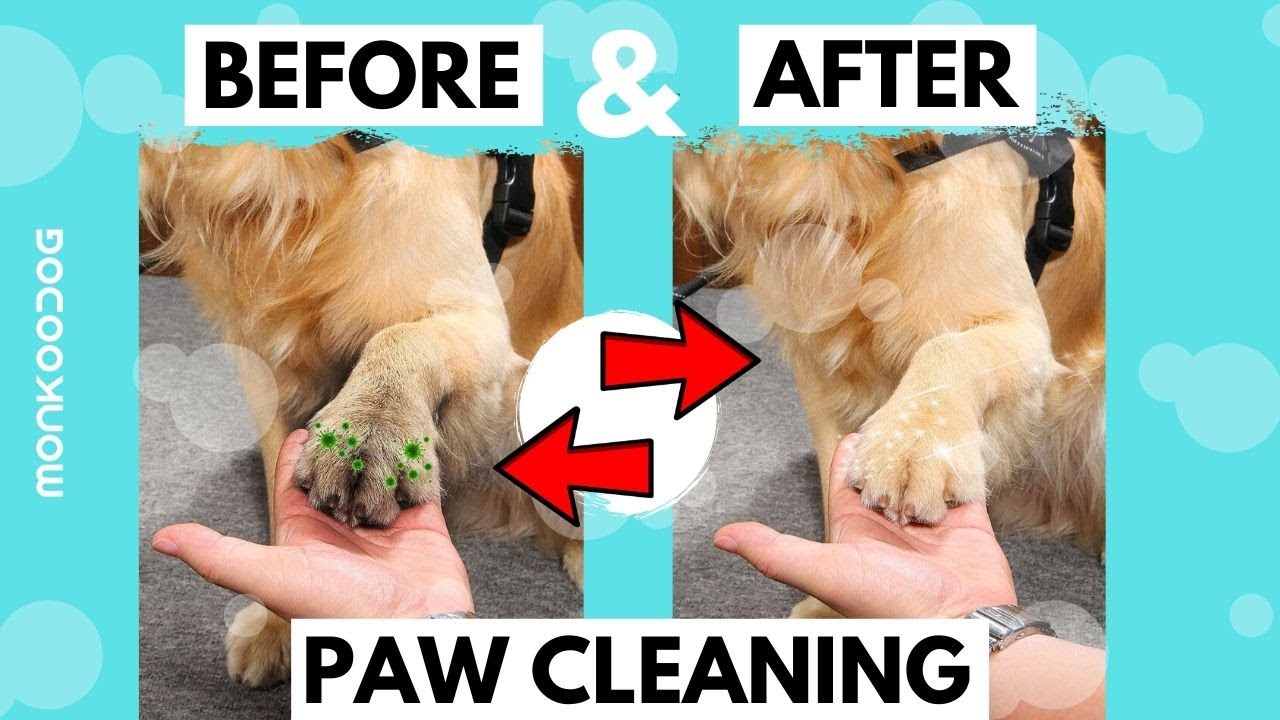
Source: YouTube > Moe Puppy
What Does It Mean to Teach a Dog to Clean Their Paws?
The goal is not to make a dog independently perform every part of paw hygiene. Instead, you are teaching a specific behavior: after coming inside, the dog walks onto a towel or mat and moves their paws against it enough to remove some loose surface dirt.
This behavior is similar to other trick-training exercises in which a desired action is built gradually through shaping. Dogs can learn to interact with a target object with their paws, and trainers can reinforce increasingly specific movements until the finished behavior is established. :contentReference[oaicite:2]{index=2}
A trained paw-wiping behavior is most useful for routine messes. It should not be treated as a substitute for washing paws after exposure to substances that may irritate the skin or be harmful if licked.
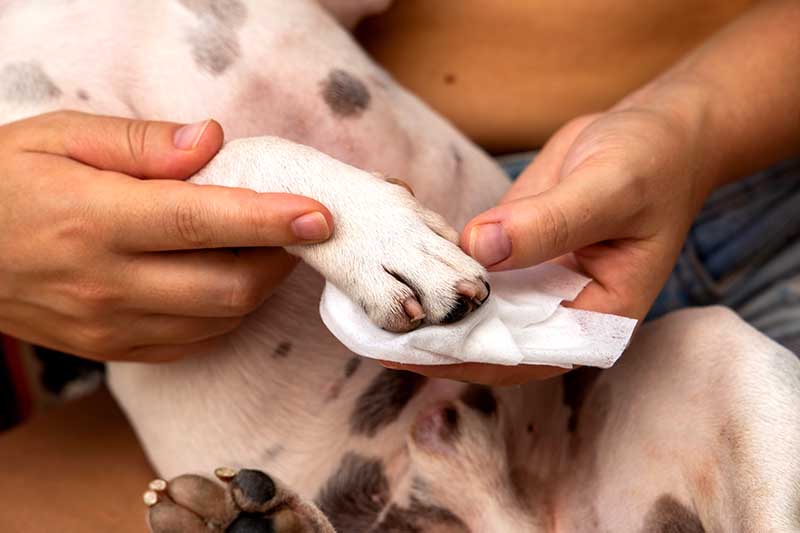
Source: storage.googleapis.com
The training goal
Teach your dog to deliberately paw, scratch, or rub a towel or mat when asked.
The practical benefit
The behavior can help remove some loose dirt and moisture before your dog walks farther into the house.
The limitation
A towel cannot reliably remove every contaminant from between the toes or from the paw pads.
Choose a Safe Training Surface
Use a flat, stable towel or mat that will not slide easily across the floor. Avoid materials with loose loops or threads that could catch a dog’s claws. The training surface should be comfortable enough that your dog can interact with it without fear or slipping. :contentReference[oaicite:3]{index=3}
Keep it stable
Place the towel on a nonslip surface so your dog can focus on the behavior rather than maintaining balance.
Keep it washable
Choose a material that can be washed regularly because the purpose is to collect outdoor dirt.
What You Need Before Training
Gather the training equipment before you begin so you can reward your dog immediately when the desired behavior occurs. The basic setup is simple: a towel or mat, small training rewards, and either a clicker or a consistent verbal marker such as “yes.”
The reward should be something your dog actually wants to work for. Food is common, but praise, play, or another preferred reward can also reinforce behavior. :contentReference[oaicite:4]{index=4}
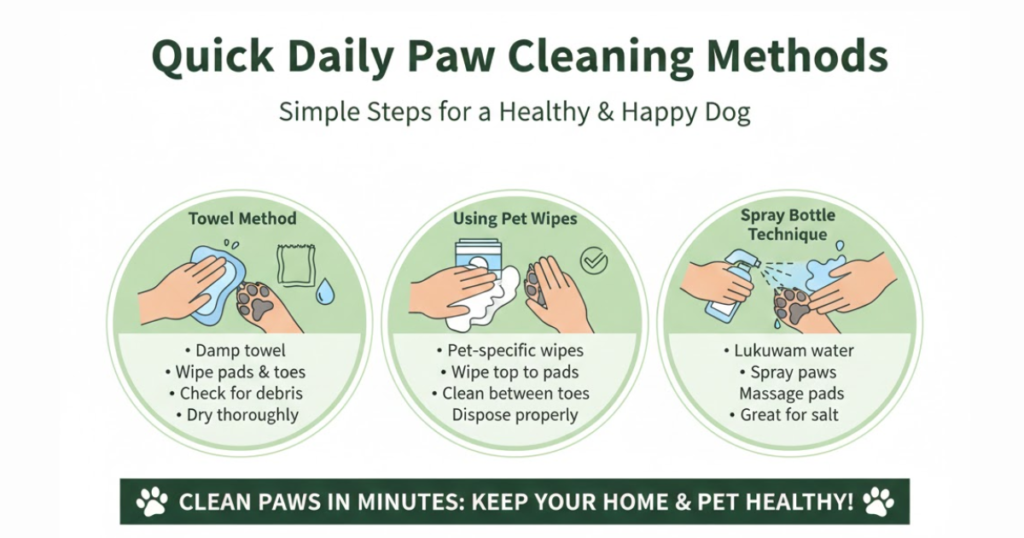
Source: artofit.org
Washable towel or mat
Use a sturdy surface without loose threads or loops.
Small rewards
Use appropriately sized training treats or another reward your dog values.
Marker
Use a clicker or a short verbal marker such as “yes” to identify the exact behavior being rewarded.
Low-distraction area
Begin indoors where your dog can concentrate without competing distractions.
Teach Paw Handling Separately if Necessary
If your dog dislikes having their feet touched, do not rush into paw-wiping training. First build a comfortable association with gentle paw handling by starting farther up the leg and gradually moving toward the paw while rewarding calm behavior. Veterinary guidance on paw handling emphasizes short sessions and watching for signs of stress. :contentReference[oaicite:5]{index=5}
Slow down when needed
Moving away, looking away, leaning away, yawning, shaking off, or showing other stress signals can indicate that the training is progressing too quickly. :contentReference[oaicite:6]{index=6}
Do not force the paw
The objective is voluntary participation, so use rewards to build cooperation instead of physically dragging or holding the paw against the towel.
How to Teach Your Dog to Clean Their Paws
The most practical approach is to shape the behavior in small stages. Start by rewarding interest in the towel, then reward paw contact, then encourage more deliberate paw movement. This prevents the dog from having to guess what you want.
A similar towel-wiping training method uses a hidden treat to encourage interaction with the towel, then gradually removes the hidden reward as the dog learns that pawing the towel itself produces reinforcement. :contentReference[oaicite:7]{index=7}
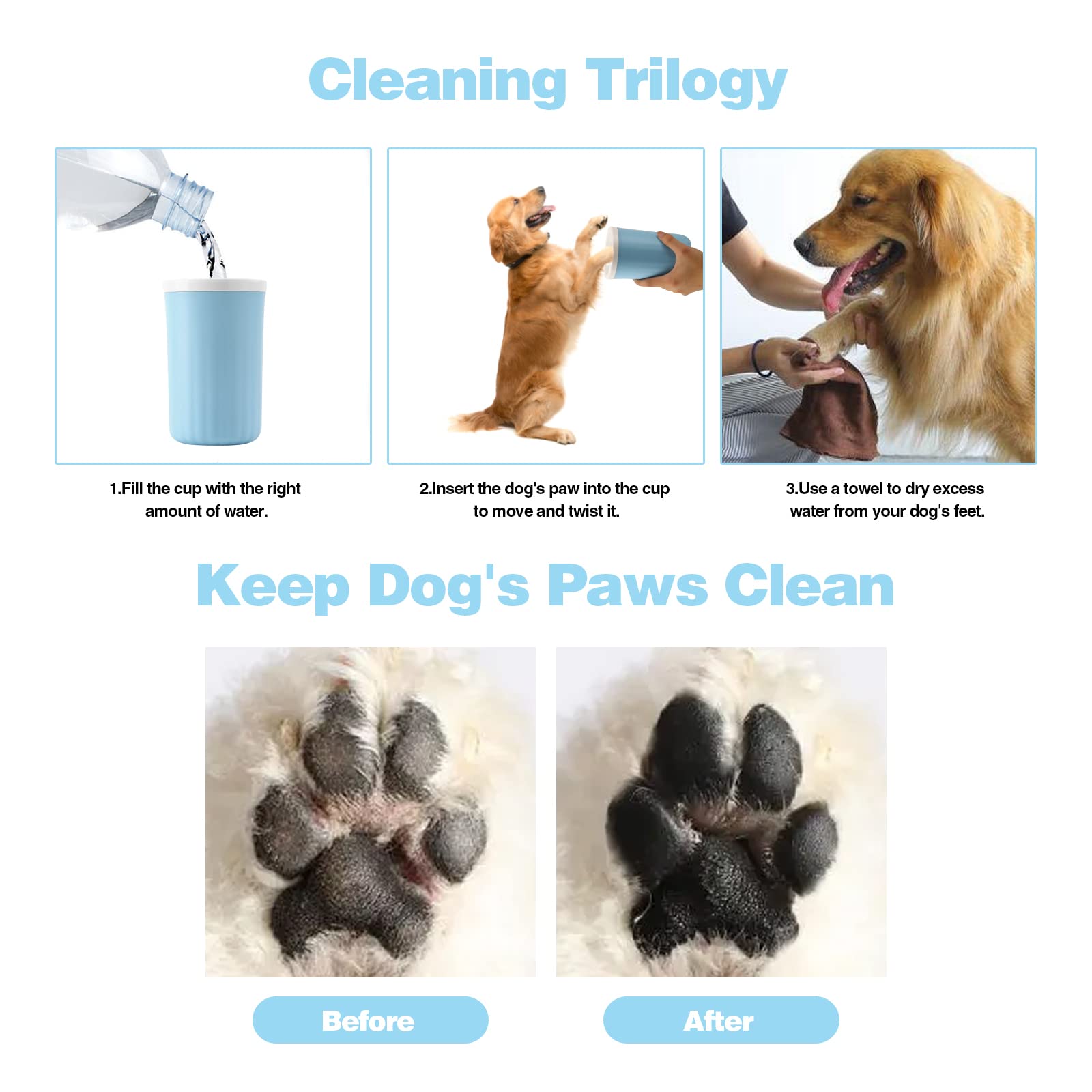
Source: gogostik.com
Step 1: Introduce the towel
Place the towel on the floor and let your dog investigate it. Mark and reward looking at, approaching, or sniffing the towel.
Step 2: Reward paw contact
Reward any natural paw touch or scratch directed toward the towel. If your dog already knows a paw-related cue, you can use that skill as a starting point.
Step 3: Build movement
Gradually reward stronger paw movements, such as scratching or rubbing the towel. Raise the standard in small increments rather than expecting a complete wipe immediately.
Step 4: Remove the lure
Once your dog understands that interacting with the towel earns a reward, stop relying on a treat hidden beneath the towel and reward the behavior itself.
Step 5: Add the cue
When the behavior is happening consistently, say a cue such as “wipe” or “clean paws” immediately before your dog performs the action.
Step 6: Practice at the doorway
Move the towel to the location where your dog normally enters the home. Cue the behavior after outdoor trips and reward successful paw wiping.
Step 7: Gradually reduce food rewards
Once the behavior is reliable, you can vary reinforcement while continuing to reward the behavior regularly enough to maintain it. Do not remove rewards abruptly while the skill is still developing.
Use Shaping Instead of Expecting a Perfect Wipe
Shaping means reinforcing small steps toward the final behavior. For example, you might first reward approaching the towel, then touching it, then scratching it, and eventually performing several paw movements. This approach is useful when a dog does not naturally understand what the towel is for. :contentReference[oaicite:8]{index=8}
Early criterion
Reward any appropriate interaction with the towel.
Middle criterion
Reward deliberate paw contact and movement.
Final criterion
Reward a recognizable paw-wiping action performed after your cue.
Practice One Paw at a Time if Needed
Some dogs may initially use one paw more readily than the other. That is not necessarily a problem. Build fluency with the movement your dog naturally offers, then gradually encourage the dog to use the towel with additional paws as the behavior becomes familiar.
Reward progress
A partial paw wipe is useful during early training because it gives you behavior to build on.
Avoid excessive criteria
Requiring all four paws immediately can make the exercise unnecessarily difficult.
How to Turn Paw Wiping Into an After-Walk Routine
Once your dog understands the behavior indoors, connect it to the event that makes paw cleaning useful: coming home from outside. Keep the towel near the entrance, ask your dog to pause on or beside it, give the paw-wiping cue, and reward the completed behavior.
At first, continue rewarding generously so the new doorway routine is clear. Over time, the environmental sequence itself can become a predictable cue: come inside, go to the mat, wipe paws, then continue into the house.
Keep in mind that paw wiping is only one part of paw care. After exposure to winter salt or chemical de-icers, for example, the ASPCA recommends rinsing or washing the feet and drying them rather than relying solely on a towel-wiping trick. :contentReference[oaicite:9]{index=9}
Source: animalia-life.club
Keep the towel accessible
Place it close to the normal entrance so the behavior is easy to practice consistently.
Use the same cue
Choose one short phrase and use it consistently.
Reward promptly
Deliver the reward immediately after the desired paw-wiping action.
Inspect the paws
Look between the toes and around the pads when conditions are muddy, icy, unusually hot, or otherwise hazardous.
When a Towel Is Not Enough
A trained wiping behavior is designed for routine surface debris. It is not an appropriate substitute for rinsing paws after potentially irritating chemicals or for cleaning a paw that is visibly contaminated with a substance that may be harmful if licked.
Winter de-icers are a specific concern in the United States. Rock salt and other de-icing chemicals can irritate paws, and dogs can also ingest residues by licking their feet. The ASPCA recommends wiping or rinsing paws after walks when de-icers are present and monitoring for discomfort such as paw licking or limping. :contentReference[oaicite:10]{index=10}
Chemical exposure
Rinse the paws rather than relying only on the trained wiping behavior when chemical residue may be present.
Visible injury
A cut, burn, blister, significant irritation, or persistent limping calls for appropriate veterinary assessment rather than more training.
Unknown substance
If your dog may have stepped in a potentially toxic substance, prevent licking and contact a veterinarian or an appropriate animal poison-control service for guidance.
Common Problems When Teaching Paw Wiping
Most training difficulties come from asking for too much too soon, rewarding the wrong behavior, or making the towel itself uncomfortable or confusing. The solution is usually to return to the last step your dog performed successfully and build from there.
Source: storage.googleapis.com
Your dog ignores the towel
Reward simple investigation first. Place the towel in a quiet area and reinforce looking at or approaching it before expecting paw movement.
Your dog grabs or chews the towel
Do not reward chewing if the goal is paw wiping. Make the criteria more specific by marking calm paw contact and redirecting away from inappropriate grabbing.
Your dog paws too aggressively
Reward calmer, controlled movements rather than the biggest scratch. Gradually reinforce the exact amount of movement needed to wipe the paw.
Your dog walks away
Lower the difficulty. Your dog may not understand the exercise yet, may be distracted, or may dislike the surface.
Your dog dislikes paw contact
Pause the wiping exercise and build comfort with gradual paw-handling exercises. Dogs’ feet are sensitive, so forcing contact can undermine cooperation. :contentReference[oaicite:11]{index=11}
The behavior works indoors but not after walks
Practice in stages. Outdoor distractions and excitement can make a behavior that is reliable at home temporarily less reliable at the doorway.
Signs You Are Progressing Too Quickly
If your dog repeatedly avoids the towel, stops taking rewards, moves away, or shows other signs of stress, reduce the difficulty rather than continuing to increase pressure. Veterinary behavior guidance recommends slowing exposure when a dog displays signs such as moving away, looking away, yawning, shaking off, or other stress-related body language. :contentReference[oaicite:12]{index=12}
Return to an easier step
Reward a behavior your dog already understands and rebuild from there.
Shorten the session
Several brief successful sessions are preferable to a long session that leaves the dog frustrated.
Change the environment
Reduce noise, distractions, slippery flooring, or other factors that may interfere with learning.
How to Know When Your Dog Has Learned the Skill
Your dog has a useful paw-wiping behavior when they respond consistently to the cue, approach the towel willingly, and perform the desired paw movement without needing a food lure placed under the towel.
The strongest test is whether the behavior works in the real context. After your dog is successful indoors, practice near the doorway and eventually after ordinary walks. If reliability drops, return temporarily to an easier environment and reinforce the behavior again.
Training success does not mean your dog can clean every part of the paw. Continue normal paw checks, particularly after walks on surfaces or in conditions that can cause irritation or injury.
Source: pawleaks.com
Cue response
Your dog begins the behavior after hearing the selected cue.
Independent performance
Your dog no longer needs a treat hidden under the towel to interact with it.
Calm participation
Your dog approaches the towel voluntarily and remains comfortable during the behavior.
Real-world reliability
Your dog can perform the behavior near the entrance after routine outdoor trips.
Keep the Skill Reliable
Continue reinforcing the behavior periodically after it is learned. Positive reinforcement can be used not only to teach a new behavior but also to maintain it over time. :contentReference[oaicite:13]{index=13}
Practice consistently
Use the same cue and routine whenever practical.
Vary rewards gradually
Once the behavior is dependable, vary reinforcement rather than eliminating it suddenly.
Paw Care Safety After Outdoor Walks
Teaching your dog to wipe their paws can make everyday cleanup easier, but it should not encourage you to overlook signs of paw injury. Dogs may encounter hot pavement, ice, salt, chemicals, sharp debris, or other irritants during outdoor activities.
The ASPCA recommends paying attention to the condition of a dog’s feet and cleaning them after exposure to winter salt or chemicals. In warmer weather, hot pavement and sand can also injure paw pads. :contentReference[oaicite:14]{index=14}
If you see significant swelling, a deep cut, a serious burn, persistent limping, marked pain, or another concerning change, stop the training session and seek veterinary advice. Training cannot correct an underlying medical problem.
Source: YouTube > Moe Puppy
Winter
Check between the toes and around the pads for snow, ice, salt, and de-icing residue.
Summer
Avoid relying on a wiping trick to protect paws from hot pavement or sand; changing the walking conditions is the safer approach.
After chemicals
Rinse or wash potentially contaminated paws rather than assuming a towel wipe is sufficient.
After injury
Prioritize appropriate care and veterinary assessment over continuing the training exercise.
A Simple Decision Rule
Use the trained wipe behavior for ordinary loose dirt and moisture. Use actual washing or rinsing when a substance needs to be removed from the paws. Seek veterinary help when the paw appears injured, painful, or persistently irritated.
Loose dirt
A trained towel wipe may be appropriate.
Potential irritant or chemical
Rinse or wash the paws and prevent licking.
Pain or visible injury
Stop training and obtain veterinary guidance.
Frequently Asked Questions
Q
Can every dog learn to wipe their paws?
Many dogs can learn a paw-wiping behavior when it is broken into small steps and reinforced consistently, but individual dogs differ in motivation, coordination, confidence, and comfort with paw handling. If a dog becomes fearful or distressed, make the exercise easier rather than forcing the behavior.
Q
How long does it take to teach a dog to clean their paws?
There is no reliable universal timetable. Some dogs understand the basic interaction quickly, while others need repeated short sessions over a longer period. Progress is more useful to measure by consistency than by a fixed number of days.
Q
Should I put a treat under the towel?
A hidden treat can be used as an initial way to encourage interaction with the towel. Once your dog understands that pawing the towel produces a reward, gradually remove the hidden lure and reward the desired behavior directly. :contentReference[oaicite:15]{index=15}
Q
What cue should I use for paw wiping?
Choose a short phrase that is easy for you to use consistently, such as “wipe,” “clean paws,” or “paws.” The exact wording matters less than consistently pairing the cue with the behavior you want.
Q
Does wiping paws replace washing them?
No. Paw wiping is mainly useful for loose surface dirt and moisture. If your dog encounters salt, de-icers, chemicals, or another potentially irritating substance, washing or rinsing may be necessary. The ASPCA specifically recommends washing or rinsing paws after exposure to winter salt and chemicals. :contentReference[oaicite:16]{index=16}
✦ Wrapping Up
Conclusion
The most effective way to teach a dog to clean their paws is to turn paw wiping into a reward-based behavior. Begin by making a stable towel or mat interesting, reward small interactions, gradually shape the action into deliberate paw movement, and add a verbal cue once the behavior is reliable.
Keep sessions short, watch your dog’s body language, and avoid forcing paw contact. Once the skill is established, practice it at the doorway after ordinary walks. Remember that this is a training trick and a cleanup aid, not a replacement for rinsing contaminated paws or treating injuries.
💡 Key Takeaway
Place a washable towel near your dog’s usual entrance, reward calm interaction with it, and gradually shape that interaction into a deliberate paw-wiping behavior before attaching your chosen cue.
Learn how to measure dog paws for socks using width, length, and circumference measurements. Get accurate sizing, avoid common mistakes, and improve sock fit.
Learn how to keep a bandage on a dog’s paw clean, dry, secure, and comfortable while watching for swelling, slipping, infection, and other warning signs.
Learn how to prevent foxtails in dogs’ paws with U.S.-focused tips for avoiding risky areas, grooming paws, checking between toes, and knowing when to call a veterinarian.
Learn how to treat dog paw infection at home with safe cleaning, wound care, infection monitoring, and prevention tips. Know when veterinary care is necessary.
Learn how to keep dog paws warm in snow with proven winter paw care strategies, protective gear, grooming tips, and safety advice for cold-weather walks.