Cold paws are often a normal response to cool floors, outdoor temperatures, or reduced blood flow to the extremities, but persistently cold paws after cold-weather exposure can signal frostbite or hypothermia.
For dog owners across the United States, cold paws can be especially noticeable during winter walks, snowstorms, or time spent on cold floors. A dog’s paws are exposed directly to the environment, so they can feel cooler than the rest of the body without meaning that something is wrong. What matters is the overall situation, including how long your dog was exposed to cold, whether the paws are wet, and whether your dog shows pain or other changes in behavior.
Cold paws deserve more attention when they occur after prolonged exposure to freezing conditions or alongside pale, gray, blue, swollen, painful, or blistered skin. Veterinary sources identify the paws as one of the areas most vulnerable to frostbite because they are far from the core of the body. Hypothermia can also develop when a dog’s core body temperature falls too low, particularly in puppies, senior dogs, small dogs, and dogs with short coats.
Source: drpashu.com
Why Are My Dog’s Paws Cold?
The most common reason a dog’s paws feel cold is simple environmental exposure. Paw pads contact cold pavement, tile, snow, ice, wet grass, or other cool surfaces, so they can lose heat faster than areas protected by the dog’s coat.
A second factor is the body’s normal response to cold. When temperatures fall, blood vessels near the skin can constrict so the body can conserve heat for vital organs. Because paws are extremities, their blood flow can be reduced during cold exposure, making them feel cooler.
Cold paws become more concerning when the temperature is very low, exposure is prolonged, the dog is wet, or the paws develop visible changes. Frostbite occurs when extreme cold and reduced blood flow damage tissue, and the paws are among the body parts commonly affected.
Source: storage.googleapis.com
Normal environmental cooling
Paws may temporarily feel cool after contact with cold floors, pavement, snow, or outdoor surfaces.
Cold-related blood-flow changes
Blood vessels can constrict during cold exposure, reducing circulation near the skin and extremities.
Frostbite risk
Very cold or prolonged exposure can injure paw tissue, particularly when the paws are wet.
Whole-body chilling
Cold paws can occur alongside hypothermia when a dog’s core body temperature becomes dangerously low.
Are Cold Paws Normal in Dogs?
They can be. A dog that briefly walks across a cold surface may have cool paw pads while otherwise behaving normally. If the paws warm after the dog comes indoors and there is no pain, discoloration, swelling, or abnormal behavior, coldness alone is generally less concerning.
However, paw temperature should not be evaluated in isolation. A dog that remains cold, shivers, becomes unusually tired, has difficulty walking, or develops abnormal-looking paw tissue needs closer attention.
Less concerning pattern
The paws are temporarily cool after cold exposure and return toward normal after the dog is indoors and dry.
More concerning pattern
The paws remain unusually cold or are accompanied by pain, swelling, discoloration, weakness, shivering, or other changes.
Cold Weather Can Make Dog Paws More Vulnerable
Cold weather affects paws in more than one way. Snow and ice can chill the tissue, while salt and chemical ice-melting products can irritate or injure paw pads. Ice can also collect between the toes and cause discomfort.
Wetness increases the concern. Veterinary guidance notes that wet or damp dogs are more vulnerable to frostbite because moisture combined with cold can accelerate heat loss. For that reason, dogs should be dried thoroughly after exposure to rain, snow, or wet conditions.
There is no single outdoor temperature that determines whether every dog is safe. Breed, body size, coat type, age, health status, wind, moisture, and duration of exposure all influence cold tolerance.
Source: breedingbusiness.com
Snow and ice
Snow and ice can cool the paws and form irritating ice balls between the toes.
Salt and de-icing chemicals
These substances can irritate paw pads and may be harmful if a dog licks contaminated paws.
Wet fur and paws
Moisture can increase vulnerability to cold-related tissue injury.
Long exposure
The longer a dog remains in extreme cold, the greater the opportunity for dangerous heat loss and tissue injury.
Which Dogs Are More Vulnerable to Cold?
Puppies, senior dogs, small dogs, and dogs with short coats can lose body heat more quickly than dogs that are larger or heavily insulated. Dogs with medical conditions that affect circulation may also have increased frostbite risk.
Cold-weather breeds can be better adapted to low temperatures, but no breed is completely protected from frostbite or hypothermia. Severe cold, wet conditions, and prolonged exposure can endanger any dog.
Puppies
Young dogs can have greater difficulty maintaining body temperature.
Senior dogs
Older dogs may have reduced cold tolerance or health conditions that affect circulation.
Small or short-coated dogs
They can lose body heat relatively quickly in cold conditions.
Dogs with circulation problems
Conditions that reduce blood flow to the extremities can increase vulnerability to frostbite.
How to Tell if Cold Paws Are a Warning Sign
The most useful distinction is between temporarily cool paws and paws showing signs of tissue injury or impaired circulation. A dog whose paws are merely cool after a short exposure may recover after coming inside. A dog with abnormal color, swelling, pain, or skin damage needs veterinary assessment.
Frostbite can initially cause affected tissue to become cold and painful. The skin may appear pale, gray, or bluish, and swelling or blisters can develop. Some signs may not become obvious until the tissue begins to thaw, so a dog can appear better immediately after coming indoors while injury is still present.
Hypothermia is a whole-body emergency rather than a paw-only problem. Shivering, weakness, sluggishness, abnormal breathing, pale skin, or reduced responsiveness after cold exposure should be treated as reasons to contact a veterinarian promptly.
Source: animalia-life.club
Pale, gray, or blue skin
Abnormal discoloration can indicate compromised circulation or frostbite.
Swelling or pain
Painful or swollen paws after cold exposure warrant veterinary attention.
Blisters or ulcers
These can indicate significant tissue injury and should be evaluated by a veterinarian.
Shivering or weakness
Whole-body signs after cold exposure may indicate hypothermia rather than a simple cold paw.
Blackened tissue
Dark or black tissue can indicate severe tissue damage and requires immediate veterinary care.
When Should I Call a Veterinarian?
Contact a veterinarian promptly if your dog’s paws are cold after significant cold exposure and are painful, swollen, pale, gray, blue, blistered, unusually firm, or otherwise abnormal. Veterinary evaluation is also appropriate when your dog is limping, repeatedly licking or chewing the paws, or refusing to walk after being outside in severe cold.
Seek urgent veterinary care if cold exposure is accompanied by marked weakness, difficulty breathing, collapse, severe lethargy, or reduced responsiveness. These signs can indicate serious hypothermia or another emergency.
Immediate veterinary concern
Cold exposure followed by abnormal paw color, swelling, severe pain, blisters, ulcers, or blackened tissue.
Whole-body emergency
Severe weakness, abnormal breathing, collapse, or markedly reduced responsiveness after being cold.
What to Do if Your Dog’s Paws Feel Cold
If your dog’s paws feel cold after being outdoors, bring the dog into a warm, dry environment and assess the paws without rubbing or aggressively manipulating them. Dry the dog carefully and inspect the pads and the spaces between the toes.
If you suspect frostbite, veterinary sources recommend avoiding direct dry heat such as heating pads or hair dryers and avoiding rubbing or massaging the affected tissue. Rapid or excessive heating can further injure compromised tissue.
When frostbite is suspected, contact a veterinarian promptly. A veterinarian can determine the extent of tissue injury and address pain, infection risk, hypothermia, or other complications.
Source: alibaba.com
Move indoors
Get the dog out of the cold and into a warm, dry environment.
Dry carefully
Remove moisture from the coat and paws without vigorous rubbing.
Inspect the paws
Look for discoloration, swelling, cracks, blisters, ice buildup, or redness between the toes.
Avoid direct heat
Do not place a suspected frostbitten paw directly against a heating pad or other intense heat source.
Contact your veterinarian
Get professional advice when frostbite, hypothermia, significant pain, or abnormal tissue changes are suspected.
What Not to Do for Suspected Frostbite
Do not rub, massage, or vigorously towel the affected tissue. Do not use a hair dryer or heating pad directly on the paws. If the dog is still exposed to freezing conditions and you cannot keep the affected area warm, attempting to thaw it outdoors can create a risk of refreezing and additional injury.
Do not give human pain medication unless a veterinarian specifically instructs you to do so. Some human medicines can be toxic to dogs.
Do not rub
Frostbitten tissue is vulnerable to additional mechanical injury.
Do not use direct dry heat
Heating pads and hair dryers can burn or further damage affected tissue.
Do not self-medicate
Use medications only under veterinary direction.
How to Protect Your Dog’s Paws in Cold Weather
Prevention is safer than trying to treat cold-related paw damage after it occurs. During severe winter weather, keep outdoor trips shorter and avoid leaving dogs outside unattended. A controlled indoor environment provides the most reliable protection from extreme cold.
Before and after winter walks, check the paws. Snow or ice can collect between the toes, while salt and de-icing chemicals can irritate the pads. Rinse or wipe the feet after walks and dry them thoroughly.
Booties can provide a physical barrier against snow, ice, salt, and other outdoor hazards when a dog tolerates them safely. A veterinarian-approved paw protectant may also help protect pads from environmental irritants. These measures should supplement, not replace, sensible limits on cold exposure.
Source: sparkpaws.com
Keep walks appropriate to conditions
Shorten outdoor time during extreme cold, especially for vulnerable dogs.
Keep paws dry
Dry paws and the surrounding fur after exposure to snow, rain, or wet surfaces.
Remove ice and snow
Check between the toes and gently remove accumulated ice or snow.
Clean off chemicals
Wipe or rinse paws after walks where salt or de-icing products may be present.
Consider protective gear
Booties or veterinarian-approved paw protection can reduce contact with cold surfaces and irritating substances.
Why Paw Checks Matter After a Winter Walk
A quick paw inspection can identify problems before they become more serious. Check the pads, between the toes, and around the nails for ice, redness, cracks, swelling, or other abnormalities.
If your dog begins limping, lifting a paw, licking the feet repeatedly, or refusing to continue walking, stop the outdoor activity and examine the paws. Persistent irritation or visible injury should be discussed with a veterinarian.
Check between the toes
Ice balls, salt, and debris can become trapped in this area.
Check the pads
Look for cracks, discoloration, swelling, or other changes.
Watch behavior
Limping, paw lifting, or repeated licking can indicate discomfort.
Cold Paws Versus Frostbite: A Practical Comparison
Cold paws and frostbite are not interchangeable terms. Temporarily cool paws can occur during ordinary exposure to cold surfaces, while frostbite involves actual cold-related tissue damage. The distinction depends on exposure, appearance, sensation, and accompanying symptoms.
Because frostbite can become more apparent during or after thawing, a dog that has experienced prolonged or extreme cold exposure should be monitored even if the paws initially look normal. When in doubt, veterinary advice is safer than trying to determine the severity at home.
Source: sparkpaws.com
Temporarily cold paws
Usually associated with recent contact with a cool environment and no significant pain, discoloration, swelling, or behavioral change.
Possible frostbite
More concerning when coldness follows severe or prolonged exposure and is accompanied by abnormal color, pain, swelling, blisters, ulcers, or tissue changes.
Possible hypothermia
Concern increases when cold exposure causes whole-body signs such as shivering, weakness, unusual sluggishness, abnormal breathing, or reduced responsiveness.
Why There Is No Universal Safe Temperature
Dogs differ in size, coat, age, health, and ability to regulate body temperature. Wind, moisture, snow, and the duration of exposure also change the risk. For that reason, a single thermometer reading cannot reliably determine whether every dog can safely remain outdoors for a particular length of time.
A safer approach is to consider the individual dog and the conditions together. If the dog is wet, shivering, uncomfortable, or showing abnormal paw changes, end the exposure rather than relying on a general temperature threshold.
Individual dog
Age, size, coat, and health can alter cold tolerance.
Environmental conditions
Wind, moisture, snow, ice, and surface temperature can increase cold-related risk.
Duration
Longer exposure increases the opportunity for dangerous heat loss and tissue injury.
Frequently Asked Questions
Q
Why are my dog’s paws cold but their body is warm?
Paws are exposed directly to the environment and contain extremities where blood flow can be reduced during cold exposure. As a result, the paws may feel cooler than the body without indicating a serious problem. If the paws warm after your dog comes indoors and there are no other symptoms, the situation is generally less concerning.
Q
Can dogs get frostbite on their paws?
Yes. A dog’s paws are among the areas most commonly affected by frostbite. Prolonged or extreme cold, especially when the dog is wet, can reduce blood flow enough to damage tissue. Pale, gray, blue, swollen, painful, blistered, or blackened tissue requires veterinary attention.
Q
Should I warm my dog’s cold paws with a heating pad?
Do not place suspected frostbitten paws directly on a heating pad or use a hair dryer to heat them. Direct dry heat can injure already damaged tissue. Move the dog to a warm environment and contact a veterinarian for guidance when frostbite is suspected.
Q
Why are my dog’s paws cold after a walk in snow?
Snow and ice draw heat from exposed paw tissue, and ice can collect between the toes. Salt and de-icing chemicals can also irritate the pads. After a snowy walk, inspect the paws, remove ice carefully, wipe or rinse away contaminants, and dry the feet thoroughly.
Q
Can cold paws mean my dog has hypothermia?
Cold paws alone do not establish hypothermia. Hypothermia is a whole-body condition associated with an abnormally low core body temperature. Shivering, weakness, unusual sluggishness, abnormal breathing, pale skin, or reduced responsiveness after cold exposure are more concerning and warrant prompt veterinary attention.
✦ Wrapping Up
Conclusion
If you are wondering why your dog’s paws are cold, the answer is often ordinary exposure to cold surfaces or normal changes in blood flow to the extremities. Temporary coolness is different from cold-related tissue injury, and the surrounding signs matter more than paw temperature alone.
Take extra care when your dog has spent significant time outdoors in freezing, wet, snowy, or windy conditions. Frostbite can affect the paws, while hypothermia can become a serious whole-body emergency. Dogs that are young, old, small, short-coated, wet, or affected by circulation problems may need additional protection.
After cold-weather outings, bring your dog inside, dry the paws, check between the toes and around the pads, and remove snow, ice, salt, or other contaminants. If the paws become painful, swollen, discolored, blistered, or otherwise abnormal, contact a veterinarian rather than attempting aggressive home treatment.
💡 Key Takeaway
Cold paws are not automatically an emergency, but cold exposure plus pain, abnormal color, swelling, tissue damage, or whole-body symptoms should be treated as a veterinary concern.
Learn how to stop dog from licking paws home remedy coconut methods safely. Discover causes, application steps, limitations, and when to contact a veterinarian.
Learn how to moisturize dog paws safely with paw balms, natural moisturizers, and daily care tips. Discover how to prevent dry, cracked paw pads and keep your dog’s feet healthy.
Learn how to remove a foxtail from a dog’s paw when it is loose or clearly visible, recognize embedded foxtails, and know when veterinary care is needed.
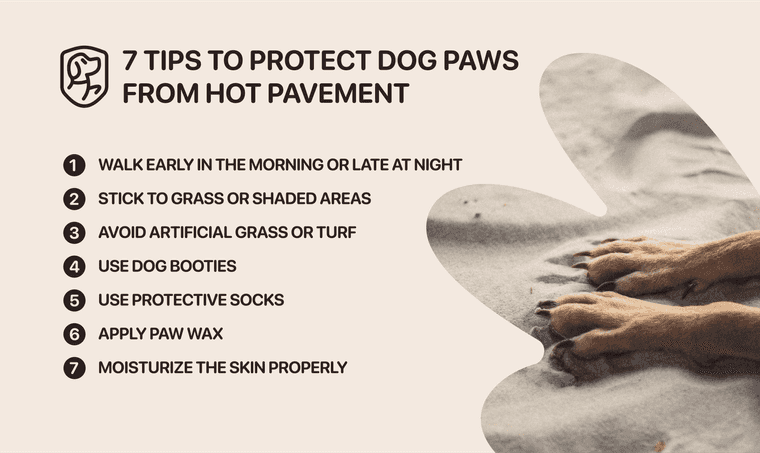
Learn how to protect dog paws from hot pavement with practical safety tips, temperature checks, dog boots, walking schedules, and paw care advice for summer walks.
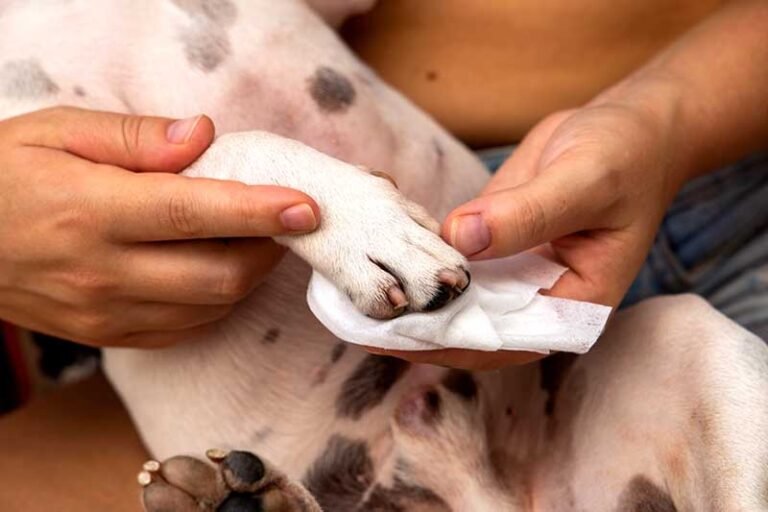
Learn how to clean in between dogs paws using safe, vet-informed methods. Remove dirt, debris, allergens, and moisture to help keep your dog’s paws healthy.
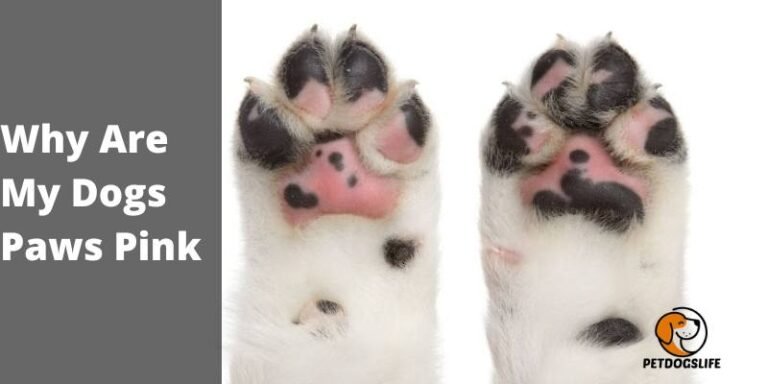
Learn why your dog’s paws may be pink, from normal puppy pigmentation and saliva staining to allergies, irritation, infection, and paw injuries. Find out when veterinary care is needed.